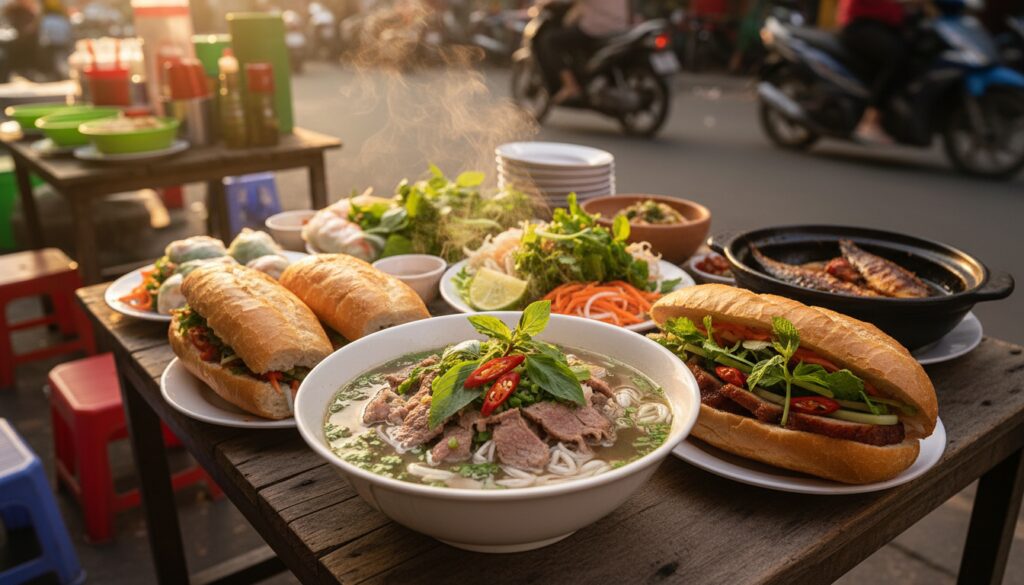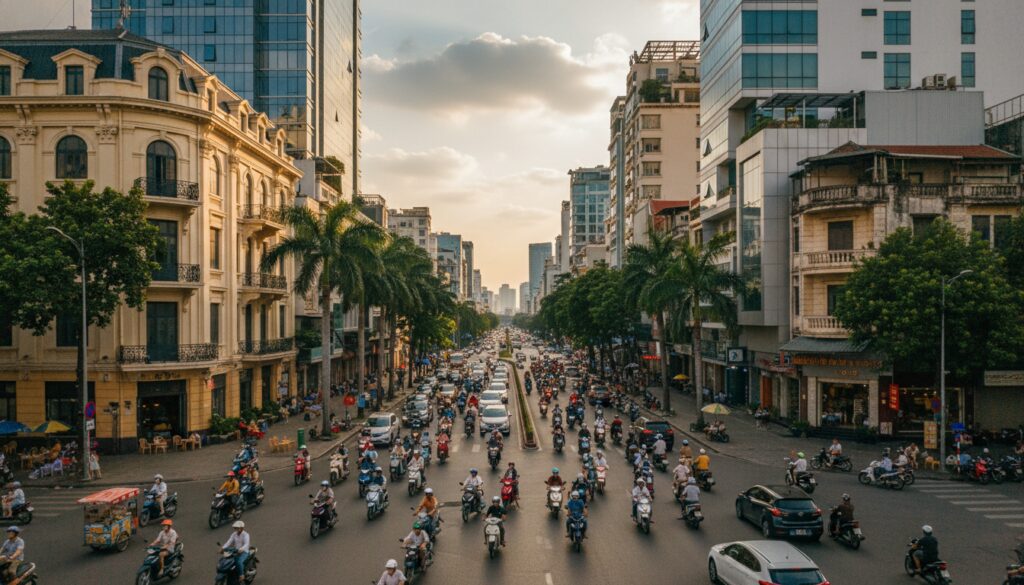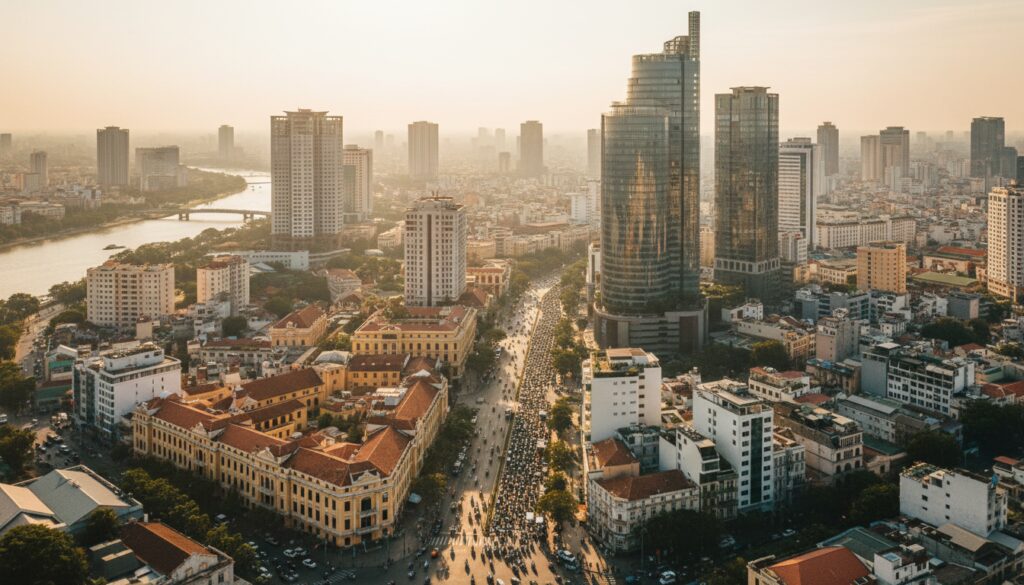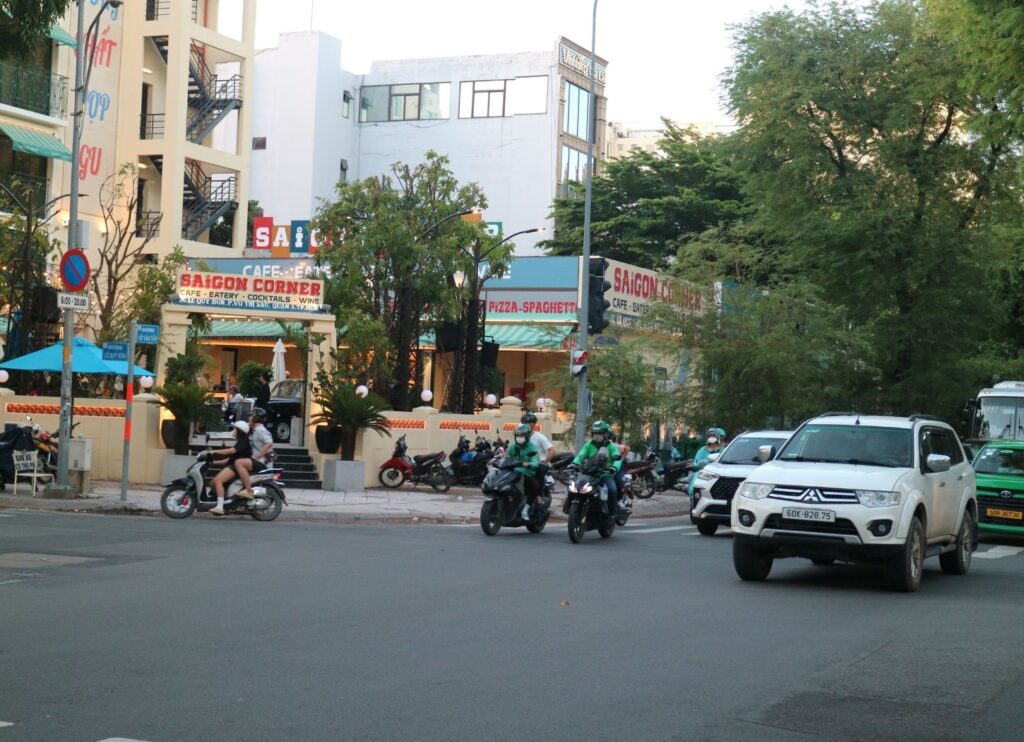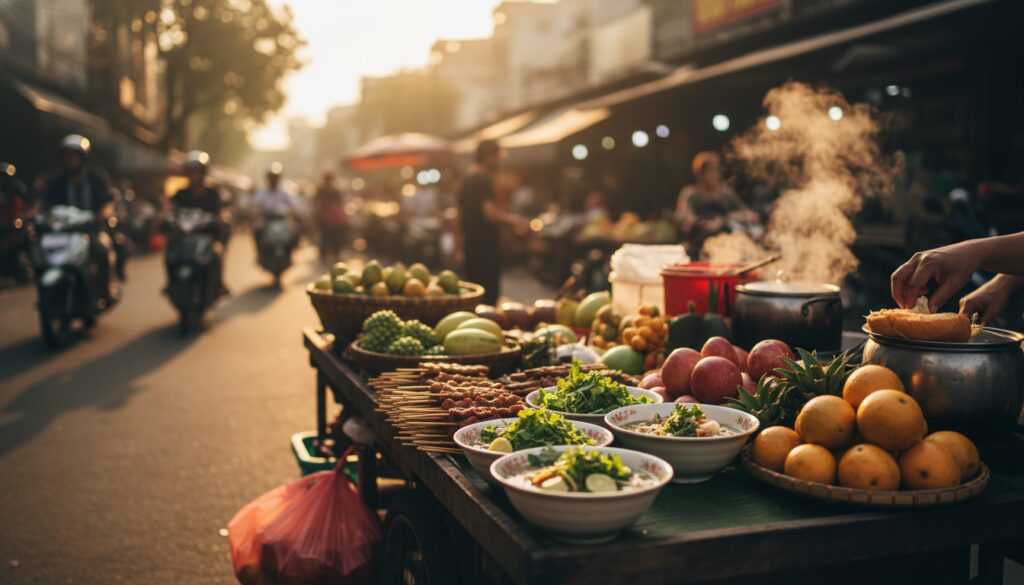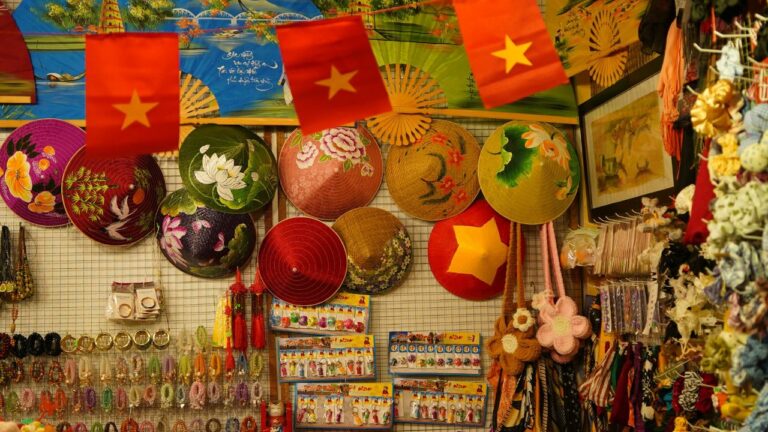
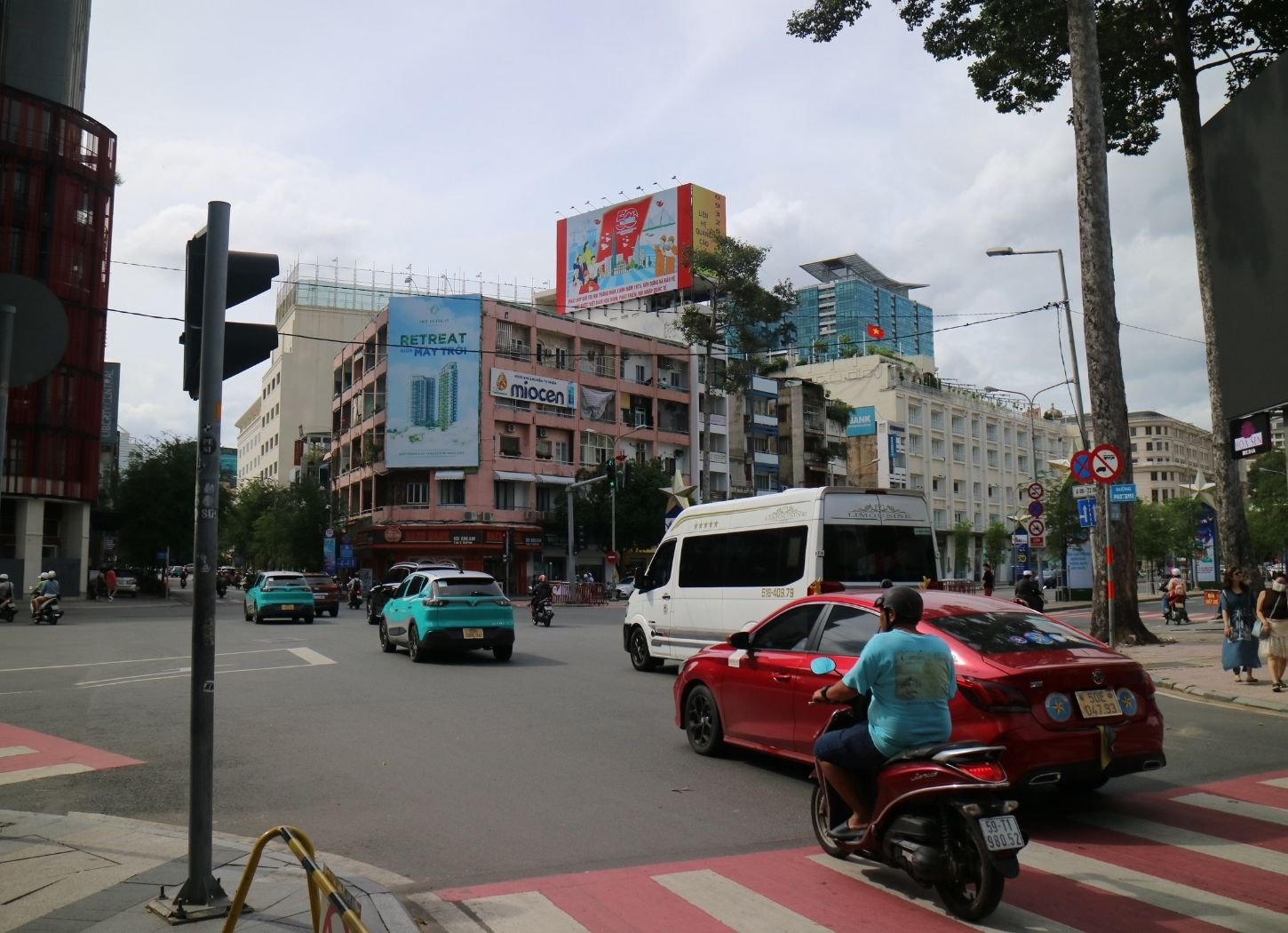
Ho Chi Minh City is the largest city in southern Vietnam, where the old name Saigon still lives on in everyday use. District 1 is lined with French colonial-era architecture, with countless motorbikes weaving through the streets. In December 2024, Ho Chi Minh City's first urban rail line, Metro Line 1, opened, and commercial operations at Long Thanh International Airport on the outskirts are expected to begin in the latter half of 2026 (the government's target is Q4, pushed back from the original plan) — the city has entered a period when the flow of travel is about to shift. This page covers the city's overall picture, how to explore it district by district, standard spots and a quick-reference table, how to choose where to stay, a 3-day model itinerary, food and cafés, souvenirs, and the latest topics, and links out to individual articles on cafés, news, and souvenirs.
| Official name | Ho Chi Minh City (formerly Saigon) |
|---|---|
| Location | Southern Vietnam, the largest city |
| Population | Approx. 14 million (the new Ho Chi Minh City after its July 2025 merger with Binh Duong and Ba Ria-Vung Tau Provinces; the former city area alone has about 9.3 million) |
| Language | Vietnamese (English also understood in tourist areas) |
| Currency | Vietnamese dong (VND) |
| Time difference from Japan | -2 hours |
| Best season | The dry season, November to April |
| Guide to length of stay | 3 days and up |
What kind of city is Ho Chi Minh City—the southern capital that was called Saigon
Ho Chi Minh City flourished as a trading port from the 18th century on, and in the French colonial era was a port town called the “Paris of the Orient.” Known as Saigon until reunification in 1976, locals still affectionately call the center Saigon today. While colonial buildings like the Central Post Office and Saigon Cathedral remain in active use, the 461 m Landmark 81 rises along the Saigon River, with old and new in the same field of view. Warm year-round at 27–30°C, it divides into the rainy season (May–October) and dry season (November–April). Rainy-season squalls often clear quickly, but flooding and congestion occur on some streets, so allow extra time for evening travel.
The city isn't a concentric circle—the Saigon River and canals form its skeleton. The historic center is District 1, from which districts of differing character continue to Districts 3, 4, and 5, and across the river to the east, Thao Dien (Thu Duc City) spreads as an up-and-coming café district where Western expatriates gather. Because the look changes block by block, deciding “which district to walk” instantly raises the density of your trip.
Getting to Ho Chi Minh City and getting around the city
Flights from Japan
Direct flights by Vietnam Airlines, ANA, JAL, and others operate from Narita, Haneda, Kansai, Chubu, and Fukuoka, taking about 6 hours from Tokyo and about 5.5 hours from Kansai. Using an LCC can keep airfares down in some seasons. The time difference is Japan minus 2 hours, and on a daytime flight with no overnight in the air, you can head straight out sightseeing on arrival day.
From the airport to the city—Tan Son Nhat and the new Long Thanh airport
The current gateway is Tan Son Nhat International Airport, about 30 minutes to District 1 by Grab. Fares are transparent with Grab even on late-night flights. In the latter half of 2026 (targeted for Q4, pushed back from the original plan), commercial operations are expected to begin at Long Thanh International Airport in neighboring Dong Nai Province, with plans underway to gradually transfer some international routes there (Tan Son Nhat will continue operating as well). An access railway linking the airport to the city center is also planned, but its opening is still some way off, so for now Grab is the basic way to get to and from the airport. Be sure to check which airport your flight uses before you travel.
Getting around the city—Metro Line 1, Grab, and the water bus
Metro Line 1, which opened in December 2024, is Ho Chi Minh City's first urban rail (a line including underground stations), connecting the 19.7 km from Ben Thanh Market to the Suoi Tien area in the eastern city (terminus: Suoi Tien Bus Terminal) in about 30 minutes. With all 14 stations, sightseeing-friendly stops line up—Ben Thanh, Opera House, Tan Cang (nearest to Landmark 81). For short distances, Grab (car/motorbike) is basic; if using a street taxi, choose the official metered cars of Mai Linh and Vinasun. Running along the Saigon River,the water bus's evening serviceturns the trip itself into a river cruise.
How to explore Ho Chi Minh City by area
District 1—the center of sightseeing and history
The starting point of a trip, where colonial architecture, major hotels, Ben Thanh Market, and Dong Khoi Street cluster. From the Central Post Office to Saigon Cathedral, Book Street, and the pedestrian zone of Nguyen Hue Street are within walking distance, and on the first day, just walking here gives you the outline of the city. At night, you can also enjoy street specialties likethe butter-grilled dried-squid stall in front of the cathedraland other street specialties like it.
District 3—local life and cafés
Adjacent to the northwest of District 1, a calm residential area lined with street trees. Dotted with hideaways a step removed from the tourist bustle, likethe 24-hour retro café “Ngấm Cafe,”it suits those who want to touch the feel of local life.
Thao Dien (Thu Duc City)—another Saigon
Across the Saigon River to the east,Thao Dienis a green area where Western expatriates live. Boutiques, bakeries, and river-view cafés cluster, with new openings continuing—likeBAKES, a popular patisserie in a three-story glass tower,andand a scenic café overlooking Landmark 81, with new openings continuing.
Districts 4 and 5 Cho Lon—the old town and Chinatown
District 4 is an old-town area you can cross from the south side of District 1 over a single bridge, dense with seafood eateries and local street stalls. District 5 Cho Lon is Vietnam's largest Chinatown, where a townscape rich in overseas-Chinese culture different from Saigon remains—Binh Tay Market, Quan Cong Temple, and more.
Ho Chi Minh City's staple sightseeing spots
We list representative spots by guide visit time and area. Use it as a quick reference when building your route.
| Spot | Guide time | Area | Notes |
|---|---|---|---|
| Independence Palace | About 1 hour | District 1 | Paid admission, underground war room |
| War Remnants Museum | About 1.5 hours | District 3 | Centered on photos and actual exhibits |
| Central Post Office and Saigon Cathedral | About 30 minutes | District 1 | Photographing the exterior. The cathedral has a renovation period |
| Ben Thanh Market | About 1 hour | District 1 | The surroundings turn into a street-stall district from evening |
| Landmark 81 observation deck | About 1 hour | Binh Thanh District | Nearest is Metro Tan Cang Station |
| Bui Vien Street | Night | District 1 | Entertainment district, nights only |
| Café Apartment | About 1 hour | District 1 | Shops on each floor |
| Cu Chi Tunnels | Half a day to a full day | City outskirts | Tour use is basic |
Independence Palace (former Presidential Palace)
The presidential palace of the South Vietnamese regime, and the stage where the Vietnam War ended on April 30, 1975. The furniture of the time and the underground war room are preserved as they were, letting you experience modern history.
War Remnants Museum
A museum displaying actual materials and photos of the Vietnam War. A heavy theme, but a clue to understanding the city's history.
Central Post Office and Saigon Cathedral
A late-19th-century French colonial building, a working post office distinguished by its yellow exterior walls and arched ceiling. Together with the adjacent red-brick Saigon Cathedral, it's a representative photo spot of the city.
Ben Thanh Market
“Saigon's kitchen” in central District 1. Goods, food, and souvenirs gather in one place, and as the sun sets the surroundings turn into a street-stall district. Haggling is part of the experience.
Landmark 81 / Bitexco Tower
From the observation deck of the 461 m skyscraper Landmark 81, you get a sweeping view of the city and the Saigon River. On the District 1 side, Bitexco Tower's “Saigon Skydeck” is popular too.
Bui Vien Street (backpacker street)
An entertainment district that fills with neon and live music at night. An entertainment quarter lined with local bars and street stalls—the nighttime face of Ho Chi Minh City.
Café Apartment
A building where a former apartment block facing Nguyen Hue Street has been wholly converted into cafés and goods shops. Distinctive shops occupy each floor—a staple photogenic spot.
Cu Chi Tunnels (city outskirts)
A wartime underground tunnel network reachable on a day trip from the city. Half-day to full-day tours are standard, letting you experience the Vietnam War firsthand from underground.
Ho Chi Minh City three-day model course
Day 1 (the city's center and history): In the morning, trace history at Independence Palace and the War Remnants Museum; in the afternoon, stroll the Central Post Office, Saigon Cathedral, and Book Street. In the evening, shop and eat street food at Ben Thanh Market, and at night, soak up the city's heat on Bui Vien Street.
Day 2 (cafés and Thao Dien): In the morning, take Metro Line 1 to Tan Cang Station and up to the Landmark 81 observation deck. In the afternoon, cross the Saigon River for a café tour of Thao Dien. At night, cap off the day atthe new dining venue on the top floor of Union Squareor a rooftop bar.
Day 3 (heading to the outskirts): A half-day tour of the Cu Chi Tunnels, or a day trip toward the Mekong Delta. Back in the city, do your last shopping at Ben Thanh Market or Saigon Square.
How to choose a lodging area in Ho Chi Minh City
Which district you stay in changes how easy your day is to get around. Here's a by-purpose guide.
District 1: For first-time travelers or short stays. A good balance of major spots, the market, and airport access, with many hotel options.District 3: Adjacent to District 1 yet quiet, for those who want to keep lodging costs down.Thao Dien (Thu Duc City): For long stays or families who want to relax at cafés and along the river. 15–20 minutes to the center by Grab.Pham Ngu Lao (De Tham): A backpacker street where budget guesthouses cluster. It's lively at night, so those who value quiet should avoid it. Choosing with the distance from airport transfers and metro stations in mind makes getting around easier.
Ho Chi Minh City's food and café culture
Staple local food to eat first
Southern cuisine is seasoned sweeter than the north, with plenty of herbs added. We've tabled the staples that are hard to go wrong with, at street stalls or restaurants.
| Dish | Characteristics and how to eat it |
|---|---|
| Pho (southern style) | Rice-noodle soup. The broth is on the sweet side, and you add bean sprouts, herbs, and lime yourself |
| Banh mi | A sandwich of meat, pâté, and vegetables in a baguette. Around 30,000 dong each at street stalls |
| Com tam | A broken-rice plate. Grilled pork, a fried egg, and nuoc mam sauce are standard |
| Hu tieu | A southern-origin rice noodle. You can choose with or without soup, paired with seafood or pork |
| Goi cuon (fresh spring rolls) | Shrimp, pork, and herbs rolled in rice paper. A light dish eaten with a dipping sauce |
| Banh xeo | A southern-style savory pancake with turmeric-tinted batter. Wrapped in leafy greens |
| Cà phê sữa đá | Iced coffee with condensed milk. A staple cup at both street stalls and cafés |
Experiential shops are increasing too. Staff with visual impairments serve a course in the darkNoir.and plant-based fine dining that earned a Michelin Green StarTales by Chapter. On the street corner, you can also meet local characters likean 81-year-old banh mi seller who speaks English and Frenchand other local characters like them.
Choosing Saigon's cafés by purpose
Ho Chi Minh City is the heart of Vietnamese coffee culture, with deep layers from strong cups with condensed milk to third-wave specialty. Representative shops by type are as follows (go to individual pages from the shop names).
| Shop name | Type | Characteristics |
|---|---|---|
| Trung Nguyên Legend | Long-established chain | Rich Vietnamese coffee made with Robusta |
| The Coffee House | Chain | A staple with a bright interior, easy to work in too |
| Cộng Cà Phê | Retro style | Coconut coffee and socialist-retro interiors |
| Phúc Long | Tea and coffee | A local chain popular for strong tea-based drinks |
| Katinat | Photogenic chain | Photogenic interiors and seasonal drinks |
| Maison Marou | Chocolate | House-made bean-to-bar chocolate and café |
| %Arabica | Specialty | A popular Kyoto-born shop. Lines in Saigon too |
| Bakes Saigon | Bakery | Freshly baked croissants and cakes |
| Every Half | Roastery | A specialty roaster particular about its beans |
| Sox & Craft | Roastery | A craft-minded coffee roastery |
| Atelier Matcha | Matcha | A calm space specializing in matcha drinks |
| Phê La | Oolong tea | A tea-based café using Da Lat oolong |
| KOI Thé | Boba | Taiwanese-style milk tea and boba |
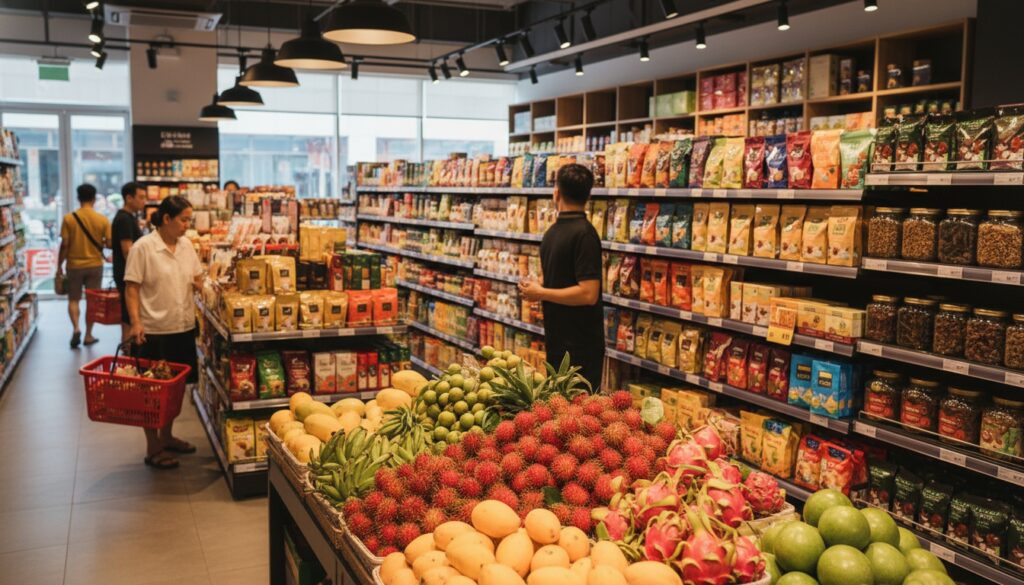
Souvenirs to buy in Ho Chi Minh City
The stars of souvenirs are ingredients with a clear origin and handcrafted goods. We've tabled a guide to where to buy by item (go to individual pages from the item names).
| Item | Genre | Where to buy (guide) |
|---|---|---|
| Vietnamese coffee beans | Food | Supermarkets and specialty shops. As a set with a phin (extraction tool) |
| Vietnamese chocolate | Food | Marou stores, department stores, airport |
| Cashew nuts | Food | Markets and supermarkets. Large volumes good for buying in bulk |
| Vietnamese pepper | Food | Markets and supermarkets. Light and easy to hand out |
| Nuoc mam (fish sauce) | Food | Supermarkets. Bottles recommended for checked luggage |
| Lacquerware | Goods | Specialty shops on Dong Khoi Street emphasize quality |
| Embroidery | Goods | Specialty shops and galleries. Some shops let you watch demonstrations |
| Basket bags | Goods | Markets and goods shops. A staple souvenir for everyday use |
As for where to buy: specialty shops on Dong Khoi Street emphasize quality, Ben Thanh Market and Saigon Square are tourist-oriented and good for buying in bulk, and airport duty-free shops are useful for last-minute adjustments.
Ho Chi Minh City's latest topics
Recent topics related to Ho Chi Minh City are covered in detail in their own separate articles.
- digital entry declaration (QR presentation)
- the new Long Thanh airport
- an indoor beach café with sand spread on the floor,
- a café with seats sunk into a pond where carp swim,
- Cà Phê Đỗ Phủ
- Thao Dien
Best season, budget, and trip preparation
The best season is the dry season, November to April, when humidity drops and city walking is easy. For the rainy season (May–October), an umbrella against squalls is reassuring. As a daily-budget guide, with local-centered eating, food is 500–1,500 yen, and a mid-range hotel 3,000–10,000 yen. There's basically no tipping culture, but handing a hotel porter about 20,000 dong is the smart move. For exchange, gold shops (currency exchangers attached to jewelers) have good rates, and cash is basic at street stalls and markets. For communication, prepare an eSIM or local SIM, and have Grab and a map app installed in advance so you can move from day one.
Points to note
Because there are snatch-and-grab thefts from motorbikes, avoid operating your phone while walking. When crossing the road, the trick is to keep a steady pace and move slowly without stopping the flow. Limit taxis to Grab or official metered cars (Mai Linh, Vinasun), and at markets, confirm the price first before buying. On rainy-season (May–October) evenings, some streets see flooding, congestion, and surging Grab fares, so allow extra time for travel.
Ho Chi Minh City hotels and where to stay
Ho Chi Minh City changes character block by block, from the grand hotels of Dong Khoi to the Japanese quarter of Le Thanh Ton and Thao Dien in District 2. Where you stay changes the feel of the trip.Ho Chi Minh City hotel guideFrom luxury to dormitories, we cover the best places to stay by area, with a quick-reference table and individual notes alongside their actual Google Maps ratings.
Ho Chi Minh City on the map