Buon Ma Thuot is the central city of Dak Lak Province in Vietnam’s Central Highlands, and the country’s foremost coffee-production area. Calling itself “the capital of Vietnamese coffee,” the city is home to a coffee museum and spreading Robusta plantations. It’s a highland town where you can enjoy waterfalls, ethnic-minority villages, and coffee culture all at once. This page rounds up the big picture of the city, how to get around, classic spots, model courses, food, souvenirs, and the latest topics, and guides you to individual articles on cafés, news, and souvenirs.
| Location | Dak Lak Province, Central Highlands |
|---|---|
| Characteristics | One of the world’s largest Robusta production areas |
| Best season | November–April |
| Suggested days | 2 days |
| Language | Vietnamese (English also understood in tourist areas) |
| Currency | Vietnamese dong (VND) |
| Time difference from Japan | -2 hours |
What kind of city is Buon Ma Thuot?
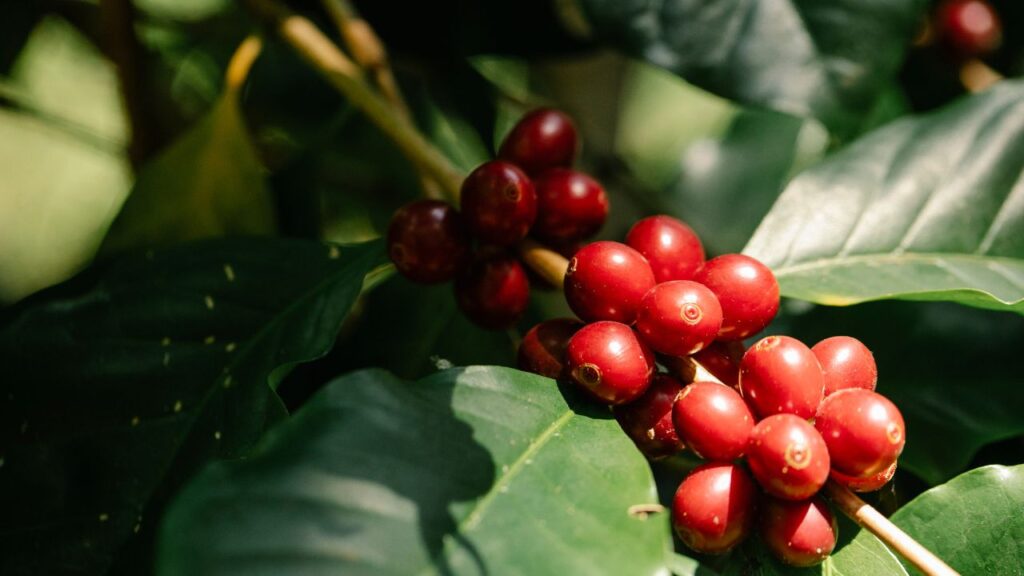
バンメートートはダクラク省の省都で、人口約43万人(2023年推計)の中部高原の中核都市。ベトナム最大のロブスタ種コーヒー産地として有名で、ベトナム全体のコーヒー生産の30%以上を占めるコーヒーの首都。エデ族・ムノン族・ジャライ族など50以上の少数民族が暮らす多民族エリアでもあり、ロングハウス・銅製ゴング音楽など独自の伝統文化が残ります。 バンメートートはベトナム全体のコーヒー生産量の約30%を担い、ロブスタ種の産地としては世界最大級。市内・郊外には大規模なコーヒー農園が広がり、収穫期の11〜12月には赤く色づいたコーヒーチェリーが地平線まで続きます。Trung Nguyen Legend経営の「世界コーヒー博物館」は、世界各国のコーヒー文化・抽出器具・ベトナムコーヒーの歴史を体系的に学べる体験型施設で、コーヒー好きには必訪。郊外にはエデ族・ムノン族・ジャライ族など50以上の少数民族が伝統的なロングハウスで暮らす村々が点在し、独自の文化体験ができます。
Getting to Buon Ma Thuot and getting around
One hour by domestic flight from Ho Chi Minh City (Buon Ma Thuot Airport). 20 minutes by taxi from the airport to the city. There’s also a route of 7–8 hours by bus from Ho Chi Minh City. 4 hours by car from Da Lat.
In the city, touring the coffee museum and cafés is the focus. In the outskirts, waterfall groups such as the Dray Sap Falls and Ede and Mnong villages are dotted around, and it’s common to charter a car and tour them on a day trip.
Classic sightseeing spots in Buon Ma Thuot
We've summed up the representative spots in a quick-reference table. Use it as a guide when planning your route.
| Spot | Notes |
|---|---|
| World Coffee Museum | Operated by Trung Nguyen Legend |
| Dray Nur Falls and Dray Sap Falls | Great falls of the Serepok River |
| Ko Tuan village (an Ede village) | Ede longhouses |
| Yok Don National Park | An ethical forest walk with elephants |
| Lak Lake | A highland lake and the Mnong people |
| Ako Dhong village | An Ede settlement where tradition remains |
World Coffee Museum
An experiential museum by Trung Nguyen Legend, Vietnam’s largest coffee company, where the undulating curved architecture itself is a highlight. It introduces roasting tools from around the world, extraction cultures by ethnic group, and the history of cultivation unique to Dak Lak, a Robusta production area, in an exhibition layout you tour with all five senses. Because you can reframe coffee not just as something to “drink” but as culture, visiting first as the entry point to Buon Ma Thuot deepens your understanding of the whole city. It’s close by taxi from the city center, and being able to savor a local cup at the in-house café is practical too. Early in the morning there are fewer people, and you can also take photos calmly.
Dray Nur Falls and Dray Sap Falls
Great falls representative of the Central Highlands over the Serepok River; Dray Nur Falls is about 27 km southwest of the city, connected by a bridge to the adjacent Dray Sap Falls, so you can tour the area on foot. From the end of the dry season into early summer, the water volume and the way rainbows form are beautiful, and highlights include a spot where you can enter a rock cavern behind the falls and legends of ethnic minorities that remain. From the city it’s about 45 minutes by motorbike through the coffee plantations, and it’s also accessible by bus or taxi, with an admission fee and a parking fee. The best time is February–May when the water volume is stable, and you’ll want to prepare easy-to-walk shoes for the slippery walkways.
Ko Tuan village (an Ede village)
A settlement where the indigenous Ede people live, where you can touch the stilt-style, long and narrow longhouses and the way of life of a matrilineal society. Weaving, traditional instruments, and a living culture tied to coffee cultivation remain, and walking with a guide’s explanation reveals the meaning of the architecture and customs. It’s easy to reach by car from the city, and you can tour it in half a day. Since its charm is a simplicity not overly touristified, it’s good manners to confirm with a word whether photography is allowed in scenes where you enter residents’ living spaces.
Yok Don National Park
A national park of dry forest boasting one of Vietnam’s largest areas, bordering Cambodia, where the ecosystem of jungle and the Serepok River spreads out. It has shifted away from elephant-riding tourism to an ethical tour where you walk the forest while observing protected elephants from afar, and a major feature is being able to view them while respecting the elephants’ natural way of life. A full-scale trek assumes a guide accompanies you, and you tour it over half a day to a full day. The best time is morning and evening when the flora and fauna are active, and preparing insect repellent and long sleeves is helpful.
Lak Lake
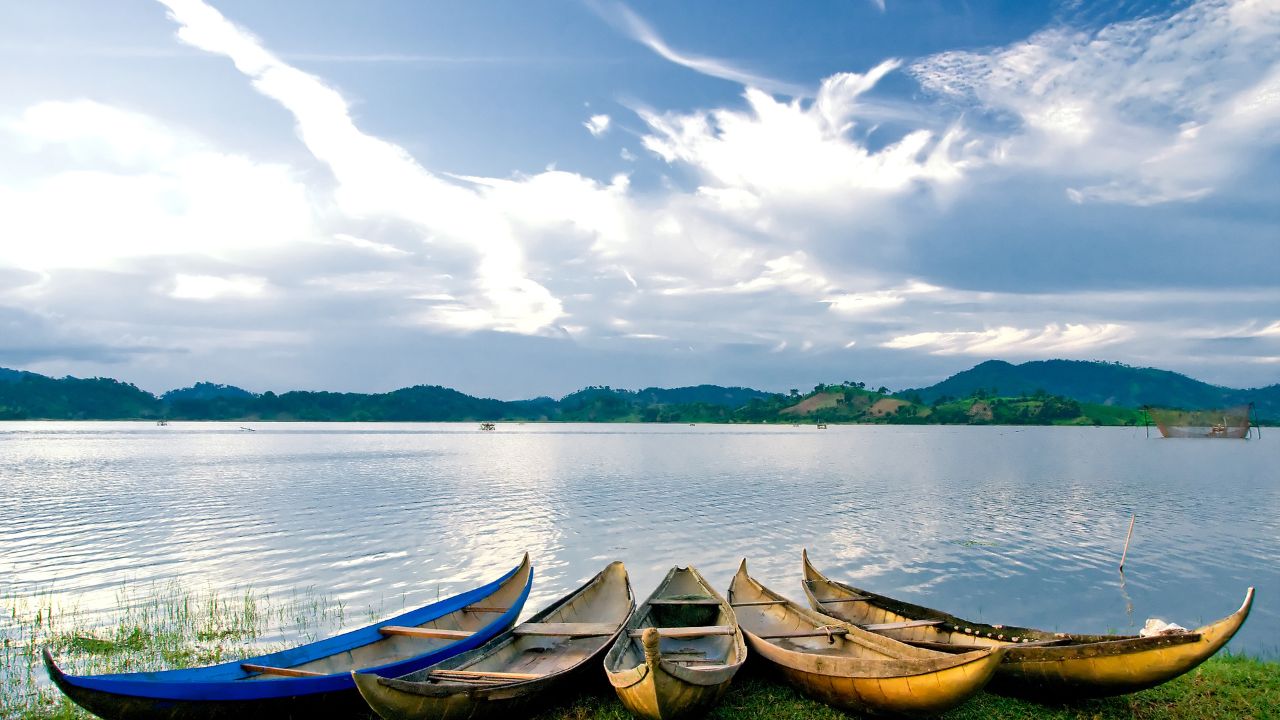
One of the largest freshwater lakes in the Central Highlands, where the Mnong people live in the lakeside Jun village, and a landscape woven by the water surface, the mountain ranges, and the surrounding coffee plantations spreads out. Mist hangs in the early morning, and you can spend a relaxed highland time on a boat or strolling the lakeside. It’s about an hour by car from the city, and staying at a lakeside homestay lets you enjoy the morning and evening expressions too. Since interaction with elephants is being reconsidered from an animal-welfare standpoint, you’ll want to choose an observation-type program mindful of conservation.
Ako Dhong village
An old Ede settlement in the city’s outskirts, where the old-style longhouses, stone-mortar wells, and gong culture are still alive today. With tourism development kept modest, the daily life of the farm village and the scenery of coffee cultivation remain as they are, letting you touch a highland face different from the city center. Since you can get there in a short time from the city, it’s easy to tour in half a day together with a museum visit. In the evening, people return from the fields, and you can see the lived-in expression of the settlement.
Sample courses for Buon Ma Thuot
Day 1: In the morning, learn about Dak Lak’s coffee culture at the World Coffee Museum and experience a Robusta cup at a city café. After savoring a specialty noodle such as bun do Buon Ma Thuot for lunch, in the afternoon touch the Ede longhouses and ethnic-minority culture at Ko Tuan village or Ako Dhong village. In the evening, gather around ga nuong and com lam at a city eatery and savor the local flavors from day one.
Day 2: Set out from the city early in the morning, pass through the coffee plantations, and enjoy to the full the great falls of the Serepok River and the scenery behind the falls at Dray Nur Falls and Dray Sap Falls. In the afternoon, move to Lak Lake and enjoy the highland-lake scenery while walking through the lakeside Mnong village. If time allows, join an ethical tour observing protected elephants at Yok Don National Park, and return to Buon Ma Thuot in the evening.
Food and specialties of Buon Ma Thuot
Here’s a table of local flavors to try in Buon Ma Thuot.
| Dish | Characteristics |
|---|---|
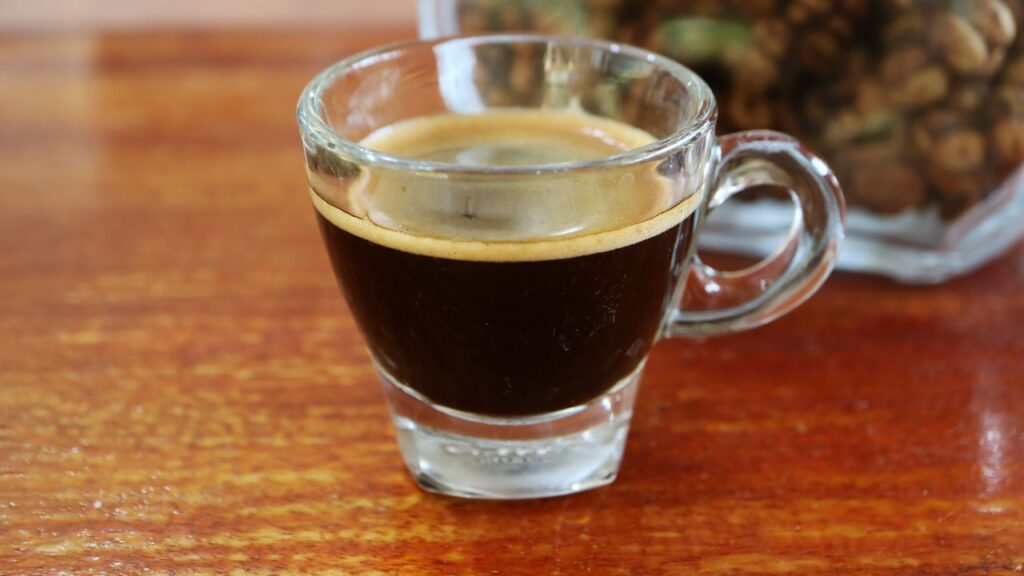
| Robusta coffee | Dak Lak Province is Vietnam’s foremost Robusta production area, where a rich cup with strong bitterness and body is drunk daily. The standard is ca phe sua with condensed milk added, or a local style chilled crisp with ice. At plantation-attached cafés, you can savor it while touching the flow from harvest to roasting. |
| Com lam (bamboo-tube rice) | A local food of the Central Highlands in which glutinous rice is packed into a bamboo tube and grilled over fire, characterized by a simple flavor faintly infused with the scent of bamboo. It’s often eaten together with grilled meat or salted sesame, a dish born from ethnic minorities’ mountain life. You can easily savor it at stalls and local restaurants. |
| Ga nuong (grilled chicken) | A dish in which free-range local chicken is seasoned with herbs, honey, and the like and grilled to a nice brown over charcoal. You can enjoy the firm chicken’s umami and fragrance, and it pairs well with com lam and glutinous rice. It’s beloved as a standard main at local eateries. |
| Bun do Buon Ma Thuot | A soup noodle unique to this region, given depth by a broth of freshwater snails. With a good balance of sourness and umami, it’s eaten refreshingly together with plenty of herbs. It’s popular locally as breakfast or a light lunch. |
| Banh uot thit nuong | A specialty of the Central Highlands in which charcoal-grilled pork and herbs are wrapped in steamed rice crepes and eaten with a dipping sauce. The soft dough, the fragrant meat, and the freshness of the herbs come together as one. It’s a light meal you can casually savor at stalls and specialty shops. |
| Avocado (bo) | Blessed with a highland climate, Dak Lak is a famous avocado production area, where rich, sweet fruit grow. Sinh to bo (avocado smoothie) made with ice and condensed milk is a dessert-like cup beloved locally. You can enjoy seasonal fruit at reasonable prices at markets and cafés. |
Souvenirs to buy in Buon Ma Thuot
We've summed up distinctly Vietnamese souvenirs by item (item names link to individual pages).
| Item | Genre | Notes |
|---|---|---|
| Vietnamese coffee beans | Food | The home of Robusta. You can get local products at direct farm sales and OCOP shops |
| Cashew nuts | Food | Available at markets, supermarkets, and the airport |
| Vietnamese pepper | Food | Available at markets, supermarkets, and the airport |
| Vietnamese chocolate | Food | Available at markets, supermarkets, and the airport |
| Nuoc mam (fish sauce) | Food | Available at markets, supermarkets, and the airport |
The latest topics in Buon Ma Thuot
バンメートートに関わる最近の話題は、それぞれ個別の記事で詳しく取り上げています。
Best season, budget, and trip preparation
The best season is the dry season, November to April. The climate is cool and easy for sightseeing. The rainy season, May to October, has heavy rainfall. The coffee harvest is November–December, the best timing for a plantation visit.
予算1日5,000〜10,000円。コーヒー農園見学・カッピング体験ツアーは1人3,000〜6,000円。コーヒー博物館は入場料約500円、所要時間2〜3時間。ヨックドン国立公園(ジャングル&ゾウ保護区)への日帰りツアーも人気。雨季(5〜10月)は道路が悪化するため、ジャングル・滝目的の観光は乾季(11〜4月)が無難。ホーチミンから国内線1時間、バスで7〜8時間。コーヒー好きならダラットと組み合わせた高原コーヒー巡りが王道。
Points to note
Because it’s highland, mornings and evenings are chilly, and roads get muddy in the rainy season. Since public transport is scarce for the suburban waterfalls and villages, chartering a car or motorbike is realistic. The coffee plantations’ harvest season (around November–January) is especially lively.
Buon Ma Thuot on the map