If you want to see many of Vietnam's new-generation brands at once, visiting a "select shop" in an alley or a complex is a shortcut over famous malls. Small brands without their own flagship stores share the shelves of a single shop—and this "locals supporting locals" place sits at the very center of what drives Vietnamese apparel today.
This article pulls together why select shops matter so much—how they work, the key spots in Hanoi and Ho Chi Minh City, and how to explore them as a traveler.
Why the "select shop" is the heart of Vietnamese apparel
The reason is that many new-generation brands don't have their own storefronts. Their sales are completed through a combination of posting on Instagram and TikTok, the Shopee shopping mall, and the city's select shops. This nimbleness—being able to start without holding large inventory or company-owned stores—has encouraged individual designers to enter the field.
As the flip side of that, select shops take on the role of being "a place to see, touch, and try on the real thing." Because ten or twenty brands gather in a single store, customers can compare efficiently, and unknown brands gain exposure while sharing the rent. Rather than relying on big players, small makers share space and support one another—this structure is what's widening the base of the whole scene.
It also carries significant meaning in terms of capital. Setting up a single storefront requires rent, interior fit-out, and staff. If that burden is shared among ten or twenty brands lined up together, even an individual can put their own clothes on the shelves of a physical store. The select shop is the stepping stone that lets a brand born online take its next step and "go out into the streets."
The mechanism—small brands share shelf space "one to three styles at a time"
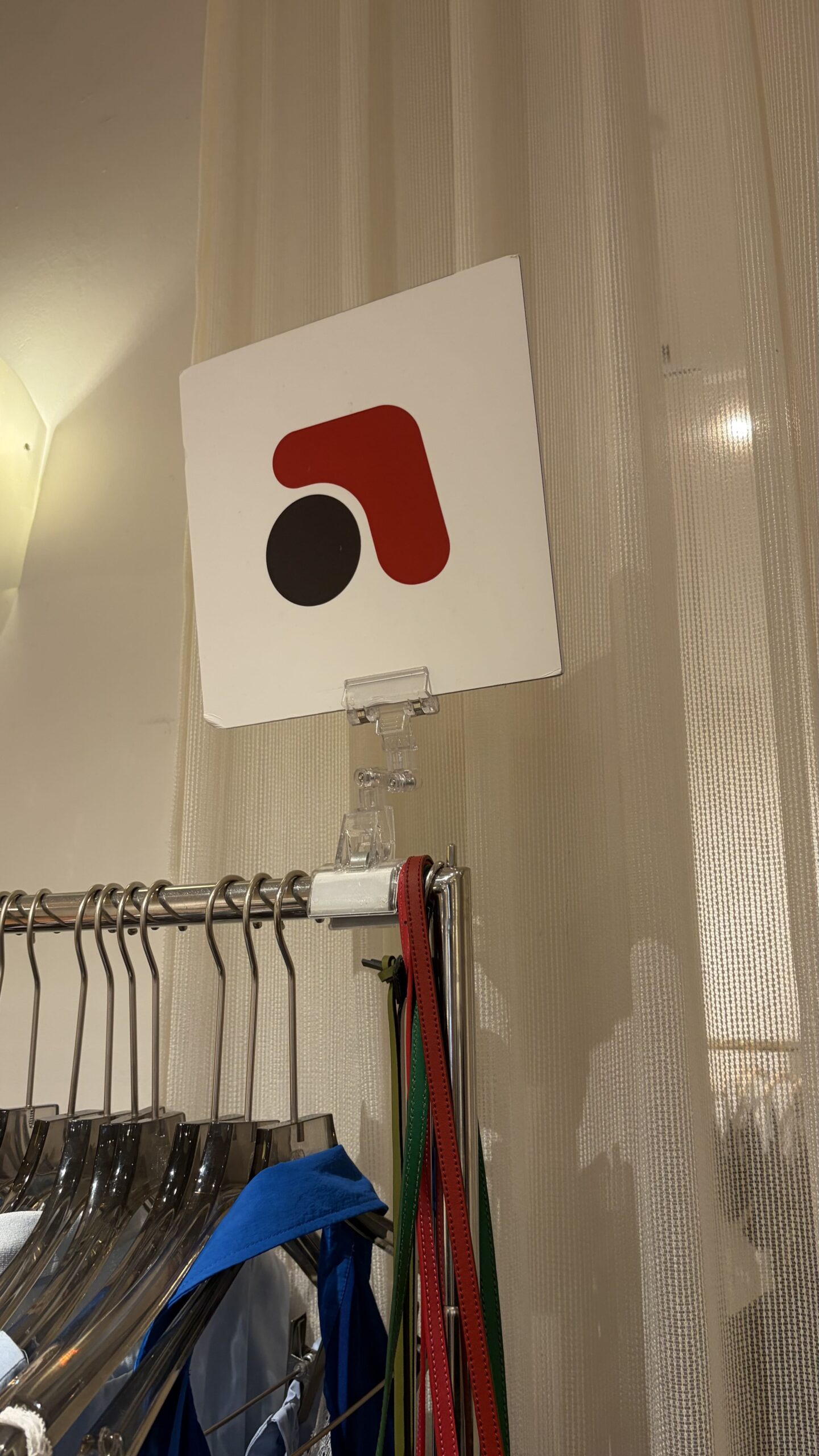
Many of Vietnam's select shops divide their displays by brand, using small sections, shelves, or standing name cards. It's not unusual for a single brand to put out just one to three styles. Customers wander from shelf to shelf, searching a name that catches their eye on their phone right there, and checking stock and sizes on Instagram or the shop's page.
In short, it is a two-tier setup: the storefront is the "real-life showroom," while purchases and restocks happen online. The store gives small brands a place for exposure and fitting, and the brands bring the store a fresh lineup and foot traffic. This give-and-take is the substance of the "locals supporting locals" I wrote about at the start.
Another defining feature is the abundance of limited-time "drops" and collaborations. Limited-quantity stock and joint projects between shops and brands generate buzz on social media, and "going to that shop itself" becomes connected to a sense of belonging to a community. Beyond just buying clothes, joining a circle that supports local makers—this strong flavor of experience is also very much like a Vietnamese select shop.
Major spots in Hanoi and Ho Chi Minh City
Here are some representative select shops and concept stores. (Addresses and resident brands are based on public information at the time of reporting. Scale and lineup change, so before visiting, check each store's Instagram for the latest.)
| Shop name | City / area | Type | Examples of resident brands and scale |
|---|---|---|---|
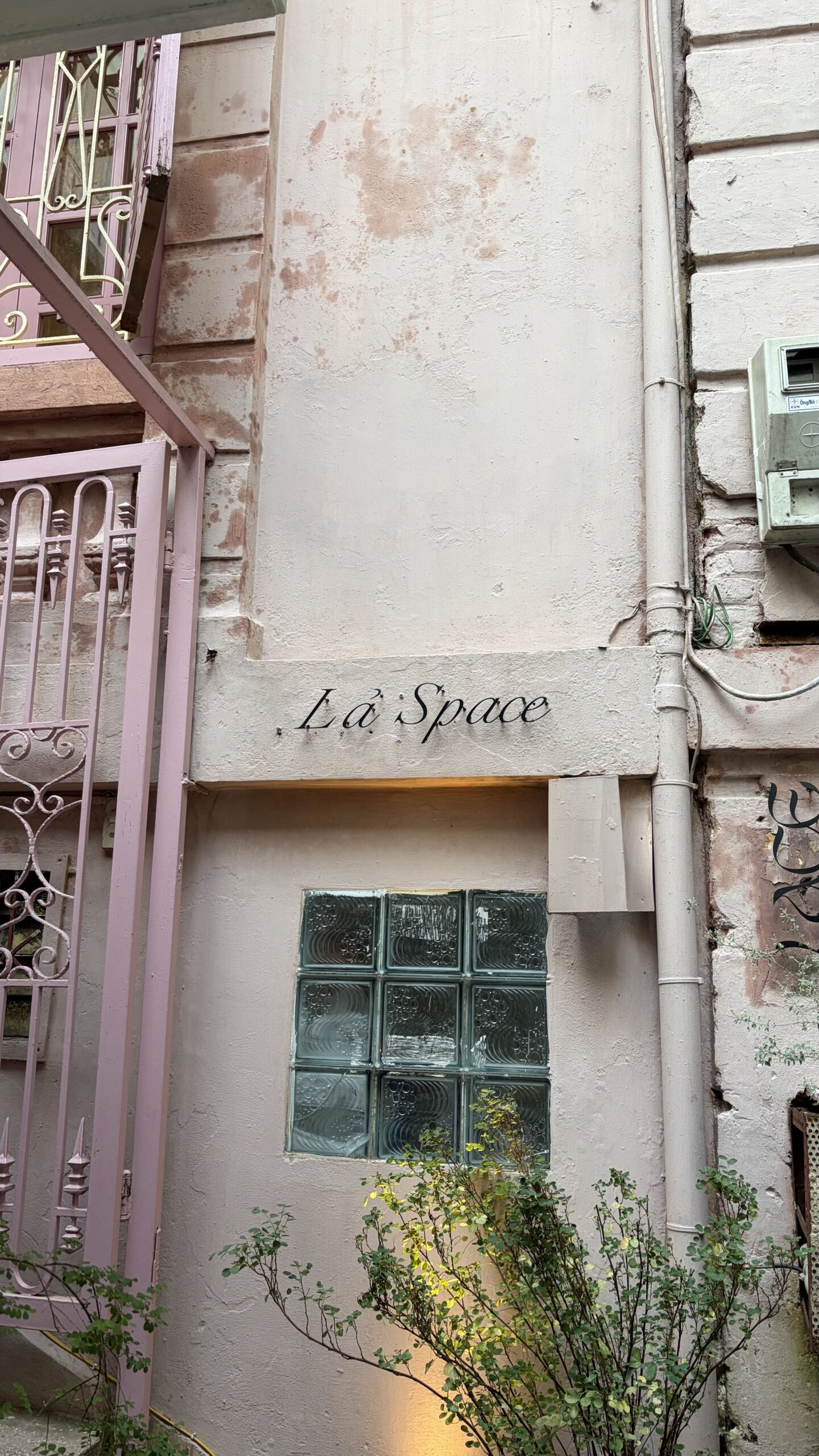
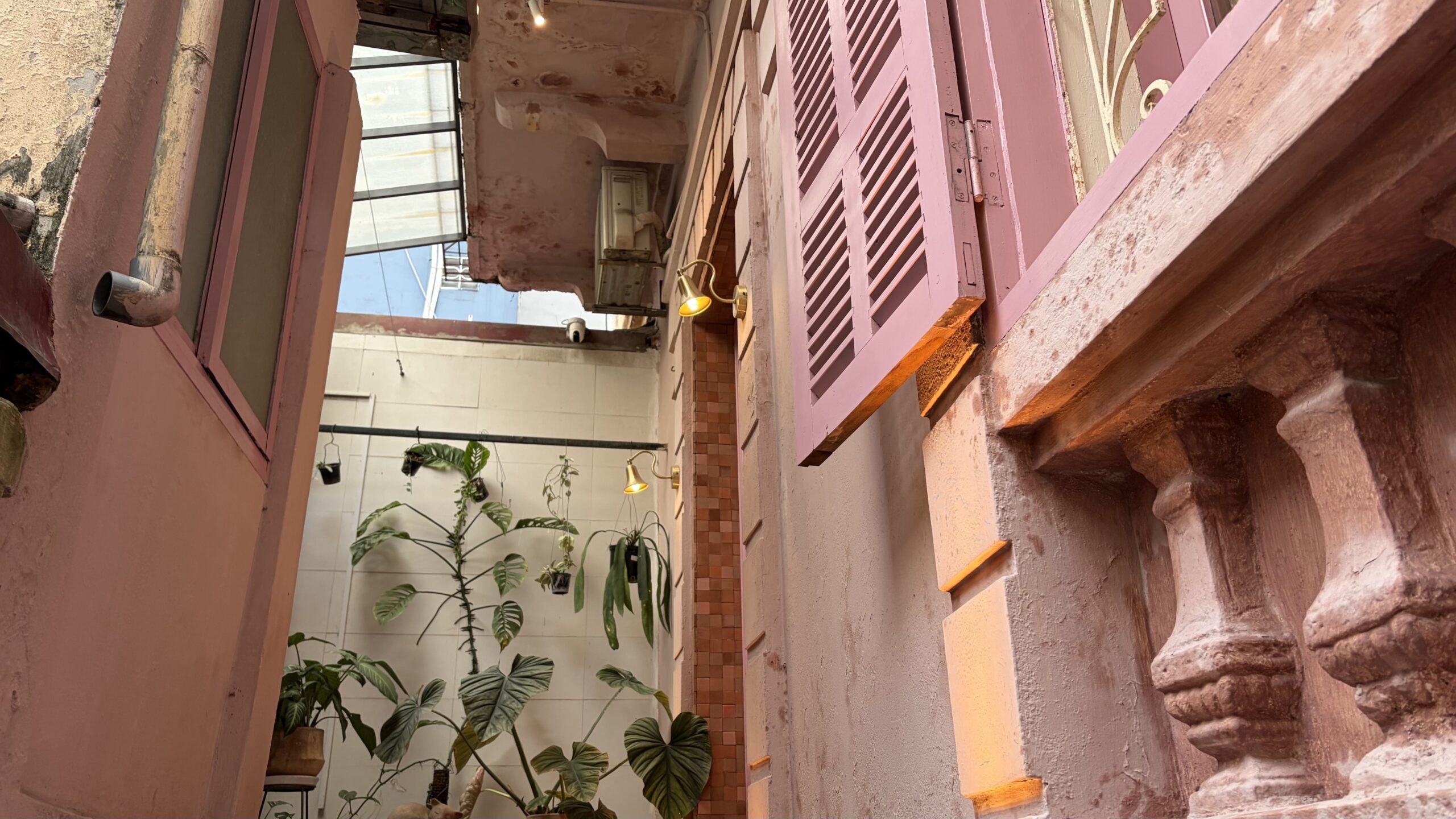
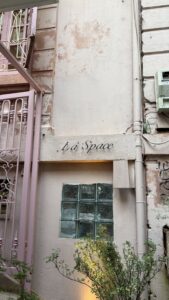
| Lả Space | Hanoi (Ba Đình District, 6 Ngõ 52 Hàng Bún) | Women's-oriented, leaning handmade | orié baie / Label of Lace / RedA and others |
| The Raw Compound | Hanoi (Đống Đa District, 180 Đê La Thành) | A two-floor complex (1F = street / 2F = collective) | About 30 local brands. Roughly 95% of residents are from Ho Chi Minh City. |
| Rue Miche | Ho Chi Minh City (District 1, Đồng Khởi and others) | Comprehensive-type select | Over 60–70 brands. Beuter / Môi Điên and others. |
| The New Playground | Ho Chi Minh City (District 1, Lý Tự Trọng / Vincom Đồng Khởi B1-B2) | Street collective | About 70 brands. Dirty Coins / Degrey and others. |
| 11 Garmentory | Ho Chi Minh City (Phú Nhuận District, 117B Nguyễn Đình Chính) | A multi-floor complex store (with an attached café) | Minimal to street, on the scale of about 50 brands |
What’s worth noting is that these large-scale concept stores have opened one after another in 2024–2025. Ho Chi Minh City’s Rue Miche opened in 2024, and Hanoi’s The Raw Compound in 2025. As a landing spot for brands that grew up online, demand for ”a place to show it all together” has suddenly swelled.
It's also worth noting the differences in type. Lả Space leans toward womenswear and handmade pieces, The New Playground and The Raw Compound put street style front and center, and Rue Miche and 11 Garmentory cover a broad range of both men's and women's wear. Choosing your destination by the style you're after lets you make an efficient round.
Also, in Hanoi's Old Quarter,TiredCitythere are also “artist-collaboration” shops that, rather than being a collection of multiple brands, create their own brand through collaboration with Vietnamese artists. The character differs from a select shop, but the idea of ”supporting local creativity” is continuous with it.
Hanoi and Ho Chi Minh City: the character of each city
Even within the same select-shop culture, the two cities have different tones. In Hanoi, small stores leaning toward womenswear and handmade pieces, like Lả Space, coexist with new hybrid concept stores like The Raw Compound. Quiet, meticulous makers' stores dotted along the alleys of the Old Quarter is what feels distinctly Hanoi.
Ho Chi Minh City is larger and more street. The New Playground and Rue Miche gather dozens of brands at once, with streetwear and unisex front and center. Many homegrown street brands originate in Ho Chi Minh City, and many Ho Chi Minh City–born brands also enter Hanoi's complex stores—you can see a flow of "the south makes it, the whole country spreads it."
In Ho Chi Minh City, there are places where not just shops but the ”streets” themselves have become concentrations of brands. Nguyễn Trải Street is called a “fashion street” by young people, lined with street-level stores of stylish local brands. Trần Quang Diệu Street in District 3 also gathers cute, Korean-style shops. On a different ”plane” from select shops you enter one at a time, being able to dig up brands while strolling the streets is part of the fun of Ho Chi Minh City.
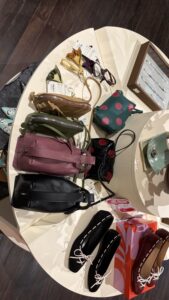
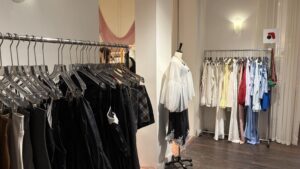
Looking at Lả Space's shelves, what struck me was how surprisingly few pieces each brand puts out. Two or three dress styles, a few pieces of lingerie—that alone completes one section. Rather than the idea of lining up huge quantities to sell through, they place only a carefully chosen few styles, like hanging a single signboard that says "this maker's world looks like this." That's exactly why more than ten brands can fit in one room, and customers can cross several small worlds just by wandering from shelf to shelf. Not a shop that makes you buy a lot, but a shop that makes you encounter a lot—that, I came to understand by walking through it, is the comfort of a Vietnamese select shop.
How to explore select shops as a traveler
This culture is especially well-suited to travelers. Even on a short stay, just stepping into one select shop lets you see a dozen-plus brands all at once. Here are some tips for how to navigate.
- Choose a shop by its style lineage: for women's / handmade, Lả Space; for street, The New Playground / The Raw Compound; for a broad look, Rue Miche / 11 Garmentory
- Using the name cards as your guide: For a brand on a shelf that catches your eye, search the name on Instagram or TikTok right there. You can check stock, sizes, and price range
- It's OK if you can't buy on the spot: many brands handle overseas shipping via Shopee or DM. Follow them and you can buy even after returning home.
- Check Instagram before you visit: Opening hours, resident brands, and pop-ups change easily, so check each store's latest posts
If you want to know in more detail, brand by brand, what's happening in a local room, we've also prepared a report centered on Lả Space in Hanoi.
Frequently asked questions
- Where can I see Vietnamese local brands in the flesh?
-
A select shop / concept store that gathers several brands is the shortcut. In Hanoi, Lả Space and The Raw Compound; in Ho Chi Minh City, Rue Miche, The New Playground, and 11 Garmentory let you compare ten to several dozen brands at once.
- Can I negotiate prices or try things on at select shops?
-
Selling at list price is the norm, and there isn't a strong haggling culture. Most shops let you try things on, but there are also many small offerings of just one to three styles per brand, and size gaps happen easily, so if something catches your eye it's safest to check early. QR-code payment is widespread, but at small shops cash is sometimes the surer bet.
- Are there differences between Hanoi and Ho Chi Minh City?
-
In Hanoi, small women's-oriented, handmade-leaning shops coexist with newer mixed-use stores, and careful makers are scattered through the alleys of the Old Quarter. Ho Chi Minh City is bigger and more street-flavored, with large concept stores gathering dozens of brands standing out.
- Can I buy an item later if I couldn't buy it on the spot?
-
Many brands sell via Shopee or Instagram direct messages, and some ship internationally. If you like something in a shop, following the account lets you stay connected even after you return home.
Related reading
- Vietnam Apparel Frontline | The New-Generation Brands You Meet at Hanoi Select Shops
- Why is Vietnamese fashion so interesting right now? | Reading the new-generation brand trend through the numbers and the ground
- Why does Vietnam's Gen Z choose "homegrown brands"? | The buying habits and values of the social-media generation