Da Lat is a town of flowers and cool retreats spread across the Central Highlands of Vietnam at an elevation of about 1,500 m. Cool year-round, it's dotted with villa architecture from the French colonial period, lakes, flower fields, and waterfalls. With many Instagrammable cafés and strawberry farms, it's gaining popularity as a highland resort. This page brings together everything from an overview of the town to how to get around, classic spots, model courses, food, souvenirs, and the latest topics, guiding you to individual articles on cafés, news, and souvenirs.
| Location | Lam Dong Province, Central Highlands |
|---|---|
| Elevation | About 1,500 m |
| Best season | December–March |
| Suggested days | 2 days |
| Language | Vietnamese (English also understood in tourist areas) |
| Currency | Vietnamese dong (VND) |
| Time difference from Japan | -2 hours |
What kind of town is Da Lat
Da Lat is the provincial capital of Lam Dong Province, a highland city located at an elevation of about 1,500 m. With an average annual temperature of 18–22°C, it's cool year-round and has been called the "Paris of the East" as a summer retreat since the French colonial era. Known as Vietnam's largest Arabica coffee-growing region, distinctive coffee roasteries are scattered throughout the city and its outskirts. Rich in original tourist assets like the Crazy House and Tuyen Lam Lake, it is also the No. 1 honeymoon destination for Vietnamese people. Da Lat's townscape is dotted with mountain-villa architecture from the French colonial era—Europe's summer retreats themselves. Centered on Tuyen Lam Lake, the Han Market, Da Lat Station (a preserved station building of French architecture), and a romantic atmosphere where French and Vietnamese cultures intersect are the town's appeal. The outskirts spread with large-scale flower farms exceeding 1,500 hectares, coffee plantations, and greenhouse strawberry farms—Vietnam's largest highland agricultural zone. On weekends it bustles with honeymooners and couples from Ho Chi Minh City, and the lakeside horse-drawn carriages and swan boats are an iconic tourist experience.
Access to Da Lat and getting around
【重要】ダラットの空港は現在、改修工事のため閉鎖されています。リエンクオン空港(Liên Khương/DLI)は2026年3月4日から全便が停止しており、再開は2026年8月19日の予定です(規制当局の承認が前提のため、変更の可能性があります)。滑走路の全面改修で、総工費は1兆320億ドン。完成後の滑走路は3,250m×45mになります。
つまりいまダラットへ行くなら、陸路が前提です。渡航前に必ず航空会社の公式サイトで運航状況を確認してください。
空港が再開したら(2026年8月19日以降の予定)
再開後は、ベトジェットが5路線・週49往復(ハノイ28/ホーチミン7/ヴィン7/ハイフォン4/ダナン3)、ベトナム航空が3路線・週42往復(ハノイ/ホーチミン/ダナン)を運航する計画が報じられています。合計で週91往復。国際線はクアラルンプール便のみで、日本からの直行便はありません。
| 空港の位置 | ダラット市街の南約30km(標高962m) |
|---|---|
| 空港→市内 シャトルバス | 5万ドン前後/約1時間。ダラット市場前やバスターミナルが終点 |
| 空港→市内 タクシー | 25万〜30万ドン/約40分(+空港出場料1万〜1万5,000ドン) |
陸路で行く——現在の現実的なルート
| Departure point | Means | Duration | Fare guide |
|---|---|---|---|
| Ho Chi Minh City | 寝台バス(約300km) | 6〜9時間 | 25万〜50万ドン。夜行は20:00〜23:00発が中心 |
| Nha Trang | バス・シェアバン(135〜158km) | 3 to 4 hours | 18万〜60万ドン。リムジンで23万ドン前後 |
| Cam Ranh Airport (CXR) | 車・バン | 3 to 4 hours | 空港閉鎖中の代替ルートとして有力 |
主なバス会社はPhương Trang(Futa)、An Anh Limousine、Diễn Linh、Kumho Samco など。ダラットには鉄道の本線が通っていません(市内のダラット駅は観光用の短い路線のみ)。最寄りの本線駅はニャチャン駅で、そこから約134kmを陸路で移動します。
なおホーチミン〜ダラットを結ぶ高速道路が建設中です。タンフー〜バオロック間(66km)は2025年12月に着工し、完成予定は2027年末。全線が開通すれば6時間超が約3時間に短縮される見込みですが、2026年8月現在はまだ開通していません。
街なかの移動
ダラットの中心部——ホアビン地区、スアンフーン湖、夜市の周辺——は徒歩で回れます。ただしダラットは高原の街で坂がとても多いので、歩きやすい靴で行ってください。滝、寺、茶畑、ランビアン山などは市街から離れているため、車かバイクが必要です。
| Grab(バイク) | 初乗り2kmまで1kmあたり1万2,000ドン+以降4,000ドン。23時〜6時は割増 |
|---|---|
| Grab(車・4人乗り) | 初乗り2kmまで2万5,000ドン+以降1kmあたり1万1,500ドン |
| バイクレンタル | 1日8万〜15万ドン。ただし日本の国際免許は無効なので運転は避ける |
| タクシー | Mai Linh、Lado、Thắng Lợi など |
※ ベトナムはウィーン条約の加盟国で、日本発行の国際運転免許証(ジュネーブ条約)は通用しません。レンタルバイクの運転は無免許扱いになるためおすすめしません。Grabやタクシーを利用してください。
Da Lat's classic sightseeing spots
We've summed up the representative spots in a quick-reference table. Use it as a guide when planning your route.
| Spot | Notes |
|---|---|
| Crazy House (Hang Nga Guesthouse) | Fairy-tale organic architecture |
| Xuan Huong Lake | A man-made lake in the center |
| Linh Phuoc Pagoda | A vividly colored temple of glass and ceramic shards |
| Datanla Falls | Waterfalls you descend by coaster |
| Prenn Falls | A wide waterfall on the outskirts |
| Flower fields (such as Mai Anh Flower Garden) | Large-scale highland flower gardens |
| Da Lat Old Station | A retro preserved station building |
Crazy House (Hang Nga Guesthouse)
An organic building begun in 1990 by architect Dang Viet Nga, with almost no right angles. Passageways and stairs shaped like tree trunks, caves, mushrooms, and spiderwebs intertwine intricately, and from the rooftop terrace and suspension bridges you can survey the pine forest and Da Lat's townscape. Built on the theme of coexistence with nature, walking through its maze-like interior is itself a highlight. It's about 5–10 minutes by car from the center; to avoid crowds, the morning right after opening is the easiest time to move around.
Xuan Huong Lake
A crescent-shaped man-made lake in the center of the city, with a lakeside promenade that's a standard course for walking and jogging. Riding a duck-shaped swan boat, you can view the pine forest and townscape from the water. Going around the lake is several kilometers and takes time to walk, so it's recommended to narrow down your aim and enjoy it. Early morning with mist and dusk when the sky takes on color are the photogenic times.
Linh Phuoc Pagoda
A temple begun in 1949 and completed in 1953, with walls, pillars, and balustrades covered in fragments of ceramics and glass bottles—also nicknamed the "Bottle Temple." The biggest highlight is a 49-meter-long giant dragon sculpture made using discarded beer bottles and the like, whose intricacy is overwhelming. Several impressive structures, such as a tall bell tower and a giant Buddha statue, are dotted around the grounds. It's about 15–20 minutes by car east of the center, and since the grounds are large, visiting in walkable shoes is reassuring.
Datanla Falls
A seven-tiered waterfall embraced by pine forest along the Prenn Pass, about 5 kilometers from the center. The biggest appeal is the alpine coaster, whose speed you can control yourself, gliding down about 1 kilometer of rails through the forest toward the falls. You can also descend the stairs on foot to see the falls up close. The coaster is very popular, so to avoid wait times, the early morning is the easiest time to move around.
Prenn Falls
A wide waterfall on the south side of the city, a few kilometers from Datanla Falls, with a promenade that lets you walk around behind the falls to view them. The surroundings are maintained as a park, where you can stroll leisurely amid the greenery. Since it's near Datanla Falls, combining the two as a waterfall tour is efficient. In the rainy season the water volume increases and the power grows, so its character changes with the seasons.
Flower fields (such as Mai Anh Flower Garden)
Taking advantage of the cool highland climate, Da Lat is dotted with large-scale flower gardens gathering roses, hydrangeas, and more, where you can enjoy a variety of flowers at once across spacious grounds including greenhouses. The colorful flower fields are popular as photo spots. Since they're large, checking the garden map before walking makes it easier to get around. The best viewing times differ by variety, so looking up peak-bloom information before your visit will boost your satisfaction.
Da Lat Old Station
Characterized by an Art Deco triangular roof, it's one of Vietnam's oldest railway stations, and the retro station building itself is a photo spot. Within the grounds are preserved old-type rail cars, and a short tourist train runs toward nearby Trai Mat. It's close to the center, easy to drop by between town walks. The train operating hours are limited, so if you're thinking of riding, checking the times in advance is reassuring.
Da Lat model courses
ダラットの見どころは4つのまとまりに分かれています。ここを押さえると、無駄な移動が減ります。
- 中心部:スアンフーン湖・花園・夜市・ラムヴィエン広場・クレイジーハウス(半日)
- 北東:ダラット駅→観光列車でチャイマット→リンフオック寺(往復2〜2.5時間で完結)
- 南西:ダタンラ滝→ロビン丘ケーブルカー→竹林禅院→トゥエンラム湖(半日で一筆書き)
- 遠隔:ランビアン山(北)とカウダット茶畑(南東23〜25km)は市内を挟んで正反対。同じ日に両方は現実的でない
1日で回るなら
朝はダラット駅へ。9:50発の観光列車でチャイマットまで30分揺られ、色鮮やかなガラスモザイクで知られるリンフオック寺を訪ねます。11:25頃には駅に戻れます。
※ この列車は最低乗車人数に満たないと運休する便があるため、9:50発が最も確実です。リンフオック寺は17:00に閉まります。
昼食のあとはクレイジーハウス(8万ドン、8:30〜19:00)へ。午後はDatanla Fallsでアルパインコースター(往復25万ドン)を楽しみ、夕方はスアンフーン湖の湖畔で夕日を眺め、夜は夜市で締めくくります。
2日あるなら
| Day 1 | 北東クラスター(ダラット駅→チャイマット→リンフオック寺)+中心部 |
|---|---|
| Day 2 | 午前 ロビン丘ケーブルカー → 竹林禅院(拝観無料)→ トゥエンラム湖/午後 ダタンラ滝 |
3日あるなら
3日目はランビアン山(入山5万ドン、ジープ30万ドン/台・5〜6名)か、早朝のカウダット茶畑(7〜9時が最良)のどちらかを。先に書いたとおり、この2つは市内を挟んで反対方向にあるので同じ日には入れられません。アクティビティ派なら、ダタンラ滝のキャニオニング(終日)に差し替えるのもいいと思います。
回るときの注意
- 雨季は午後に降るので、滝・茶畑・ランビアンは午前に配置する
- ダラットケーブルカーは昼休み(11:30〜13:00)に運休し、木曜は整備で終日運休という情報があります。訪問前に確認を
- チャイマット行きの観光列車は9:50発が最も確実
- 坂が多い街なので、歩く日は靴選びを慎重に
Da Lat's food and specialties
We've put the local flavors worth savoring in Da Lat into a table.
| Dish | Characteristics |
|---|---|
| Bánh mì xíu mại (Banh Mi Xiu Mai) | A morning staple in Da Lat, you savor meatballs unique to this region that don't use tomato sauce, soup and all, dipping a baguette in to eat. Widely enjoyed at street stalls and eateries, the warm soup soaks in on a cold highland morning. |
| Bánh tráng nướng (grilled rice paper) | A street snack said to have originated in Da Lat, with egg, scallions, dried shrimp, and the like placed on rice paper and grilled over charcoal. Also called "Vietnamese pizza," eating it fresh off the grill at the night market is the standard way to enjoy it. |
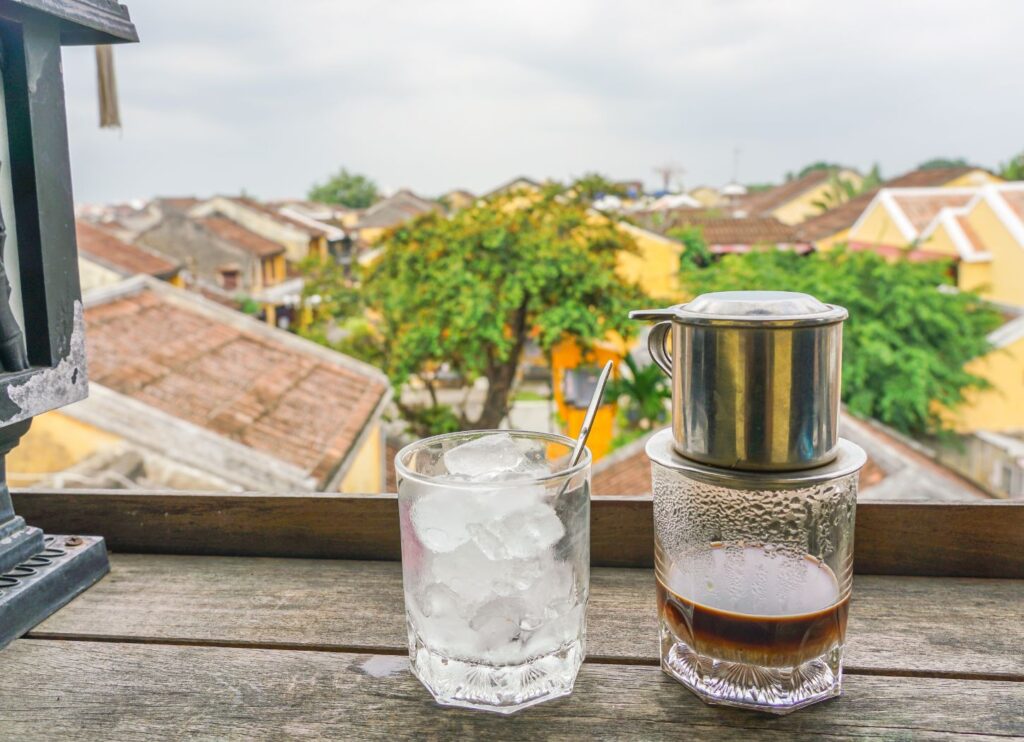
| Arabica coffee | Known as a producing area for Arabica that takes advantage of the cool highland climate, the city is dotted with cafés with good views. Savoring a freshly brewed cup alongside the pine forest scenery is a Da Lat-like way to spend time. |
| Highland vegetables | Fresh leafy vegetables and artichokes grown by taking advantage of the cool climate are specialties, and you can enjoy seasonal flavors at markets and eateries. Often used in hot pots and soups, they're a presence that supports the local table. |
| Strawberries | Blessed with a climate of large temperature swings and fertile soil, it's known as Vietnam's foremost strawberry-producing region. At farms on the outskirts you can try picking, and processed goods like jam and dried fruit are popular as souvenirs too. |
Da Lat's cafés
We've put the cafés worth dropping by in Da Lat into a table (from the shop name to individual pages).
| Shop name | Genre | Characteristics |
|---|---|---|
| MIYAEN | Matcha | バオロック産のベトナム抹茶を使った抹茶ラテ |
| Phê La | Tea | ダラット産ウーロンを使う茶系カフェ。ミルクティーが主力 |
| Trung Nguyên Legend | Coffee | ベトナム最大手。ウィーゼルコーヒーとG7ブレンドを出す |
| Là Việt Coffee | Coffee | ダラットの焙煎所。プアオーバーで淹れるアラビカ |
| Starbucks Vietnam | Coffee | ベトナム限定のフィンココナッツラテがある |
Souvenirs to buy in Da Lat
ダラットは高原の農産物とコーヒーが土産の中心です。ベトナムの他の街では買えないものが多く、お土産選びがいちばん楽しい街のひとつだと思います。
日本の製法が渡った「干し柿」
意外に知られていませんが、ダラットの干し柿(hồng treo gió)is日本の干し柿の製法を導入して作られているものです。自然の日光と風で約4週間かけて乾燥させます。産地はカウダット、チャムハイン、スアンチュオンなど。日本の味に近いので、渡す相手を選ばない土産になります。
| 干し柿(日本式) | 500g箱で28万〜32万ドン。量り売りなら1kg 15万〜50万ドン |
|---|
| Item | Price guide | Notes |
|---|---|---|
| コーヒー豆(カウダット産アラビカ) | 1kg 18万〜80万ドン | カウダットは標高1,500m。1920年代のフランス期農園が起源。K’Ho Coffee はランビアン山のK’Ho族農家の協同組合 |
| Artichoke tea | 1袋3万9,000〜8万ドン | ダラットの名産。エキス(cao atiso)は1kg 25万〜50万ドン |
| ダラットワイン | 750ml 21万ドン〜 | 1999年発売。地元Ladofoods社製。3Lのボックスワインもある |
| ジャム・砂糖漬け(mứt) | 1パック7万〜20万ドン | Phù Đổng Thiên Vương/Mai Anh Đào/Nguyên Tử Lực の3通りに工房が集中 |
| ドライフルーツ・野菜チップス | 1袋4万〜12万ドン | L’angFarm などで |
| 生イチゴ | 1kg 4万〜35万ドン | シーズンは11月〜4月下旬 |
| ウールのセーター、少数民族の織物 | To be confirmed | 市場・夜市で |
どこで買うか
| ダラット市場 | Nguyễn Thị Minh Khai通り。品質にばらつきがあるので自分で選ぶ前提で |
|---|---|
| 夜市(Chợ Âm Phủ) | 同じ通り。17:30頃〜24:00。混雑ピークは19〜22時 |
| L’angFarm | 6 Nguyễn Thị Minh Khai ほか。100品目超で定価表示。観光客には最も安全 |
市場は値段交渉が前提ですが、定価がはっきりしている店のほうが安心な方はL’angFarmのようなチェーンを使うのが確実です。
Da Lat's latest topics
ダラットに関わる最近の話題は、それぞれ個別の記事で詳しく取り上げています。
- A "real Mario Kart" in Da Lat: gravity carts that descend slopes using only the brakes go viral
- Da Lat's giant maze bar "100 Roof Bar": a scenic drinking spot of ladders and crawl-through holes
- Da Lat's double-life café "YAM – ChiangMai"—a café by day, a Thai restaurant by night
Best season, budget, and trip preparation
ダラットは標高1,513mの高原都市で、年間の平均気温は18.0℃。「常春の街」と呼ばれるとおり、真夏でも最高25℃前後までしか上がりません。ベトナムのビーチリゾートとはまったく別の気候だと考えてください。
月別の気候
| Month | 最高/最低 | 降水量 | 雨の日 |
|---|---|---|---|
| January | 22.3℃/11.7℃ | 9mm | 2.2日 |
| February | 23.9℃/11.9℃ | 21mm | 2.5日 |
| March | 25.1℃/13.0℃ | 64mm | 5.8日 |
| April | 25.3℃/14.7℃ | 170mm | 12.8日 |
| May | 24.7℃/16.2℃ | 212mm | 20.5日 |
| June | 23.6℃/16.4℃ | 204mm | 21.2日 |
| July | 23.0℃/16.2℃ | 233mm | 23.8日 |
| August | 22.7℃/16.2℃ | 238mm | 23.1日 |
| September | 22.9℃/16.0℃ | 283mm | 24.0日 |
| October | 22.8℃/15.3℃ | 245mm | 20.0日 |
| November | 21.7℃/14.6℃ | 94mm | 11.5日 |
| December | 21.4℃/13.2℃ | 36mm | 5.9日 |
ベストは12〜3月、避けたいのは8〜10月
乾季は11〜4月、雨季は5〜10月ですが、実質的に安心して晴れを期待できるのはDecember–Marchです。4月はすでに170mmの雨が降ります。
逆に避けたいのは8〜10月。9月は月の24日が雨で、日照時間は年間で最も短くなります(127時間=3月の約半分)。湿度は90%を超え、霧が持続して視界も悪くなります。滝や茶畑、ランビアン山を目当てに行くなら、この時期は分が悪いです。
なお雨季でも午前は晴れやすく、午後に集中して降る傾向があります。雨季に行くなら、屋外の予定は午前に寄せるのが鉄則です。
服装——「ベトナム=暑い」で行くと後悔します
ダラットの朝晩は本当に冷えます。日中は長袖シャツや薄手のニットで足りますが、朝晩にはフリースやダウンベスト、中厚のジャケットが必要.
とくに乾季ほど日較差が大きいのが特徴で、1〜3月は日中と朝晩で10〜12℃の差があります。観測記録では1974年1月24日に5.3℃を記録したこともあります。沿岸のニャチャンと比べると年平均で約8.8℃低い計算です。
Budget guide
| 宿のタイプ | 1泊の目安 |
|---|---|
| 格安宿・ゲストハウス | 35万〜70万ドン(13〜27米ドル) |
| 中級ホテル(市街中心) | 25〜50米ドル |
| 3つ星 | 80万〜180万ドン |
| 4つ星 | 90万〜350万ドン |
| 5つ星・リゾート | 185万〜450万ドン |
| 松林のリゾート(トゥエンラム湖畔) | 80〜150米ドル |
| ローカル食堂の1食 | 4万〜7万ドン |
|---|---|
| 中級レストラン(2人分) | 約20万ドン |
| スペシャルティコーヒー1杯 | 4万5,000〜7万ドン |
| 夜市で数品 | 1人10万ドン未満 |
ダラットは同じ品質の宿が他の観光地より2〜3割安いと言われます。ただしテト、4月30日〜5月1日の連休、クリスマス〜年末、花祭り、夏休みは大きく高騰します。この時期に行くなら早めの予約を。
Da Lat hotels and where to stay
ダラットの宿は、中心部の便利さを取るか、松林の静けさを取るかで分かれます。ただし郊外のリゾートは周りに飲食店がほとんどないので、車がないと不便です。
※ 2025年7月の行政再編で、ダラットの「1坊」「3坊」といった番号の区分はなくなりました。中心部は現在スアンフーン=ダラット坊にまとめられています。古いガイドの住所表記は通用しないことがあるので、通り名とランドマークで探すのが確実です。
| Area | 通り・目印 | Characteristics |
|---|---|---|
| 中心部(ホアビン地区・市場) | Nguyễn Thị Minh Khai、Phan Đình Phùng | ホテル・飲食・土産の密度が最大。夜市が目の前。スアンフーン湖と大聖堂へ徒歩圏。週末は混雑と騒音 |
| スアンフーン湖畔 | — | 約5kmの湖畔遊歩道。夕日がいちばん美しい。朝は濃霧。ブティック宿とカフェ |
| バックパッカー街 | Trương Công Định(宿)、Hoàng Diệu(バー) | 旅行者同士が交わりやすい。安宿が集中 |
| クレイジーハウス周辺 | Trần Phú、Lê Hồng Phong | 夜市まで徒歩20分。静かで庭付きの宿。Trần Phúはフランス期建築の通り |
| ダラット駅周辺 | Trần Hưng Đạo | 湖まで徒歩10分。植民地期の建築が残る |
| トゥエンラム湖(松林) | 中心から7km | リゾート外に飲食店がほぼ無く、車が必須。80〜150米ドル |
Da Lat on the map