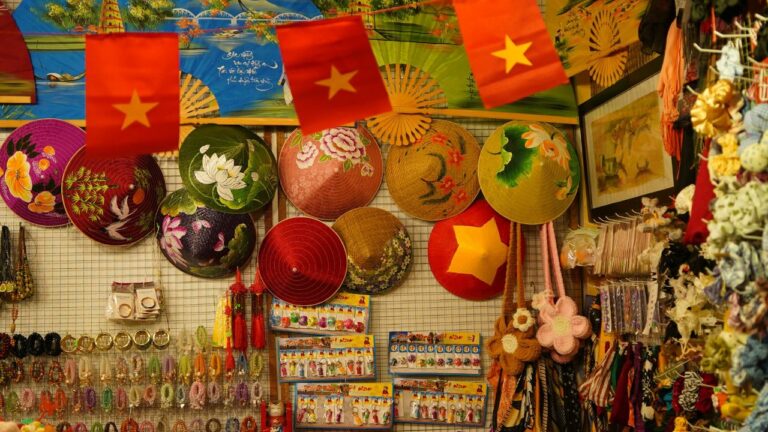
In Vietnam, where tropical fruit grows year-round, dried fruit has become a classic snack souvenir. The appeal is being able to enjoy the concentrated sweetness of fruits rarely seen in Japan, such as mango and jackfruit. They're light, keep well, and come in many kinds, making them easy to choose to match the recipient or your budget. The texture changes between the fried type and the naturally dried type, so choosing is part of the fun.
What is Vietnamese dried fruit?
Characteristics
Vietnamese dried fruit is a treat made by drying fruit to concentrate its sweetness. There are many kinds of fruit — mango, pineapple, jackfruit, and more — each with its own taste and texture. Vacuum frying at low temperature and reduced pressure (the VF method) turns out crisp, while soft-dried fruit made by natural drying or left semi-moist turns out moist. Even with the same jackfruit, vacuum frying gives crisp, chip-like pieces while soft drying gives a moist texture where you can feel the fibers — the way it's made makes it a different thing entirely.
Why it's chosen as a souvenir
- Light, keeps well, and not bulky even when you buy in bulk
- Many kinds of fruit, so you can choose to match the recipient's taste
- Available at supermarkets and specialty shops, with boxed options good for gifting
- You can choose fruits rarely seen in Japan such as mango and jackfruit, which conveys the mood of a trip to Vietnam
Types and how to choose
Dried fruit is easier to sort out if you choose by "kind of fruit" and "method." The type you pick changes depending on whether you like a crisp texture or something moist and sweet.
Type
| Dried mango | Popular for its rich sweetness and just-right acidity. The soft type, made by thinly slicing ripe mango and finishing it moist, is the standard |
|---|---|
| Dried jackfruit | A distinctive aroma and sweetness. Most are finished crisp and chip-like by vacuum frying |
| Dragon fruit | Characterized by a light sweetness and its coloring. A colorful item |
| Dried pineapple | A sweet-and-sour, juicy flavor. Easy to eat and pleasing to everyone |
- Vacuum fried (VF method) — a crisp, light texture. The ingredient's flavor and color tend to remain
- Naturally dried type — a moist texture with concentrated sweetness. You can savor the fruitiness
Points for choosing
- Kind of fruit— Match the recipient with the standard mango or the unusual jackfruit
- Method— Vacuum fried for a light texture, naturally dried for concentrated sweetness
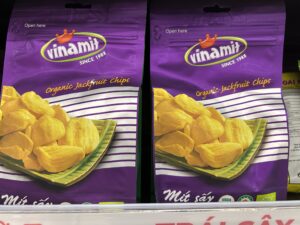
- Sugar or no sugar— The sweetened type is strongly sweet and easy to eat, while the unsweetened type brings out the fruit's natural taste. Makers such as Vinamit offer both unsweetened (No Sugar) and sweetened, which you can tell apart from the ingredient label
- Packaging— It's weak against humidity, so a resealable or zip-top bag is a safe bet
Major brands and labels
The three standard brands you'll spot at supermarkets and specialty shops are as follows. Among them, Vinamit is a major dried-fruit maker with a wide range and consistent quality.
| Vinamit | A dried-food maker that represents Vietnam. A rich lineup of vacuum-fried products |
|---|---|
| Visan | A maker that handles a wide range of foods. Easy to obtain at reasonable prices |
| Sasco | A brand from a company also involved in airport operations. Easy to spot as an airport souvenir |
Snacks made by the same dried-food makers also include banana chips and cashew nuts. Combining sweet and salty lets you cover a wide range of recipients' tastes.

Recommended ways to eat and enjoy
Eating them as is is the standard, but a little extra effort broadens how you enjoy them.Guide to Vietnamese sweets and snacksUse it as a reference to enjoy them combined with other snack souvenirs.
- Nibble them as is alongside coffee or tea
- Mix them into yogurt or granola for breakfast
- Combine with nuts for a mixed snack
- Chop finely and work them into baked-goods or bread dough
If you want to keep the theme to sweet snack souvenirs, coconut candy pairs well too. Combining sweets with different textures adds variety to an assortment.
Where to buy and price ranges
The supermarket snack aisle is the go-to for dried fruit, but a specialty shop carries a rich range of kinds.
- Supermarkets (Lotte Mart, Big C, WinMart)— Branded products are lined up, easy to choose
- Markets— Buy just what you like by weight. Some shops let you sample
- Sweets specialty shops— A rich range of fruit kinds, with boxed options good for gifting
- Airport duty-free shops— You can top up before departure. The packaging is attractive and souvenir-friendly
Price range
| Bag (small) | About 100 to 250 yen |
|---|---|
| Bag (large) / boxed | About 300 to 600 yen |
| Market, sold by weight | Roughly 80 to 150 yen per 100g |
Tips for making it a souvenir
They're light and easy to hand out, but weak against humidity, so paying a little attention to storage and packing is appreciated.
- Packing— Close the mouth of the bag firmly and surround it with a box or clothing so it doesn't get crushed
- Keeping quality— Being a dried food, it keeps relatively well. Check the best-before date on the back of the container
- Customs / in-flight— Processed dried food is easy to bring in, but check the destination country's fruit regulations in advance
- Dividing among people— Buy several small bags, or divide the by-weight purchase into portions, to make handing them out easier
Da Lat, a town in the highlands, is known as a producer of fruit and farm produce, so it's a useful reference for choosing fruit-based souvenirs. Try building your itinerary alongside the overall guide to Vietnamese snacks.

Frequently asked questions
- Which fruit's dried version is popular?
-
The standard is dried mango, loved by everyone for its rich sweetness and just-right acidity. If you want the recipient to enjoy something unusual, jackfruit and dragon fruit also go over well.
- How do vacuum frying and natural drying differ?
-
Vacuum frying has a crisp, light texture and tends to retain the ingredient's flavor and color. Natural drying is moist with concentrated sweetness, letting you enjoy a fruity heartiness.
- How should I choose if I'm concerned about sugar?
-
Choose an unsweetened type with no added sugar to enjoy the fruit's natural sweetness. Checking the ingredient label on the package gives you a guide to whether it's sweetened or unsweetened.
- How long does it keep?
-
Being a dried food, it keeps relatively long, but it soaks up humidity after opening. Put it in a resealable bag and finish it before too long to preserve the texture and flavor.