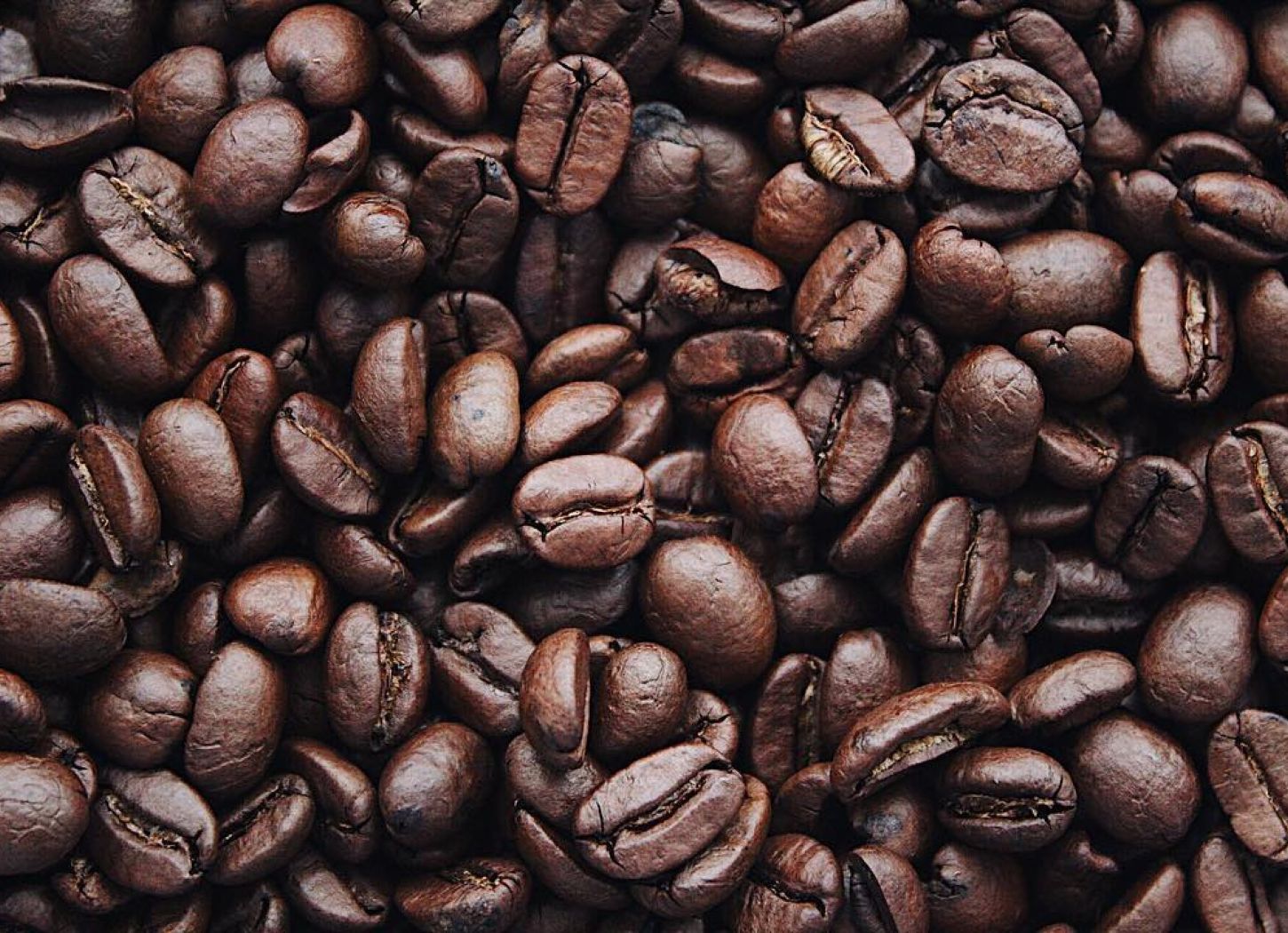
Have you ever heard of the Robusta variety? Some people may have heard of Arabica but be a little unsure about Robusta.
In fact, Vietnam is the world's second-largest coffee producer in ICO statistics, and it boasts the world's top position in Robusta production in particular.(Source: U.S. Department of Agriculture, "Coffee: World Markets and Trade," December 2025)
That said, hearing "Robusta" sometimes brings to mind assessments like "bitter" or "low quality," and it does tend to be shunned compared with Arabica.
This time, we introduce the characteristics and appeal of the Robusta variety that Vietnam proudly presents to the world, and how to enjoy it. Read on and discover a new side of Robusta.
The Characteristics and Appeal of Robusta
| Arabica | Robusta | |
|---|---|---|
| Main producing regions | - Brazil - Colombia | - Vietnam (the largest producer of Robusta) - Indonesia, India, Uganda, Nigeria, and others |
| Caffeine content | Relatively low, around 1.2-1.5% | High, around 2.5-4.5% |
| Flavor characteristics | Well-balanced and delicate | Strong bitterness and deep body |
| Recommended ways to enjoy | - French press or hand drip • Café latte and iced coffee | • Latte and cappuccino • Traditional Vietnamese coffee combined with condensed milk or coconut milk |
Robusta is one of the main coffee varieties. Its name derives from the English "robust," and it is characterized by resistance to disease and pests and easy adaptation to hot, humid climates. Because it can be grown even in areas unsuited to Arabica cultivation, it is valued by growers around the world.
In terms of flavor
The following are expressions used to describe Robusta's flavor.
- Earthy (an earth-like depth)
- Smoky (a smoked-like aroma)
- Bitter (a slight bitterness)
Compared with Arabica, it is richer and more bitter, with a flavor evocative of chocolate and nuts. Its punchy, rich, deep taste is recommended for when you want to recharge your energy.
Caffeine content
roughly twice that of Arabica,a high 2.5–4.5%,is a defining trait.
How to drink Robusta
| Types of Vietnamese coffee | Characteristics |
|---|---|
| Black coffee Ca phe den | Black coffee made using a metal dripper called a "phin" |
| Condensed-milk coffee Ca phe sua | Coffee with condensed milk |
| Milk coffee Bac Xiu | Vietnam's version of an iced latte; similar to ca phe sua, but bac xiu has more milk |
| Coconut coffee Ca phe dua | Strong coffee mixed with coconut milk and condensed milk |
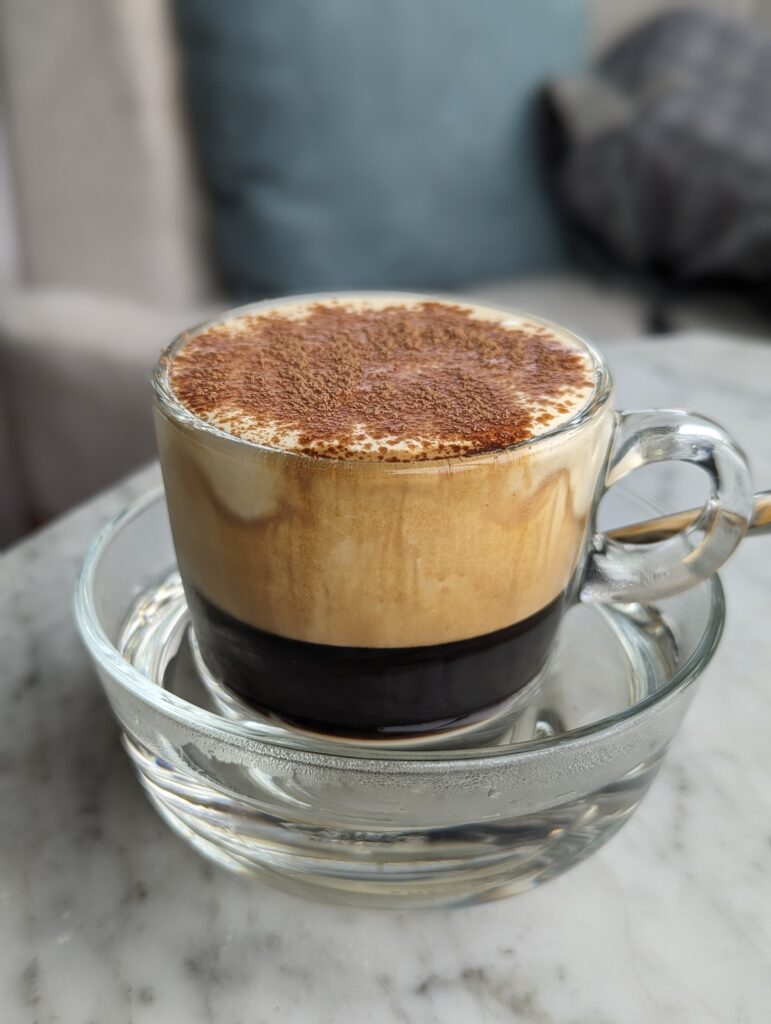
| Egg coffee Ca phe trung | Coffee topped with a foam of egg yolk and sugar |
| Salt coffee Ca phe muoi | Salt added to the milk layer of an iced latte. Coffee and saltiness go together surprisingly well |
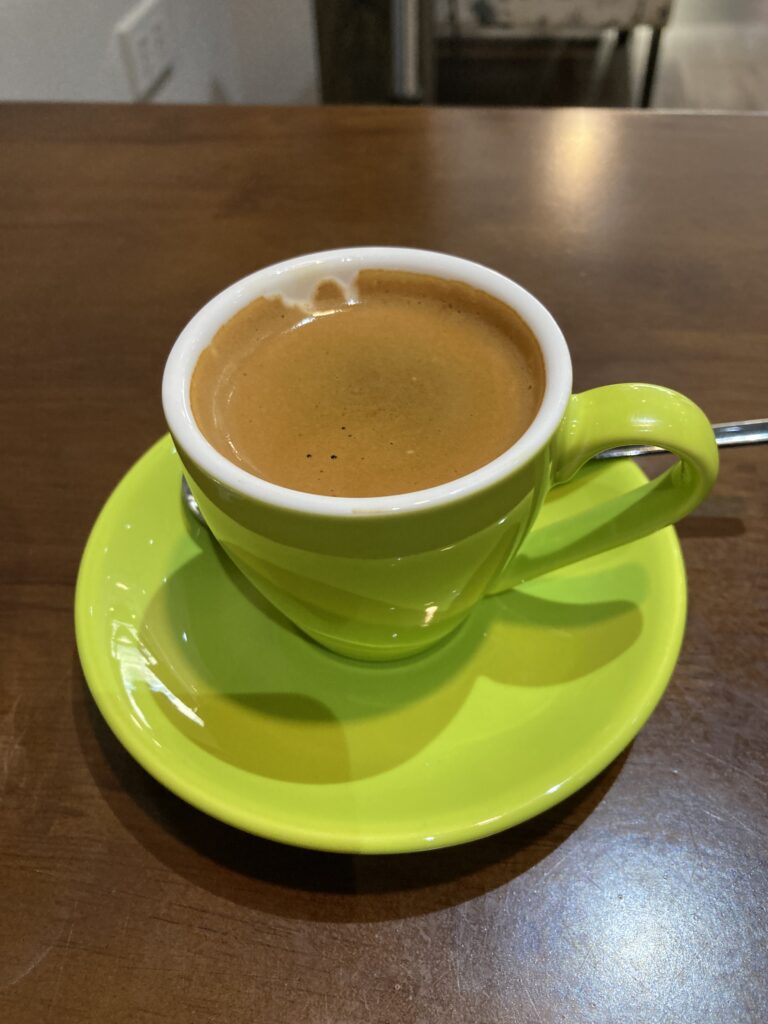
In Vietnam you can enjoy a variety of preparations using Robusta.
Black coffee brewed from Robusta with a dedicated filter called a "phin" (cà phê đen, ca phe den) is very bitter, and the impression is that even among Japanese residents of Vietnam not many drink it. However, combined with ice, condensed milk, or milk it becomes easy to drink, with a refreshing quality you can gulp down even in summer.
Meanwhile, although Japan is the world's second-largest importer of Vietnamese coffee, the Robusta variety isn't very well known.
Behind this lies a history in which the intensely bitter Robusta is rarely drunk straight and has long been used as a raw material for processed products such as instant coffee and canned coffee.
Because it has been used as coffee's behind-the-scenes player, the fact that Vietnam is a major coffee-producing region may still not be widely known in Japan.
Why Vietnam is famous for Robusta, and recent trends
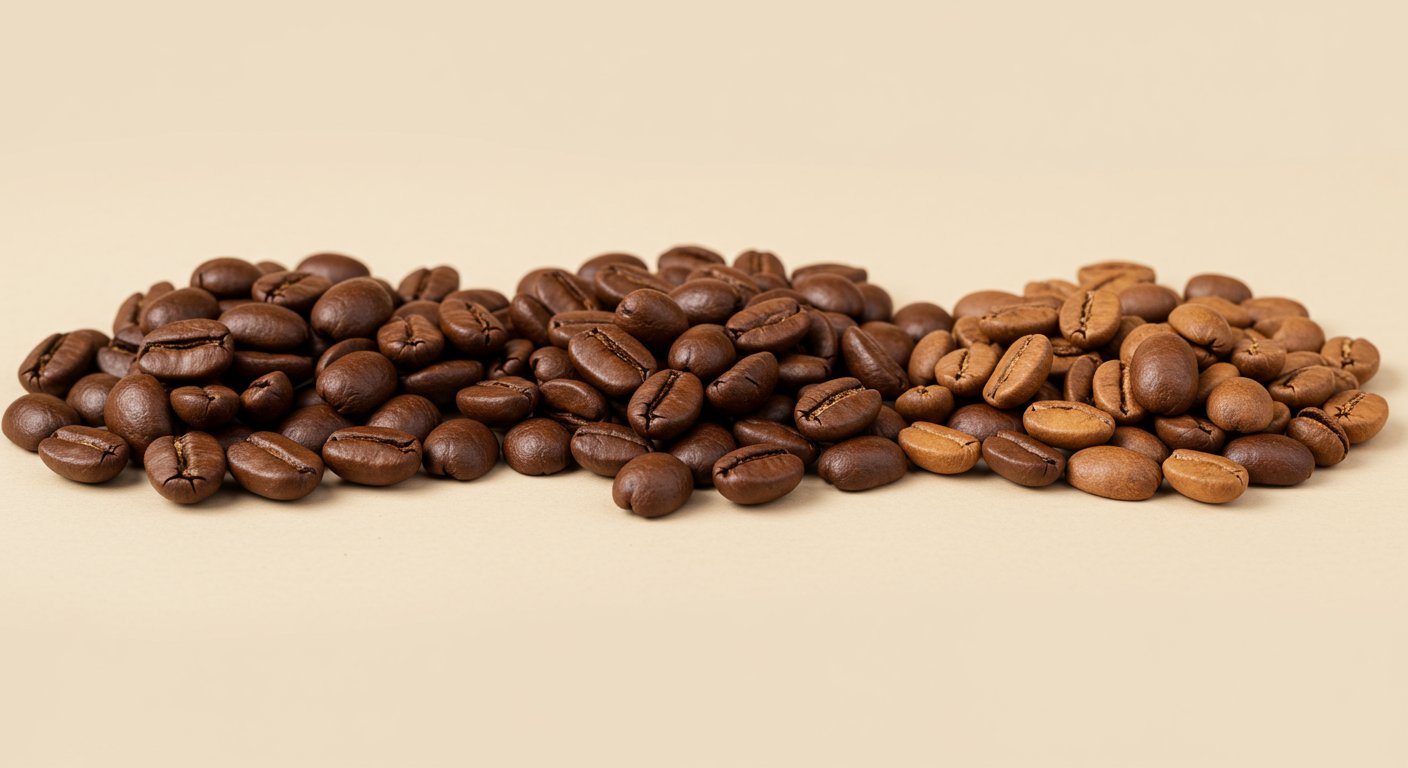
Vietnam is a renowned Robusta-producing region, with cultivation especially thriving in highland areas. And Robusta, which tends to be labeled "cheap" and "low quality," is being reassessed as the momentum around sustainability grows.
The history of Robusta cultivation in Vietnam
Coffee cultivation in Vietnam began around 1850 in the north, introduced by France, which was then colonizing Vietnam.
Around 1975, large-scale plantations led by the Vietnamese government began, and in about 20 years Vietnam's coffee production grew to become the world's second-largest.
Compared with the hard-to-grow Arabica, Robusta is a variety that is easy to cultivate even at low elevations, and the highland areas of central Vietnam (such as Buon Ma Thuot) have the hot, humid climate and fertile soil ideal for its production.
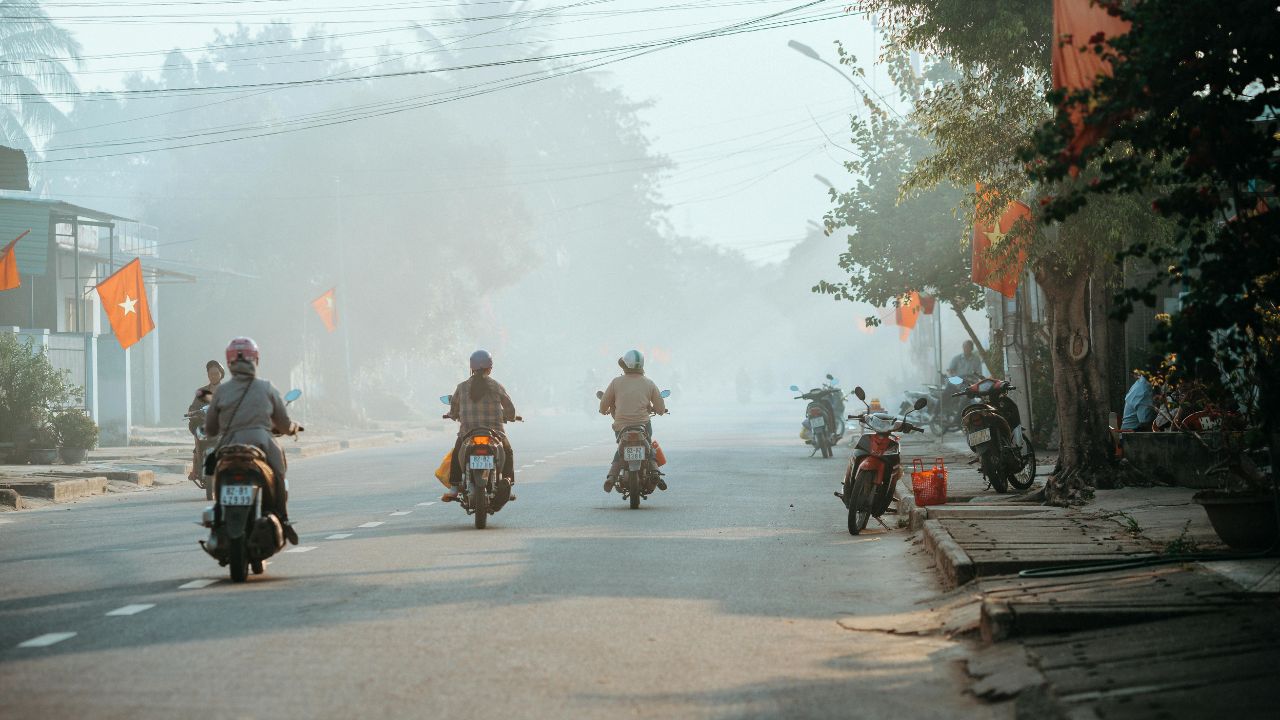
Production and Roasting
Vietnam's Robusta is usually roasted from medium-dark to dark. This emphasizes bitterness and aroma and makes it pair even better with milk and condensed milk.
After fermentation and drying (sun-dried or by machine), the green beans are carefully sorted and heat-treated at the roastery. At high-quality roasteries, the trend of the past few years has been to finely adjust the roast curve so that, rather than mere off-flavors, notes of chocolate, nuts, cacao, and smoke are drawn out well.
The shift toward high-quality Robusta
- Introducing pesticide-free cultivation and organic fertilizers
- Obtaining HACCP and ISO certifications
- Raising brand value through direct trade with overseas roasters
Robusta, which was once often labeled "low quality" or "just bitter," has seen that assessment change dramatically over the past few years.
Cases of some roasters who once touted "100% Arabica" now blending in around 30% Robusta are increasing. Beyond cost, using it intentionally to draw out "depth and body of flavor" is spreading.
Robusta is also drawing attention from a climate-change perspective.Robusta has traits that make it relatively resistant to environmental changes such as rising temperatures and decreasing rainfall.
The cultivation of higher-quality Robusta, including pesticide-free growing and organic fertilizers, is also spreading, and as the global push to explore more sustainable coffee grows, Robusta can be called one of the varieties with even greater potential ahead.
Vietnamese Robusta brands and how to choose them
Now that you know Robusta's appeal, we'll share the Robusta you can buy at local Vietnamese supermarkets, along with how to choose and store it.
Robusta you can buy at local Vietnamese supermarkets
- MR.VIET's "ROBUSTA 250g"
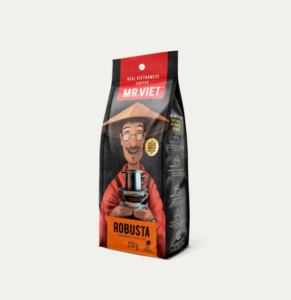
MR.VIET, with its striking image of a man wearing a nón lá (conical hat). It's known as a Vietnamese coffee you can easily buy even at local supermarkets. While you often see brands blended with Arabica, this one is 100% Robusta. It's recommended when you want to fully savor Robusta's appeal.
- HIGHLANDS COFFEE's "Traditional 200g"
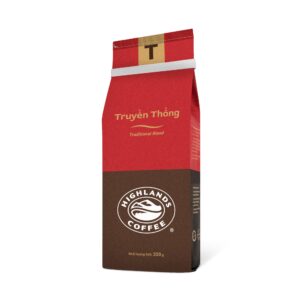
HIGHLANDS COFFEE, a major chain called the Starbucks of Vietnam. You can also buy souvenir coffee beans and instant coffee. This is a blend of Arabica and Robusta. Robusta is bitter, but if you want to enjoy coffee's body, do give it a try.
- TRUNG NGUYEN COFFEE's "SANG TAO 1"
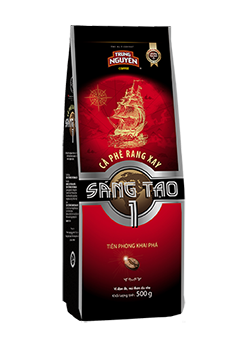
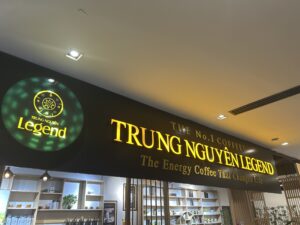
TRUNG NGUYEN COFFEE, which not only sells coffee beans and drip coffee but also runs full-fledged cafés. Among the SANG TAO series, "SANG TAO 1" carefully uses fine Culi Robusta beans grown in central Vietnam. It has body and no acidity, and pairs excellently with milk and condensed milk.
How to Choose and Store Vietnamese Robusta
If you value bean freshness, choose one with the roast date stated, and buy it within 2–4 weeks of roasting.
A fine to medium grind is recommended; if you want to enjoy a rich flavor, a fine grind is best.
Key points for storage
- Seal it airtight: Since exposure to air accelerates oxidation, it's best to transfer it into a highly airtight canister.
- Location: Avoid direct sunlight and heat and humidity; store in a cool, dark place.
- Use aluminum bags: Bags with high light-blocking properties are the most suitable.
Summary: the appeal of Vietnam's Robusta
Robusta has been used for processing in Japan, but behind it lies a rich world of flavor where notes of chocolate, nuts, and smoke unfold.
It has a depth that accommodates a wide range of drinking styles, from drip brewing with a metal phin to preparations like condensed-milk coffee. What's more, over the past few years, the spread of sustainable farming methods has been raising its reputation worldwide.
Everyday affordability and deep, complex flavor. Having both is what can be called the greatest appeal of Vietnam's Robusta.