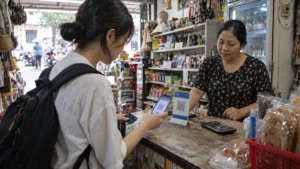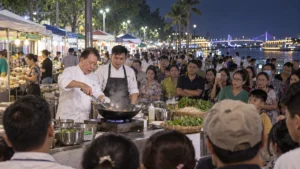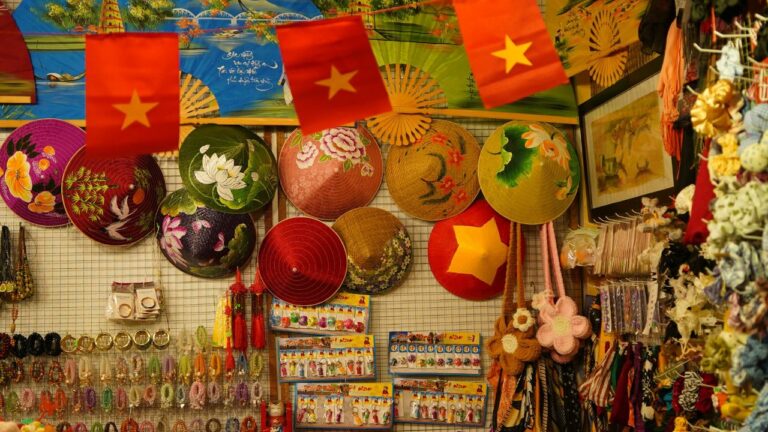
In May 2026, the “Stand Banh My” trend, which suddenly appeared on TikTok, is drawing in food lovers around the world. Singing the chorus of Ben E. King’s timeless classic “Stand By Me” swapped to “Stand Banh My” while biting into a banh mi on a Vietnamese street—these videos, posted one after another by foreign travelers, are racking up millions of views and stealing the spotlight both in and outside Vietnam.
It’s not a campaign engineered by a marketing company. The starting point was a traveler eating banh mi for the first time expressing that thrill with a parody of “Stand By Me.” The fun of the pronunciation combined with the catchiness of the music, and creators joined spontaneously, growing it into a major movement.
The full picture of the “Stand Banh My” trend
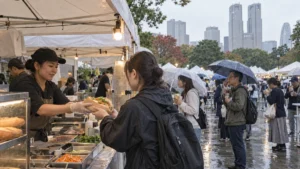
The mechanic is simple. It starts with a scene of practicing the pronunciation of “banh my,” and when Ben E. King’s “Stand By Me” begins to play, you sing the chorus “Stand By Me” swapped to “Stand Banh My.” In hand, of course, is a just-bought banh mi. A Ho Chi Minh City street, Hanoi’s Old Quarter, along a Da Nang beach—the filming location can be anywhere. What matters is the expression of love for banh mi.
Many clips have gained millions of views and hundreds of comments, and not only English-speaking creators but also Korean, French, and Spanish creators have joined in. The comment sections line up with voices like “I can’t wait to eat banh mi on my next Vietnam trip” and “This video made me book a flight.”
Why banh mi captures the world’s heart
Banh mi is, so to speak, a “culinary mixed-race child” fusing the French-colonial-era baguette culture with Vietnamese ingredients. Cilantro, pickled vegetables, liver pâté, char siu, and chili sauce are packed into a single loaf. The price at street stalls is 15,000–30,000 VND (about 90–180 yen). This “cheap, delicious, and photogenic” trifecta struck the hearts of travelers in the social-media age.
Ever since Google featured a commemorative banh mi logo in 2012, its international profile has kept rising. It’s a regular on CNN’s “World’s Best Sandwiches.” This TikTok trend is a phenomenon that blossomed on top of that accumulation.
The spread of “Stand Banh My” in data
| Indicator | Details |
|---|---|
| Trend name | #StandBanhMy / #StandBanhMi |
| Song used | Ben E. King’s “Stand By Me” (1961) |
| When it emerged | April–May 2026 |
| Main participants | Traveler creators from the West, Korea, and Australia |
| Views per video | Many in the hundreds of thousands to millions of views |
| Comment tendency | Many say “I want to go to Vietnam” and “I want to eat banh mi” |
| Price range at banh mi stalls | 15,000–30,000 VND (about 90–180 yen) |
The response within Vietnam—pride and expectations for tourism
The reactions of Vietnamese internet users are overwhelmingly positive.
“Seeing foreigners ”confess” their love to banh mi makes me genuinely proud.”—from a Vietnamese comment
“Stand Banh My is a wonderful phenomenon connecting culture and emotion naturally and humorously.”—a comment on a 24h.com.vn article
“How about making a tour introducing the differences in banh mi by region? Hoi An, Hue, Saigon, Hanoi—each has a different taste.”—a suggestion on social media
Vietnam’s travel-industry insiders welcome this trend as “free tourism promotion.” In fact, foreigners publicly declaring they’ll “go to Vietnam to eat banh mi” after seeing Stand Banh My videos are visibly increasing.
What it means for Japanese travelers
LCC direct flights from Japan to Vietnam are available from the 20,000-yen range one way, and it’s about 5–6 hours to Hanoi or Ho Chi Minh City. Banh mi has the convenience of being buyable right away at a stall outside the airport you arrive at. Joining the “Stand Banh My” challenge is also a prime chance to hop onto TikTok’s international trend in Japanese.
As a note, banh mi’s ingredients differ from shop to shop. If you dislike pâté, say “Khong pate,” and if you dislike cilantro, say “Khong rau mui,” and they’ll accommodate you.
The ripple effects on tourism that food social-media trends bring
Not just banh mi—Vietnam’s food culture pairs well with social media. With many dishes that are visually striking and cheap—pho, bun cha, banh xeo, egg coffee—there’s a structure that naturally makes travelers want to photograph and post.
In fact,at Hanoi’s Cafe Giang, lines form daily for egg coffee,andand Ho Chi Minh City’s banh mi festivalis also expanding in scale year by year.That Marou’s pho-flavored bonbon chocolate won a gold medal at an international competitionis also proof that the international evaluation of Vietnamese food culture is rising.
The Stand Banh My trend will likely accelerate this flow a notch further. There’s a strong chance the Vietnam National Administration of Tourism will officially pick up this movement too.
A practical guide to the Stand Banh My challenge
| Item | Details |
|---|---|
| What you need | One banh mi, a smartphone, and the audio of “Stand By Me” |
| Recommended filming spots | Ho Chi Minh City: in front of Huynh Hoa / Hanoi: Hang Buom Street in the Old Quarter / Hoi An: in front of Madam Khanh |
| Banh mi price | 15,000–50,000 VND (about 90–300 yen) |
| Hashtags when posting | #StandBanhMy #StandBanhMi #VietnamFood |
| Points to note | When filming at a stall, it’s good manners to give the owner a word |
| Best time of day | 6–9 a.m. (the hours when freshly baked bread comes out) |
Summary
“Stand Banh My” is a spontaneous global trend born from pure delight in the food that is banh mi. With a marketing budget of zero, Vietnam’s food culture is spreading around the world. If you plan to visit Vietnam next, try singing “Stand Banh My” with a banh mi in hand. Vietnam’s streets are sure to become a little more fun.