For anyone thinking about traveling to or moving to Vietnam, "can you drink the tap water?" is one of the biggest questions. In Japan, water you can drink straight from the tap is taken for granted, but overseas the situation is very different.
In short, Vietnam's tap water is not suitable for drinking!
Even in major cities like Ho Chi Minh City, Hanoi, and Da Nang, drinking tap water straight is not recommended. Japan's Ministry of Foreign Affairs also states plainly that "the quality of Vietnam's tap water can hardly be called good and it is not suitable for drinking." This article thoroughly explains Vietnam's water situation and how to secure safe water while traveling or staying there.
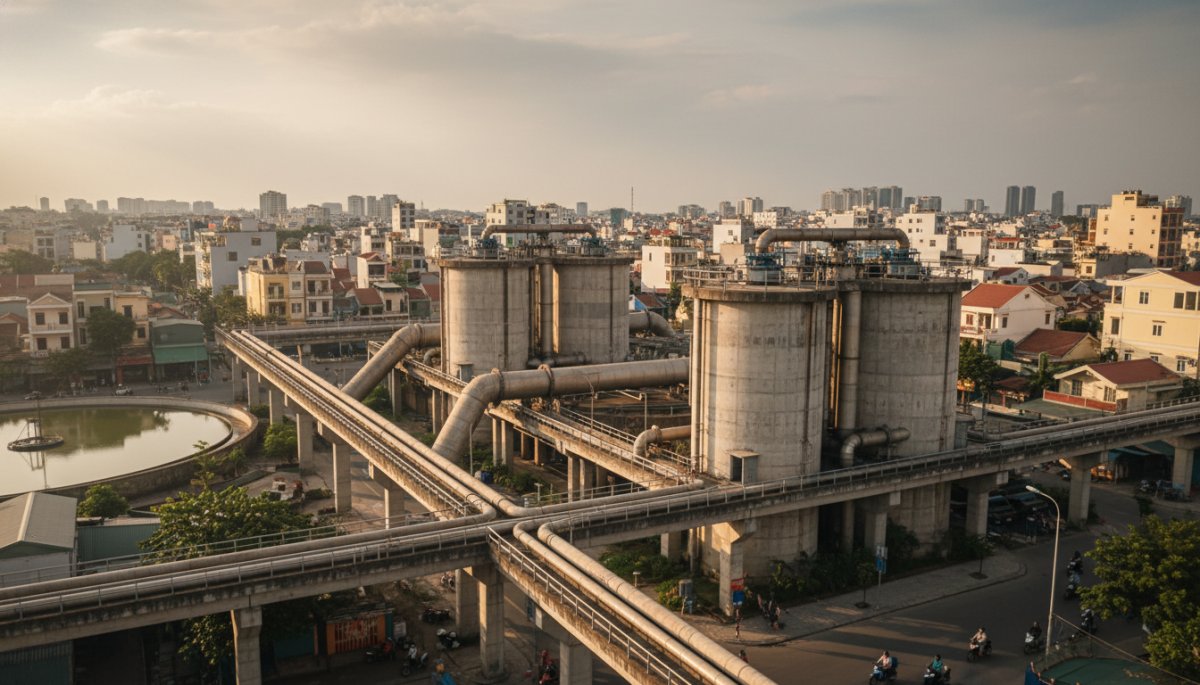
Why Vietnam's tap water isn't drinkable
Different water-quality standards and contained substances
旅行者はベトナムの水道水をそのまま飲まないのが安全です。ただし「WHOより基準が緩い」「日本の10倍の塩素」という旧記事の数値は、地域・時点・測定条件を確認できないため削除します。浄水場の水質だけでなく、建物の貯水槽や配管も影響します。
The main risk factors in tap water are as follows.
- Residual heavy metals: Heavy metals such as lead, copper, iron, and zinc are present, and long-term intake may affect the kidneys, liver, nervous system, and blood system
- Residual pesticides: In Vietnam, a major agricultural country, pesticide residues from rural areas can find their way into water sources
- Presence of pathogens: Bacteria such as E. coli and Salmonella, and protozoa such as amoebas and Giardia, have been detected, and can cause symptoms like diarrhea, abdominal pain, and fever
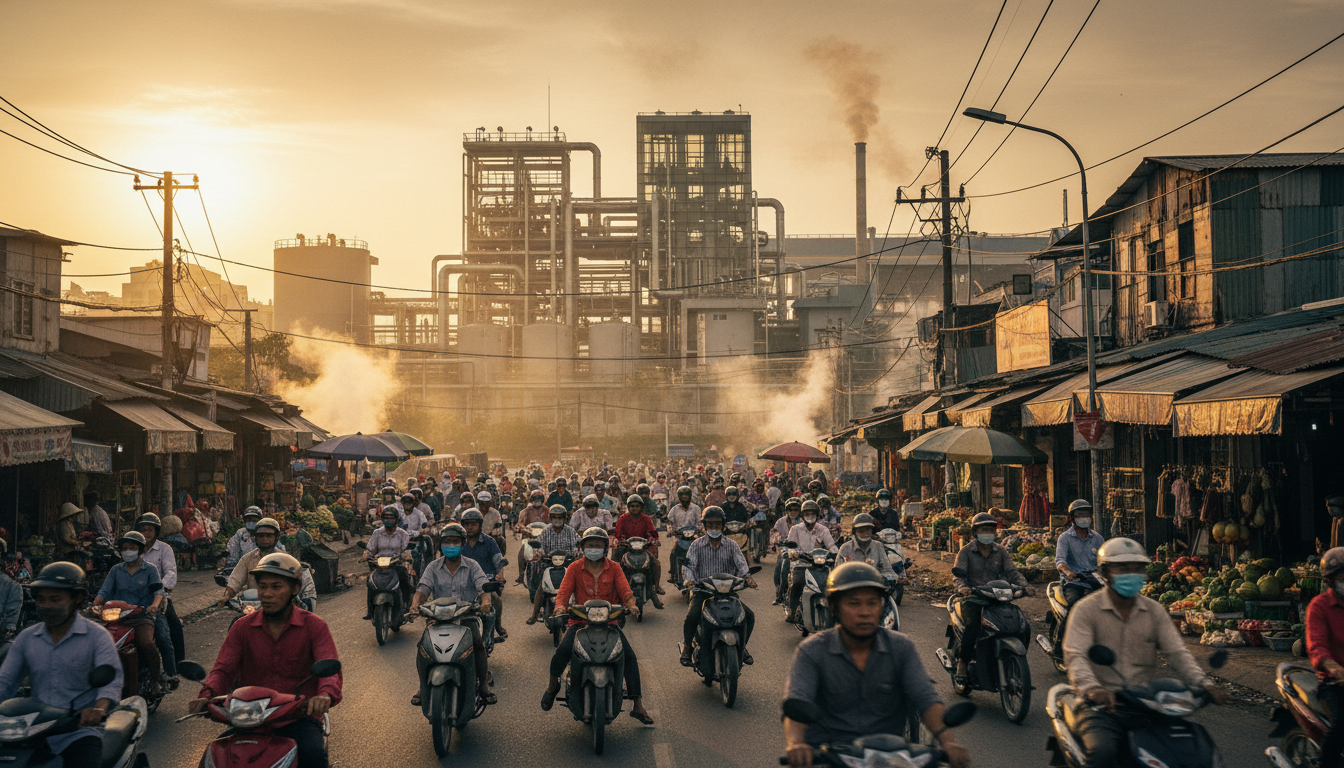
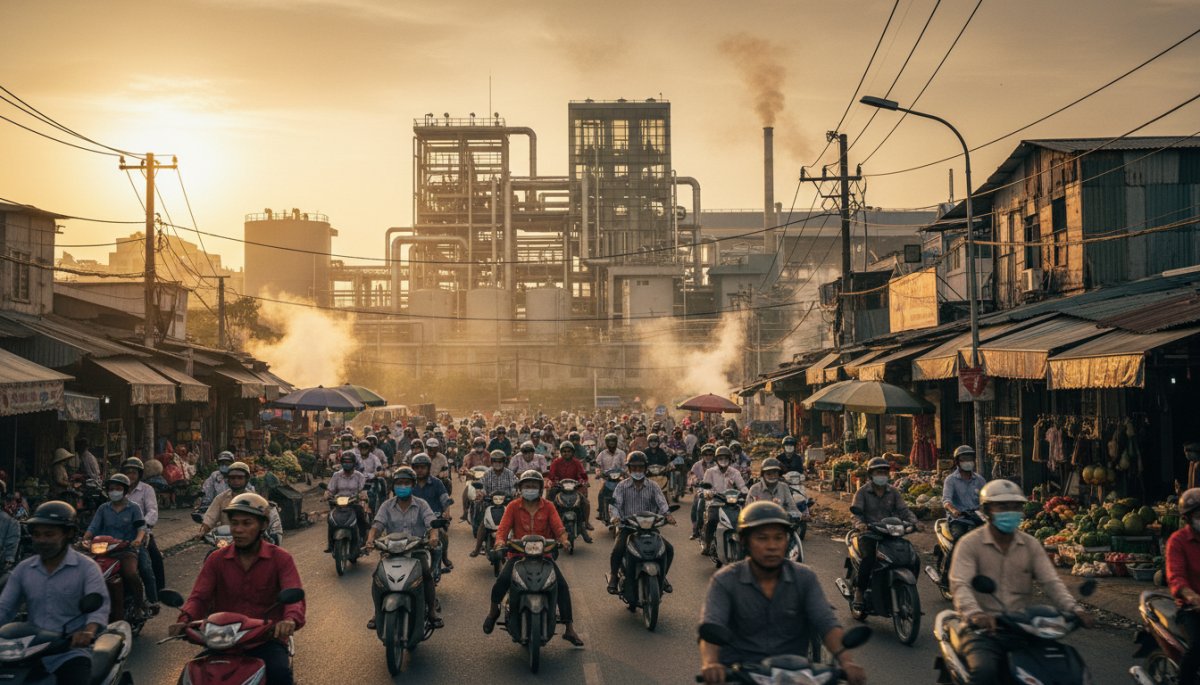
- Contamination from factory wastewater: In industrial zones, contamination from factory wastewater, including organic matter (NO3-, NH4+) and mercury, has an impact
Sources VietScout, "Is Vietnam's tap water drinkable? A resident's guide to choosing safe water and taking precautions"created from
Why boiling doesn't make it safe
Some may think, "Surely it's fine if I boil it?"
十分な煮沸は多くの病原体を不活化できますが、すべての化学物質や濁りを除く方法ではありません。水が濁っている、変色・異臭がある、化学汚染が疑われる場合は煮沸に頼らず、未開封の安全な水を使ってください。重金属や農薬などの有害物質は、水道水を沸騰しても除去できません。逆に、水分が減ることで有害物質の濃度が高まる可能性すらあります。そのため、水道水を沸騰するだけでは「絶対安全」とは言えないのが現状です。
Many Vietnamese people also don't drink tap water directly; buying mineral water is the norm.
Water quality differences by city: the traits of Hanoi and Ho Chi Minh City
Hanoi is very hard water, Ho Chi Minh City is soft water
南北に長いベトナムでは、北と南で水質が大きく異なります。「ハノイは超硬水、ホーチミンは軟水」と都市単位で固定する根拠は不十分です。水源、地区、建物設備、季節で変わるため、硬度が必要なら供給者の分析値や簡易測定で確認します。
Hanoi's very hard water contains a lot of minerals such as magnesium, so women will notice their hair feeling squeaky and shampoo lathering poorly. Those with long hair especially can improve lathering and the after-wash feel by using hard-water-friendly hair care products (such as L'Oreal or Schwarzkopf).
Ho Chi Minh City's soft water, on the other hand, is close to Japan's water quality, making it relatively familiar and easy for Japanese people to deal with.
Sources Vietwork, "[Vietnam water situation] Is tap water safe...?"created from
Is it okay to use tap water for brushing teeth and rinsing?
The risk of using tap water to brush your teeth or rinse your mouth is not as high as drinking it.
Still, using tap water for brushing or rinsing can let harmful substances or pathogens into your mouth. Opinions are divided even among Japanese residents in Vietnam, ranging from those who say "tap water is fine for soups or boiling vegetables" to those who "use mineral water for everything, even washing food and brushing teeth."
歯磨きで飲み込む可能性がある場合も、未開封のボトル水か適切に処理した水を使うのが安全です。「慣れれば水道水でもよい」とは考えず、乳幼児、妊婦、高齢者、免疫が弱い人は特に慎重にしてください。
Can mineral water still upset your stomach?
「ミネラルウォーターを飲んでいるのにお腹を壊した」という経験をする方もいます。下痢や腹痛の原因は硬度だけとは限らず、食事、氷、感染症、体調など複数あります。症状が強い、血便、高熱、脱水、長引く場合は医療機関へ相談してください。
Much of Vietnam's water is hard (containing minerals such as magnesium), so Japanese people who aren't used to hard water can get an upset stomach when they suddenly start drinking it. Choosing soft mineral water can ease this problem.
Is the ice and drinking water at restaurants safe?
About the safety of ice
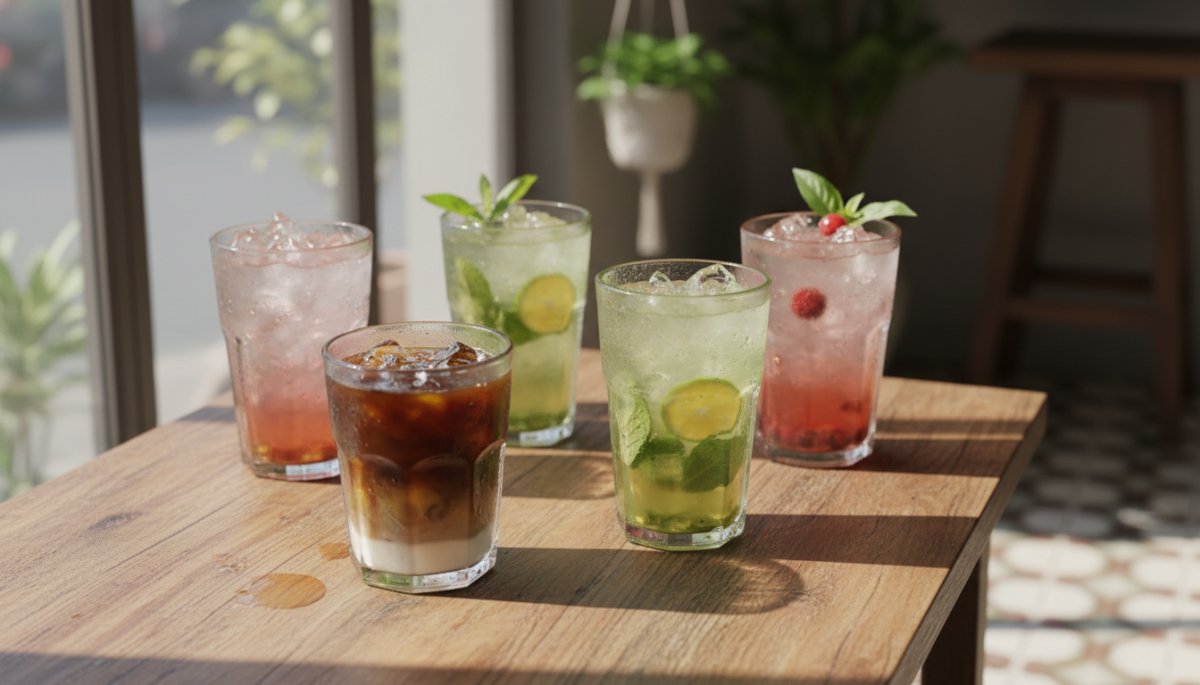
When eating out in Vietnam, ice is often flagged as something to be careful about. In the Vietnamese style, ice goes into the famous Vietnamese coffee, of course, but also into sinh to (fruit juice) and even beer.
氷は店や製造・保管状況でリスクが異なり、「そこそこ安全」とは一律に言えません。
というのも、飲めないと分かっている水道水で氷を作ることはないからです。ベトナムでは氷の消費量が多く、ローカルカフェから高級レストランまで、ほとんどの飲食店が業者から購入した氷を使用しています。業者製でも運搬・保管・器具で汚染される可能性があります。衛生状態を判断できない店では氷なしを頼み、飲料用の安全な水から作られた氷だと確認できる場合に選びます。
That said, it can't be called 100% safe. If you're worried, it's safest to avoid it. Being on edge would ruin an otherwise good meal.
Sources TNK Travel, "Is Vietnam's water safe? Vietnamese mineral water you can buy with peace of mind"created from
How to secure safe water: at home and out and about
How to secure water at home
If you're living in Vietnam, there are mainly two ways to secure drinking water at home.
1. Installing a water purifier
Middle-class and above Vietnamese households almost always have a water purifier installed. Installing one lets you use tap water as drinking water. It's an especially recommended method for those staying long-term.
2. Water delivery service
A water delivery service brings large mineral water bottles (19 liters) to your home or office. You can also rent a water dispenser. It's a convenient service that works for everything from short stays to long-term living.
Staying hydrated when out and about
基本はコンビニやスーパー、屋台でミネラルウォーターを買ってください。未開封で工場封印が確認でき、濁り・異臭・破損がなく、信頼できる販売店の商品を選びます。市販品を「どれも安全」とは断定しません。
Bottled water in Vietnam costs roughly half what it does in Japan. Prices vary by shop, but both 500ml and 1L bottles run around 12,000 dong (about 73 yen). It's cheap enough to buy without hesitation, so stay on top of your hydration.
Sources TNK Travel, "Is Vietnam's water safe? Vietnamese mineral water you can buy with peace of mind"created from
Five recommended mineral waters
ベトナムにもミネラルウォーターは色々あるので、何を買えばいいか迷うかもしれません。そんな方のために、ベトナムでよく見かける安全なミネラルウォーターをご紹介します。以下は流通例ですが、すべてを軟水とは扱いません。採水地や商品仕様が変わることもあるため、硬度・成分・炭酸の有無はラベルで確認してください。
1. Dasani
Sold by Coca-Cola, this water has the same logo design as Japan's "I Lohas." The taste is neutral and, being soft water, very easy to drink, so it's recommended. It's reasonably priced at 5,000 VND (about 30 yen) for 500ml.
2. Aquafina
Aquafina comes from Suntory PepsiCo. Its soft PET-bottle material gives a gentle mouthfeel and it's very easy to drink. It has a familiar, easy taste for Japanese people too.
3. La Vie
Sold by Nestle, "La Vie" is a water you'll see all over Vietnam. It's often stocked in hotels as well. Personally I get the impression it has a slight character to it, but it's beloved by many people.
4. I-on Life
This is another water you'll see often in Vietnam. It has a sports-drink-like flavor and is well suited to replenishing minerals.
5. Evian
If you like hard water, Evian, familiar in Japan too, is recommended, though it's a bit pricey. You can buy it in Vietnam as well.
Sources TNK Travel, "Is Vietnam's water safe? Vietnamese mineral water you can buy with peace of mind"created from
旅行者向けの安全な水チェック
- 飲用・歯磨きには未開封の工場封印ボトルか適切に処理した水
- キャップリング、濁り、異臭、容器の穴や再封印を確認
- 氷、ジュース、洗った生野菜も水の由来が不明なら避ける
- 熱い茶・コーヒーは沸騰直後の湯で作られたものを選ぶ
- 浄水器は方式、交換時期、原水に合う性能を確認する
Summary: to secure water safely in Vietnam
Vietnam's tap water is not suitable for drinking, even in major cities like Ho Chi Minh City, Hanoi, and Da Nang. It may contain heavy metals, pesticides, and pathogens, and the reality is that boiling doesn't make it completely safe.
To secure safe water, keep the following points in mind.
- Always buy mineral water for drinking
- Choosing soft mineral water (such as Dasani or Aquafina) makes an upset stomach less likely
- Restaurant ice is basically safe, but avoid it if you're worried
- For long stays, consider installing a water purifier or using a water delivery service
- For brushing teeth and rinsing too, use mineral water until you get used to things
By understanding Vietnam's water situation and responding appropriately, you can make your stay comfortable and safe. Mineral water costs about half of what it does in Japan, so keep hydrating throughout the day and enjoy your time in Vietnam to the fullest!
If you're planning to travel to or move to Vietnam, use this article as a reference and put these safe-water methods into practice.