What's the credit card situation in Vietnam?
For anyone planning a trip to Vietnam, how to pay locally is an important concern.
In short, places that accept credit cards are increasing in Vietnam's major cities. At tourist destinations like Ho Chi Minh City, Hanoi, and Da Nang, card payment is possible at hotels, large shopping malls, and restaurants. However, it can't be used everywhere, and there are many situations where cash is needed.
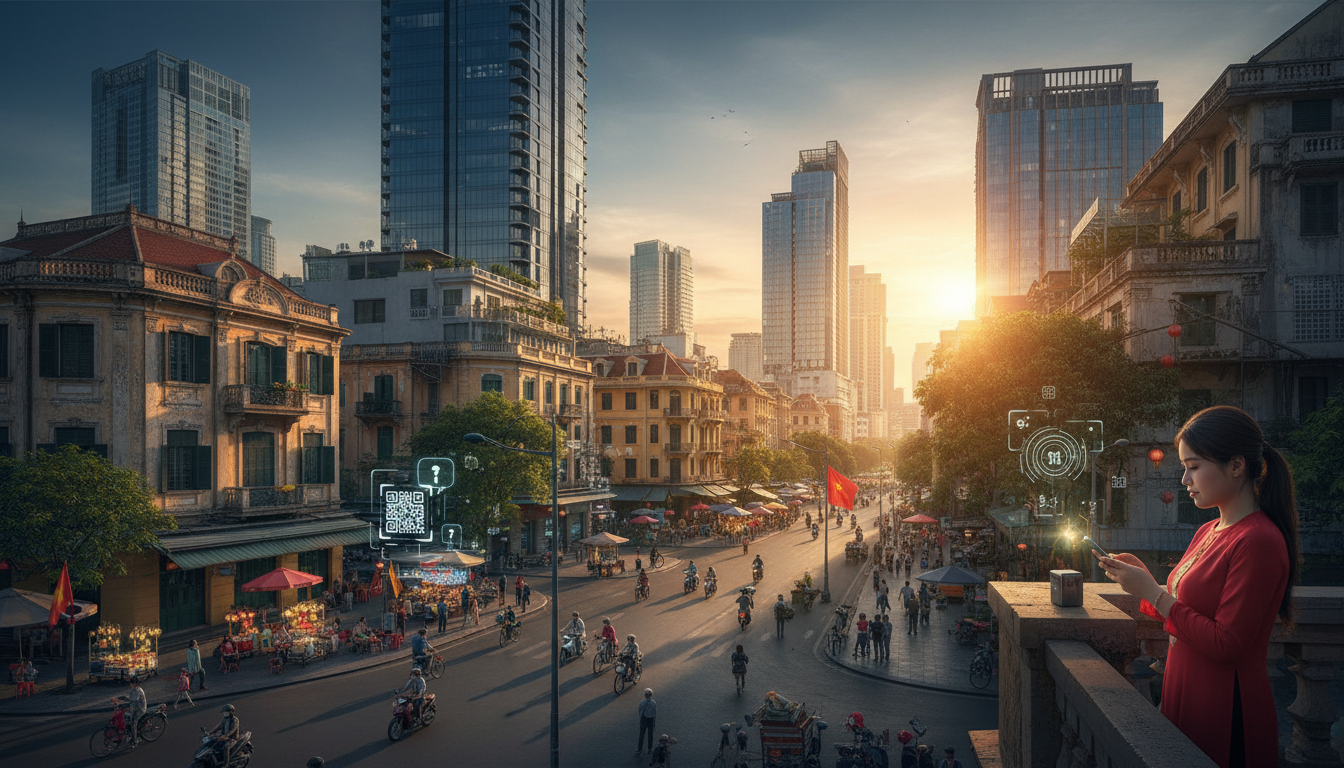
ベトナムのキャッシュレス化は急速に進んでいますが、現金主義の文化も根強く残っています。古いカード保有率だけでは、現在の店頭受入状況は判断できません。国内向けQR決済は旅行者が口座・本人確認要件を満たせない場合もあるため、国際カードと現金を基本にします。
What's important for travelers is to grasp in advance where cards can be used and where cash is needed.
Credit card brands you can use in Vietnam
The most widely accepted in Vietnam are Visa and Mastercard.
These two brands can be used with almost no problem at major tourist facilities like hotels, restaurants, and shopping malls. Other international brands like JCB, American Express (Amex), and Diners Club, on the other hand, have limited places where they can be used.
Recommended card brands and preparation
For a Vietnam trip, we strongly recommend bringing at least one Visa or Mastercard.
If you want even more peace of mind, it's good to prepare cards of multiple brands. To prepare for trouble like theft, loss, or magnetic-stripe failure, keeping two or more cards stored in separate places is wise.
If you have a JCB card, you can use the JCB Plaza in Ho Chi Minh City. There you can receive tourist guidance in Japanese, booking support for JCB member restaurants and hotels, and support in case of card theft or loss.
Places where you can use credit cards in Vietnam
In Vietnam's urban areas, places where credit cards can be used are steadily increasing.
However, the situation varies greatly by place and shop size. Here we explain the credit card usage situation in detail by specific scene.
Hotels and lodging
都市部でも宿泊施設ごとに対応が違い、予約時のオンライン決済と現地決済が別条件の場合もあります。
At international chain hotels and mid-range or higher hotels especially, since credit cards can be used even for the deposit payment at check-in, there's no need to carry large amounts of cash. On the other hand, at small regional guesthouses and budget hotels, plenty of them are cash-only. If "cash only" is clearly stated on the booking site, you must prepare cash to bring.
Restaurants and cafes
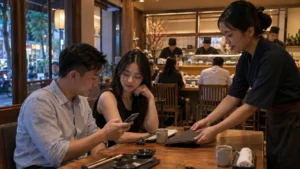
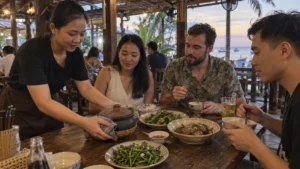
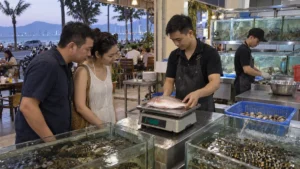
At large cafe chains (Starbucks, Highlands Coffee, etc.) and restaurants heavily used by tourists, credit card payment is possible.
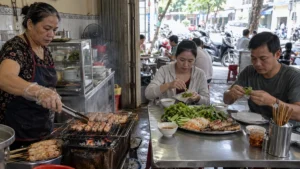
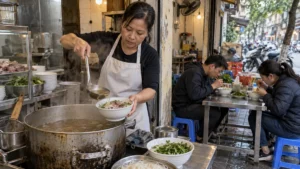
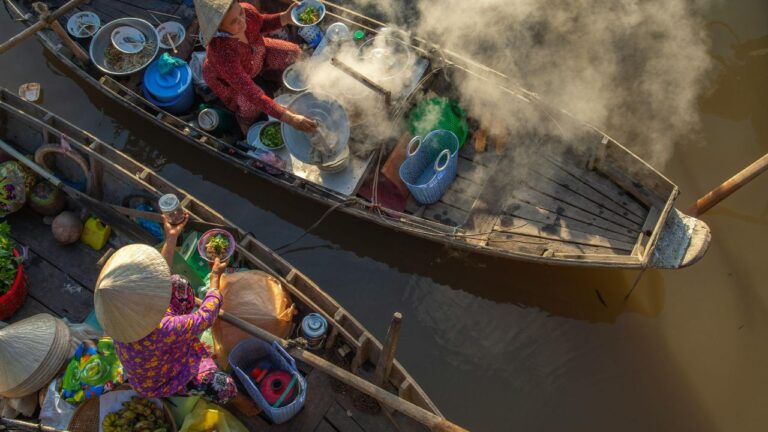
But at small local cafes, street stalls, and local eateries, there are many shops where credit cards can't be used. This is because there's a tendency to avoid the cost of installing card payment terminals and the fees. Therefore, we recommend preparing a small amount of cash (Vietnamese dong).
Shopping malls and convenience stores
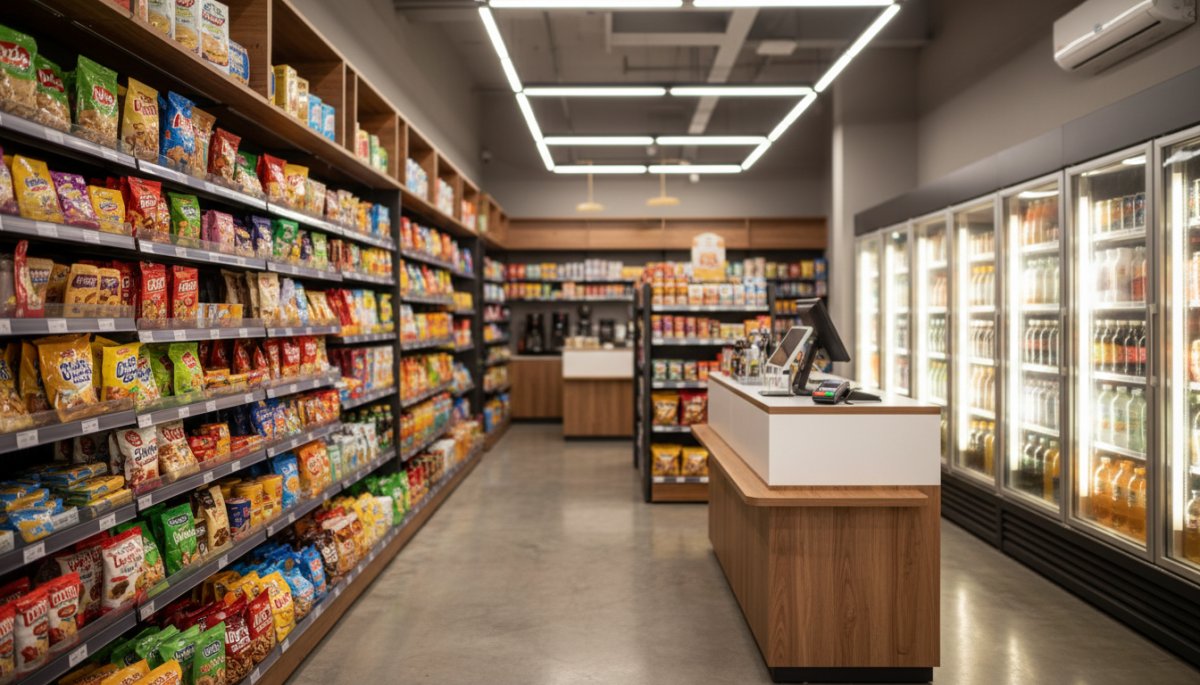
コンビニでも店舗、端末障害、最低利用額などでカードが使えないことがあります。会計前に国際カードのロゴを確認し、少額現金も用意してください。
It's very convenient when buying a little drink, snack, or daily necessity. However, at small privately run shops in the regions, there are shops where credit cards can't be used. Still, for everyday shopping in urban areas, you can consider card payment at convenience stores usable with almost no problem.
Taxis and transport
流しのタクシーでカードが使えるとは限りません。乗車前に支払方法を確認し、キャッシュレスを希望する場合は対応する配車アプリ内決済を設定します。
When using the ride-hailing app "Grab," registering a credit card lets you pay cashlessly. In major cities, transit IC cards are being introduced, but sometimes cards can't be used in some cases. When getting around, it's good to carry cash including small change, or make use of a ride-hailing app like Grab.
Tourist facilities and admission tickets
At large tourist facilities like the Reunification Palace and War Remnants Museum in Ho Chi Minh City, and the Ho Chi Minh Mausoleum and Temple of Literature in Hanoi, credit cards can often be used.
But at small regional temples and tourist spots, it can be cash-only in some cases. At some facilities online card payment is also possible, so checking the official website in advance gives peace of mind.
Cautions when using credit cards in Vietnam
Credit cards are convenient, but there are a few cautions.
About fees
When you use a credit card overseas, exchange fees and overseas transaction fees apply.
海外事務手数料、為替レート、ATM手数料はカード会社・商品ごとに異なり、旧記事の1.5〜2.0%を共通相場とはできません。出発前に発行会社の最新料率を確認してください。また、一部の店舗では、クレジットカード決済に対して追加手数料を請求する場合もあります。大きな買い物をする際は、事前に手数料について確認しておくと良いでしょう。
The risk of fraudulent use
In Vietnam, the risk of credit card fraud or skimming is not zero.
信頼できる店舗やATMでのみカードを使用し、怪しい端末は避けることが重要です。また、カード利用後は必ず明細を確認し、不審な取引があればすぐにカード会社に連絡しましょう。不正利用補償には申告期限や暗証番号管理などの条件があります。通知を有効にし、疑わしい取引はカード会社へすぐ連絡してください。
Cash is still essential
In Vietnam, it is hard to get through an entire trip on credit cards alone.
屋台やローカル市場、小規模な店舗では現金が必要となる場面が多いため、必要な現金は予定と人数で変わります。高額を一か所に持たず、当日使う小額紙幣と予備を分け、円換算は当日のレートで確認してください。空港の両替所は利便性が高いものの、為替レートがあまり良くないこともあるため、最初は少額だけ両替し、市内の両替所を利用するのが賢明です。小額紙幣(1,000〜5,000ドン札)は屋台やチップの支払いに便利です。
ATM tips and cautions
When you need cash, withdrawing from an ATM is convenient.
Vietnam’s major cities have plenty of ATMs that accept international cash cards and credit cards. Note, however, that ATM use often comes with a fee of a few hundred yen per withdrawal. Some ATMs also cap the amount you can withdraw at once, so if you need a large sum, you may have to make several withdrawals.
When using an ATM, it’s safer to choose one inside a bank branch or in a busy area. Avoid using ATMs at night or in deserted spots. When entering your PIN, stay aware of your surroundings and shield the keypad from view.
決済画面で必ず見る3点
- 金額の桁と通貨がVNDか
- 日本円換算(DCC)を勝手に選ばれていないか
- 決済完了・取消・返金のレシートがあるか
日本円表示は分かりやすくても、店舗・ATM側の換算レートや追加費用を含む場合があります。選択肢が示されたらVND建てと総費用を比べ、自分で選択してください。カード2枚と現金を別々に保管し、番号と緊急連絡先の控えはカードと離して持ちます。
Summary: Using credit cards in Vietnam’s cities
In Vietnam’s major cities, the number of places that accept credit cards is steadily growing.
At the main facilities tourists use—hotels, large shopping malls, restaurants, convenience stores, and taxis—Visa and Mastercard work with almost no trouble. But street stalls, local markets, and small shops often require cash, so it’s wise to use credit cards and cash together.
Before your trip, prepare several Visa or Mastercard cards and store them in separate places in case of theft or loss. It’s also important to understand the fees and fraud risks so you can use your cards safely.
To enjoy your trip to Vietnam in comfort, make good use of both credit cards and cash and create wonderful travel memories.