When planning a trip to Vietnam, flights aren’t the only option.
In fact, the Reunification Railway, connecting Hanoi and Ho Chi Minh City over about 1,726 km, teaches you a new way to enjoy travel.
The travel time is long, but the scenery from the window, the people you meet on board, and above all the experience of “the journey itself becoming part of the trip” are charms you can’t taste by plane. In this article, we convey practical information for traveling between Vietnam’s major cities by rail—how to book, fares, seat types, and even tips for spending your time comfortably.
What is the Vietnam Reunification Railway? A historic line connecting north and south
The Vietnam Reunification Railway is the country’s most important rail line, connecting Hanoi in the north with Ho Chi Minh City in the south.
かつて南北に分断されていたベトナムが統一されたことを記念して「統一鉄道」と呼ばれるようになりました。全長1,726kmという距離は、日本で例えると北海道の旭川から鹿児島までに相当します。全区間の所要時間は列車・ダイヤ・遅延で変わります。30〜40時間という旧記事の目安だけで接続を組まず、乗車日の公式時刻表で確認してください。
Considering travel alone, planes are overwhelmingly faster and often cheaper. But the time spent moving leisurely overland, gazing at the changing scenery from the window and mingling with locals, is the very essence of travel.
Popular overnight-train routes and travel times
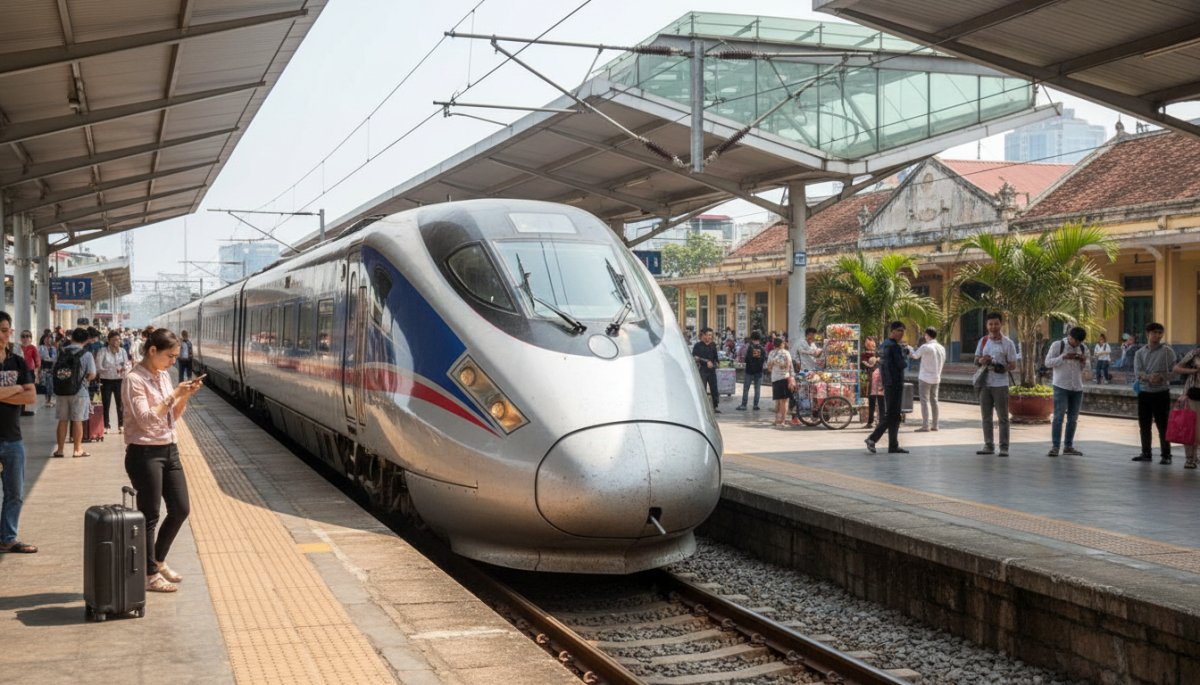
Within Vietnam’s rail network, overnight-train routes are especially popular.
ハノイからサパ(ラオカイ)へ向かう山岳ルートは、所要時間7〜8時間で、夜行便の時刻や運転日は変更されます。ハノイ〜ラオカイ駅の時刻を公式予約画面で確認し、ラオカイからサパへの別移動も組み込んでください。山の景色、霧の渓谷、棚田といったベトナム北部の高地の美しさを堪能できるルートです。
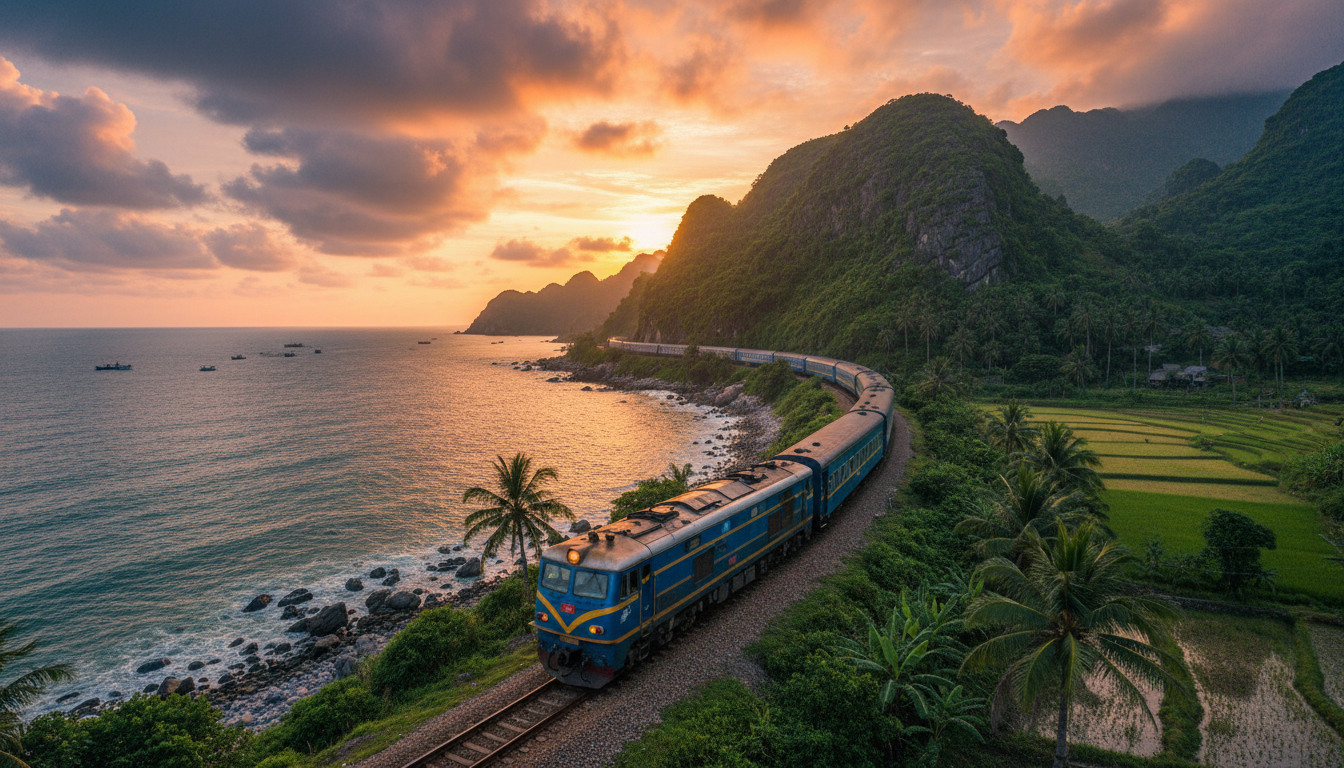
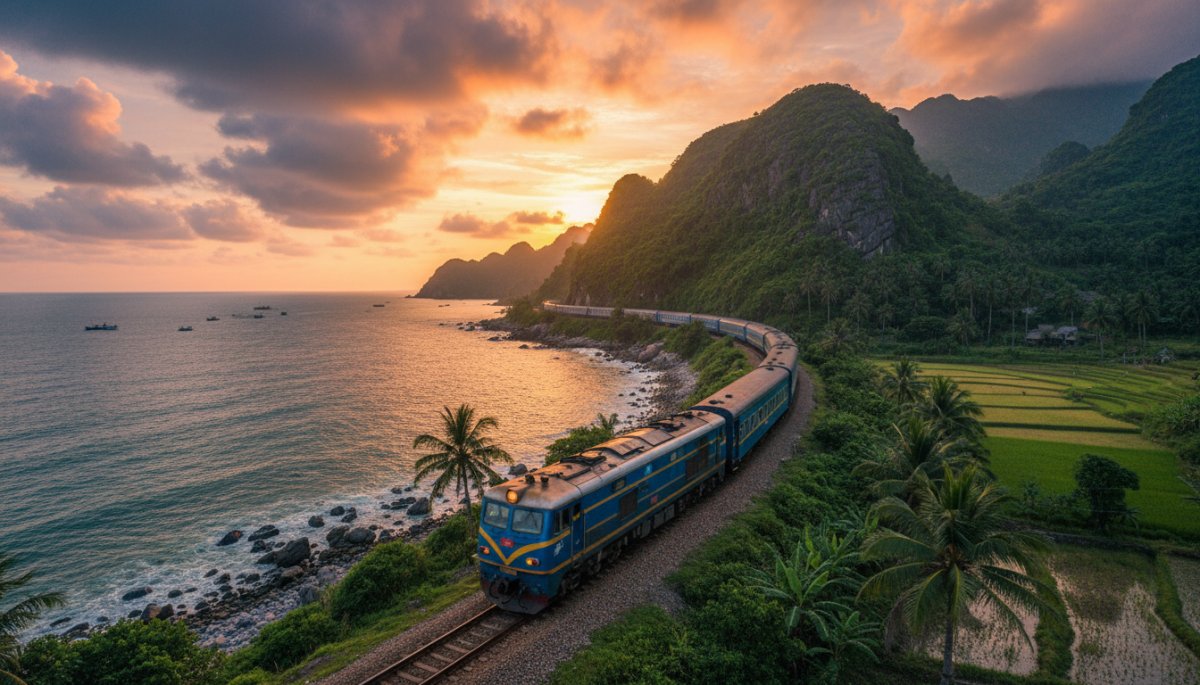
The central coastal route from Hanoi to Da Nang or Hue takes 12–18 hours depending on the destination. Flexible departure times are set, from around 06:10 in the early morning to after 22:00 late at night, so you can choose to match your travel style. The stretch between Hue and Da Nang in particular is known as one of Vietnam’s most scenic rail routes, with breathtaking coastal views.
The coastal route from Ho Chi Minh City to Nha Trang takes 7–9 hours, with several trains operating daily. The sunrise views over the coastal plains and the south-central coast make for an ideal experience for beach lovers.
Sources Vietnam Airlines: “Vietnam sleeper trains: ticket classes, how to book & precautions”created from
How to book tickets | online booking is convenient
Booking tickets for the Vietnam Reunification Railway can be done easily online.
アジアの鉄道を専門に予約できる公式販売と予約代行サイトには、手数料、変更・払戻条件、問い合わせ先の違いがあります。12Goなどを使う場合も、列車番号・運行会社・最終価格を公式情報と照合します。東南アジアからオセアニア、日本に至るまで乗り物の予約を一手に引き受けるこのサイトは、日本語にも対応しており、初めての方でも安心して利用できます。
Booking steps on 12go
First, enter the necessary information.
Fill in your “origin,” “destination,” “date,” “one-way or round-trip,” and “number of people,” then click [Search Tickets]. For example, search between Da Nang and Ho Chi Minh City and several options appear under the “Train” tab. Trains are shown as “SE〇〇,” and options with different classes line up even for the same train number. Since there are three types—“Second class,” “Second-class sleeper,” and “First-class sleeper”—choose carefully to avoid mistakes.
When choosing a seat, Cabin means the room, and the number within it is the berth number. It’s divided into upper and lower berths, but the lower is recommended. You can see the scenery, and sitting on the lower berth is more comfortable.
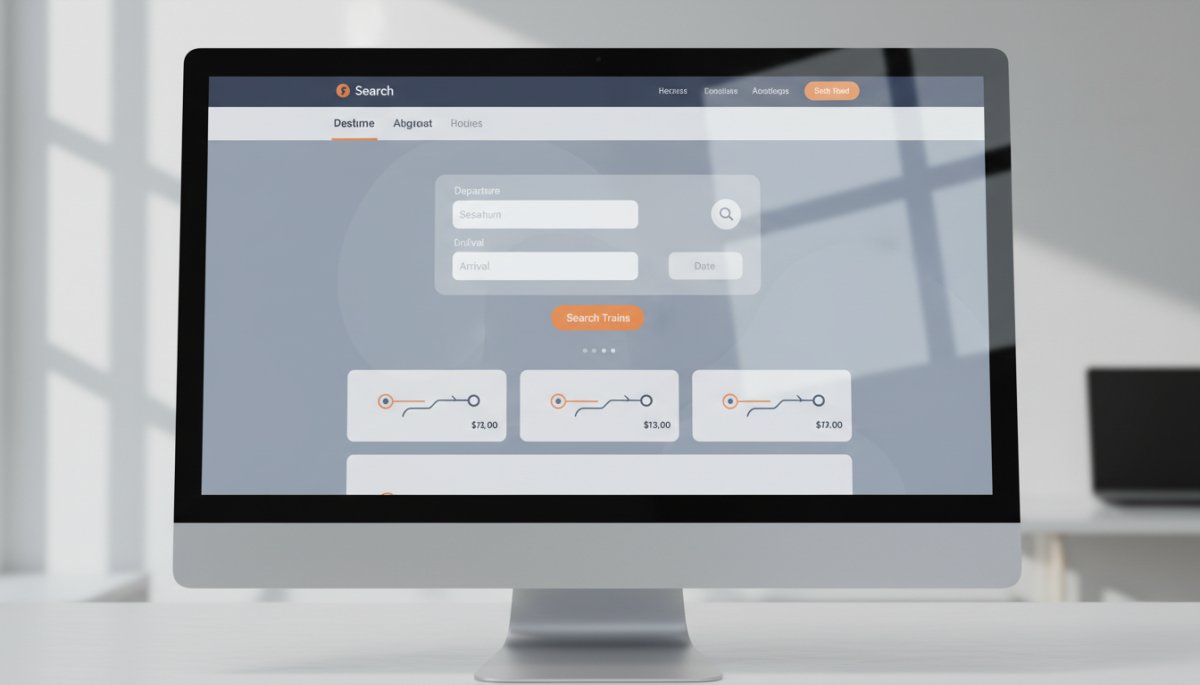
After filling in the required fields for contact information, next is choosing travel insurance. You select it from a pull-down, but if you have overseas travel insurance, you can choose “No insurance.” The donation under “Recommended services” is optional, and “Premium Support” is an option that gives you priority handling if anything happens. There’s no problem leaving it unchecked.
最後にクレジットカード情報を記入します。サービス料として若干の手数料が引かれますが、PayPalも使えます。ただし手数料がクレジットカードより若干高めです。「支払う」ボタンで予約完了です。決済完了画面だけで予約成立と判断せず、乗客名、旅券情報、列車番号、日付、発着駅、座席・寝台番号が記載された有効な電子乗車券を確認してください。
Sources Vietnam Hiromi Channel: “[Vietnam Reunification Railway] a thorough guide to riding and booking tickets”created from
Seat types and fares | choosing a class by comfort
Vietnam’s sleeper trains have several seat classes.
It’s important to choose while weighing the balance of budget and comfort. Here we introduce five representative classes.
Hard seat | the most economical choice
ハードシートは、木製ベンチが特徴の最も基本的で手頃なオプションです。1つのベンチに2〜3人の乗客が座る設計で、価格は区間・列車・日付で変わるため、固定の最低価格や米ドル換算は参考にせず、予約時のVND総額を確認します。
It’s the most budget-friendly, with sightseeing opportunities from window seats too. The face-to-face seating that encourages social interaction is another appeal. However, it lacks cushioning and comfort for a long trip and can get crowded and noisy. The reclining function is limited too, making it unsuitable for overnight travel. It’s ideal for budget-focused travelers on a short daytime itinerary (under 4 hours).
Soft seat | a basic cushioned seat
The soft seat is a basic cushioned seat with a limited reclining function.
Priced from 155,000 VND (about US$6.2), it’s more comfortable than the hard seat but can’t be called sufficient for long-distance travel.
6-person cabin | a balance of cost and comfort
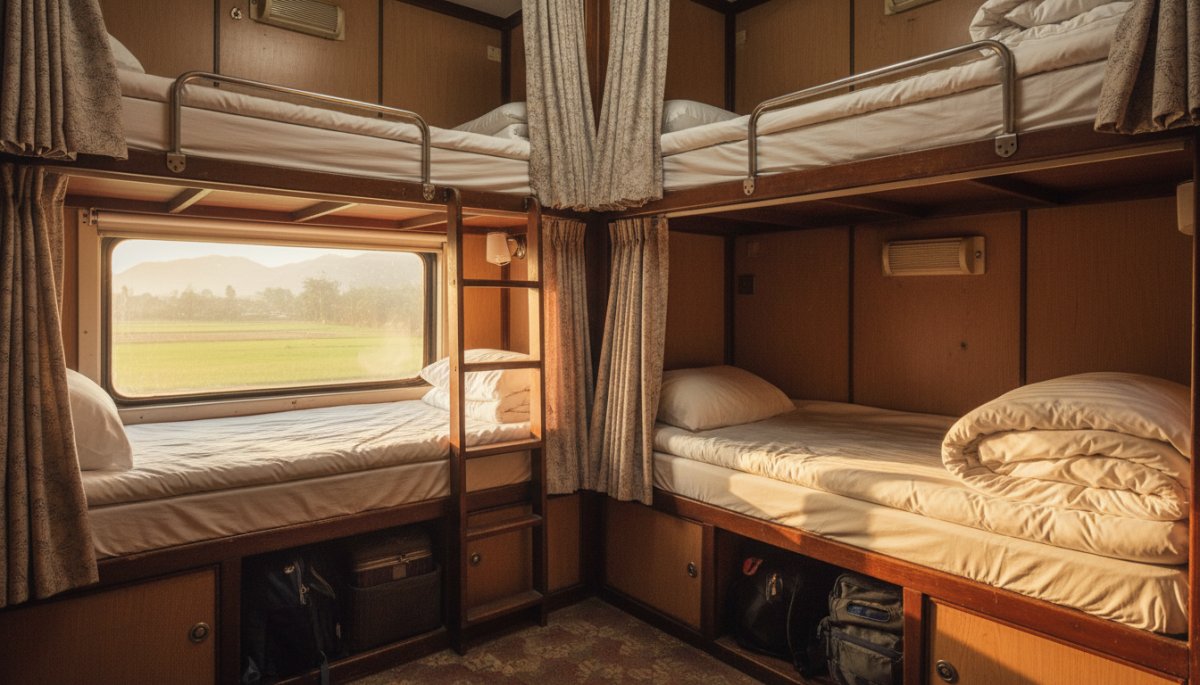
The 6-person cabin is a sleeper car with three-tier bunks on both sides. Priced from 642,000 VND (about US$25.7), that’s a guide for the Hanoi–Da Nang/Hue stretch. Since you can use a berth at a more affordable price than other classes, it’s popular with budget-focused travelers.
4-person cabin | for those who prioritize comfort
The 4-person cabin has two-tier bunks on both sides, securing more space.
Priced from 875,000 VND (about US$35), that’s for the Hanoi–Da Nang/Hue stretch. With a good balance of privacy and comfort, it’s recommended for long-distance travel. Those who have actually ridden it also rate the first-class sleeper (4-person cabin) as comfortable.
2-person VIP cabin | for those seeking the utmost comfort
The 2-person VIP cabin is the most comfortable option. Priced from 1,300,000 VND (about US$52), that’s for the Hanoi–Sapa (Lao Cai) stretch. With private space secured, you can enjoy a relaxed journey.
Sources Vietnam Airlines: “Vietnam sleeper trains: ticket classes, how to book & precautions”created from
Tips for boarding and what the cars are like | for a comfortable trip
Once you’ve booked your ticket, next is the actual boarding.
Vietnam’s railways differ in many ways from Japan’s, so knowing them in advance gives you peace of mind.
Precautions at the station
Once you arrive at the station, have your QR-code ticket ready. Present the ticket sent by email and you can board. However, since there are situations where you basically can’t order without Vietnamese, learning some simple Vietnamese phrases is handy.
At Hanoi’s station, you seem to be approached relatively little, but in Ho Chi Minh City you may be approached in Japanese. Even if invited with “Want to go sightseeing by motorbike? I’ll guide you!” avoid getting into a stranger’s vehicle.
In-car facilities and how to spend your time
The interior of the sleeper cars is relatively clean.
Though called an express, it’s diesel, so it only goes about 70 km and rattles quite a bit. But the berths are comfortable, and the train’s gentle swaying and the regular sound of the tracks bring, surprisingly, a peaceful sleep.
The toilets are clean at first, but on long-distance trips their condition can worsen in the latter half. Also, since someone may do laundry, there’s a chance of it getting soaked. When in Rome, do as the Romans do—a readiness to accept it is needed.
The scenery from the window differs greatly between north and south. The north is a bit cloudy, but you can enjoy the dramatic change of passing through a tunnel into a tropical rainforest. The south is sunny and pleasant, and you’ll be surprised by the vast expanse of rice fields.

About meals
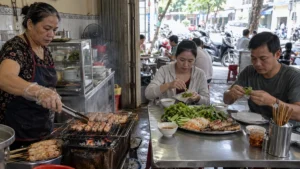
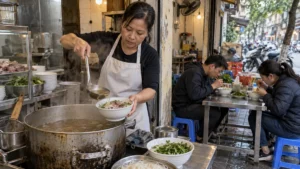
Some trains have a dining car, but we basically recommend preparing food in advance. It’s sometimes sold around the station or on board, but the options are limited. Enjoying a meal at a local Vietnamese street stall before boarding is one method too.
Sources Vietnam Hiromi Channel: “[Vietnam Reunification Railway] a thorough guide to riding and booking tickets”created from
予約確定前のチェック
- 同名駅、発着駅、日付、列車番号
- 旅券と同じ氏名・番号
- 上段/中段/下段、男女混合室、車両設備
- 手数料、変更・払戻条件、販売元の連絡先
- 遅延を見込み、航空便などとの接続に余裕を持たせる
Summary | a Vietnam trip savored by rail
Traveling between Vietnam’s cities by rail has value beyond mere transport.
The scenery from the window, the people you meet on board, and the experience of the journey itself becoming part of the trip are things you can never taste by plane. Booking can be done easily on online sites like “12go,” and you can choose a seat class to match your budget and comfort.
Long-distance travel takes time, but that very time is a precious chance to understand the country of Vietnam deeply. Hanoi’s calm atmosphere, Da Nang’s resort feel, Ho Chi Minh City’s energy. Through rail travel, you can sense the individuality each city holds.
On your next trip to Vietnam, do try the Reunification Railway. You’re sure to encounter new charms of Vietnam.