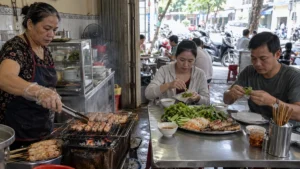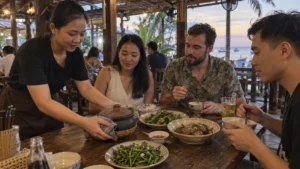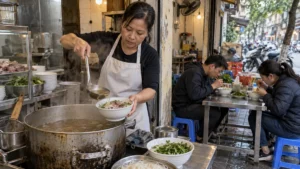
The deep relationship between Vietnamese cuisine and vegetables
When you think of Vietnamese food, many people probably picture pho and fresh spring rolls. But the secret to their deliciousness actually lies in abundant vegetables.
Vietnam is located from the tropics to the subtropics, with a warm climate continuing year-round. This blessed environment makes it possible to grow a variety of vegetables. Vietnamese cuisine, developed under Chinese and French influence, is characterized by delicate flavors that aren't too spicy or too sweet like other Southeast Asian cuisines.
野菜やハーブを多く添える料理はありますが、揚げ物、糖分、塩分、量まで見なければ「ベトナム料理=ヘルシー」とは言えません。人気を性別で一般化せず、香り・食感・調理法の違いに注目します。
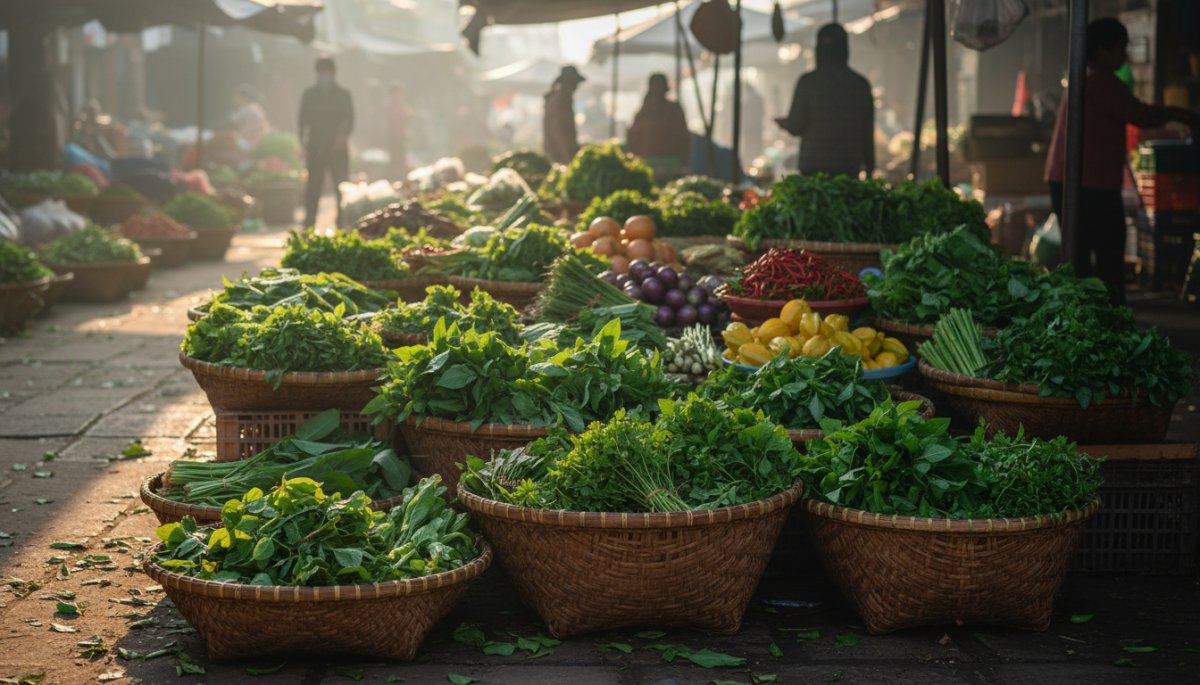
Leafy vegetables essential to Vietnamese cuisine
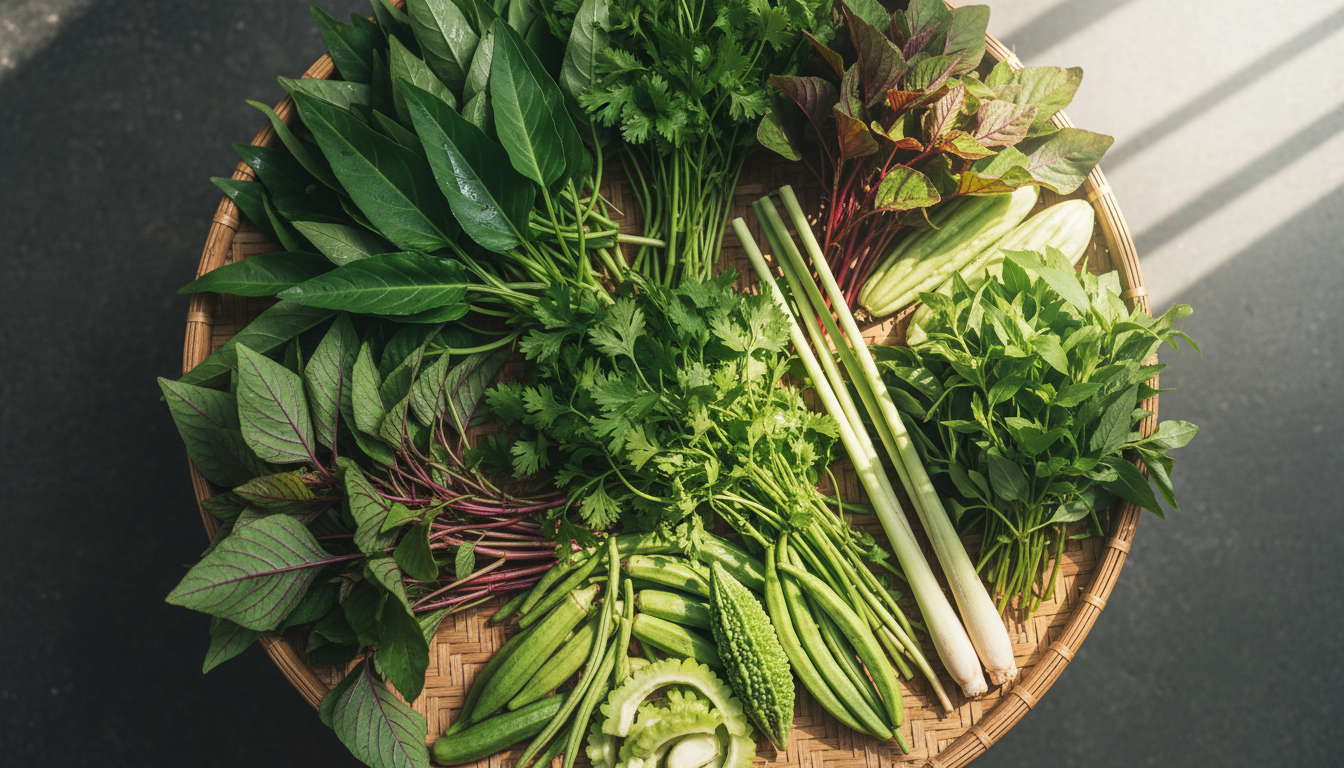
Cilantro (rau mui): the king of aromatic herbs that divides opinion
Cilantro, known for its distinctive aroma. In Vietnam it's called "rau mui" (Rau mui).
Actually, the word "pakuchi" is Thai. Saying "No pakuchi" at a Vietnamese restaurant won't get through, so caution is needed. This herb, essential to pho and fresh spring rolls, is a key presence that defines the flavor of Vietnamese cuisine.
Water spinach (rau muong): a staple vegetable with a crisp texture
Water spinach is called "rau muong" (Rau muong) in Vietnamese. In Japan it's mainly seen at Chinese restaurants, but in Vietnam it's a home-cooking staple.
空芯菜のにんにく炒め(rau muống xào tỏi)は定番料理です。表記は「xao tối」ではなく「xào tỏi」が一般的です。空芯菜は生食を勧めず、十分に洗浄・加熱されたものを選んでください。
Amaranth (rau den): a nutritious super grain
ヒユナはベトナム語でrau dềnと呼ばれる葉野菜です。「スーパーグレイン」は穀物向けの表現で、葉野菜のヒユナをそう呼ぶ根拠は不明確です。若い女性に人気という断定も削除します。
葉と茎はスープや炒め物に使われます。生で食べられるかは野菜の種類、衛生状態、現地の食べ方で異なるため、種類を特定できない葉物の生食は勧めません。
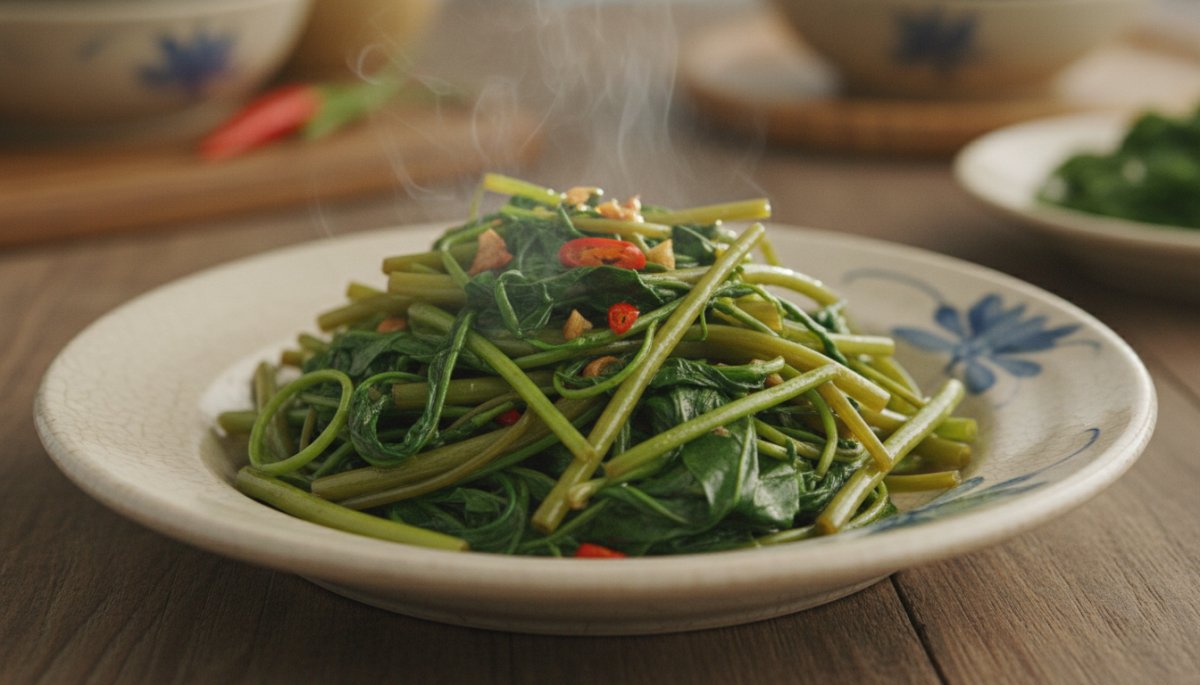
Limnophila (rau ngo / rau om): an aromatic herb that differs by region
Limnophila is an aromatic herb unique to Southeast Asia that doesn't exist in Japan. In Vietnam the name differs by region, called "rau ngo" (Rau ngo) in the north and "rau om" (Rau om) in the south.
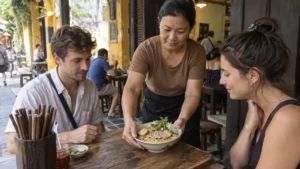
It's also known as a vegetable that comes with pho when you order at a local eatery, and it's essential for enjoying the local flavor.
Vegetables and cooking methods unique to Vietnam
Gotu kola (rau ma): the raw material for the herbal juice that eases the heat
Gotu kola is called "rau ma" (Rau ma) in Vietnamese. In Japan it's treated as a weed, but in Vietnam it's recognized as a proper vegetable.
ツボクサ(rau má)はジュースや料理に使われ、「体の熱を冷ます」と伝統的に説明されますが、医薬品のような効能を保証する表現ではありません。市販ジュースは砂糖量と氷の衛生も確認してください。
Watercress (xa lach xoong): an upscale vegetable of French origin
クレソンはxà lách xoongと呼ばれます。栄養を含む野菜ですが、特定の料理や一種類の野菜だけで生活習慣病を防げるとは言えません。生食する場合は洗浄状態を確認してください。
In Japan it's used infrequently, but in Vietnam it's often used as a soup ingredient. Within Vietnam, Da Lat is the main growing area, and Da Lat's watercress is popular for its good quality.
Peperomia (rau cang cua): a staple of home cultivation
Peperomia is "rau cang cua" (Rau cang cua) in Vietnamese. You almost never see it in Japanese supermarkets, but in fact it's not seen much in Vietnamese supermarkets either.
The reason is that, since it basically grows easily with just soil and water, many people grow it at home. It's included among the vegetables that come with pho, and used in stir-fries. It has a characterful taste, so it's a vegetable that divides opinion.
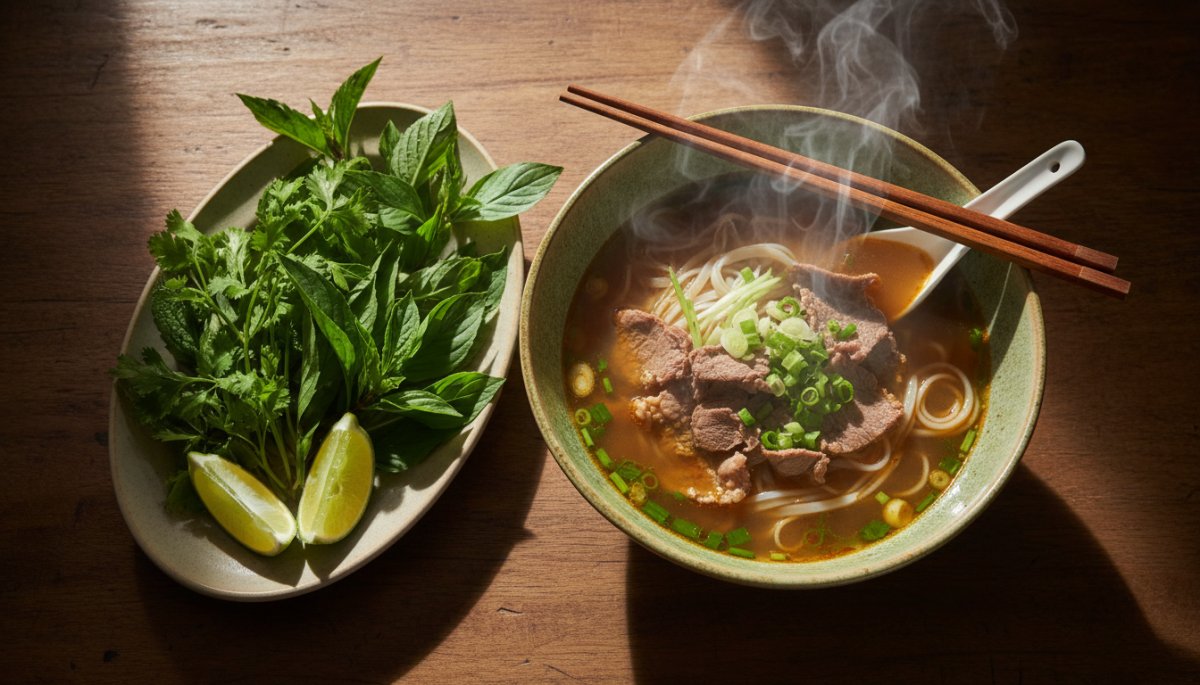
Vietnam's gourd-family vegetables and their features
Chayote: a versatile vegetable with a crisp texture
Small and neutral in flavor, chayote is frequently used in Vietnamese home cooking. Peel it, slice it thin, and stir-fry it with garlic and it becomes a crisp, delicious dish. It's also tasty added to miso soup.
Bitter melon and luffa: tropical vegetables shared with Okinawa
In tropical Vietnam, the same vegetables as Okinawa are eaten too. Bitter melon, now quite mainstream in Japan too, is a popular vegetable in Vietnam as well. Luffa is also grown, and the smaller sizes can be cooked in easy-to-use ways.
Vietnamese pumpkin: varied shapes and textures
Vietnamese pumpkins have brown skin and come in various shapes, some slender, some flat. They give a more watery impression than Japanese ones, but leaving them for a while before use makes them sweet and delicious.
Zucchini comes in both green and yellow, and it's popular as a cheap, easy-to-use vegetable. A feature is that many are larger than what you see in Japan.
Jicama: a turnip-like vegetable you can eat raw
Jicama, seen everywhere, is shaped like a turnip. Peel and cut it and you can eat it raw, enjoying a faintly sweet, crunchy, slightly sticky texture.
It's tasty cooked too, but a feature is that it's often eaten as a snack.
How vegetables are eaten in Vietnamese cuisine
Fresh spring rolls (goi cuon): enjoying plenty of vegetables
Fresh spring rolls (goi cuon), which wrap fresh fillings in translucent rice paper, are a representative Vietnamese appetizer. A dish where the chewy wrapper and the crisp texture of the vegetables are a delight.
Fillings combining plump shrimp, vermicelli, sunny lettuce, cilantro, and chives are characterized by a refreshing aroma. Dip them in the accompanying nuoc cham or sweet chili sauce and sweetness and tartness are added for a richer flavor.
Banh xeo: a Vietnamese-style crepe eaten wrapped in vegetables
Banh xeo, a rice-flour crepe dyed a vivid golden color with turmeric. It's characterized by a distinctive texture, crisp on the outside and chewy on the inside.
The classic way is to wrap it in fresh sunny lettuce or cilantro and eat it dipped in a special fish-sauce-based nuoc cham. This way of eating lets you enjoy it as a healthy, enticing dish where you can take in plenty of fresh vegetables too.
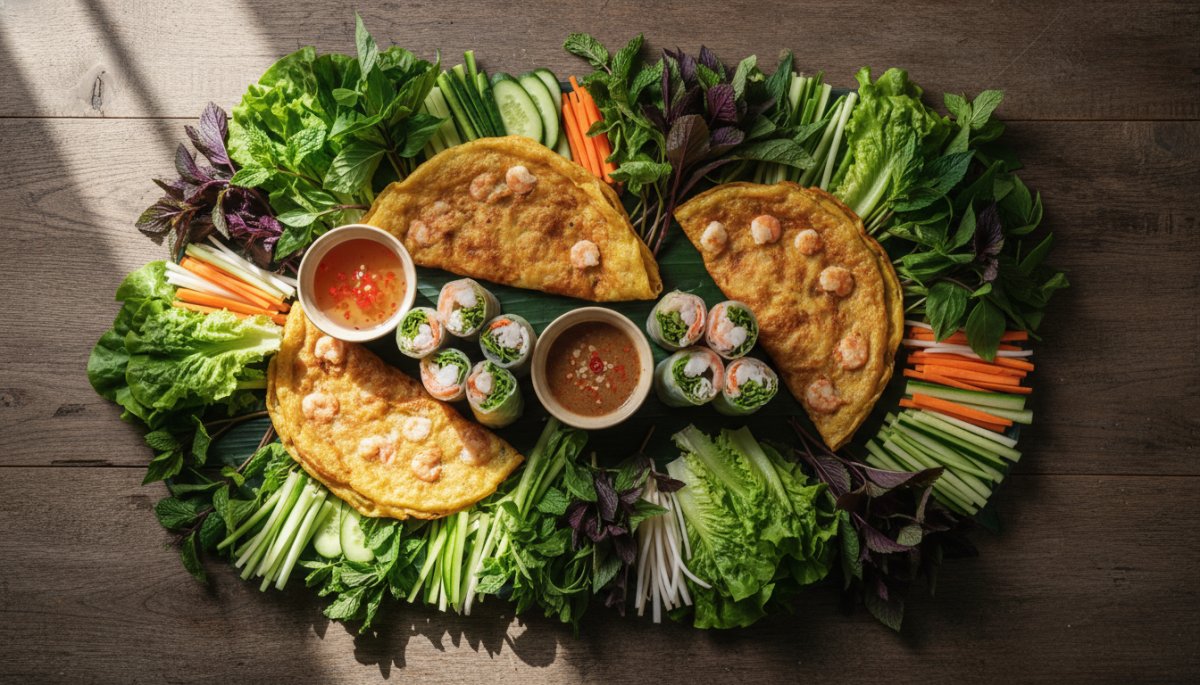
Cha ca: a Hanoi specialty hotpot loaded with vegetables
Cha ca is a specialty dish of northern Vietnam. It's a dish where you pan-fry white fish and vegetables in a pot set on the table.
Its feature is the abundance of vegetables. Since a heaping of scallions and dill is served along with the fish, you can take in plenty of vegetables too. Once the fish and vegetables are cooked, you eat them dipped in a sauce along with rice-flour noodles (bun).
Goi ca: a refreshing combination of vegetables and fish
"Goi ca," where you savor vinegar-marinated white fish wrapped in rice paper. "Goi" means to toss, and "ca" means fish.
The typical way is to wrap light white fish with vegetables and herbs and eat it dipped in sauce. The style of wrapping and eating it yourself is a familiar dish, like Japan's hand-rolled sushi.
How to enjoy Vietnamese vegetables in Japan
Vietnamese vegetables you can buy in Japan
In recent years, Vietnamese vegetables have come to be imported to Japan too. Not just cilantro, but various vegetables are now available.
At large supermarkets and Asian grocery stores, you can buy water spinach, cilantro, rice paper, and more. Choose fresh ones and try your hand at Vietnamese cooking.
Japanese vegetables you can substitute
Even when Vietnam-specific vegetables aren't available, you can substitute Japanese vegetables. Using spinach instead of amaranth, or mitsuba instead of limnophila, you can get close to an authentic flavor with a little ingenuity.
大切なのは、料理に合う香草を選び、十分に洗浄し、必要に応じて加熱することです。ベトナム料理の魅力を「ヘルシーさ」だけに縮めず、香り・苦み・食感の組合せとして楽しみます。
Tips for making Vietnamese food at home
The key point when making Vietnamese food at home is to use aromatic herbs without holding back. Herbs like cilantro, mint, and basil give the dish an authentic flavor.
Also, keeping basic seasonings like nuoc mam (fish sauce) and rice paper on hand lets you apply them to various Vietnamese dishes. Start with simple dishes like fresh spring rolls and pho.
旅行者が香草を安全に楽しむコツ
- 種類が分からない葉を野草感覚で口にしない
- 生野菜は回転のよい店で、洗浄状態を見る
- 妊娠中、免疫が弱い人、胃腸が不安な人は加熱料理を優先する
- 魚醤、エビ、ピーナッツなど一緒に出る材料も確認する
Summary: a healthy diet with Vietnamese vegetables
The vegetables used in Vietnamese cuisine are appealing for their variety and high nutritional value. Cilantro, water spinach, amaranth, and others each have a distinctive flavor and texture, giving depth to the dishes.
野菜が多く見える料理でも、たれの塩分、揚げ油、肉や麺の量で栄養バランスは変わります。一品を健康食と決めつけず、主食・たんぱく質・野菜・調味料を食事全体で考えてください。
Now that vegetables available in Japan are increasing, it's the perfect chance to try Vietnamese cooking. Why not use fresh vegetables and herbs to enjoy authentic Vietnamese flavors at home?
If you'd like to know more about Vietnam's food culture, coffee and sightseeing,VNyou can find detailed information. Enjoy Vietnam's appeal to the fullest.