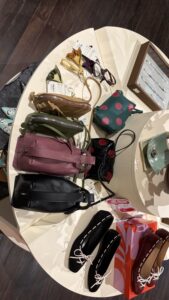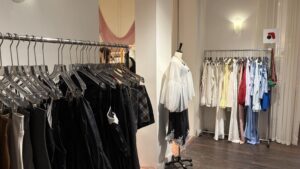
On the wooden shelves of a small select shop tucked away in a Hanoi back alley, white cards printed with handwritten brand names were lined up./ou'ba:d/, orié baie, à Linh, Label of Lace—cards with no logo to speak of, bearing only a pronunciation symbol or a single word of French. Each is a local Vietnamese apparel brand born within the past few years, and some are drawing tens of thousands of followers on social media while having almost no large flagship stores or advertising.
This article is a report that reads why Vietnam's young apparel scene is so interesting right now through the wider lens of shifting fashion currents across Asia, and introduces, as case studies, brands you can actually encounter in Hanoi's storefronts. To put the conclusion up front: Southeast Asia's presence is beginning to join the Asian trends that Korea has long led, and within that current, Vietnamese makers are quietly raising their hands.
Within Asian fashion, Southeast Asia's presence is growing stronger
For the past decade, Asia's sense of beauty has been led by K-POP and K-beauty. Clothes worn by Korean idols were imitated on Southeast Asian social media the next day, and Korean cosmetics filled drugstores across the region. That structure has clearly begun to waver as we enter 2026.
One is that Korean brands themselves have started to move, seeing Southeast Asia as their next main battleground. According to reports, the major select-shop chain Musinsa set up a base in Taiwan and plans to open more than a dozen stores within a few years, while Shinsegae-affiliated Studio Tomboy opened its first overseas store in Singapore. In Vietnam too, at a "Hallyu Expo" gathering 52 Korean fashion and beauty brands, W Concept held a pop-up in Hanoi (Seoul Economic Daily, July 2026). For Korean brands, Southeast Asia is growing in weight—from an aspirational supply source to a major sales destination.
The other is that Southeast Asia has muscled its way into the objects of aspiration. Around Fall/Winter 2026 (FW26) fashion week, Thai actors were notably visible around luxury houses like Dior, Chanel, and Prada (some were newly cast for FW26, while in other cases long-standing ambassador roles drew fresh attention). One analysis of earned media value (EMV) reported that over the past year the volume of fashion-world buzz swung heavily toward the Thai contingent (nss magazine). Southeast Asia has firmly joined the destinations drawing Asia's gaze.
| Period / event | What's happening | What this reveals |
|---|---|---|
| Up to the early 2020s | K-POP and K-beauty lead Asia's sense of aesthetics | The Korean wave was at the center of the trend |
| 2026: Korean brands' expansion into Southeast Asia | Musinsa in Taiwan, Tomboy in Singapore, and W Concept popping up at the Hallyu expo in Hanoi (with 52 Korean brands taking part) | Southeast Asia becomes a major market for Korea |
| Around FW26, 2026 | Around Dior, Chanel, and Prada, Thailand's Orm, Gemini, and Win stand out in their exposure | Southeast Asian players beyond K-POP join the center of the conversation |
| Meanwhile, on the ground in Vietnam | Young Vietnamese brands rise on social media | Local makers join the ranks of those setting the trends |
While Thailand basks in the spotlight through actors and celebrities, what's happening in Vietnam is less a changing of the guard than something closer to "the base of makers widening all at once." It isn't celebrities but a cluster of small, unknown brands that are starting to catch outside eyes together.
Three structural reasons Vietnam's apparel market is growing
The rise of Vietnam's local brands isn't a passing boom—it's backed by real underlying strength. Behind it lie the following three factors.
① One of the world's leading bases for garment-making and materials
Vietnam has long been a "country that sews," carrying much of the region's apparel exports. Skills and artisans in silk, cotton, and embroidered lace are clustered across the country, allowing high sewing quality even in small lots. The techniques once honed as a subcontractor for overseas brands are now beginning to flow into making clothes for the country's own brands.

(2) The disposable income of the social-media generation and "local pride"
People in their 20s and 30s in urban areas are a generation with disposable income who post daily on Instagram and TikTok. They don't just chase famous overseas brands; they find value in choosing and wearing small brands from their own country. This local pride is the driving force that pushes ad-budget-zero, unknown brands to tens of thousands of followers in a short time.
③ A D2C ecosystem you can start small in
What's notable is that many of these brands don't have their own brand websites. Instead, sales are completed through posting on Instagram, listing on the Shopee marketplace, and placing products in the city's select shops. Many brands list their prices openly on Shopee, and you can launch a brand without your own e-commerce site or large inventory. This lightness is what encourages individual designers to enter the field.
| Why it's growing | Background | How it affects apparel |
|---|---|---|
| A foundation of sewing and materials | A concentration of silk, cotton, and lace expertise and artisans cultivated through exports | High-quality clothes can be made even in small lots |
| The social-media generation and local pride | Young people with disposable income actively choose homegrown brands | Even unknowns can gain fans in a flash |
| D2C that starts small | Sales are completed through Instagram + Shopee + select shops | Individual designers can enter the market at low cost |
From the field—Hanoi's small select shop "Lả Space"
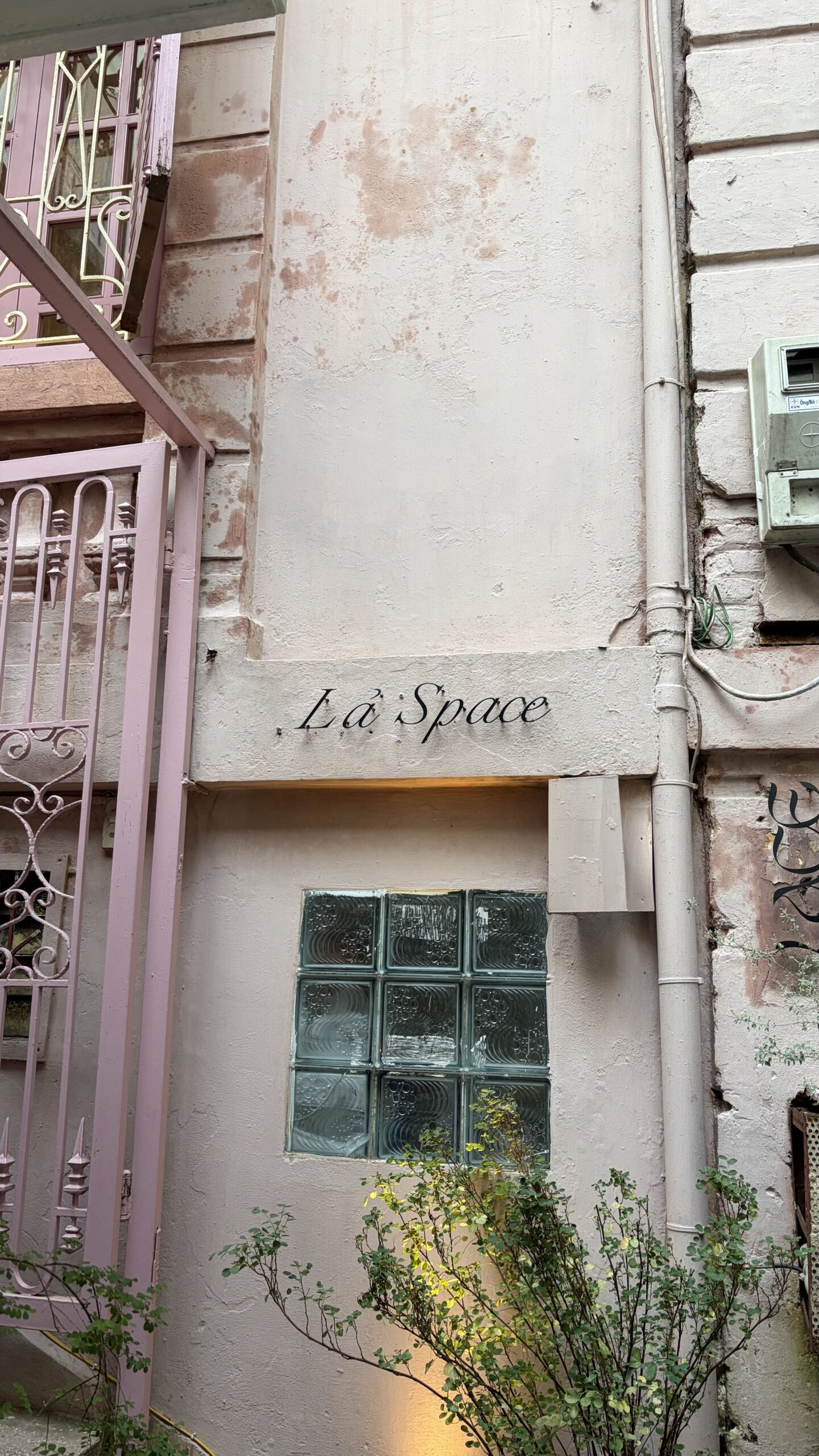
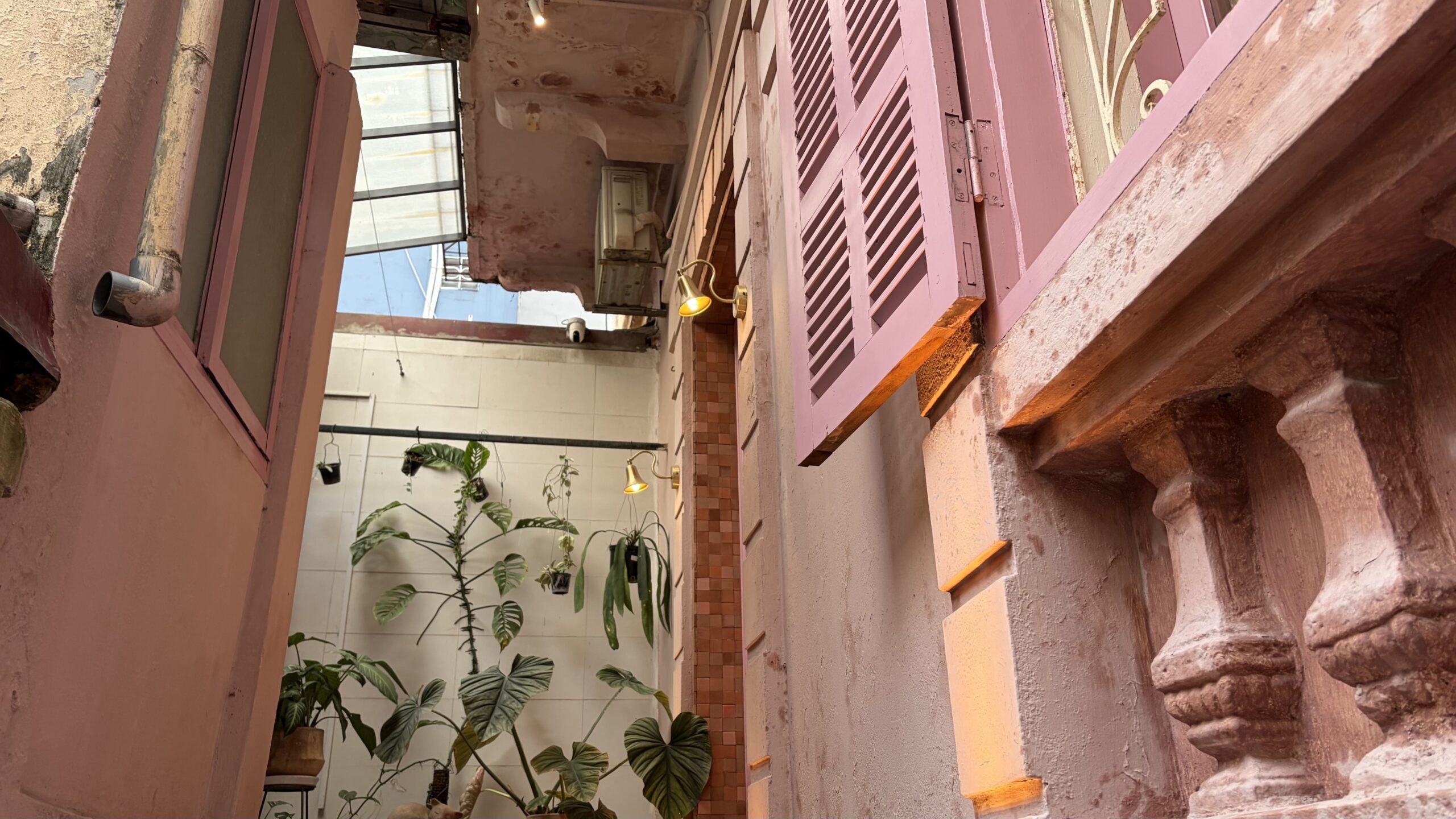
The place where you can take in this whole ecosystem at a glance is "Lả Space," a select shop tucked in an alley (52 Hàng Bún) in Hanoi's Ba Đình District. It's a concept store gathering women's local brands and handmade creators, where everything from fashion to lingerie, fragrance, and sundries is lined up in a single room.
The distinctive feature is a display that divides the shelves not with large logo signs but with a small name card for each brand. The cards mentioned at the start of this article were the ones lined up on this shop's shelves. Within one small store, a silk-dress brand, a lace-lingerie brand, and a pleated-clothing brand all stand side by side. It is a scene that symbolizes Vietnam's apparel scene today—"locals supporting locals."
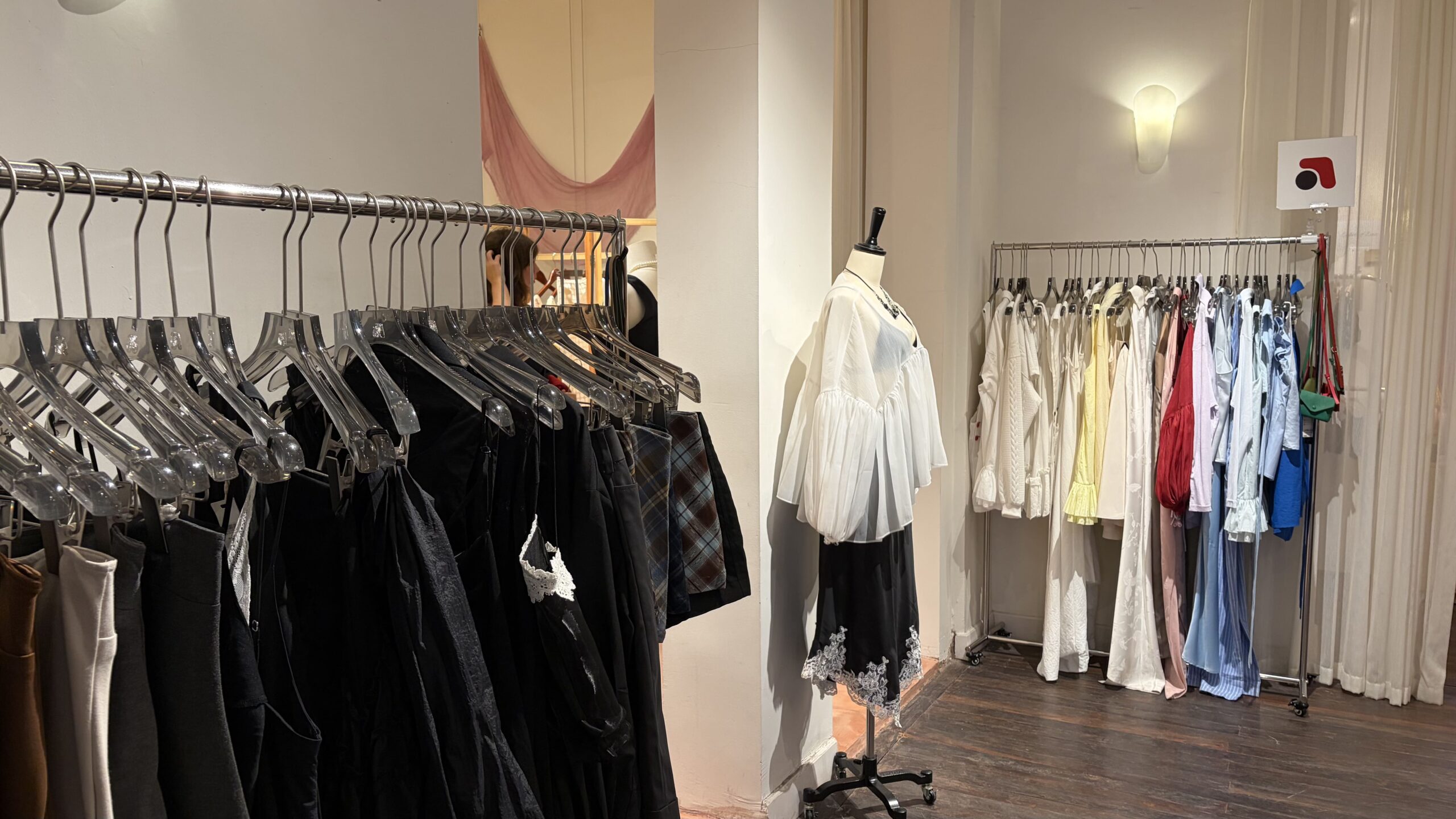
| Brand | What they handle |
|---|---|
| orié baie | Vintage-style silk dresses |
| /ou'ba:d/ | Pleated tops and pants |
| Label of Lace | Handmade lace lingerie (bralettes) |
| RedA | Dresses you can wear with ease |
| à Linh (pop-up) | Embroidered-lace dresses and tops |
| Others | Emspace, Xcuu, Silent form, Mood com, and others |
| Shop name | Lả Space |
|---|---|
| Address | 6 Ngõ 52 Hàng Bún, Ba Đình, Hà Nội |
| Area | In an alley in Ba Dinh District, northwest of Hanoi's Old Quarter |
| Getting there | Down a narrow alley (ngõ) off 52 Hàng Bún Street. Grab and taxis go only as far as the main street; from there you walk into the alley on foot. |
| Before you visit | Opening hours and stock vary, so check Instagram (@laspace.co) for the latest |
Below, we introduce five brands with especially clear identities among those on this shop's shelves, from the product angle of "what kind of shop is this?"
Read through case studies: 5 brands to watch
/ou'ba:d/ (Ho Chi Minh City | since 2018)
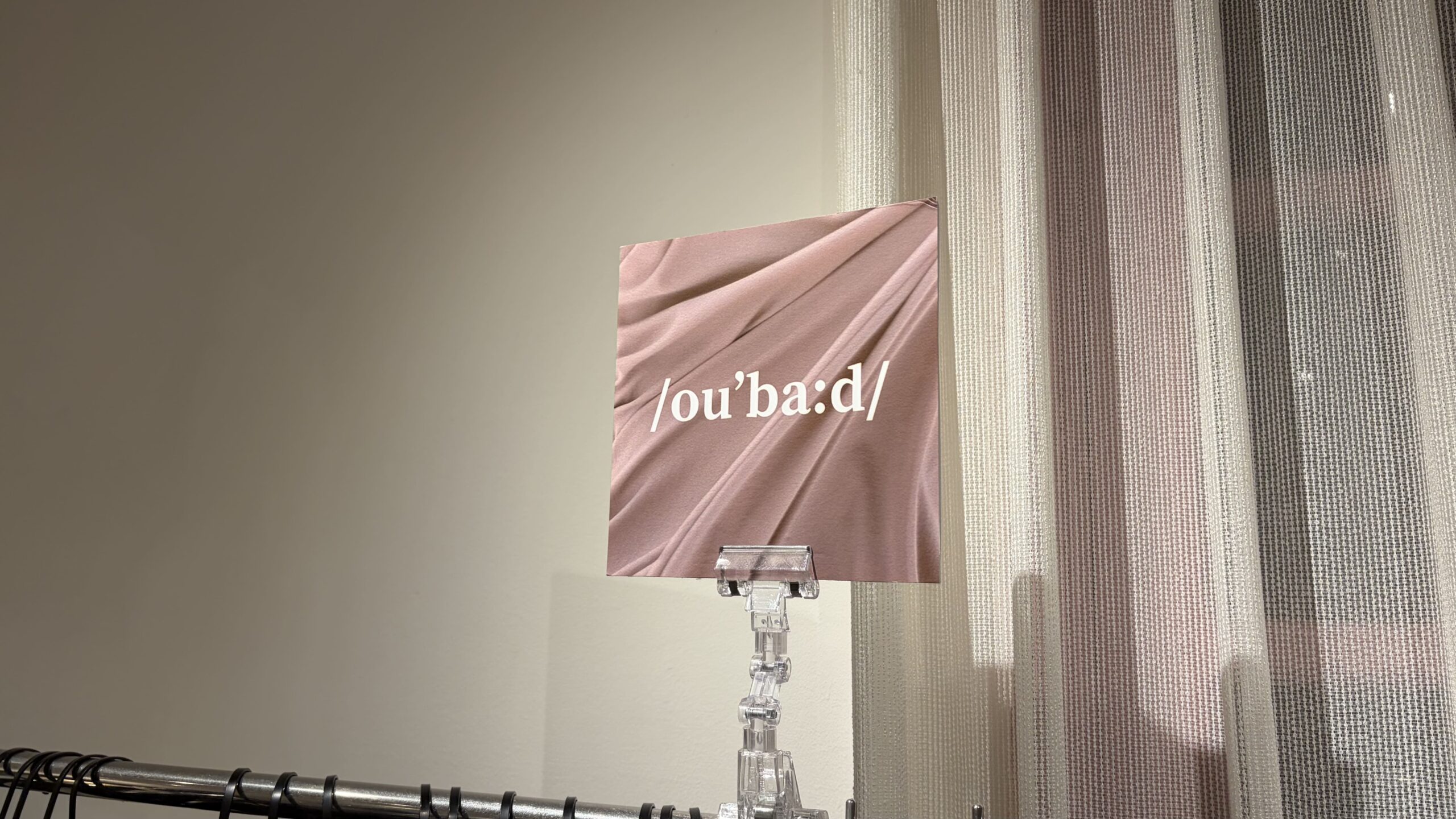
A striking presence whose brand name is literally a phonetic transcription. It has no connection to the French lingerie label of the same name—it's a women's brand from Ho Chi Minh City. Its specialty is "pleats (tucks)," adding fine folds to tops, blouses, skirts, pants, and jumpsuits. With pared-down designs based on white, black, and navy, it aims for everyday wearability rather than flashiness. It has become a maker respected enough at home that Vietnamese fashion media feature it in pleats specials.
orié baie (Hanoi | since 2024)
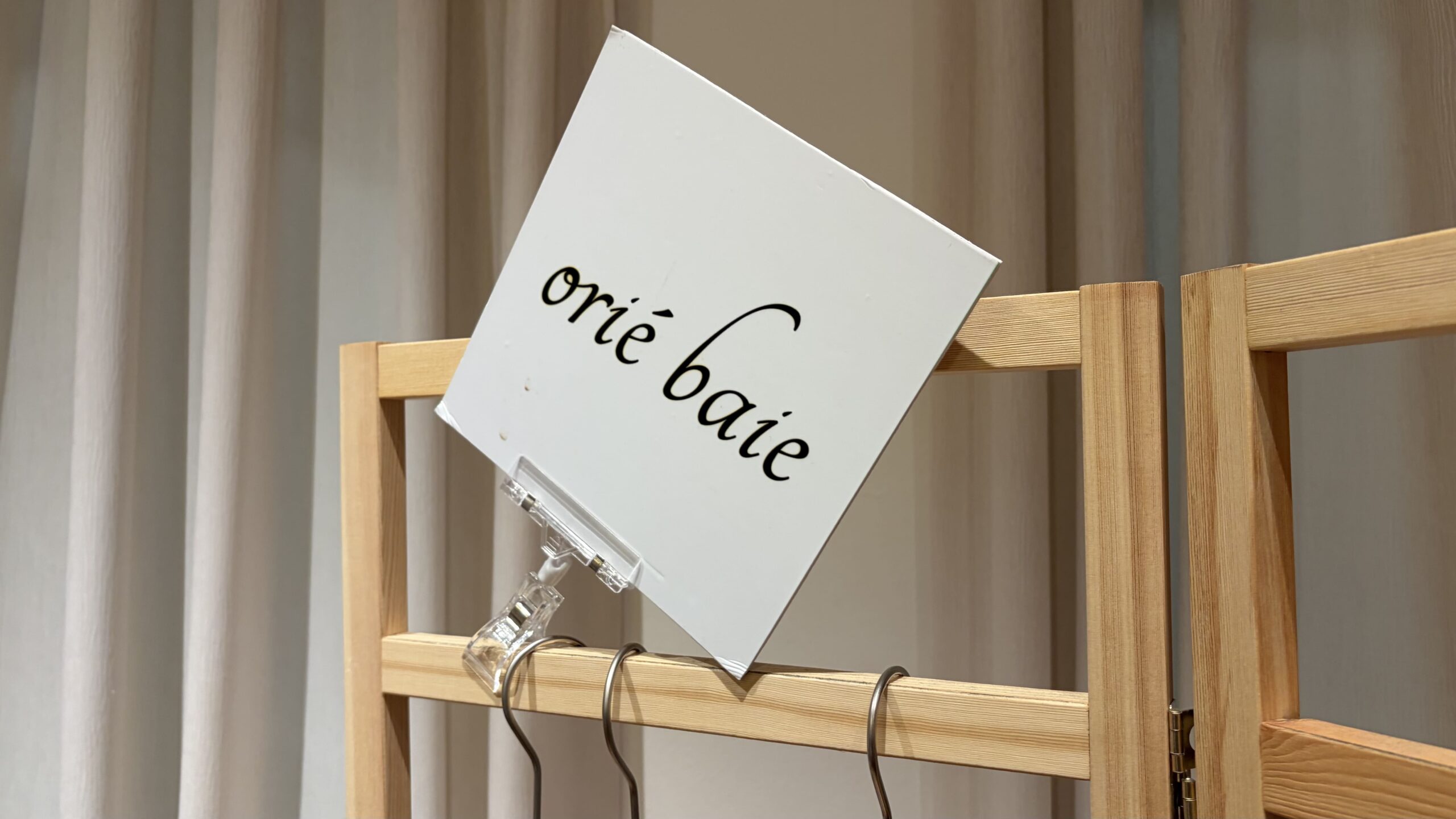
A rising star in Hanoi that flies the banner of "a love letter to vintage, timeless dressing." Its mainstay is dresses made of lustrous silk and silk damask, with retro, feminine silhouettes reminiscent of the '90s. While playing up florals and lace, from its very first collection it has championed the idea that "the confidence to wear the clothes you love, not your body type, is what's beautiful." Though it launched in 2024, it already has tens of thousands of fans on Instagram.
à Linh (Ho Chi Minh City | since 2025)
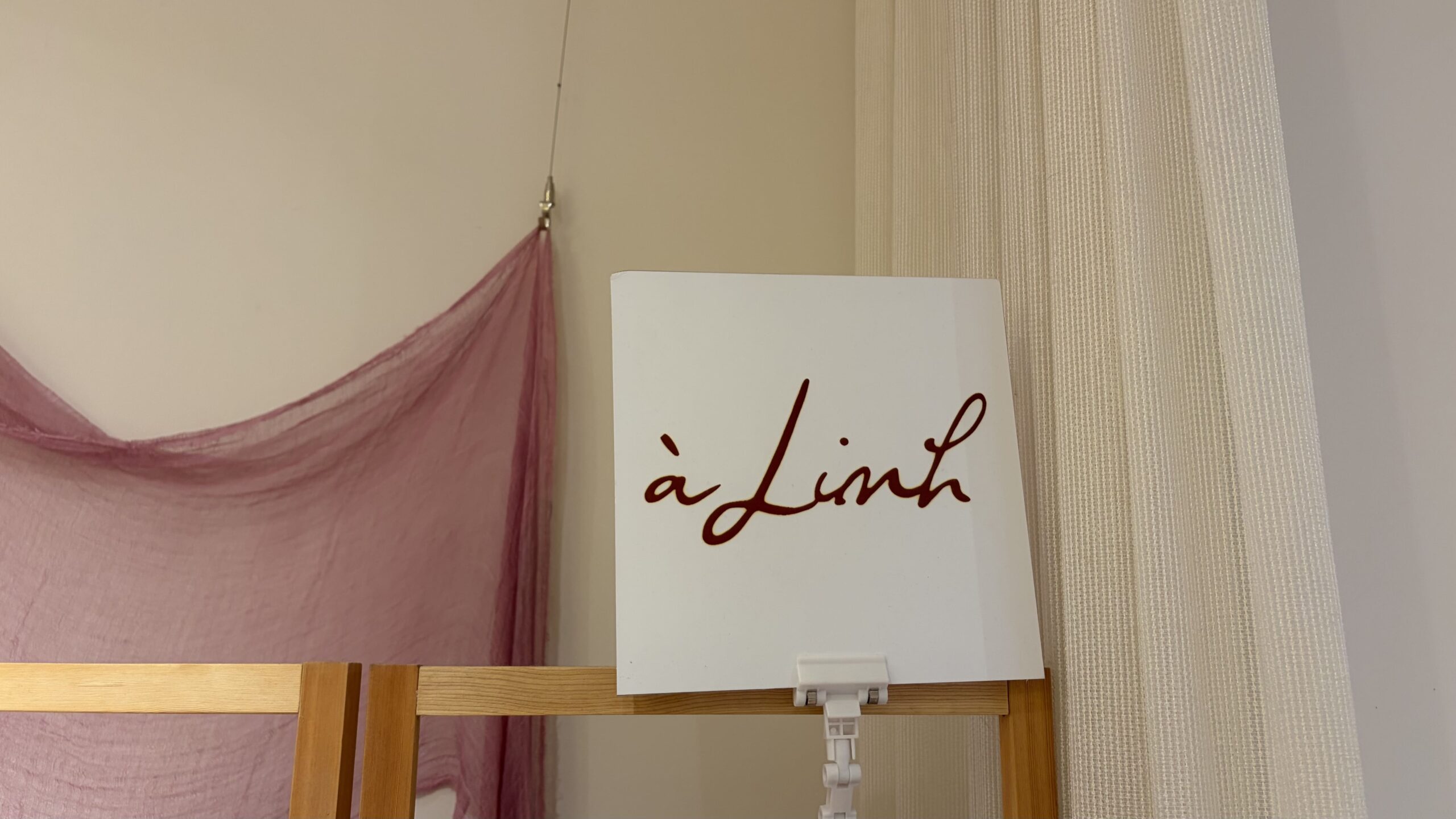
A very young brand launched in 2025, describing itself in its profile as "a tailor in Saigon." It offers dresses, tops, and skirts pairing cotton and silk with embroidered lace, in pale colors like beige, butter yellow, and blush pink. With a made-to-order-like approach that names and tailors each piece individually, it puts forward a worldview of "an endless romantic mood." It's currently displayed as a pop-up at Lả Space.
Label of Lace (Hanoi)
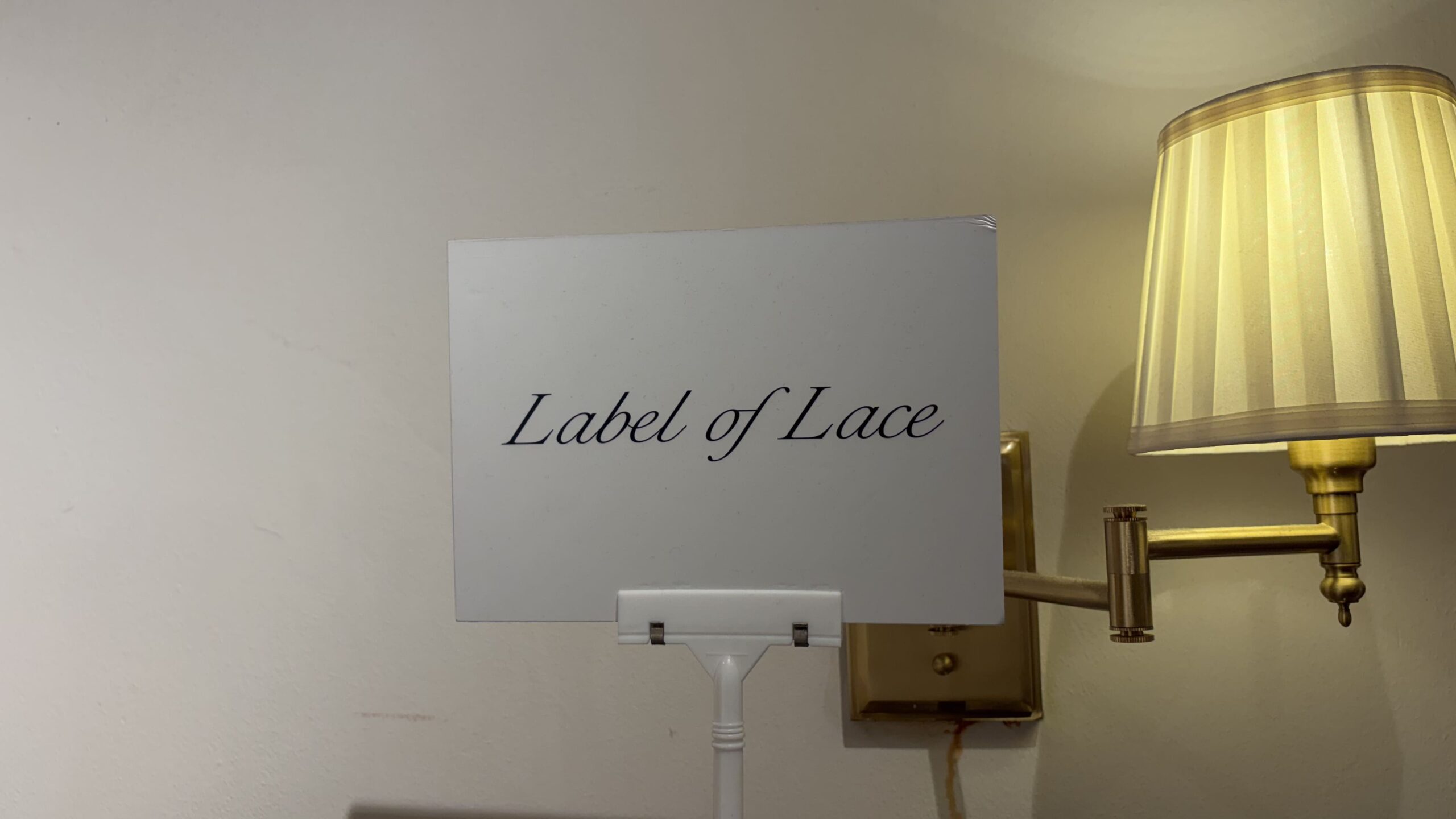
The only lingerie (underwear) brand among the five. Formerly named "Lace The Label," it's a veteran that's been going since the mid-2010s. It makes wireless, pad-free lace bralettes by hand in Hanoi. Its subdued, unshowy yet elegant designs, in soft nature-derived hues and skin-friendly materials, have won it support. Founder Hải Quỳnh (a former stylist) says she started the brand from the premise that "everyone can feel comfortable regardless of body type."
RedA (Ho Chi Minh City)
A women's brand with the motto "Less effort, more confidence." Centered on relaxed dresses, it has a store in Ho Chi Minh City's Thao Dien area while also appearing at Lả Space in Hanoi. It proposes pieces you can wear easily and casually, reflecting the current mood of Vietnam.
Line up the five brands side by side and, though their bases and ages vary, a shared outline emerges: "small, handcrafted, and delivered through social media."
| Brand | Base | Started | Flagship items | Material | Rough price guide on Shopee |
|---|---|---|---|---|---|
| /ou'ba:d/ | Ho Chi Minh City | 2018 | Pleated tops, pants, and dresses | Cotton / blends | About 360,000–1,430,000 VND |
| orié baie | Hanoi | 2024 | Vintage-style dresses | Glossy silk and silk damask | Dresses about 1,190,000–1,290,000 VND |
| àLinh | Ho Chi Minh City | 2025 | Embroidered-lace dresses and tops | Cotton, silk, and lace | Mainly confirmed via Instagram DM |
| Label of Lace | Hanoi | Mid-2010s | Lace bralettes (lingerie) | Lace | Bras about 240,000–260,000 VND / bottoms from about 90,000 VND |
| RedA | Ho Chi Minh City | — | Relaxed-style dresses | blends | Sold openly on Shopee |
*Each brand name links to its official Instagram account. Prices are guides based on the range displayed on Shopee at the time of reporting and change with exchange rates, timing, and collections. As a conversion guide, 10,000 VND is roughly 58 yen (1,000,000 VND is about 5,800 yen). No public prices could be found for à Linh, so checking via Instagram direct message is the surest way.
I didn't discover these brands in a grand showroom or at a trade show, but through a palm-sized card standing in a room off a Hanoi alley. Rather than displaying a big logo, cards printed only with a pronunciation symbol or a single line of French were clipped to a wooden rack and lined up in a row. Lace underwear, silk dresses, pleated pants—all crowded shoulder to shoulder in the same small room. Each one is an individual-scale brand with no capital and no storefront, yet gathered together they clearly conjure up "the current mood of Vietnam." It's not the flashy icons or celebrities but the depth that unknown makers are quietly building up that, I felt on the ground, is what makes this scene so interesting. Just peeking into one room on the side of your trip should be enough to feel that heat.
How can travelers enjoy this wave?
So, how should travelers visiting Vietnam enjoy this surge? Here's a practical rundown.
To see the real thing, a "select shop" is the shortcut
Since each brand often doesn't have its own street-level store, a select shop where you can see several brands at once is efficient. In Hanoi, Lả Space in Ba Đình District carries several brands on a permanent basis, and in Ho Chi Minh City, districts like Thảo Điền have each brand's stores or stockists. Using the cards on the shelves as your cue, search a name that catches your eye on Instagram right there, and it's easy to check stock and sizes.
Tips for buying and taking items home
Prices run around 1–1.5 million VND (about 6,000–9,000 yen) for a dress, with lingerie starting from the 200,000 VND range as a guide; hand-sewn or silk pieces that take more effort run a bit higher. QR-code payment is widespread, but at small shops cash is sometimes the surer bet. Sizing is mostly S/M and often one-size, so try things on if you can. If you want more after returning home, many brands ship internationally via Instagram DM or Shopee.
Vietnamese craftsmanship you'll also want to pick up
In the same "handcraft" lineage as apparel, bags and embroidered accessories also make good Vietnamese souvenirs.
Frequently asked questions
- Can I buy Vietnamese local apparel in Japan?
-
At this point we can't confirm any official Japanese retailers or trade-show appearances. Most sell via Shopee or Instagram, and some ship internationally. The surest way is to see the actual items and buy at a local select shop.
- Where can I actually see multiple brands?
-
Several women's local brands are stocked permanently at the select shop "Lả Space" in Hanoi's Ba Đình District. In Ho Chi Minh City, districts like Thảo Điền have each brand's stores or stockists.
- Why do so many brands not have their own brand website?
-
It's because an ecosystem has formed where sales are completed through a combination of posting on Instagram, the online mall Shopee, and select shops around town. Since you can start without your own e-commerce or large inventory, individual designers can enter the market at low cost.
- What's the price range like?
-
As a guide, dresses run roughly 1,000,000–1,500,000 VND (about 6,000–9,000 yen), and lingerie starts from the 200,000-VND range. Hand-sewn or silk pieces that take more work tend to be a bit pricier. Prices shift with exchange rates, timing, and collections, so treat these as approximate.