Vietnamese coffee, with its rich aroma and distinctive flavor as its appeal. Its history traces back to the mid-19th century. Its origin was when coffee trees were brought in by missionaries during the French colonial era.
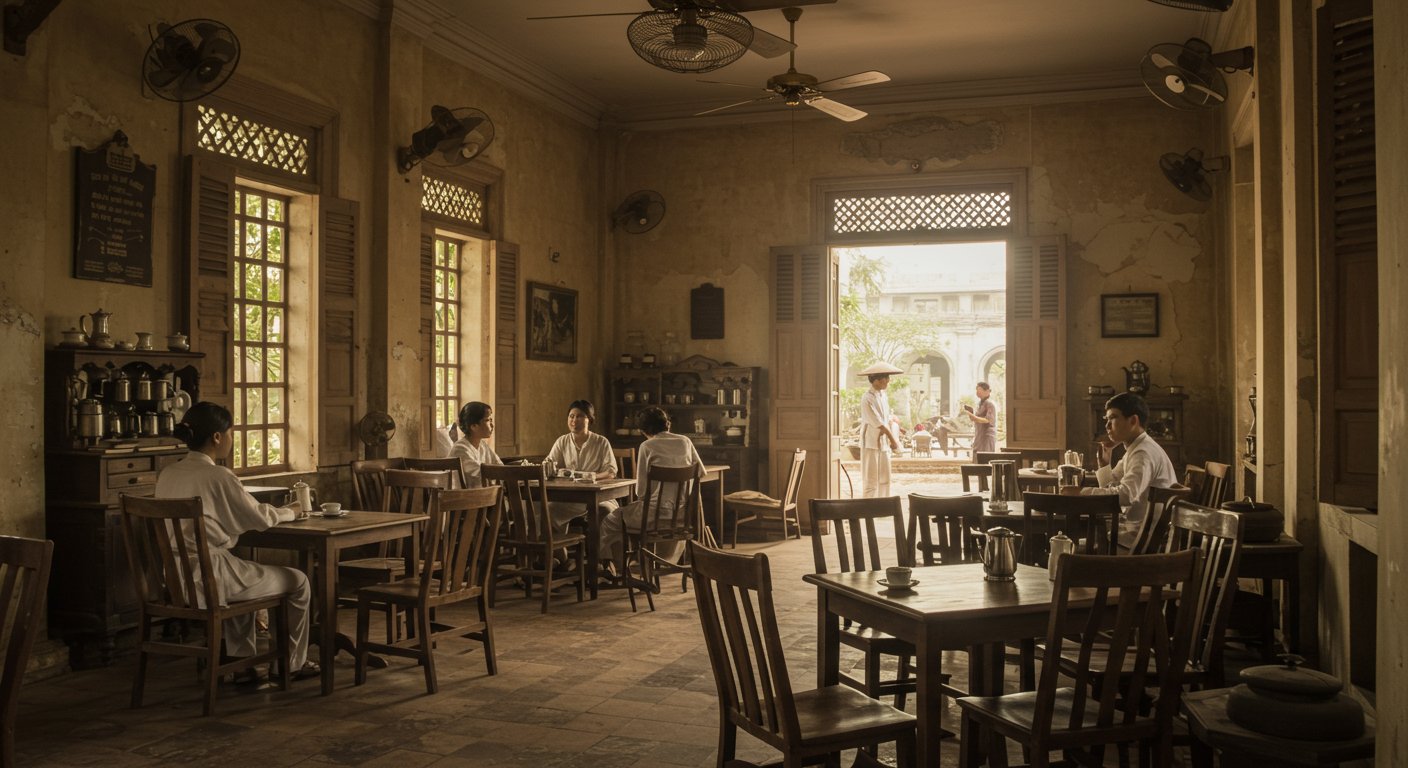
Even now, after war and political upheaval, long-established cafés more than 50 years old remain in Hanoi and Ho Chi Minh City, continuing to protect an unchanging flavor.
This article introduces the history of Vietnamese coffee, its long-established cafés, and how to enjoy it at home.
TOC
The history of Vietnamese coffee
Vietnamese coffee has achieved its own evolution over more than 130 years since the French colonial era.
Let's look back on that journey in a timeline.
Era
Event
1850s
French missionaries bring in Arabica
1880s
The first commercial coffee plantations are established
Early 1900s
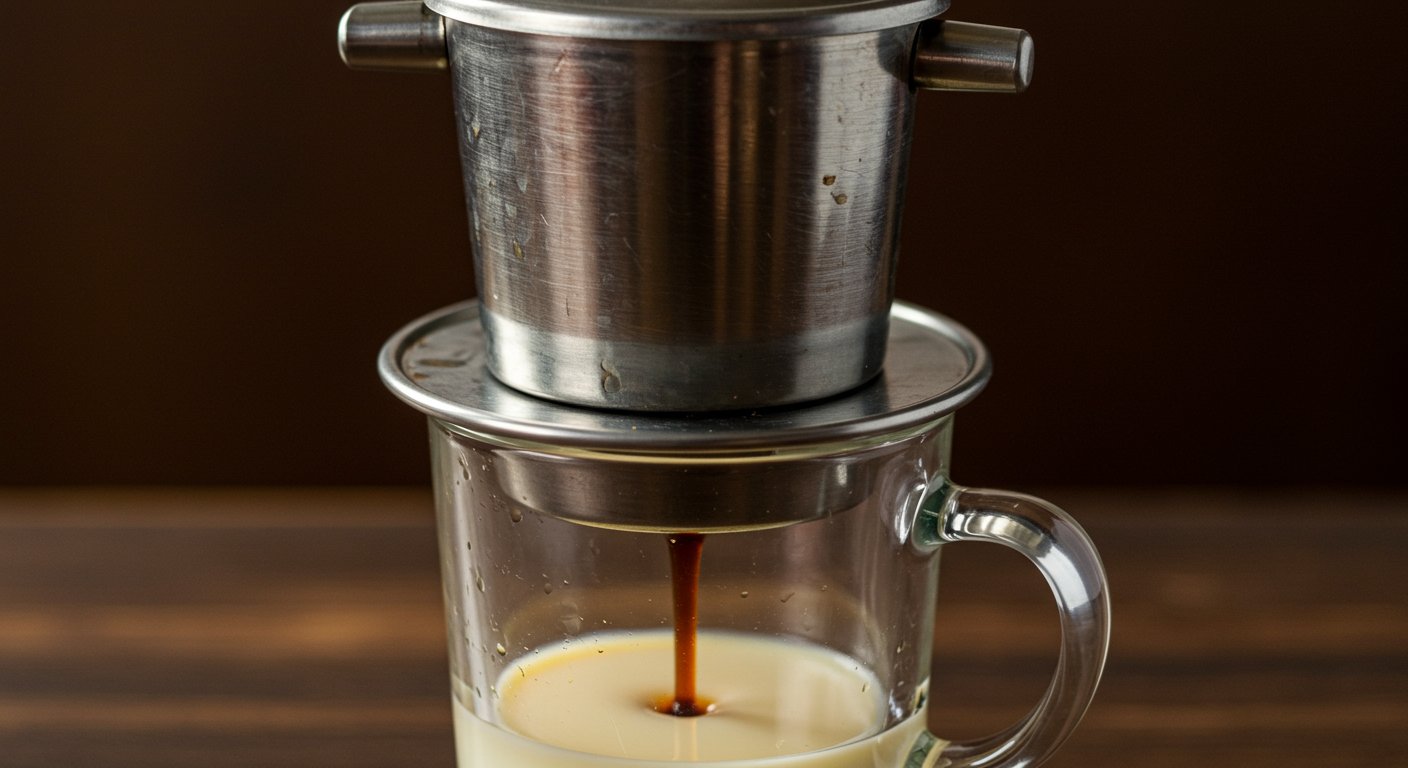
The phin filter is invented as an affordable brewing method
1975
Reunification of Vietnam; nationalization of the coffee industry
The 2000s
Vietnamese coffee gains international recognition
Behind the development of Vietnamese coffee is the influence of French rule. Coffee brought by the French permeated among ordinary people as a café culture along with Western culture.
The Traditions That Long-Established Coffee Shops Keep Alive
Long-established coffee shops that have kept operating for nearly 100 years are dotted throughout Vietnam.
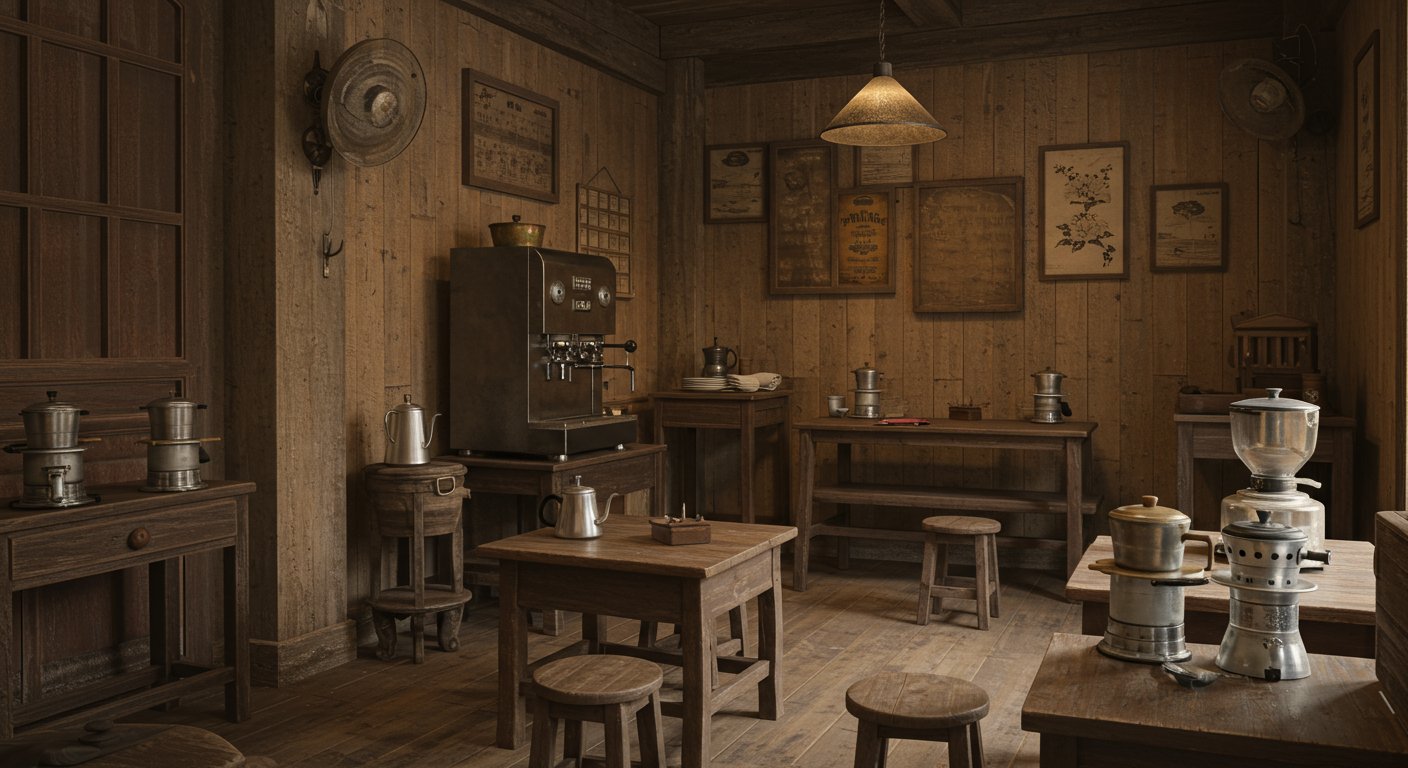
Ever since coffee culture took root in the French colonial era, while being tossed about by the changes of the times, they have continued to protect their roasting methods, brewing styles, and shop appearance without major change.
The way of carefully brewing one cup at a time with an aluminum phin, and the powerful aroma released by dark-roasted beans, are unchanged now as ever.
Such long-established coffee shops are tourist attractions and, at the same time, places where you can feel Vietnam's everyday life and values.
Long-established cafés remaining in Hanoi's Old Quarter
In the Old Quarter of the capital, Hanoi, long-established cafés are dotted about. There are famous shops locally called the "four pillars of Hanoi coffee," each with its own history and commitments.
Cafe Giang
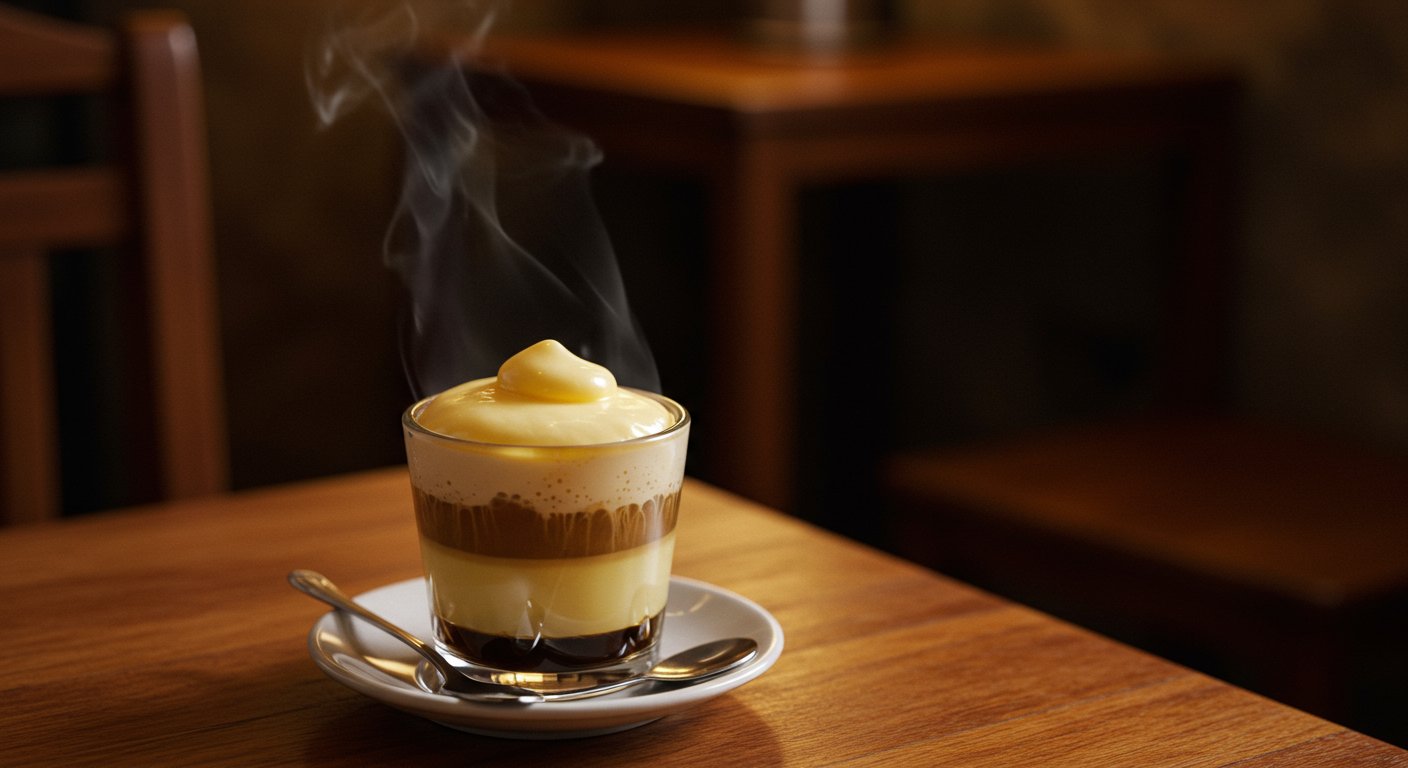
Standing in an alley at 39 Nguyen Huu Huan Street, Cafe Giang is known as the birthplace of the famous egg coffee.
It is now served at many cafés, but the original's flavor is said to be in a class of its own. Beyond simple egg coffee, it also offers new flavors such as matcha egg coffee and Oreo egg coffee. It continues to evolve, including opening in shopping centers, while protecting tradition.
Founded
1946
Address
39 Nguyen Huu Huan, Hoan Kiem, Hanoi
Hours
7:00-22:30
Signature items
Egg coffee (30,000-35,000 dong)
🧳 Book your Vietnam trip here
Hotel booking “agoda”
Book Vietnam hotels at great rates
Popular hotels in Da Nang, Hoi An, and Ho Chi Minh City are bookable at discounted prices. Many properties offer same-day booking and free cancellation, so you can adapt flexibly to last-minute changes of plan on the ground.
#Check the lowest price →
Advertisement (A8.net)
Overseas travel booking “NEWT”
Arrange flights and hotels together
Book your Vietnam-bound flights and accommodation all at once in the app. Earn up to 5% in points, with 24-hour Japanese-language support, so even first-time overseas travelers can prepare with peace of mind.
#Book travel the easy way →
Advertisement (A8.net)
From flights and tours to eSIMs and travel insurance, see where to book each in the order you need them in theVietnam travel bookings summaryas well.
In my third year living in Ho Chi Minh City, Vietnam. I launched this specialist Vietnam travel information site hoping to share local knowledge you simply can’t get by visiting as a tourist — the kind of thing you only understand by being here.