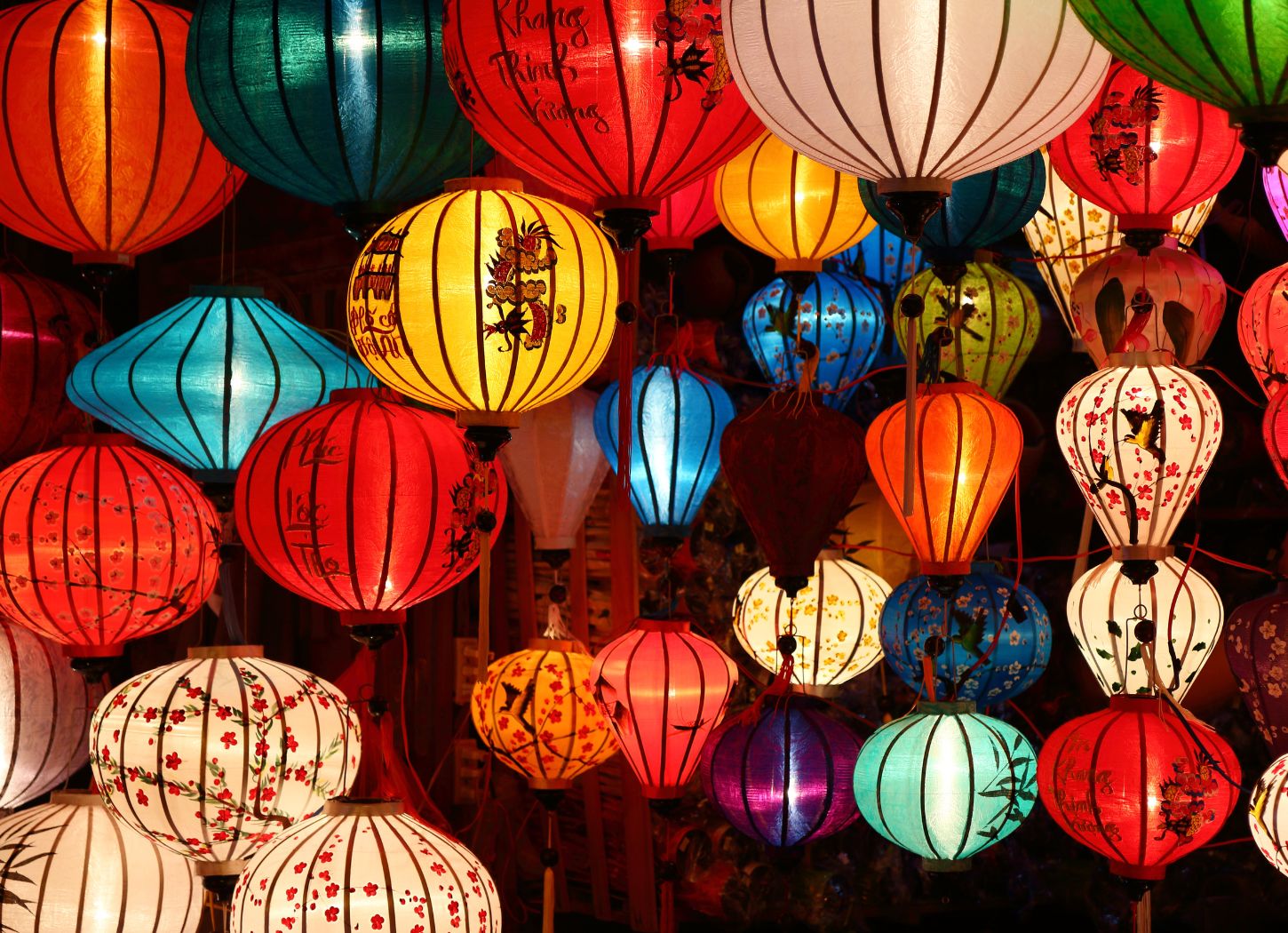
Vietnam is known as one of the world’s leading coffee producers. The coffee culture nurtured over a history dating back to the French colonial era is now deeply rooted in everyday life.
Centered on the rich, fragrant Robusta variety, Vietnamese coffee is characterized by a distinctive flavor. Those tasting it for the first time may be surprised by a deep flavor unlike Japanese coffee.
When it comes to Vietnamese coffee, brewing with the distinctive phin (Vietnamese coffee filter) is the standard. Coffee dripping slowly from the small metal filter placed on your table is an experience like savoring the very flow of time.
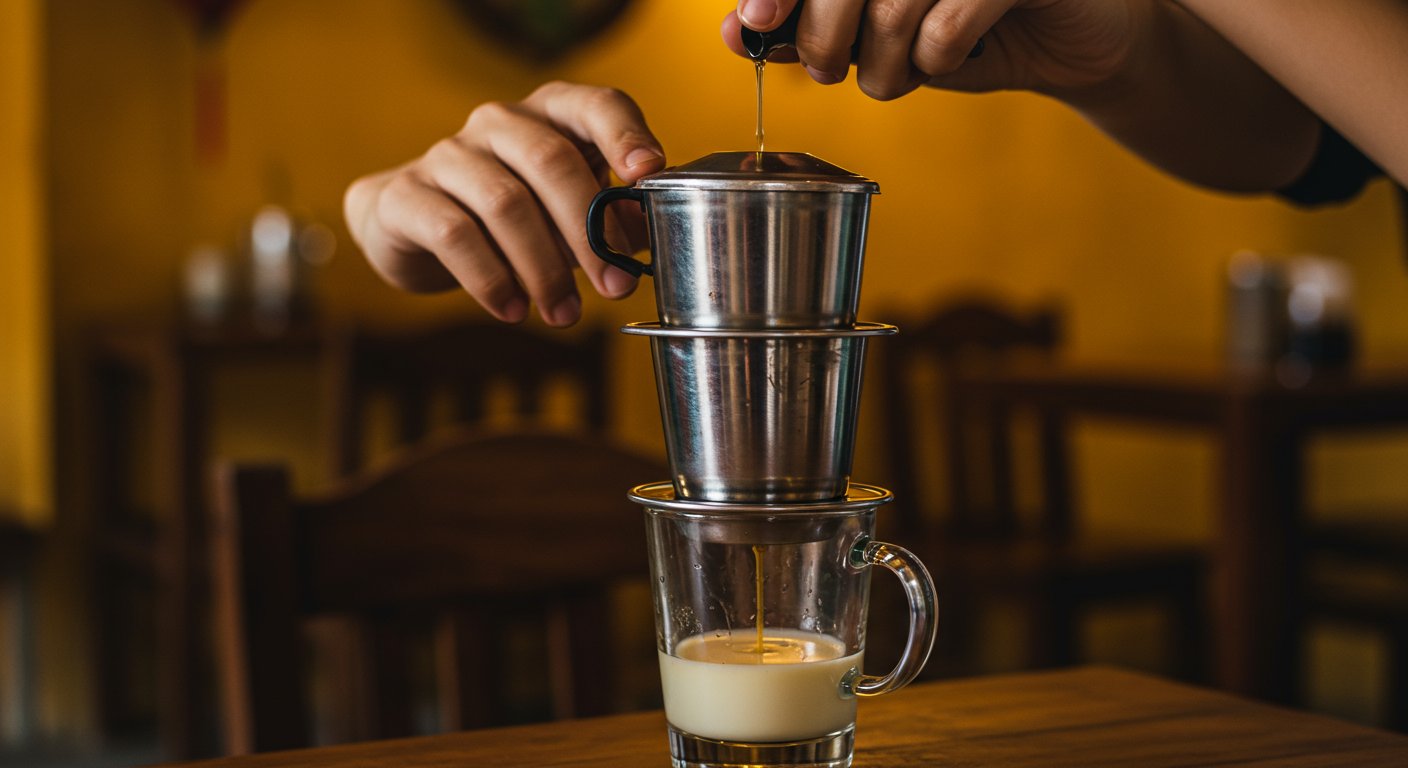
Stop by a street-corner café and you’ll encounter unique variations like egg coffee and coconut coffee. These are cups loved not only by tourists but also by locals.
The Latest on Café Culture in the Ancient Town of Hoi An
The Old Town of Hoi An, a World Heritage Site, is known for its beautiful streetscape of eye-catching yellow walls and lanterns. In this historic town, many cafés set up in renovated old merchant houses are scattered about, giving off a distinctive atmosphere.
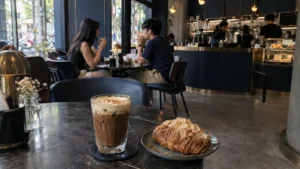
As of 2025, Hoi An’s café scene is more vibrant than ever. Stylish cafés that make use of traditional buildings while incorporating a modern touch are opening one after another.
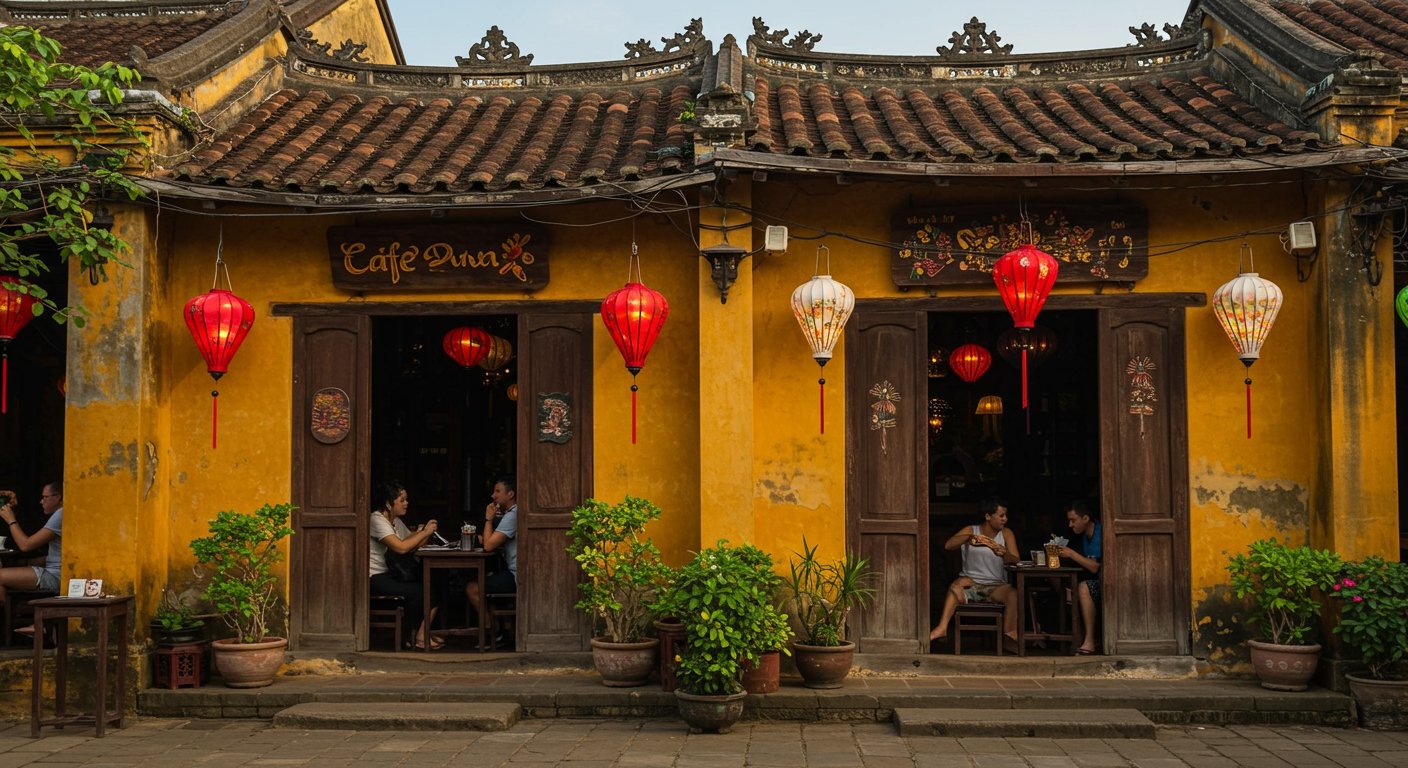
Especially noteworthy is “Hoi An Roastery,” located on Tran Phu Street, the main street of Hoi An’s Old Town. Known for its delicious house-roasted coffee, its second-floor balcony offers a sweeping view of the streetscape, making it a popular spot.
[PR] Restaurant Reservation Service "AutoReserve"
Of the Hoi An Roastery locations, the one bookable through AutoReserve is "Hoi An Roastery Bistro" on Bach Dang Street. It's a good pick for days when you want a meal along with your coffee.
Bookable location: 95 Bach Dang. This is a different location from the Tran Phu Street branch introduced above.
Also popular with young tourists as an Instagram-worthy spot is “Faifo Coffee.” From the rooftop of the three-story building, you can take in a sweeping view of Hoi An’s old streetscape, and the scenery at dusk in particular is exceptional.
When you visit Hoi An, a must-stop is “92 Station.” From the top floor of the four-story building, you can enjoy coffee while taking in beautiful views.
How about it? Are you starting to look forward to a café tour of Hoi An?
3 Hidden Cafés Loved by Locals
Popular spots bustling with tourists are appealing, but cafés loved by locals are part of Hoi An’s charm too. Here we introduce hidden gems not found in guidebooks—known only to those in the know.
The first to visit is “Hoi An Coffee Hub.” A cozy café tucked in a back alley of the Old Town, it serves authentic Vietnamese coffee loved by locals as well. It’s a spot where you can experience the genuine flavor, with sweetness not adjusted for tourists.
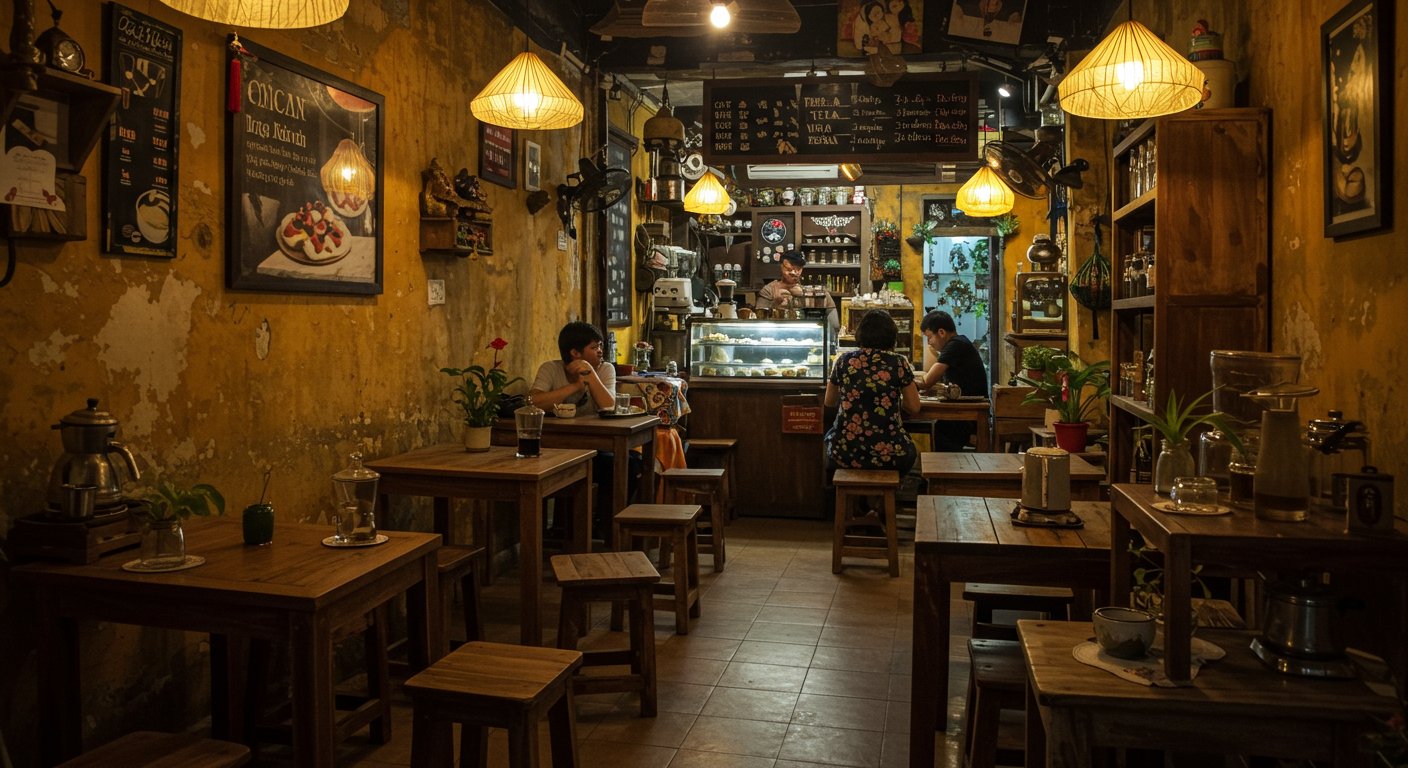
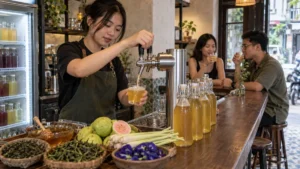
Next, we recommend “Mot Hoi An.” It’s become a talking point on social media as a café serving delicious, charming herbal tea. Beyond Vietnamese coffee, the refreshing drinks made with local herbs are also worth a try.
And not to be missed is “GIONG.” A serious Vietnamese coffee specialty shop set in a renovated old merchant house. The interior is long and deep, with coffee beans sold at the front and the café space toward the back—a distinctive layout.
The interior, which keeps the old building’s exterior walls and ceiling as they are, evokes Hoi An’s history. There’s even a well in the back garden, making it a spot where you can catch a glimpse of Vietnam’s traditional way of life.
“Feeling the pulse of a town and its people through coffee”—this is precisely the real pleasure of a Hoi An café tour.
The Types of Vietnamese Coffee You Should Try in Hoi An
The Vietnamese coffee you can encounter at Hoi An’s cafés is truly diverse. From traditional to creative, here are the menu items we really want you to try.
First and foremost is “cà phê sữa.” A traditional Vietnamese coffee with condensed milk, the contrast between its rich bitterness and sweetness is exquisite. On hot days, “cà phê sữa đá,” served over ice, is recommended.
When I first drank cà phê sữa đá in Hoi An, I was surprised by the balance of its richness and sweetness. With a flavor completely different from Japanese iced coffee, I really felt the depth of Vietnamese coffee.
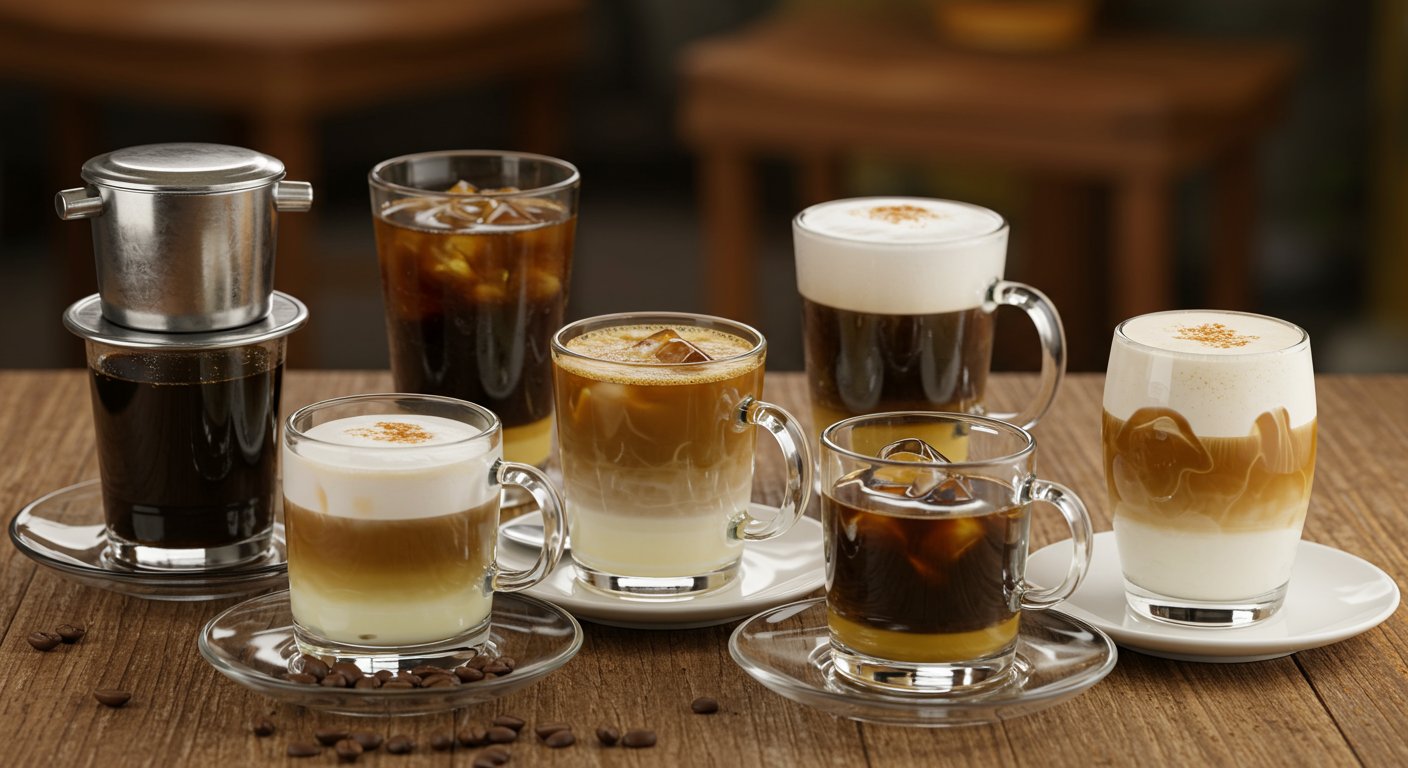
Next, try “egg coffee.” This cup tops the coffee with a creamy layer of whipped egg yolk and condensed milk, tasting almost like a dessert. It originated in Hanoi, but it’s now a popular menu item at Hoi An’s cafés as well.
“Coconut coffee,” which makes the most of coconut flavor, is also not to be missed. It’s especially popular at Hoi An’s cafés in the hot season—a refreshing, tropical cup.
If you’re a coffee lover, do try “cà phê đen” (black coffee). Tasting Vietnamese coffee’s inherent flavor with no additives has a depth that impresses even coffee connoisseurs.
Which Vietnamese coffee would you like to try?
The Best Season and Ways to Enjoy a Hoi An Café Tour
If you’re going to enjoy a café tour in Hoi An, choosing the season matters too. As of 2025, considering central Vietnam’s climate, the dry season from January to August is recommended. February to April in particular is a relatively cool, comfortable time.
From May to August, when the heat is intense, an early-morning or evening-onward café tour is best. Spending the daytime in air-conditioned indoor cafés is one approach.
From September to December, the rainy season, sudden squalls can occur, but there’s also the appeal of enjoying the moist, mellow atmosphere of the ancient town after the rain. The sight of rain-soaked cobblestones viewed from a café window is exceptional in its own way.
On your café tour, be sure to venture a little away from the center of the Old Town. From cafés along the river, you can enjoy coffee while gazing at peaceful waterside scenery.
At a beachside café like “The DeckHouse An Bang Beach” near An Bang Beach, you can spend a leisurely time gazing at the sea.
At Hoi An’s cafés, we recommend enjoying not just coffee but also local light bites together. Pairing coffee with Vietnamese dishes like the steamed dumplings called “white rose” or bánh mì is a wonderful way to experience the local food culture.
How to Take Hoi An’s Coffee Home as a Souvenir
If you find yourself wanting to bring the delicious coffee you tasted in Hoi An back home to Japan, there are several options. In the Old Town, shops specializing in coffee beans and tea leaves, like “HOA CHAMPA,” offer products in small portions.
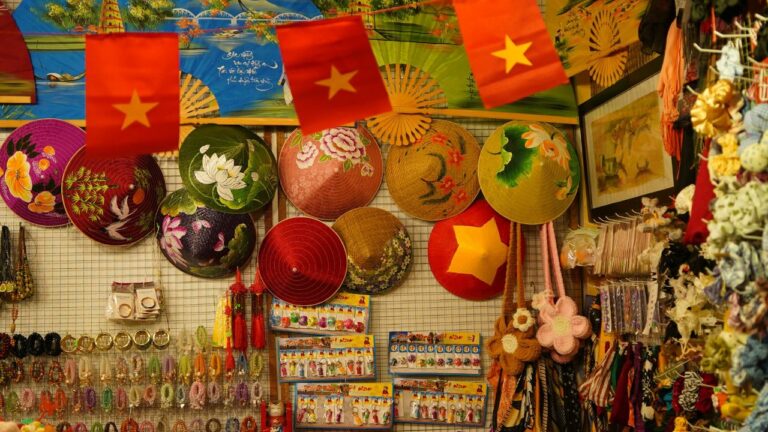
Especially popular is “G7” brand instant coffee. At the market, it’s far cheaper than buying it in Japan, making it perfect as a souvenir to hand out to many people.
If you’re after serious coffee beans, specialty shops like “Hoi An Roastery” and “GIONG” are recommended. You can buy fresh, house-roasted beans.
A key point when choosing souvenirs is to pick vacuum-packed products. They keep their freshness more easily, so you can bring them back to Japan with peace of mind. Some also say that ground coffee passes through Japanese customs more easily than whole beans.
Find your favorite coffee so you can enjoy the taste of your Hoi An memories back in Japan.
Summary: The Appeal of the Hoi An Coffee Experience
A coffee experience in the ancient town of Hoi An offers more than just a café tour. Vietnamese coffee savored amid the beautiful streetscape of a World Heritage Site is a special time that lets you feel the area’s history and culture.
From brewing with the traditional phin to creative cups like egg coffee and coconut coffee, the wide range of variations is uniquely Hoi An. From popular spots for tourists to hideaway cafés loved by locals, the journey to find your own favorite cup is never-ending.
In 2025, Hoi An offers a captivating café scene where tradition and innovation come together. The next time you visit Vietnam, be sure to spend a relaxed time at a Hoi An café. It’s sure to become an unforgettable memory.