Urban safety in Vietnam: what to know before you travel
外務省の2026年3月更新の安全対策基礎データは、ベトナムの治安情勢を全般的には安定しているとしつつ、観光地、市場、路上で日本人旅行者のスリやひったくり被害が頻発していると案内しています。国別ランキングだけでは、宿の入口や深夜の帰路といった具体的な危険は判断できません。
Petty crime targeting tourists, however, calls for caution.
スリやバイクによるひったくりは観光地や繁華街だけでなく、移動中やホテルのロビーでも起こり得ます。「危険情報が掲載されていない」と「危険度レベル0」は同義ではなく、被害がないという意味でもありません。出発直前に外務省の海外安全情報を確認し、短期旅行なら「たびレジ」へ登録してください。

Safe areas and districts to avoid in Ho Chi Minh City
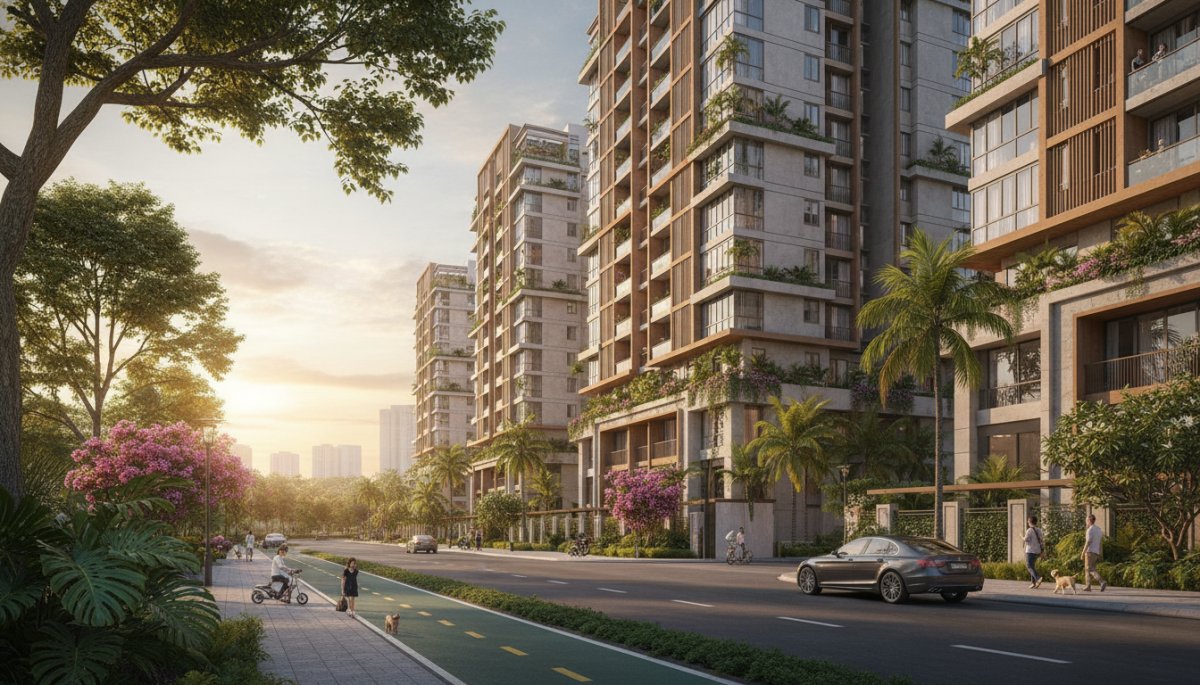
Ho Chi Minh City, Vietnam's largest city, buzzes with energy as the country's economic hub. Its skyline of high-rises mixed with local shops is distinctive, and it's an easy city to ease into even on a first trip to Vietnam.
Recommended areas with high safety
旧1区の中心部は宿や飲食店が多く移動しやすい一方、外務省はドンコイ、グエンフエ、レタントンなど中心部の通りでもひったくり被害に注意を促しています。旧3区・7区を含め、行政区名だけで安全とは決められません。候補の宿ごとに、入口から配車車両の乗降地点、夜間の照明、道路横断、最新の被害口コミを地図と現地情報で確認します。
外国人居住者の多さや商業施設の充実は、安全の保証になりません。旧ビンタン区でも、大通りの反対側に渡りにくい、路地が暗い、深夜は配車の乗降場所が分かりにくいといった物件単位の差があります。観光動線と帰宅時間に合うかで選びます。
Areas that call for caution
On the other hand, the area around Pham Ngu Lao Street — known as the backpacker district — calls for caution regarding nighttime safety. Pickpocketing and scams targeting tourists happen easily here, and walking alone late at night in particular should be avoided. Around markets and in crowded places, be thorough about safeguarding your valuables.
Hanoi's safe districts and how to choose accommodation
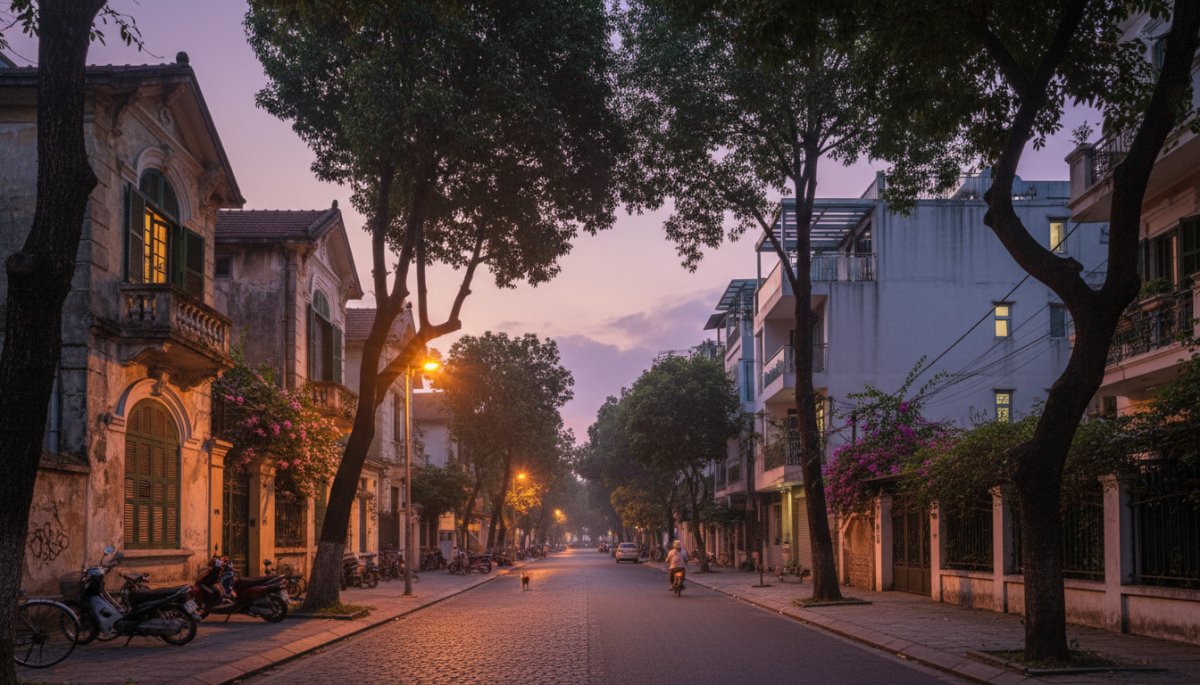
As the political and cultural center, Hanoi has a calmer atmosphere that contrasts with Ho Chi Minh City. Walk through the Old Quarter and you'll find ways of life that have carried on for generations, letting you feel the layers of history.
Features of the Old Quarter and points to note
The Old Quarter around Hoan Kiem Lake is Hanoi's largest tourist area. Its nostalgic streetscape and lively atmosphere are the draw, but crime targeting tourists is also frequent. Ta Hien Street in particular comes alive as a bar street at night, but it's full of touts, so watch out for pushy solicitation and pickpocketing.
静かな通りは騒音を避けやすい反面、夜は人通りや照明が少ない場合があります。昼と夜の写真、路地の幅、車両が入口まで入れるか、深夜の受付方法を確認してください。
Areas where you can stay with peace of mind
タイ湖周辺や旧バーディン区も、住宅価格、外国人居住者、政府機関の有無だけで安全とは判断できません。水辺の暗い区間、歩道、交通量、宿の出入口を物件ごとに確認します。価格帯より、施錠、受付、来訪者管理、避難経路、最近の対応評価を優先してください。
A guide to safe places to stay in Da Nang and Hoi An
Central Vietnam's Da Nang has drawn attention over the past few years as a place where resort and city blend together. The city itself is compact and easy to get around, making it a good choice for a first stay in the central region.
Da Nang's safety and points to watch
ダナンやミーケービーチ周辺も「特に安全」と一括りにはできません。遊泳条件、道路横断、夜の照明、客引き、置き引きまで含めて判断します。ドラゴンブリッジの催事時は混雑と交通規制が変わるため、公式の開催案内と帰路を当日に確認し、スマートフォンや財布を人混みで見せないようにします。
Choosing where to stay in Hoi An
ホイアン旧市街は夕方以降の景観が魅力ですが、川沿いだから安全、女性ならそこが最適とは限りません。夜の混雑、冠水や天候、宿までの暗い区間、車両進入規制、配車の乗降地点を確認し、自分の帰宅時刻に無理のない物件を選びます。
アンバンビーチ周辺も施設ごとの差があり、所要時間は渋滞や天候で変わります。宿の警備、夜間受付、海からの帰路、旧市街への移動手段と最終的な乗降場所を予約前に確認してください。

5 points for choosing safe accommodation
To make your stay in Vietnam safe and comfortable, choosing the right accommodation matters. Keep the following points in mind as you choose.
1. Check the security facilities
24時間フロント、カメラ、カードキーは判断材料ですが、表示だけで運用の質は分かりません。到着予定時刻の受付方法、客室ドアの内鍵、窓、来訪者の入館管理、避難経路を確認します。必要条件は性別ではなく、旅程と本人の不安・支援ニーズで決めます。
2. Safety of the location
Choose a place close to a main street with foot traffic even at night. Avoid spots deep in alleys or in unpopulated areas. Also consider access to the airport and tourist sites.
3. Check the reviews
国籍でレビューの信頼性を決めず、直近の複数投稿から、鍵、受付、騒音、周辺の夜道、配車のしやすさ、問題発生時の対応という具体的な記述を見ます。施設からの返信内容と、地図・公式写真との整合も確認します。
4. 料金と条件の確認
安価だから危険、高価だから安全とは限りません。総額、キャンセル条件、個室・相部屋、鍵、受付時間、清掃と害虫に関する最近の評価を同じ条件で比較します。
5. Staff responsiveness
Inquire by email or phone before booking to gauge how the staff respond. A property that handles inquiries courteously is one you can feel at ease with during your stay too.
Safety measures to follow when going out at night
Even though Vietnam is relatively safe, going out at night calls for caution. Put the following measures into practice to stay safe.
Choose places with plenty of foot traffic
At night, walk along bright streets with plenty of foot traffic. Avoid back alleys and dark roads, and stick to the main thoroughfares.
Be thorough about safeguarding valuables
バッグは閉じて体の前で管理し、車道側でスマートフォンを出さないようにします。強く引かれたバッグを無理に抑えれば転倒・引きずりの危険があるため、命と身体を優先してください。現金とカードは分散し、紛失時の停止連絡先をオフラインでも見られるようにします。
Make use of ride-hailing apps
夜間はホテルや正規乗り場で手配するか、追跡・共有機能のある配車アプリを使います。アプリでも安全は保証されないため、乗車前に車種・ナンバー・運転者を照合し、行程を共有します。GrabTaxiなどメーター車種ではアプリ表示が確定額ではない場合もあります。
Caution when drinking
Don't accept drinks offered by strangers. There are reported cases of sleeping pills being slipped into them. And absolutely avoid walking alone while heavily intoxicated.
Move in groups
Where possible, we recommend traveling in a group. For solo female travelers especially, keep nighttime outings to a minimum, or check with hotel staff about safe places before heading out.
What to do in an emergency, and contact numbers
In case you run into trouble, know the emergency contacts and how to respond.
Emergency contacts in Vietnam
Police: 113
Ambulance: 115
Fire: 114
Embassy of Japan in Vietnam (Hanoi): +84-24-3846-3000
Consulate-General of Japan in Ho Chi Minh City: +84-28-3933-3510
How to respond to different kinds of trouble
If you're pickpocketed or your bag is snatched
First ensure your own safety, then file a report at the nearest police station. If your credit card is stolen, contact the card company right away to freeze it. If you lose your passport, contact the Japanese embassy or consulate-general.
If you fall ill or get injured
Consult your hotel's front desk and have them refer you to a hospital with Japanese-language support. Major cities have medical facilities where Japanese is understood. If you have travel insurance, contact your insurer's emergency line.
In case of taxi trouble
料金トラブルでは、その場で相手を刺激せず、まず明るく人のいる場所へ移動します。安全にできる範囲で車両番号、時刻、乗降場所、領収書、アプリ履歴を残し、配車会社・ホテル・警察へ相談します。路上での撮影や支払い拒否が対立を激化させそうなら、身体の安全を優先してください。
予約前に地図で行う10分チェック
- 宿の正式な入口と配車車両の乗降地点をストリートビューや施設へ確認する
- 夜に使う駅・飲食店から宿までの照明、歩道、道路横断を確認する
- 到着時刻に受付が開いているか、遅着時の連絡方法を保存する
- 客室の内鍵、窓、金庫、来訪者管理、非常口を確認する
- 直近の口コミで鍵・夜道・騒音・スタッフ対応を具体的に読む
- 代替ルート、配車の乗降場所、通信が切れた場合の住所メモを用意する
地名だけで選ぶより、「夜にその入口へ自力で戻れるか」を一つの場面として想像すると判断しやすくなります。予約後も治安、天候、催事、交通規制は変わるため、出発前と到着日に確認し直してください。
Summary: For a safe and comfortable stay in Vietnam
ベトナムの主要都市には利便性の高い地区がありますが、「安全なエリア」と断定できる境界はありません。同じ地区でも、通り、時刻、催事、宿の管理でリスクは変わります。
宿泊施設は価格帯より、入口、施錠、受付、来訪者管理、夜の移動、避難経路を具体的に比べます。夜間は無理に歩かず、乗車情報を照合・共有し、貴重品を見せないことが基本です。
It's also important to keep emergency contacts on hand in case of trouble. Keep these points in mind and enjoy all that Vietnam has to offer with peace of mind.