When you visit Vietnam's cities, making use of local tours makes the trip many times richer.
Ho Chi Minh City, Hanoi, Da Nang, Hoi An. Each city has its own distinct charm, and local tours are what bring that charm out to the fullest. Places you couldn't reach on your own, culture you'd never have known, and an efficient use of time — it's all there.
But which tour should you choose? How do you book? What's the going rate? How do you tell a trustworthy tour company from the rest?
This article gives a thorough rundown of local tours in Vietnam's major cities. From World Heritage circuits to Mekong Delta cruises, we cover recommended tours by purpose and everything you need to watch for when joining.
What makes Vietnam's local tours worthwhile
Local tours offer value you can't get from independent travel.
First,Efficiency. Getting around Vietnam's cities is complicated, and there's a language barrier. On a tour, you don't have to worry about transportation and can visit several spots in a limited time. Even hard-to-reach places like a Mekong River cruise or Ba Na Hills are no problem.
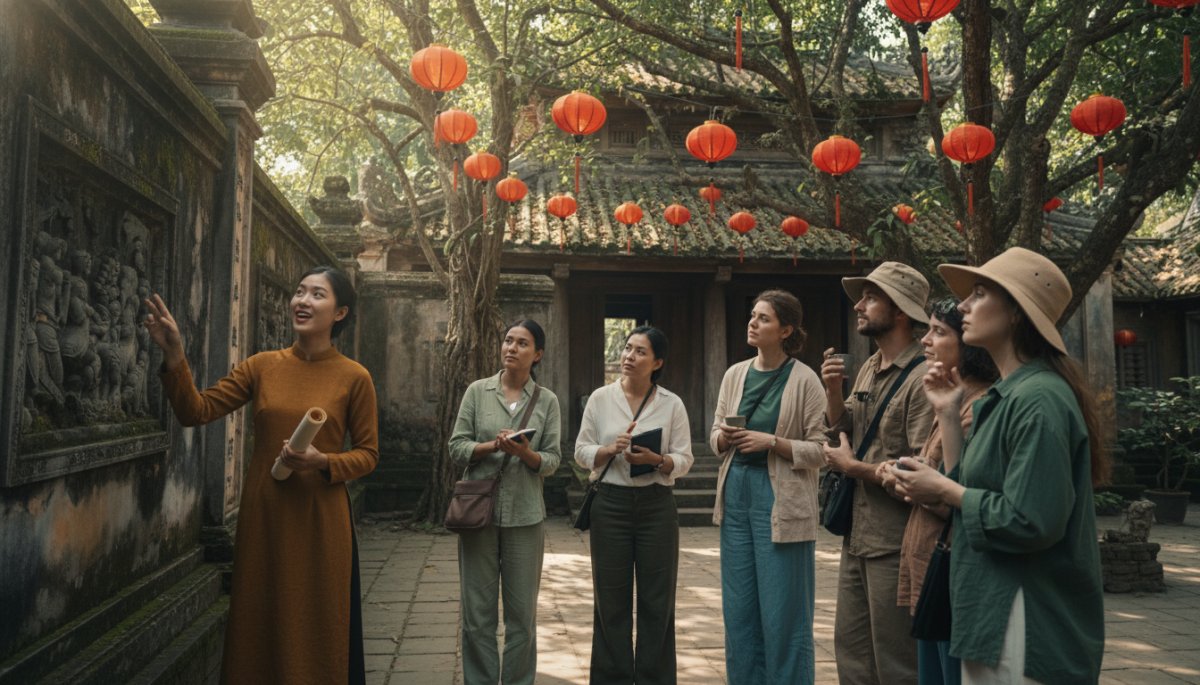
Next,a deeper experience. On a tour with a Japanese-speaking guide, you can hear the historical and cultural background in detail. Whether you're at the My Son ruins or walking Hoi An's Old Town, having a guide's explanation changes how deeply you understand it.
Furthermore,Safetyの確認も重要です。ツアーは移動や連絡を一本化できますが、信頼できる会社でも事故や変更をなくすことはできません。催行会社、車両、ガイド、保険、緊急時対応を確認し、自分でも現在地と帰路を把握してください。
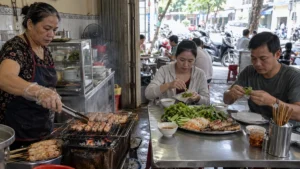
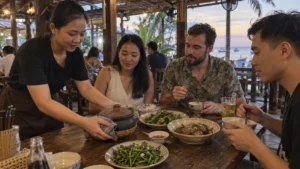
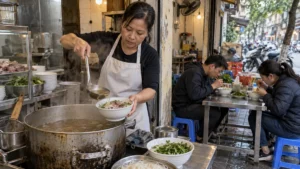
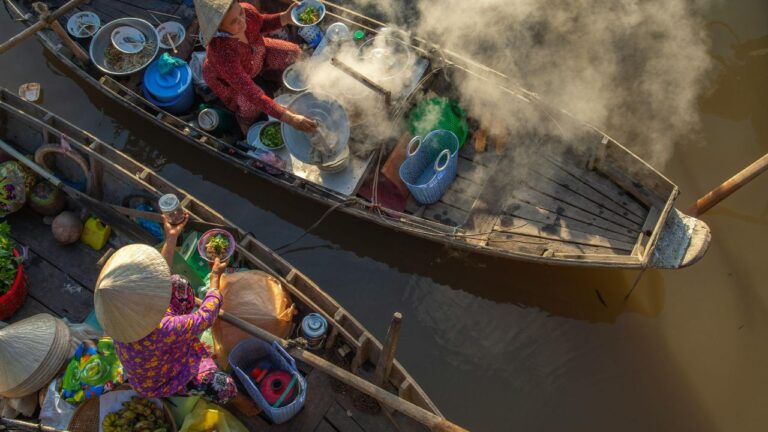
And above all,you get to touch the rhythm of local daily life. The bustle of a market, coffee at the roadside, the flow of people at dusk. A tour becomes a window into experiencing a slice of that everyday life.
Recommended local tours by major city
Ho Chi Minh City: feel the energy at the country's economic heart
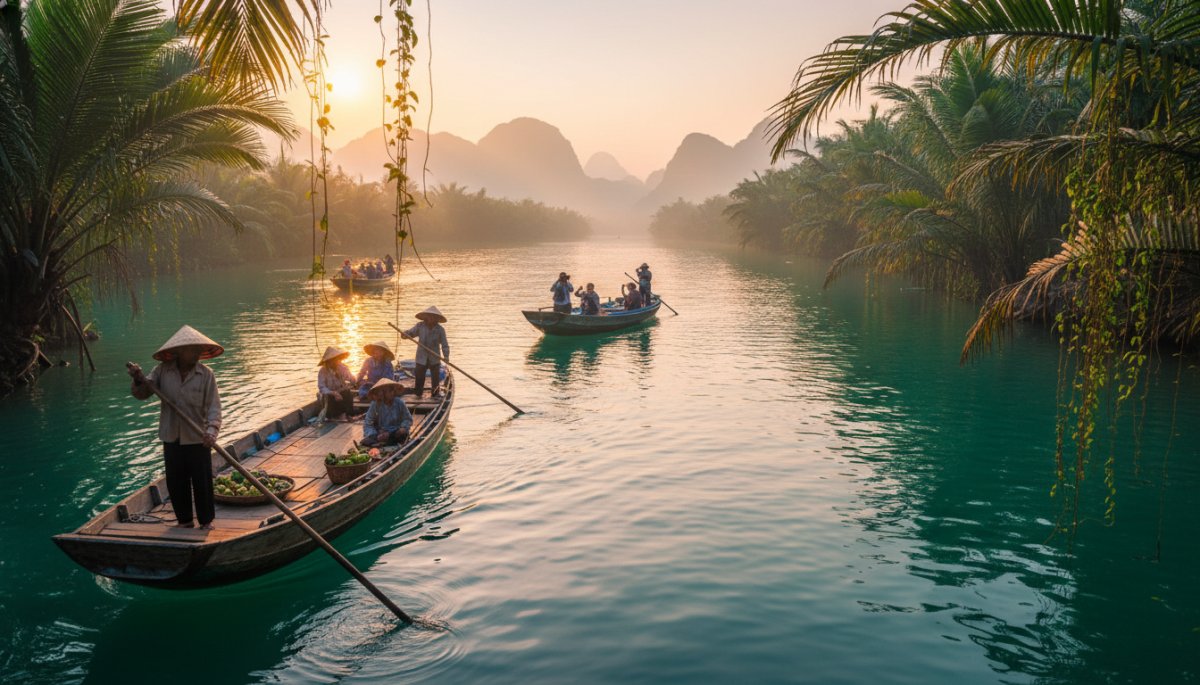
The most popular thing to do in Ho Chi Minh City isMekong River cruise tour.
メコンデルタツアーの食事、試飲、空港送迎は商品ごとに異なります。ニシキヘビなど野生動物との接触撮影は、動物福祉、衛生、安全、合法性を確認できなければ選ばない判断が必要です。到着日に参加する場合は入国・荷物の遅延、睡眠不足、長い車移動も見込み、無理な接続を避けてください。
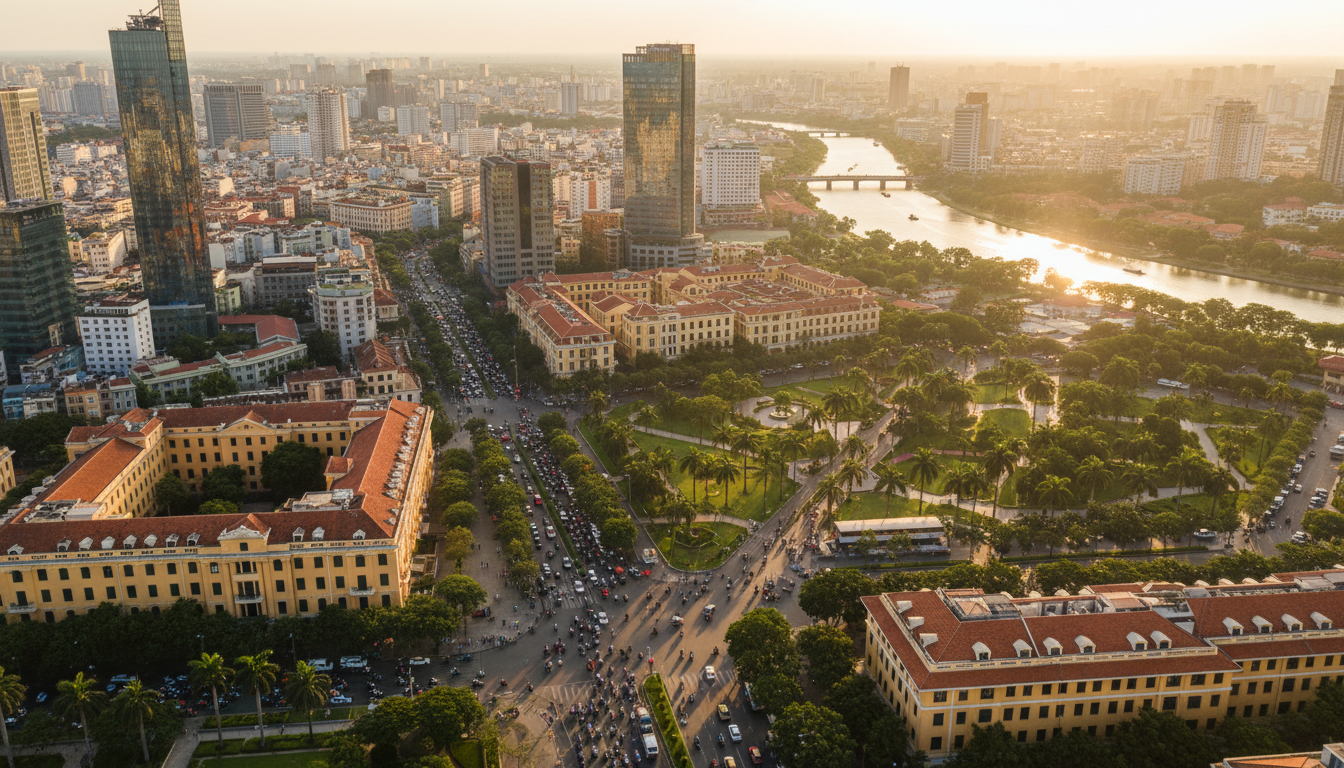
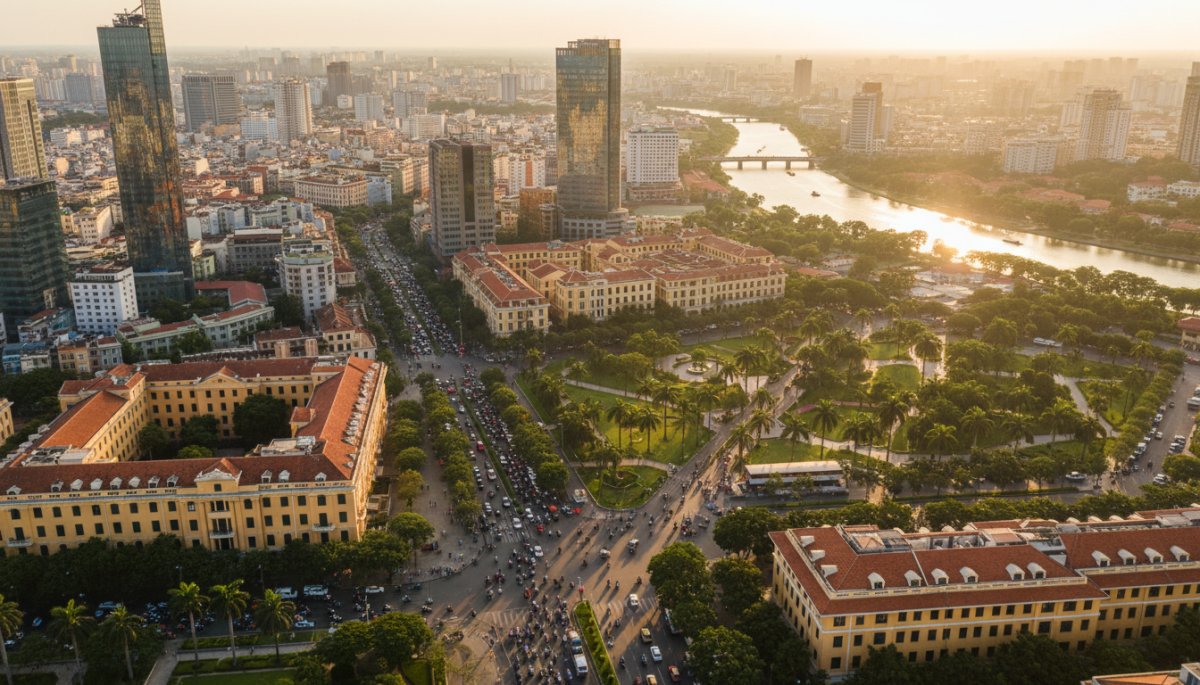
Ho Chi Minh City is defined by a distinctive cityscape where high-rise towers and local shops coexist. French colonial buildings, back-alley eateries, and café districts buzzing with young people all exist side by side, blurring the line between sightseeing and everyday life.
Hanoi: A city where you feel history at the heart of politics and culture
In Hanoi, there are stores atTour of the Trang An World Heritage site, the ancient capital of Hoa Lu, and Mua Caveis drawing attention.
小船、登山、食事など実際の行程と体力負担を確認します。水牛など動物に乗る体験は、飼育、休息、装具、扱いを旅行者が十分に確認しにくいため、観察だけの行程を選ぶことも検討してください。食事や満足度は個人差があり、レビューの形容だけで判断しません。
旧稿掲載の「ザ・ハノイトレイン」は特定商品です。販売・運行が継続しているか、列車名、実際の乗車区間、ハノイ駅での行程を公式運行情報と催行会社で照合してください。線路内や立入規制区域へ撮影目的で入らないことが前提です。
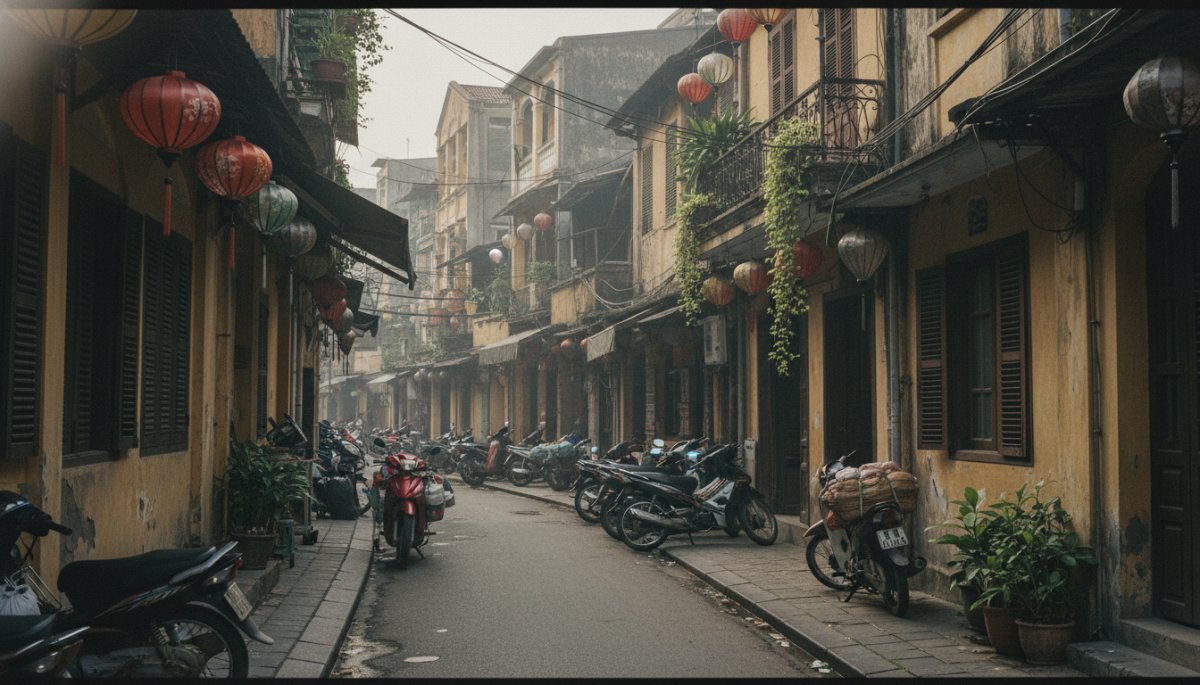
Hanoi has a calm atmosphere, and in the Old Quarter, commerce and daily life are packed into narrow streets. Around the lakes you'll see locals doing morning exercises or enjoying a stroll—a strong sense that, even as a tourist destination, everyday life is laid open just as it is.
Da Nang and Hoi An: Where resort life meets World Heritage
The popular tour from Da Nang is theGolden Bridge + Ba Na Hills + evening Hoi An tour。
ゴールデンブリッジ、ホイアン、バスケットボートを一日で組む商品は、移動・待ち時間が長くなる場合があります。ガイドの時間管理や子どもへの対応は保証ではありません。チャイルドシート、休憩、トイレ、階段、終了地点、追加料金を確認します。
Another classic is theMy Son Sanctuary + Hoi An tour。ミーソン遺跡とホイアンを組み合わせる場合、遺跡での滞在時間、暑さ対策、ボートの救命具、灯籠の環境配慮、終了時刻を確認します。歴史・宗教の説明は、ガイド資格と根拠を質問し、一人の説明を唯一の見方としない姿勢も大切です。
Da Nang is a beach resort that has developed rapidly over the past few years. The long stretches of sand, epitomized by My Khe Beach, are a place of relaxation not only for tourists but for locals too. The city itself is compact and easy to get around, making it well suited to a first stay in central Vietnam.
Hoi An's Old Town is a registered World Heritage site, and at night the glow of lanterns envelops the streets. It's well maintained as a tourist destination but without excessive flash, and even your walking pace naturally slows down.
Sources VELTRA "Local tours and activities in Vietnam"(January 2026)
How to book local tours and typical prices
There are three main ways to book
Online reservationは比較しやすい方法の一つですが、現地旅行会社、ホテル手配、公式予約の方が条件に合う場合もあります。
VELTRAやHISなどで日本語表示やレビューを確認できますが、大手・日本語・カード決済は催行や安全の保証ではありません。販売者と現地催行会社が異なる場合の責任範囲、緊急連絡先、返金先を確認します。
Travel agency package toursare another option. In addition to flights and hotels, some plans bundle in local tours. Specialist agencies such as Vietnam-O offer a rich lineup of plans with Japanese-speaking guides and round-trip transfers.
Booking directly on-siteoffers flexibility, but the language barrier and verifying reliability are challenges. Consulting your hotel concierge is a safe approach.
Know the typical price range
Tour prices vary widely depending on the content and duration.
料金は日付、人数、言語、送迎、車種、入場料、食事、為替で変わります。旧稿の3,000〜15,000円を現在の相場とはせず、同じ条件でVND総額を比較してください。
Private tours cost more, but let you sightsee at your own pace. Shared tours are economical and let you enjoy mingling with other travelers.
Prices vary depending on options such as early-morning airport pickup or included meals. Be sure to check exactly what's included when booking.
How to identify a trustworthy travel agency
So how do you choose a company you can trust?
レビューは直近の複数投稿から、車両、予定変更、販売店立寄り、ガイド言語、食事、返金対応という具体的な事実を読みます。高評価の平均だけでなく、低評価への事業者返信と商品説明との整合を確認します。
Next,Whether Japanese-language support is available.Tours accompanied by a Japanese-speaking guide spare you language worries and deepen your understanding of culture and history. Whether inquiries can be handled in Japanese is another important point.
The cancellation policyis also worth checking. Can they accommodate sudden changes of plan, and what are the refund conditions? Companies with clear rules are more reliable.
Whether they have a local branchは連絡先の一つですが、実際の営業時間、担当範囲、夜間・休日の緊急対応、現地催行会社との関係を確認します。拠点数だけでサポート品質は判断できません。
Finally,price transparency.Are the included content and any extra charges clearly stated? Vague pricing is best avoided.
Sources HIS "Discount booking for overseas local optional tours"(January 2026)
Tips and points to note when joining a tour
Preparing your clothing and belongings
Vietnam's climate varies by region.
気候の傾向はあっても、雨、寒暖差、台風、猛暑は年と日で変わります。「軽装で問題ない」「5〜8月がベスト」と固定せず、出発直前の予報、警報、ツアーの中止基準を確認し、雨具、水分、冷房・寺院用の羽織りを調整してください。
When visiting temples and ruins, clothing that covers the shoulders and knees is required. Don't forget a hat, sunscreen, and insect repellent.
Punctuality and manners
Tours start on time.
Arrive 10 minutes before the meeting time. Being late inconveniences the other participants. Follow the guide's instructions, and refrain from taking photos where photography is prohibited.
An attitude of respecting local culture matters too. Don't haggle too hard at markets, behave quietly at temples, and observe the basic manners.
The custom of tipping
チップは契約・施設・商品によって、任意、込み、目安提示のいずれもあります。まず予約条件を確認し、強要された場合は催行会社へ相談します。
旧稿の固定額を一律の相場とはしません。任意なら、サービス、人数、現地通貨、自分の判断で決め、他の参加者へ同調を求めないようにします。
Meals and allergy accommodations
If a tour includes meals, tell them about any allergies or dietary restrictions in advance.
魚醤、甲殻類、ピーナッツ、卵、乳、小麦などが料理や調味料に含まれることがあります。予約時に現地語・英語で書面連絡し、代替食だけでなく調理器具や油の交差接触まで対応可能か確認します。「対応可」でも重いアレルギーの安全を保証しないため、薬と受診計画を準備してください。
予約確定前の最終確認
- 販売者と現地催行会社の正式名称、連絡先、責任範囲
- 集合・終了地点、実移動時間、ホテル送迎の対象範囲
- ガイド言語、参加人数、車種、シートベルトと子ども用座席
- 入場料、食事、税、チップ、延長、販売店立寄りを含む総額
- 保険、救命具など安全装備、悪天候・交通障害時の判断
- 変更・取消期限、返金方法、最低催行人数
- アレルギー、移動制約、妊娠、持病への対応
- 動物接触を含む場合の福祉・衛生・合法性
効率だけを追うと、移動と集合待ちで一日が終わることがあります。行きたい場所を一つ決め、その場所で必要な滞在時間から逆算してツアーを選ぶと、個人移動と比較しやすくなります。
Summary: Make the most of your trip with local tours in Vietnam
Local tours in Vietnam greatly enhance the quality of your trip.
The energy of Ho Chi Minh City, the history of Hanoi, the resort feel of Da Nang, the charm of Hoi An—local tours let you experience the appeal of each city efficiently and deeply.
Booking is convenient through online sites, and you should choose a trustworthy company by referring to reviews. Understanding the typical prices and checking what's included matters too.
When you join, pay attention to your clothing and belongings, and observe punctuality and manners. Don't forget the tipping custom and being considerate about meals.
The appeal of Vietnam's tourist spots lies less in the famous landmarks themselves than in the everyday life that surrounds them. The bustle of the markets, a cup of coffee at the roadside, the flow of people that swells toward evening. The form differs from city to city, but in every town, daily life sits right next to the sightseeing.
Make good use of local tours and savor Vietnam's many-layered appeal to the fullest.
May your trip become an unforgettable experience.