Why Vietnam's cooking classes are popular with travelers
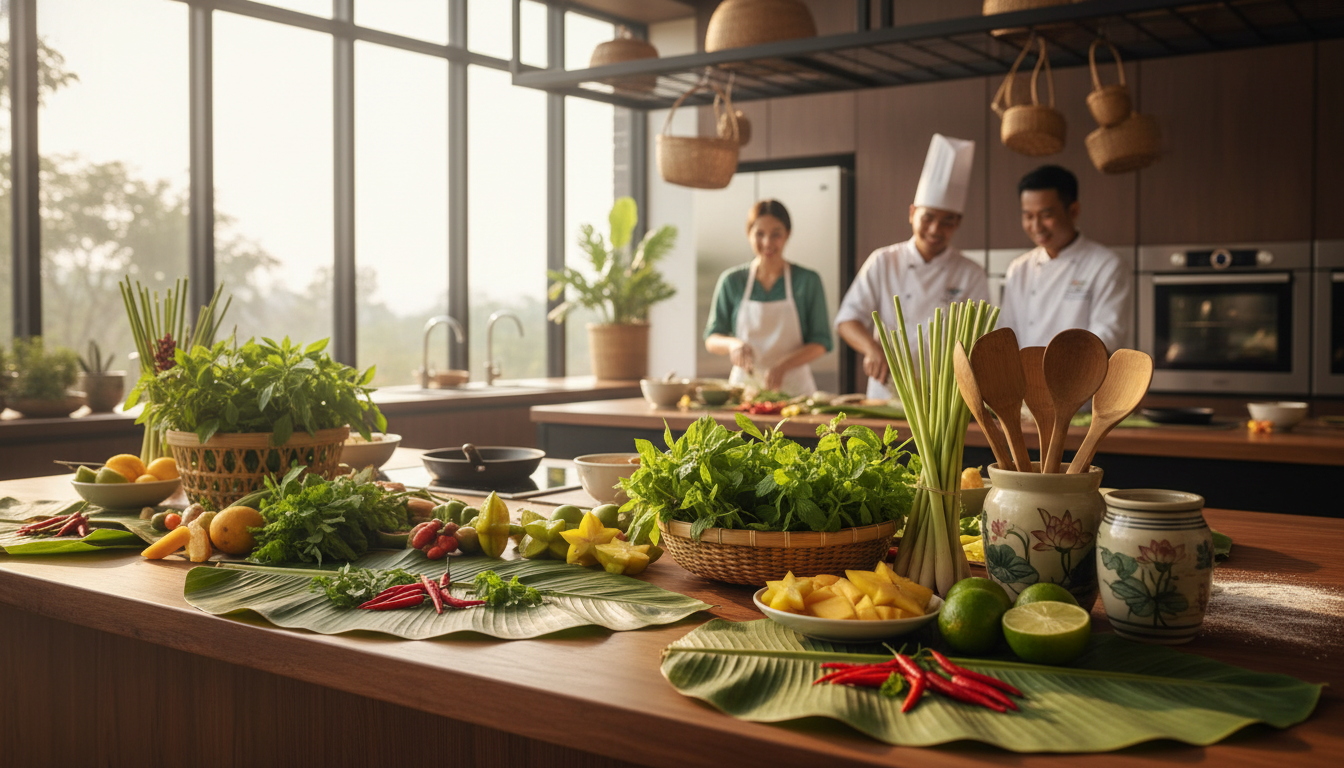
For travelers visiting Vietnam, a local cooking class is an experience with value beyond mere sightseeing.
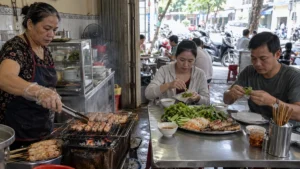
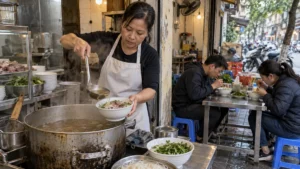
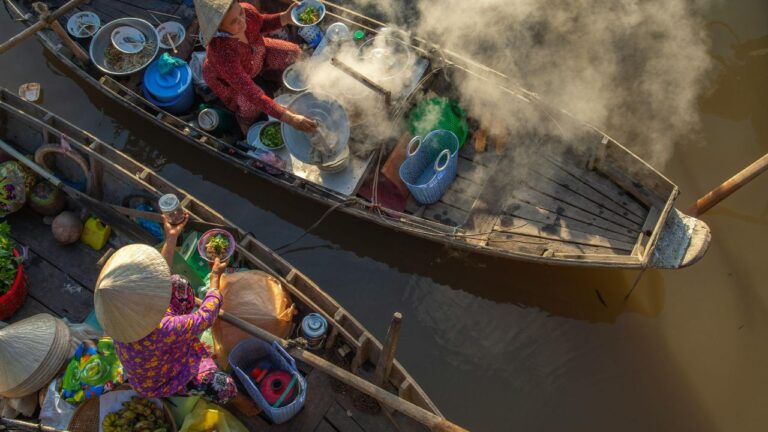
Walk the streets and the aromas of pho and banh mi drift by, while at back-alley eateries locals enjoy their meals. Getting to take part in a piece of that daily life yourself is the appeal of a cooking class. You directly learn things you can't tell just from eating at a restaurant, like how to choose ingredients, cooking tricks, and the secrets of seasoning.
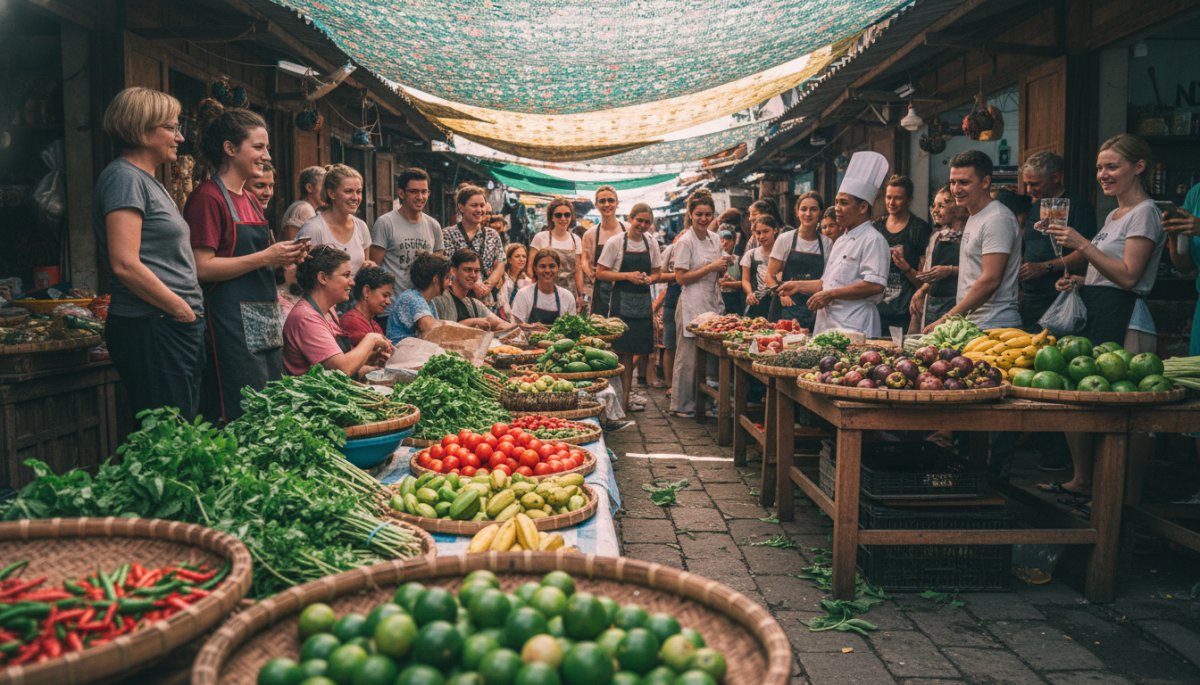
In major cities like Ho Chi Minh City, Hanoi, and Hoi An especially, cooking classes for tourists are plentiful, with abundant English-language classes too. Courses that include a market tour let you walk around seeing the ingredients locals use daily and understand Vietnam's food culture more deeply.
Popular cooking classes in Ho Chi Minh City and their features
Ho Chi Minh City is an economic hub, and the choices for cooking classes are plentiful too.
旧稿掲載のサイゴン・クッキング・クラスは、運営、場所、市場ツアー、担当者、メニューが変更される可能性があります。予約前に公式サイトで現在の開催日、実習内容、言語、集合場所を確認してください。市場の食材を一律に「新鮮」とせず、保管と衛生も講師に質問します。
M.O.M Cookingも、旧稿の定員、指導人数、料理数を現在の固定条件とはしません。実際に自分で調理する範囲、炭火や刃物の安全管理、換気、衛生設備、メニューと代替食を現在の予約ページで確認します。
Classic menu items you can learn at Ho Chi Minh City cooking classes
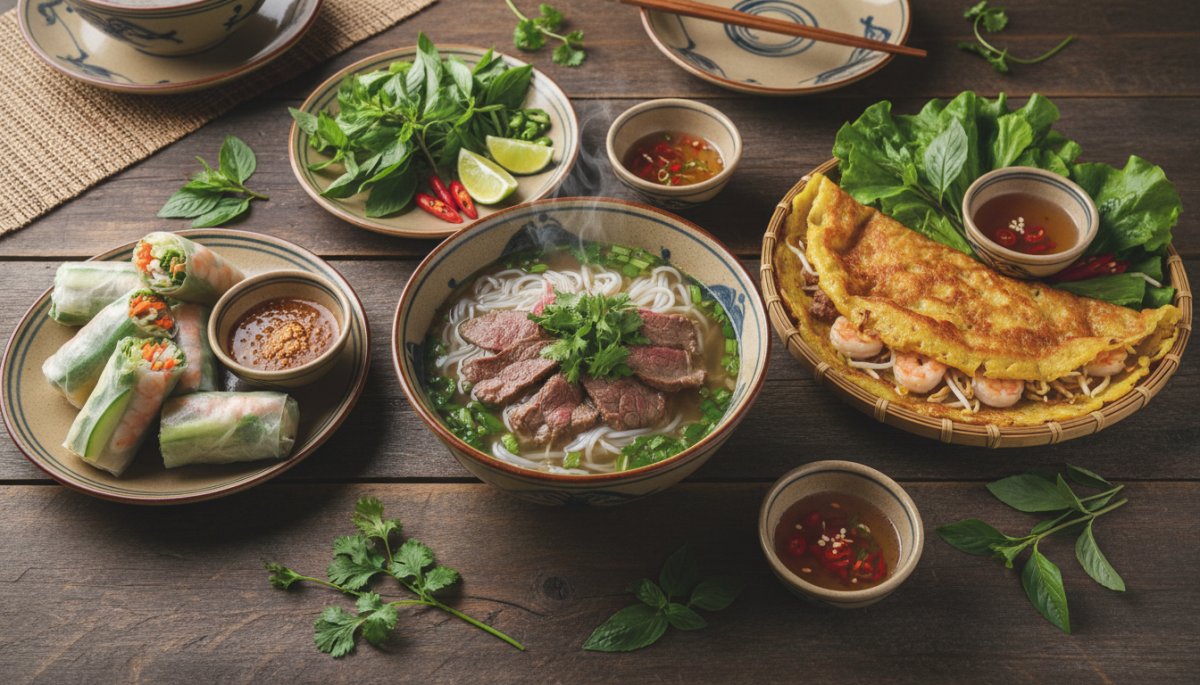
Fresh spring rolls are a dish even beginners can try. You're taught carefully, from how to handle rice paper to how to wrap the fillings. Banh xeo is deeper than it looks, with the thinness of the batter and the degree of cooking being the key points.
With pho, you can experience the authentic method of taking broth from beef bones over time. Caramelized pork is characterized by a sweet-and-savory seasoning and goes superbly with rice. For dessert, you can learn tropical sweets like coconut banana.
How to book and price guidelines
オンライン予約は便利ですが、日本語表示やレビューが安全・催行を保証するわけではありません。旧稿の3,000〜5,000円を現在の相場とはせず、現地催行者、VND総額、税、送迎、市場ツアー、取消条件を同じ条件で比較してください。
Small-group private classes and courses where you learn special menus are set a bit higher. Checking reviews on the booking site in advance makes it easier to find a class that suits you.
Learn northern flavors at a Hanoi cooking class
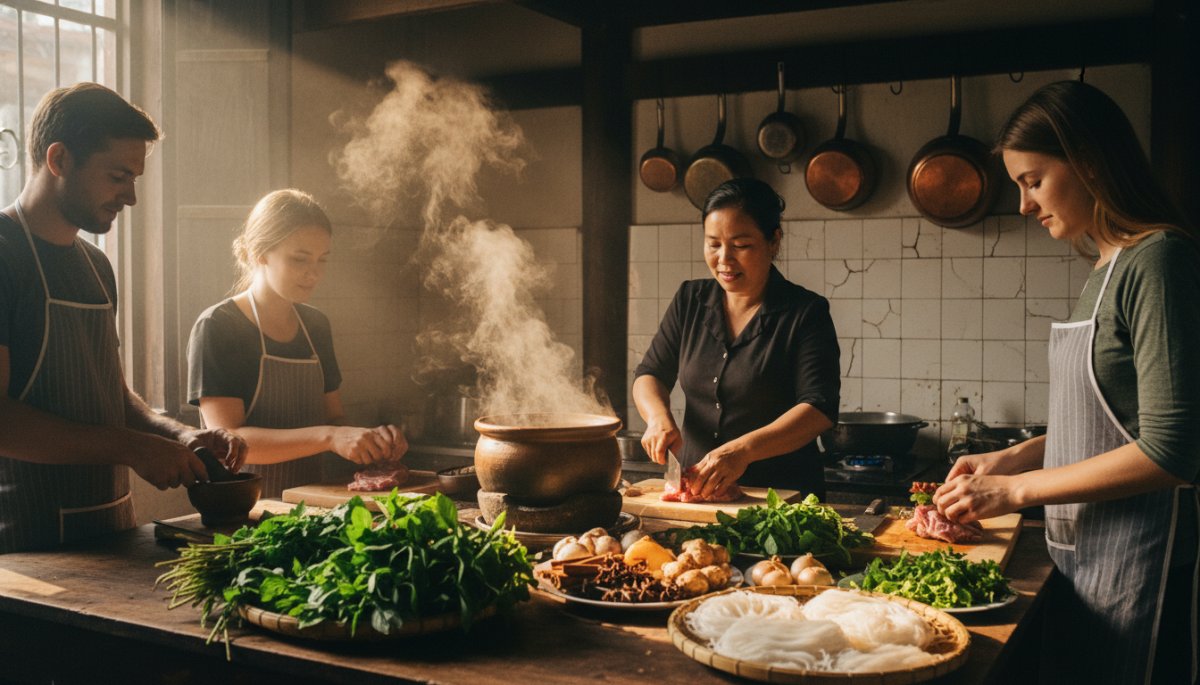
Hanoi is the center of politics and culture, and its cuisine has distinctive traits too.
北部料理をすべて「控えめ」と一般化せず、料理、家庭、店ごとの違いを講師に聞くと理解が深まります。フォー、ブンチャー、揚げ春巻きなどの実習範囲を確認し、シクロや市場散策付きなら交通、料金、撮影マナー、移動時間も確認します。
日本語ガイドがいても、食品安全やアレルギー対応の資格を保証するものではありません。フォーも長時間の出汁を最初から作るのか、事前仕込みを解説するのかで体験内容が異なるため、予約前に確認します。
Culinary experiences unique to Hanoi
Bun cha is a dish where charcoal-grilled pork is dipped in a sweet-and-sour sauce, and it's a Hanoi specialty. It's surprisingly simple to make and, nicely, easy to recreate at home. For fried spring rolls, you're taught carefully, from prepping the fillings to how to fry them.
Banana flower salad is a dish using an ingredient that's hard to get in Japan. Getting to learn how to prep the banana flower and how to combine it with herbs is a precious experience.
The appeal of a market stroll and a cyclo experience
市場は観光用の舞台ではなく仕事と買い物の場です。通路を塞がず、人物・商品を近くで撮る前に許可を得て、生肉や魚に触れた後は手洗いします。シクロは料金、経路、所要時間、交通上の安全を乗車前に確認してください。
Passing through the narrow streets and gazing at commerce carried on across many generations, you feel the layering of this town's history firsthand.
Cooking class information for Hoi An and Da Nang
In the central region, Hoi An and Da Nang are areas popular as resort destinations too.
Hoi An's Old Quarter is registered as a World Heritage site, and at night the glow of lanterns wraps the town. Joining a cooking class in this atmospheric town lets you enjoy sightseeing and a cultural experience at once. Hoi An's cuisine is characterized by seasoning distinctive to the central region, with an exquisite balance of spiciness and tartness.
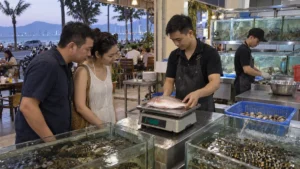
Da Nang is a beach resort that developed rapidly in recent years, where urban convenience and closeness to nature coexist. Cooking classes are arranged for tourists too, with abundant English-language classes. At classes near My Khe Beach, you can sometimes learn dishes using fresh seafood.
Menu items unique to the central region
カオラウはホイアンを代表する麺料理ですが、「他地域では食べられない」とは断定できません。教室で麺そのものを作るのか、市販・事前準備の麺を使って仕上げるのか確認します。ミークアンも具材や汁の量に多様な作り方があります。
Central cuisine is also influenced by Hue's royal court cuisine, with a commitment to visual beauty. Getting to learn fine techniques like plating tricks and how to use herbs is another draw.
Points and cautions for choosing a cooking class
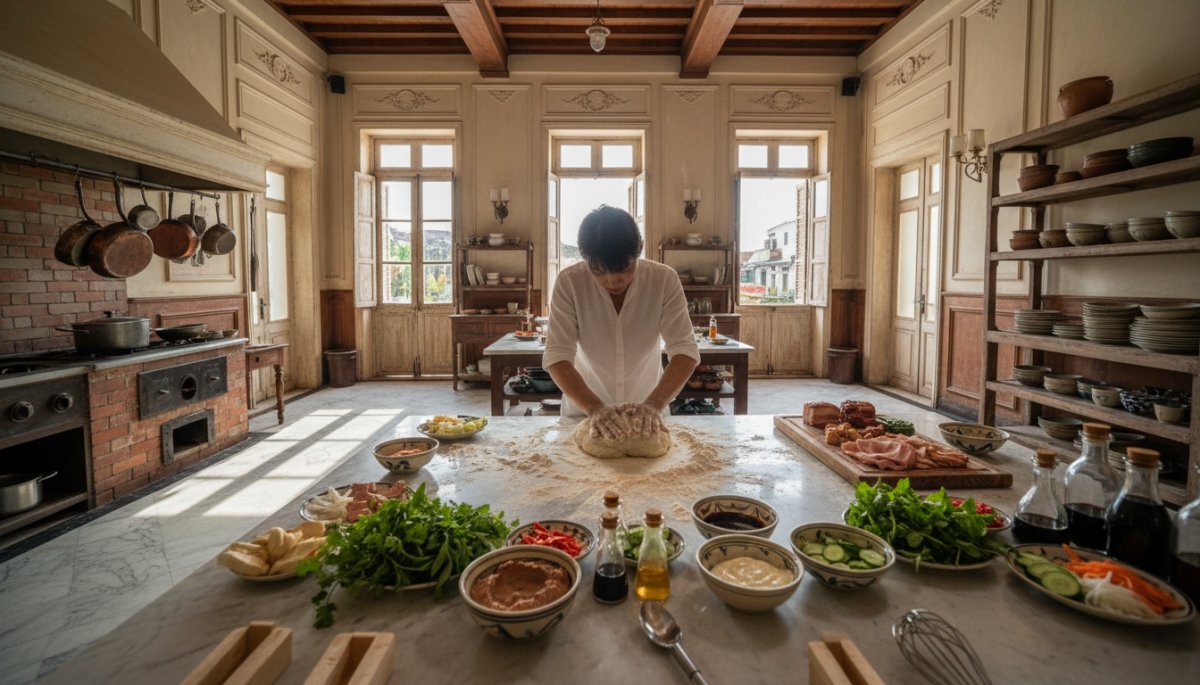
To choose a cooking class that suits you, it's good to keep a few points in mind.
First, it's important to check the language support. If you can speak English, your choices broaden, but choosing a tour with a Japanese-speaking guide gives even more peace of mind. Small-group classes have the benefit of careful instruction for each person.
Whether a market tour is included is also an important point. A market shopping experience is a precious chance to learn Vietnam's daily life. Check the location of the cooking class too. Having a hotel pickup service means no worries about getting there, which is convenient.
Things to check when booking
Course lengths range from half a day to a full day. Choose to match your travel schedule. You also need to check in advance what's included in the price. It's good to confirm whether ingredient costs, a recipe card, a certificate, and the like are included.
アレルギーや食事制限は予約前に書面で伝え、魚醤、甲殻類、ピーナッツ、卵、乳、小麦、大豆などの原材料だけでなく、包丁、まな板、油の交差接触へ対応できるか確認します。代替可能という回答だけで重いアレルギーの安全が保証されるわけではありません。
About what to bring and what to wear
エプロンの貸出、靴、子どもの参加条件を確認します。髪を結び、つま先の覆われた滑りにくい靴を選び、火・油・刃物の説明に従ってください。撮影は講師と参加者の許可を取り、生肉に触れた手で端末を操作した後は手と端末を清潔にします。
If you want to take notes, bringing a notebook and pen is good. That said, many classes hand out recipe cards.
Tips for enjoying a cooking class experience to the fullest
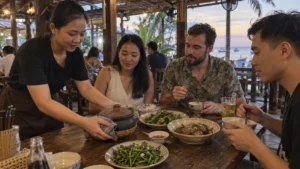
A cooking class isn't just about learning to cook; it's also a place for cultural exchange.
Asking questions actively yields deeper learning. Try asking for information useful after you get home, like substitute seasonings or how to make dishes with ingredients available in Japan. Interacting with other participants is one of the joys too. The experience of cooking together with people from various countries enriches your travel memories.
試食前に肉・魚・卵が十分加熱されているか講師と確認し、長時間室温に置かれた料理は無理に食べません。写真は任意で、撮影より衛生と安全を優先します。味の感じ方には個人差があるため、うまくできなかった工程も質問の材料になります。
Tricks to keep enjoying it after you get home
Try recreating the recipes you learned in class at home. Making them while improvising with ingredients available in Japan brings back travel memories. Scouting out Vietnamese or Asian grocery stores in advance makes it easier to recreate authentic flavors.
Serving them to friends and family lets you share your travel experience and keeps the conversation lively. Getting to convey Vietnam's culture and your travel memories through food is a wonderful thing.
予約前に教室へ確認する質問
- 見学ではなく、自分で作る工程はどこからどこまでか
- 講師一人当たりの参加人数、使用言語、子どもの参加条件
- 市場ツアー、送迎、食材、飲料、レシピを含むVND総額
- 魚醤・甲殻類・ナッツ等の原材料と交差接触への対応
- 手洗い、器具の分離、加熱温度、余った料理の持帰り条件
- 刃物、火、炭、油を扱う際の安全説明と保険
- キャンセル期限、最低催行人数、会場変更時の連絡方法
家庭で再現したいなら、完成写真より「日本で代用できる材料」「保存できる工程」「失敗したときの直し方」を聞く方が役立ちます。現地でしか入手しにくい食材は、無理に持ち帰らず日本の検疫条件を確認し、国内のアジア食材店で探す方法もあります。
Summary: the special experience you get from a Vietnamese cooking class
Vietnam's cooking classes have value beyond a mere sightseeing activity.
In Ho Chi Minh City you can experience a lively market and authentic southern cuisine; in Hanoi, the historic Old Quarter and delicate northern cuisine; in Hoi An and Da Nang, World Heritage townscapes and flavors distinctive to the central region. Each city has a different appeal, and wherever you join, it will surely become an unforgettable memory.
The greatest appeal is getting to touch the lives and culture of the Vietnamese people through cooking. Shopping at the market, how to choose ingredients, cooking tricks, the secrets of seasoning. Learning these deepens your understanding of the country of Vietnam.
After you get home, you'll be able to make Vietnamese food at home too, savoring your travel memories again and again. Serving it to friends and family also makes a wonderful chance to share your travel experience. On your next trip to Vietnam, be sure to join a cooking class and experience authentic flavors and culture. It's sure to make your trip richer.