One thing you can't avoid on a trip to Vietnam is exchanging money into the local currency, the dong.
Should you get it done at the airport, or hunt for an exchange counter in town? Where can you change money without losing out? If it's your first visit, these questions are bound to cross your mind at some point.
The truth is that rates vary widely depending on where you exchange, and even on a modest sum you can end up thousands of yen apart. To avoid wasting your travel budget, it pays to know the ropes. This article breaks down how to change money in Vietnam at the best value, from a practical, on-the-ground perspective.
Understanding the dong, Vietnam's currency
Vietnam's currency unit is the dong (VND).
最高額面は500,000ドン札です。円換算は為替で変わるため、「ゼロを3つ取り6を掛ける」といった固定式は旅行時点でずれる可能性があります。出発前に当日の基準レートを確認し、スマートフォンの計算機で「VND金額÷1円あたりのVND」を計算する方が確実です。
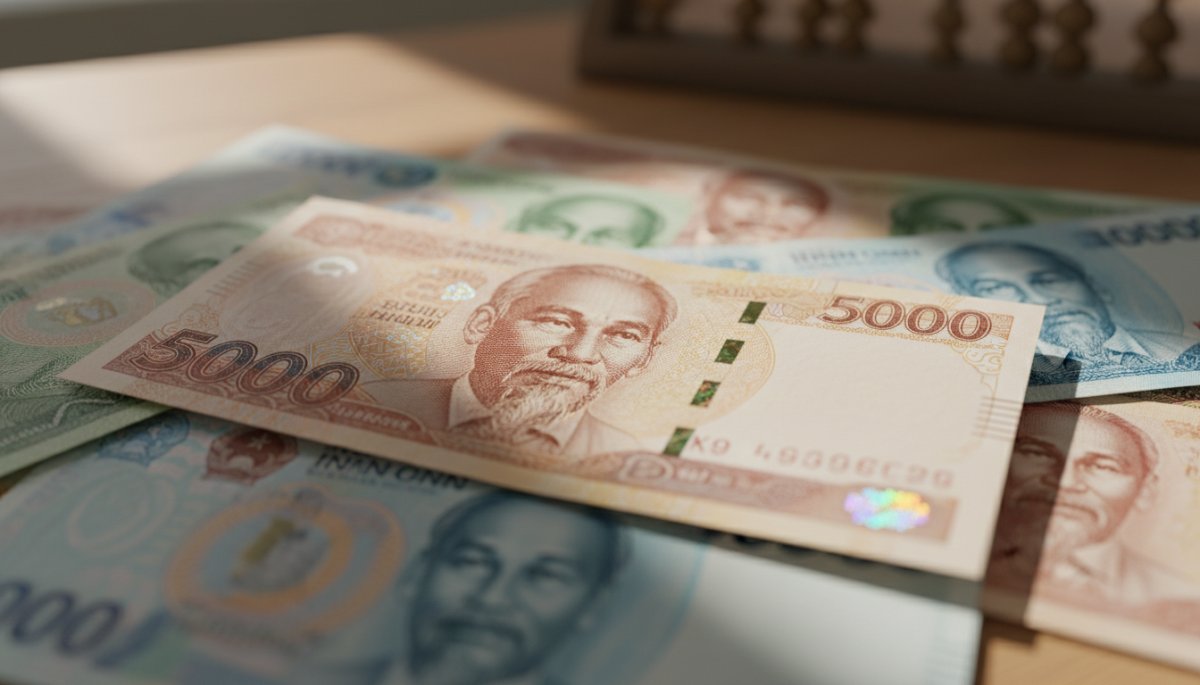
You'll also frequently see the shorthand "K" in Vietnam. It stands for "thousand," so a price marked 100K means 100,000 dong. It shows up constantly on restaurant menus and street-stall price lists, so it's handy to remember.
為替は毎日動き、同じ日でも金融機関の買値と売値は異なります。検索画面の参考レートだけで決めず、「日本円を渡したときに最終的に何VND受け取れるか」を複数の窓口で確認してください。
Comparing rates and features by exchange location
How much dong you walk away with depends heavily on where you exchange.
Airport exchange counters
空港内には外貨両替窓口がありますが、営業時間、取扱通貨、レートは窓口と到着時刻で変わります。「24時間」「一律3〜5%」とは断定できません。市内へ移動する交通費など当面分だけを替え、残りは銀行や認可された両替代理店と受取総額を比較する方法があります。
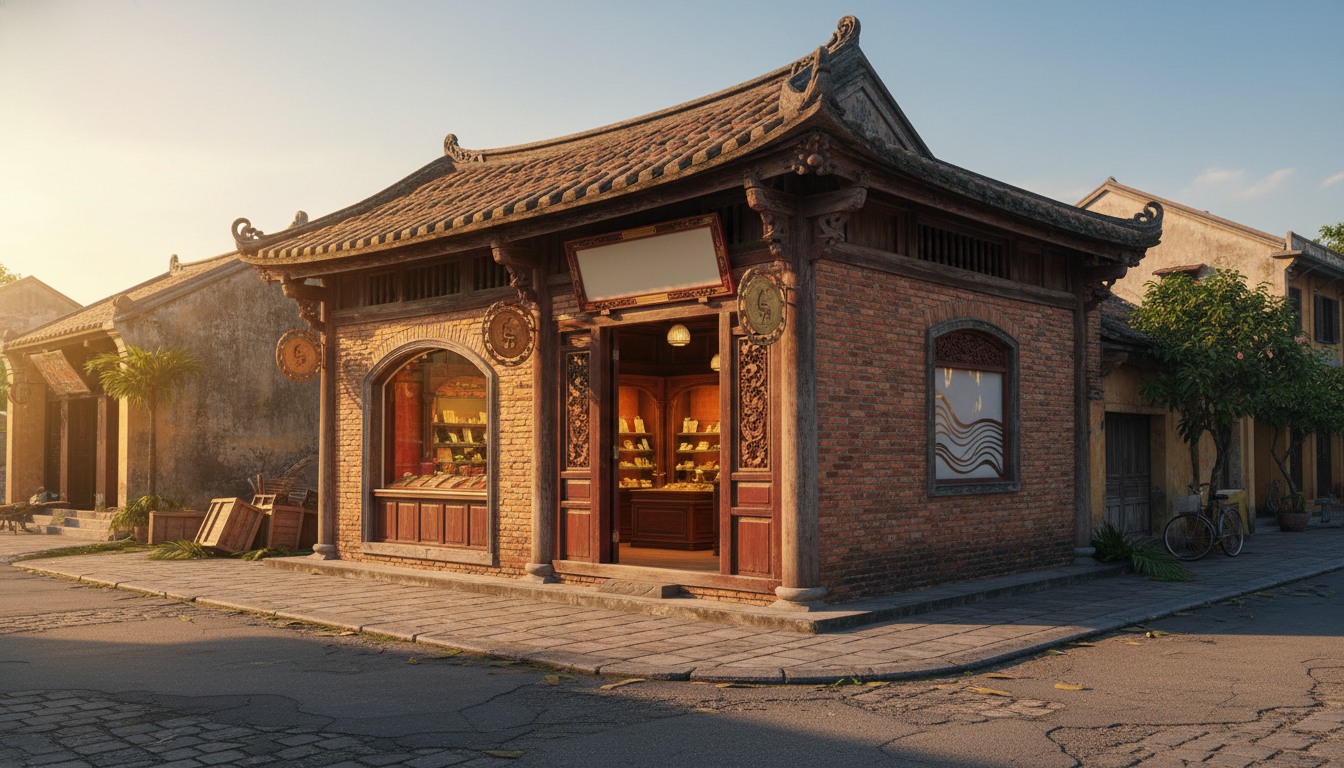
In-town exchange counters and jewelry shops
街中では、認可金融機関または国家銀行へ登録された外貨両替代理店を利用します。貴金属店だから有利、手数料は1%と一般化するのは危険です。営業許可の表示、当日の買値、手数料込みの受取額、レシート発行を確認し、無登録の個人間両替は避けてください。

Exchanging at a bank
銀行は認可状況を判断しやすく、レシートを受け取りやすい選択肢です。ただし、支店ごとに営業時間、対応通貨、必要書類が異なり、レートが常に他より不利とも限りません。円の現金を扱うか、訪問前に支店へ確認してください。
Exchanging at your hotel
ホテルが両替に対応する場合もあります。宿泊者限定、通貨・金額制限、営業時間が設定されることがあるため、フロントで受取総額とレシートの有無を確認します。便利さを含めて判断し、「ホテルは必ず割高」とは決めつけない方がよいでしょう。
Sources Adapted from Gurutto Vietnam, "Exchanging Money in Da Nang! 10 Recommended Exchange Spots and the Best Places for Good Rates"(latest 2026 edition)
Top 5 recommended places to exchange money
So where should you actually exchange your money?
以下は旧稿で挙げられていた候補です。店舗やモール内サービスは移転・休止・営業時間変更があるため、店名だけで信用せず、当日の営業と外貨両替の認可を確認してください。
1. Vincom Plaza (central Da Nang)
Vincom Plaza周辺は立ち寄りやすい場所ですが、館内の両替窓口が常設とは限りません。案内所で現在の認可窓口と営業時間を聞き、提示レートと受取額を確認します。
2. Jewelry shops around Han Market
ハン市場周辺には貴金属店がありますが、すべてが外貨両替の登録代理店とは限りません。「評判がよい」「高レート」という口コミだけに頼らず、登録表示とレシートを確認し、路上で声をかける相手とは取引しないでください。
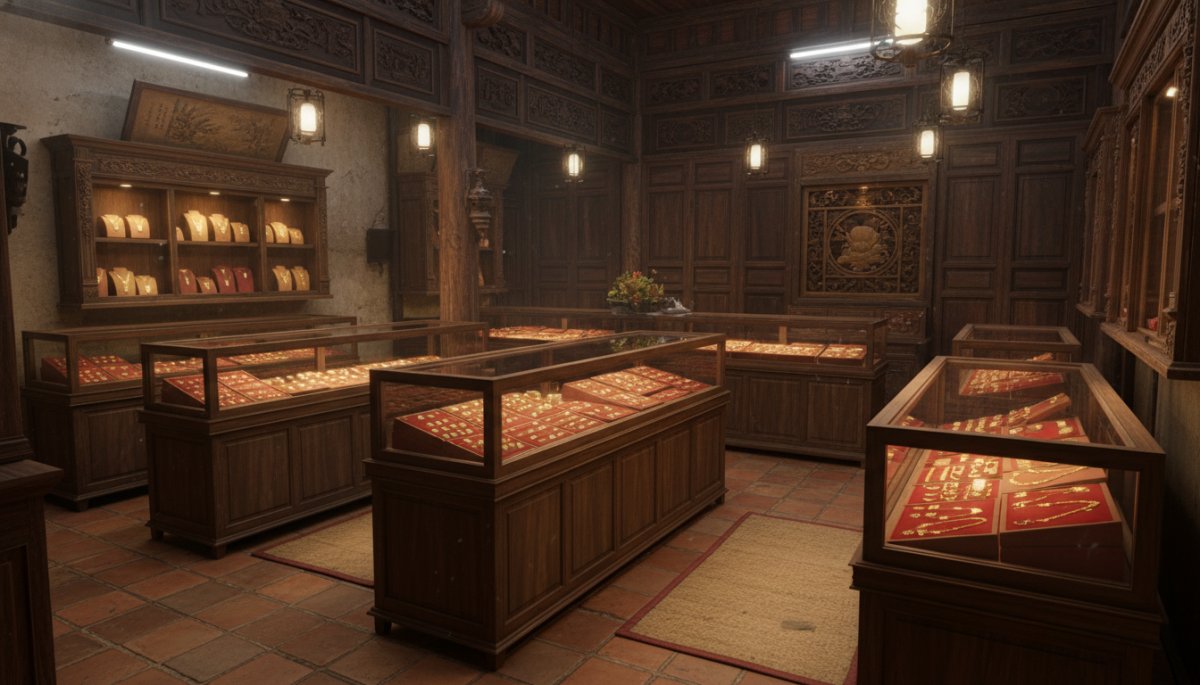
3. Exchange counters near My Khe Beach
ミーケービーチ周辺の店舗を使う場合も、旧稿の店名や営業時間を現在の保証とはしません。地図の直近情報だけでなく、外貨両替の登録、当日の受取総額、レシート発行を現地で確認します。
4. Lotte Mart Da Nang
Lotte Martなど大型商業施設でも、両替サービスの有無は時期やテナントで変わります。現在も取扱いがあるか、公式案内または館内案内所で確認してください。
5. Currency Exchange Counters at Da Nang International Airport
夜間は空港窓口が候補になりますが、深夜を含む営業時間は到着便や運営会社で変わります。閉店に備え、空港送迎を事前決済する、少額のVNDを用意するなど代替手段も準備します。
Sources Adapted from Gurutto Vietnam, "Exchanging Money in Da Nang! 10 Recommended Exchange Spots and the Best Places for Good Rates"(latest 2026 edition)
Things to watch for and safety tips when exchanging money
It's not just about getting a good rate — safety matters too.
Always bring your passport
本人確認書類の要否は金融機関、取引額、サービス内容で異なります。パスポート原本を求められる場合に備えつつ、持ち歩きの紛失リスクも考え、利用先へ必要書類を先に確認してください。
Check the market rate in advance
参考レートは比較の出発点ですが、窓口では売買スプレッドや手数料が反映されます。「手数料1%が標準」とは限りません。受取VND総額を聞き、同じ日本円額で比較してください。
Choose a government-licensed exchange counter
知名度だけでは認可を確認できません。認可金融機関または登録代理店であること、店名・住所・レート・受取額が記載されたレシートを出すことを確認します。条件を急かす、計算過程を見せない、路上へ誘導する相手との取引は中止します。
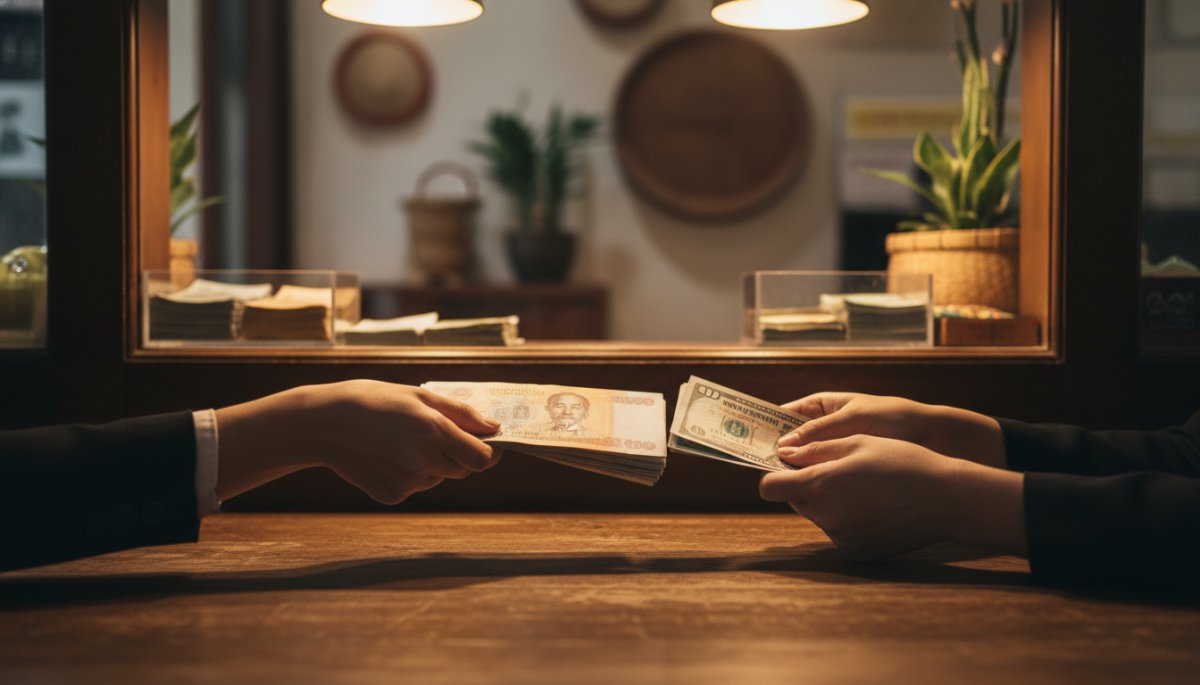
Always count your notes on the spot
両替後はカウンターを離れる前に、レシートと照合しながら紙幣の枚数、額面、破れや大きな汚れを確認します。認可店でも数え間違いが絶対にないとは言えません。紙幣を人通りの多い場所で見せ続けず、分散して保管します。
Exchanging larger amounts is better value
取引額でレートが変わる窓口もありますが、大口ほど必ず有利とは限りません。紛失・盗難と再両替の損失を考え、滞在前半分など数回に分ける方法もあります。
How to convert leftover dong back to yen
What should you do with leftover dong before flying home?
The Vietnamese dong is a currency that's hard to exchange back in Japan. So the practical move is to convert it back to yen within Vietnam before you leave, or hold onto it until your next trip. Airport counters do offer conversion back to yen, but at an unfavorable rate. If possible, it's more economical to handle it in advance at an in-town exchange counter.
For small amounts, using it up at an airport duty-free shop or café is another approach. Since the dong converts poorly when changed back, we recommend spending it down deliberately.
両替・ATM画面で確認する6項目
- 「1円=何VND」か「1VND=何円」か、レートの向きを確認する
- 手数料を含め、最終的に受け取るVND総額で比較する
- 銀行・登録代理店の名称とレシート発行を確認する
- 本人確認書類が必要か、原本を預けたままにしないか確認する
- 紙幣はその場で数え、額面・破損とレシートを照合する
- 現金、カード、ATMを併用し、一か所に全額を保管しない
ATMやカード端末で日本円建て換算(DCC)を提案された場合は、表示された換算レートと追加費用を読みます。現地通貨VNDを選ぶ方が比較しやすいことが多いものの、カード発行会社側の海外手数料もあるため、最終費用で判断してください。
Summary: How to change money in Vietnam at the best value
In Vietnam, choosing where to exchange is the key to coming out ahead.
空港・銀行・登録代理店のどれが最適かは、営業時間と当日の受取額で変わります。参考レート、手数料込み総額、認可、必要書類、レシートを確認し、現金を一度に持ち過ぎないことが基本です。
Vietnam is a country whose charms differ from region to region. Put what you save on exchange toward delicious food and wonderful experiences. Prepare with the right knowledge, and your trip is sure to be all the richer.
So put these value-savvy exchange tips to work and enjoy your Vietnam trip to the fullest!
Along with how to exchange money, the order for arranging flights, accommodation, eSIM, and insurance before departure is also covered inVietnam travel bookings summary— be sure to check it before you go.