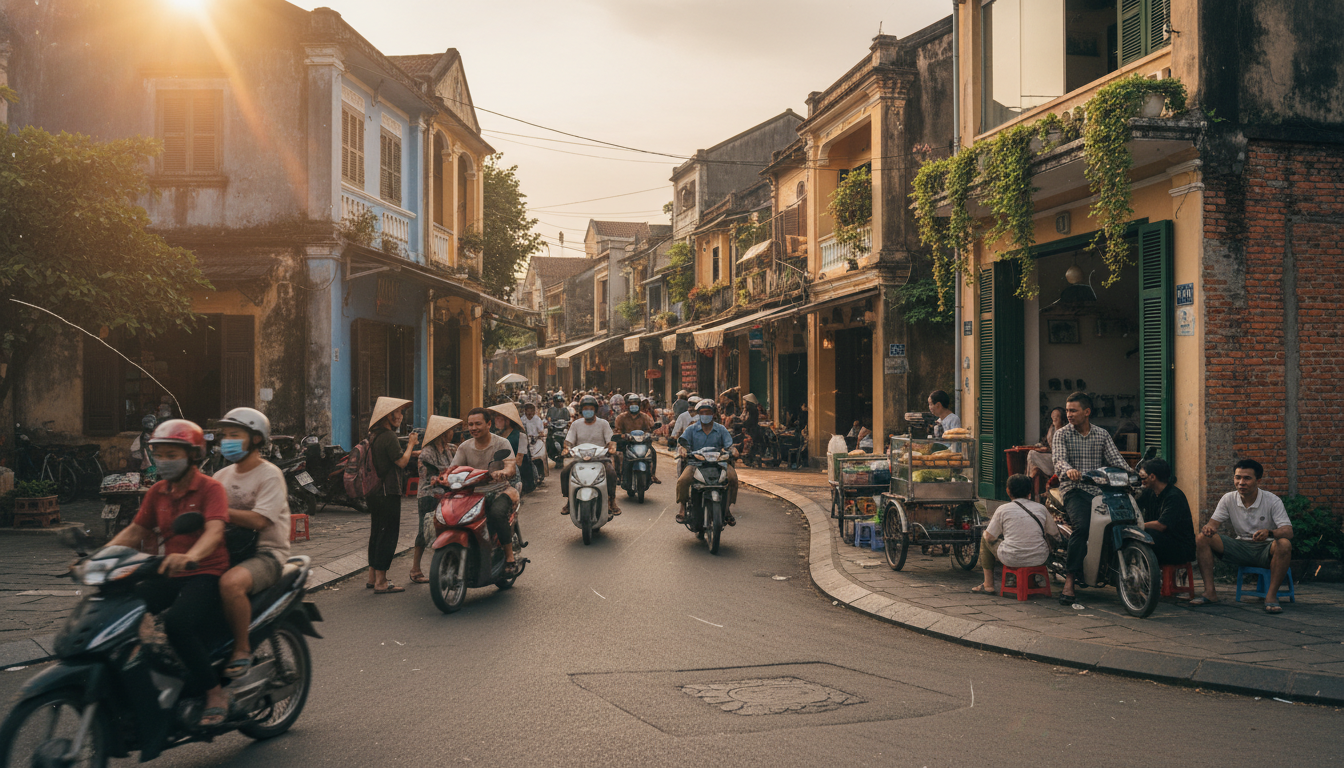
When planning a trip to Vietnam, one thing many people worry about is the language.
"Will English alone be enough?" "Can I communicate with the locals?" Many people carry such worries. In reality, the English situation in Vietnam varies greatly by place and setting. At hotels in urban areas, fluent English gets through, while at rural street stalls, gestures may be your only recourse.
This article explains Vietnam's English situation in detail by place and by setting. Where English is more likely to get through, in what situations you're likely to struggle, and how to cope when English doesn't work. We'll deliver practical information.
How good is English in Vietnam, really?
The first thing worth understanding is the overall level of English across Vietnam.
EF EPI(英語能力指数)2025では、ベトナムは123カ国・地域中64位、スコア500で「Moderate」に分類されています。ただし、これは2024年にオンラインのEF SETを受験した人を基にする指標です。インターネットを使わない人や受験に関心のない人は含まれにくく、旅行先で会う個人の会話力を予測する数字ではありません。
国同士の順位だけで「通じる・通じない」を決めず、都市、職種、年齢、相手の経験、場面の専門性で差があると考える方が実用的です。
EF EPI 2025でも地域・都市別の差は見られますが、都市部なら誰にでも英語が通じ、地方なら通じないという意味ではありません。観光業の経験や、扱う用件が日常会話か医療・法律かによっても難しさは変わります。
学校で英語を学んだ経験があっても、会話の使用頻度は人それぞれです。教育制度の説明から、目の前のスタッフが旅行者向けの英語を話せると推測しないようにします。
Sources YOLO JAPAN, "Does English work in Vietnam? Can Vietnamese people speak it? A clear look at English ability, pronunciation quirks, and English education"(April 2025), adapted
Cities and resorts: where English gets you through
The city areas of Hanoi and Ho Chi Minh City
In the capital, Hanoi, and the commercial hub of Ho Chi Minh City, the environment is set up so English works reasonably well.
ホテルや旅行者向け飲食店では英語表記や英語対応が見つかりやすいものの、スタッフ全員が同じ水準とは限りません。予約番号、氏名、日付、金額は画面や紙でも示し、復唱してもらうと行き違いを減らせます。
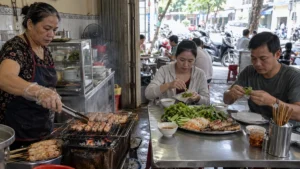
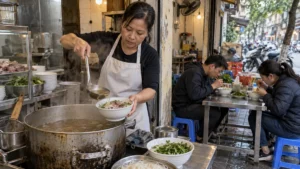
Step into a local eatery or a street stall, though, and the picture changes completely.
英語メニューがない店もあります。料理写真やベトナム語名を指し、個数とVND価格を画面で確認します。他のお客さんの料理を指すときは、相手の食事や撮影を妨げない配慮も必要です。
The tourist spots of Da Nang and Hoi An
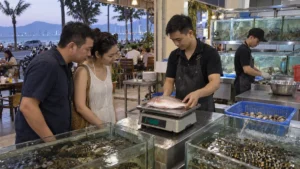
In Da Nang and Hoi An, popular as resort destinations, the English of people working in tourism is relatively high.
Resort hotel staff often speak fluent English, so booking tours and activities goes smoothly. Basic English exchanges work at cafés and restaurants too. With taxi drivers and vendors at local markets, however, cases where English doesn't get through become more common.

Telling a driver where you want to go can get tricky because of pronunciation differences. Showing the address on Google Maps or written on paper is more reliable.
Places and situations where English is hard to use
Public offices such as police stations and government offices
警察、入管、役所、医療機関では、日常会話より正確な説明が必要です。
英語対応の有無は窓口や担当者で異なります。重要な手続きは、資格や守秘義務を確認できる通訳、保険会社、宿泊先、旅行会社、在外公館などへ連絡し、機械翻訳だけで署名や同意をしないでください。
For anything important, like reporting a theft or a lost item, or handling visa-related paperwork, it's reassuring to consult a Japanese-speaking travel agency or your hotel concierge in advance.
Provincial areas and the countryside
In provincial areas a few hours from the cities, the chances of English working drop sharply.
The less a place has been developed for tourism, the higher the language barrier. The saving grace is that people are warm and approachable, and in many moments you can get your meaning across with gestures and expressions. When visiting the countryside, learning a few basic Vietnamese phrases will make your interactions with locals all the richer.
Taxis and Grab drivers
タクシーや配車アプリの運転手も、英語対応は人によって異なります。
Even if you say your destination in English, misunderstandings due to pronunciation happen frequently. The surest method is to pull up the destination on Google Maps and show them the screen. Having a note with the address written in Vietnamese is effective too.
Get to know how Vietnamese people pronounce English
Even where English works, you may struggle to catch what's being said.
聞き取りにくさは、話者双方の発音、語彙、速度、騒音、通信状態など複数の要因で起こります。国籍で一つの発音に括らず、確認方法を増やす方が役立ちます。
A tendency to drop consonants
単語が聞き取れなければ、短い文で言い換え、固有名詞や数字を文字で示します。聞き返すときは「ゆっくり話してください」「書いてください」と具体的に頼みます。
"Tr" turning into "ch"
地名や駅名は英語読みとベトナム語読みで音が違うことがあります。
音だけで推測せず、地図のピン、正式なベトナム語表記、施設写真を併用してください。

An unclear "s" sound
個数、日付、時間、金額は文脈で補わず、画面に入力して双方で確認します。
ゆっくり、短く、一度に一つの用件を伝えます。大声にするより、別の単語へ言い換え、文字や画像を添える方が伝わりやすくなります。
Practical ways to cope when English doesn't work
Using translation apps wisely
Google Translate and other translation apps are powerful tools.
In Hanoi and Ho Chi Minh City, however, phone-snatching is a frequent problem. If something feels off, it's wise to avoid taking your phone out on the street. Use it in a safe place instead, such as a hotel lobby or inside a restaurant.
Making the most of analog tools
In fact, the analog approach can be the most reliable of all.
- A Vietnamese phrasebook with Japanese readings
- The point-and-speak conversation chart that comes with a guidebook
- Addresses and menu names written in a notebook beforehand
Having these ready gives you peace of mind even when your phone is out of reach. Dish names and addresses in particular are handy to save as screenshots or notes in Vietnamese ahead of time.
The power of gestures and a smile
ジェスチャーや穏やかな表情は補助になりますが、意味が文化によって異なることもあります。金額、同意、医療、契約は表情だけで判断しません。
相手の性格を国籍で一般化せず、急かさない、分からないまま同意しない、伝わった内容を双方で確認する、という手順を意識します。
Basic Vietnamese phrases worth remembering
Learning even a minimum of Vietnamese closes the distance with locals dramatically.
Greetings and basic expressions
- Xin chào: Hello (an all-purpose greeting)
- Cảm ơn: Thank you
- Tôi không hiểu: I don't understand
Knowing just these three makes a big difference in the impression you leave.
Phrases for restaurants and shopping
- Cho tôi: I'd like ~ (placed before the dish name)
- Tính tiền: The bill, please
Just using these phrases makes ordering at a local eatery go smoothly.
The basics of numbers (0 to 10)
Useful for haggling over prices or stating quantities.
- 0: không
- 1: một
- 2: hai
- 3: ba
- 4: bốn
- 5: năm
- 6: sáu
- 7: bảy
- 8: tám
- 9: chín
- 10: mười
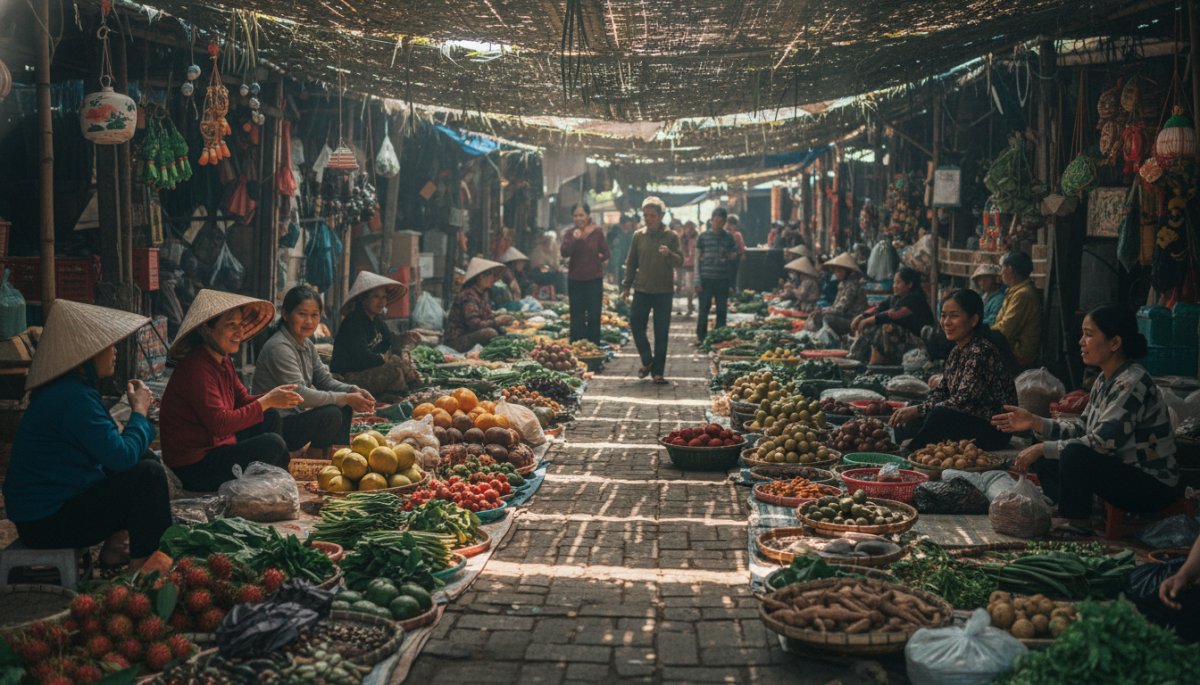
Even if your pronunciation isn't perfect, knowing the numbers makes shopping at the market fun.
The right mindset for a successful Vietnam trip
大切なのは、英語だけに頼らず確認手段を複数用意することです。
With this mindset, when English does work it comes as a pleasant surprise, and when it doesn't, there's no need to panic. Traveling in Vietnam, the harder you try to see everything efficiently, the more of its charm you tend to miss. It's precisely because things don't go to plan and don't turn out as you expect that the most memorable moments happen.
Getting lost, having your schedule slip, striking up a chance conversation with someone. These small moments add up and deepen your understanding of Vietnam.
The language barrier is real, but the very act of trying to overcome it is the true joy of travel. More than perfect communication, meeting people with sincerity and a smile is what leads to wonderful experiences in Vietnam.
英語が通じない場面の確認手順
- 住所はベトナム語表記、地図ピン、入口写真の3点を用意する
- 金額、通貨、個数、日付、時間は画面に文字で入力して確認する
- 翻訳データを事前保存し、路上でロック解除した端末を相手に渡さない
- 食物アレルギーや持病は、ベトナム語の説明カードを準備する
- 警察・入管・医療・契約では、適切な通訳や保険会社、在外公館へ連絡する
- 「分かったつもり」を避け、最後に合意内容をもう一度示す
旅行会話で大切なのは流暢さより、重要事項を間違えずに共有することです。緊急連絡先、宿泊先住所、保険証券番号をオフラインでも見られる形で保存しておくと、通信障害時にも動きやすくなります。
Conclusion: preparation and flexibility are key
The English situation in Vietnam varies greatly by place and circumstance.
In urban tourist spots and hotels, English tends to work, while in the countryside and local settings it often doesn't. What matters is to prepare on the assumption that it won't. A translation app, a point-and-speak phrasebook, a few basic Vietnamese phrases, and above all a flexible attitude. With these, you can get past the language barrier and savor everything Vietnam has to offer.
Rather than aiming for perfect communication, enjoy the imperfection. That's the secret to a successful trip to Vietnam.