Starbucks enjoys worldwide popularity, yet in Vietnam, a coffee powerhouse, it has surprisingly struggled. When Starbucks entered the Vietnamese market in February 2013, many predicted it would pose a major threat to local coffee chains.
Still, 13 years after entering the market, as of January 2026 the number of stores in Vietnam has grown to around 150. Even so, the pace of expansion is modest compared with other Southeast Asian countries.
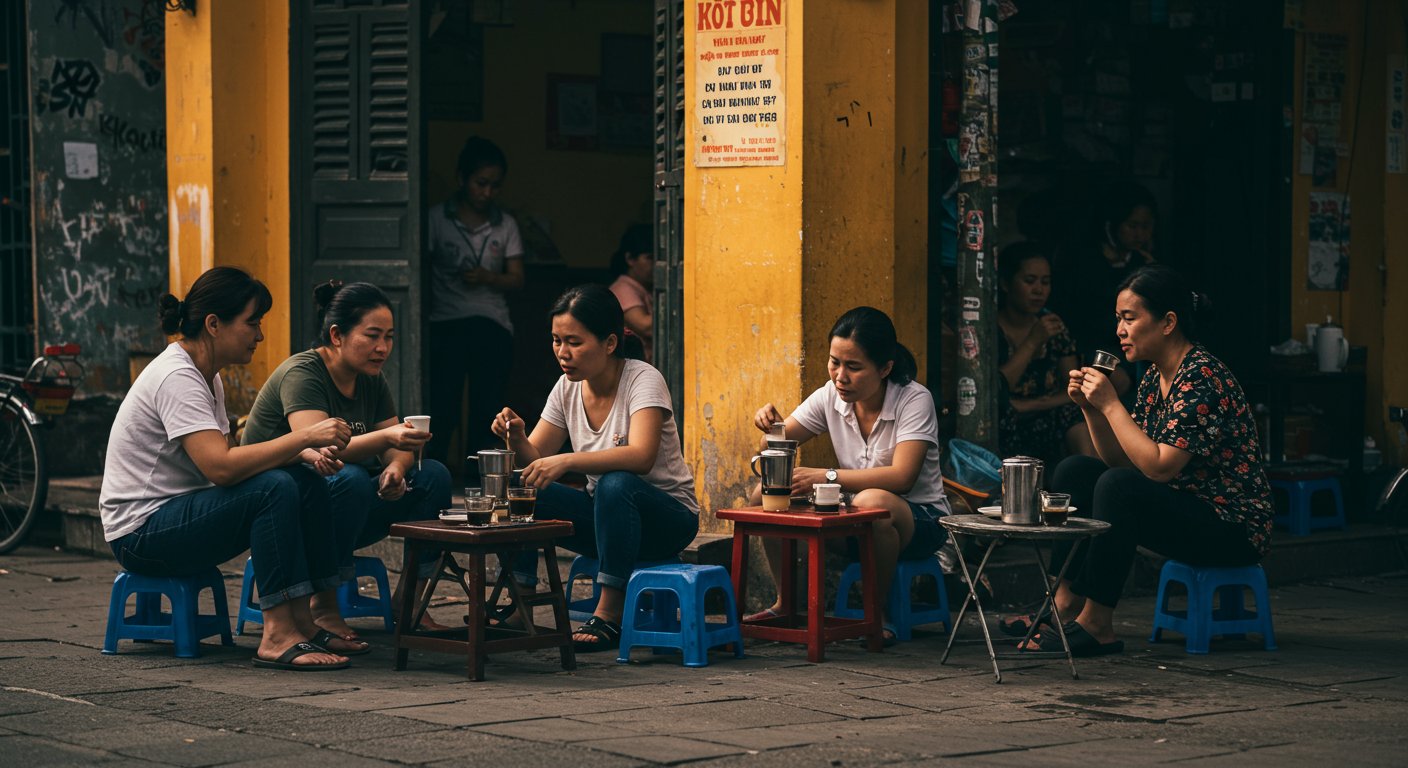
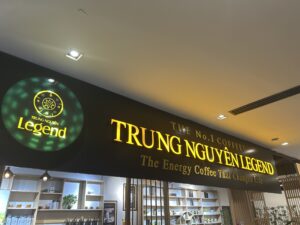
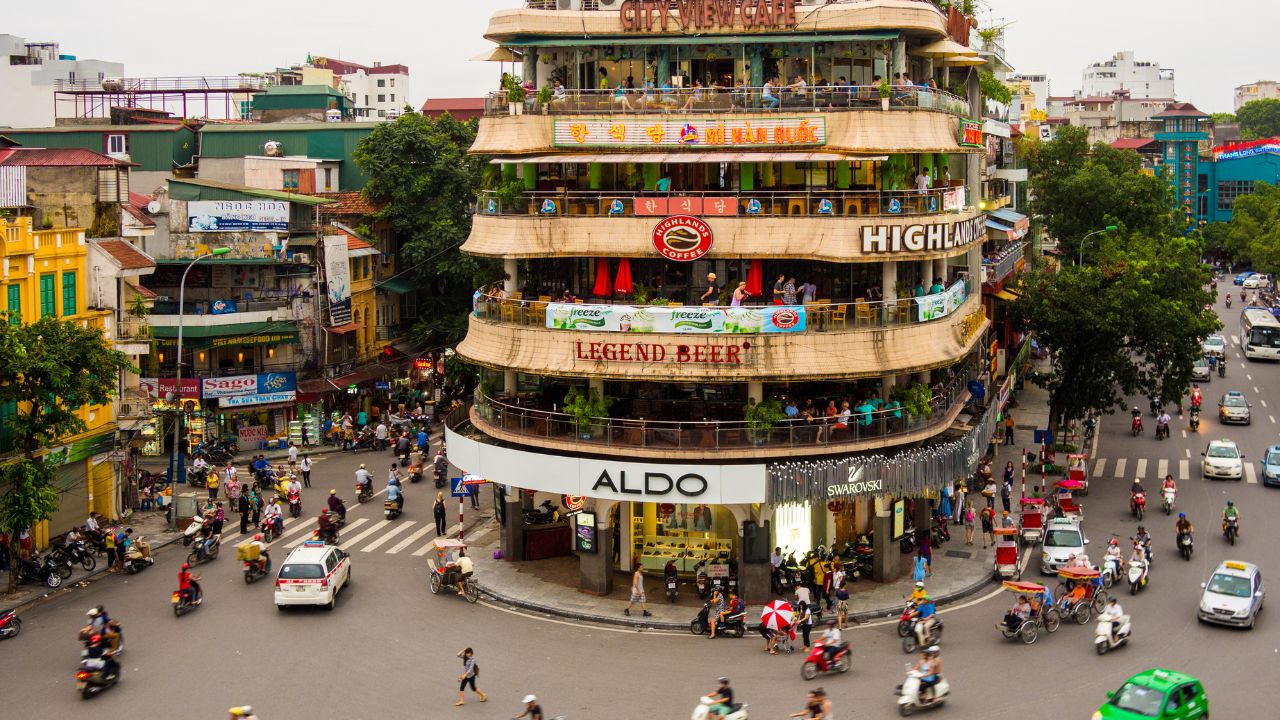
Domestic Vietnamese coffee chains, meanwhile, boast overwhelming numbers of stores. Highlands Coffee has around 985 locations (as of late 2025), and Trung Nguyen Coffee (E-Coffee + Legend, including overseas) operates 900-1,000+ locations. What's more, newer chains that emerged after Starbucks entered the market, such as The Coffee House and Phuc Long Coffee, already have more stores than Starbucks.
Why has Starbucks, a globally popular brand, been unable to grow its store count in Vietnam as expected?
Vietnam’s own coffee culture and tastes
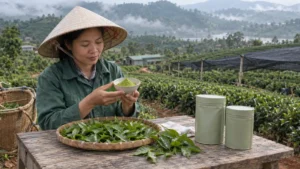
Vietnam is known as the world’s second-largest coffee exporter. The coffee culture nurtured through a history reaching back to French colonial times is deeply rooted in everyday Vietnamese life.
The defining feature of Vietnamese coffee is its richness and distinctive flavor. Robusta makes up 97 percent of the coffee beans grown in Vietnam. Robusta has a clean, sharp finish, a high caffeine content, low acidity and strong bitterness.
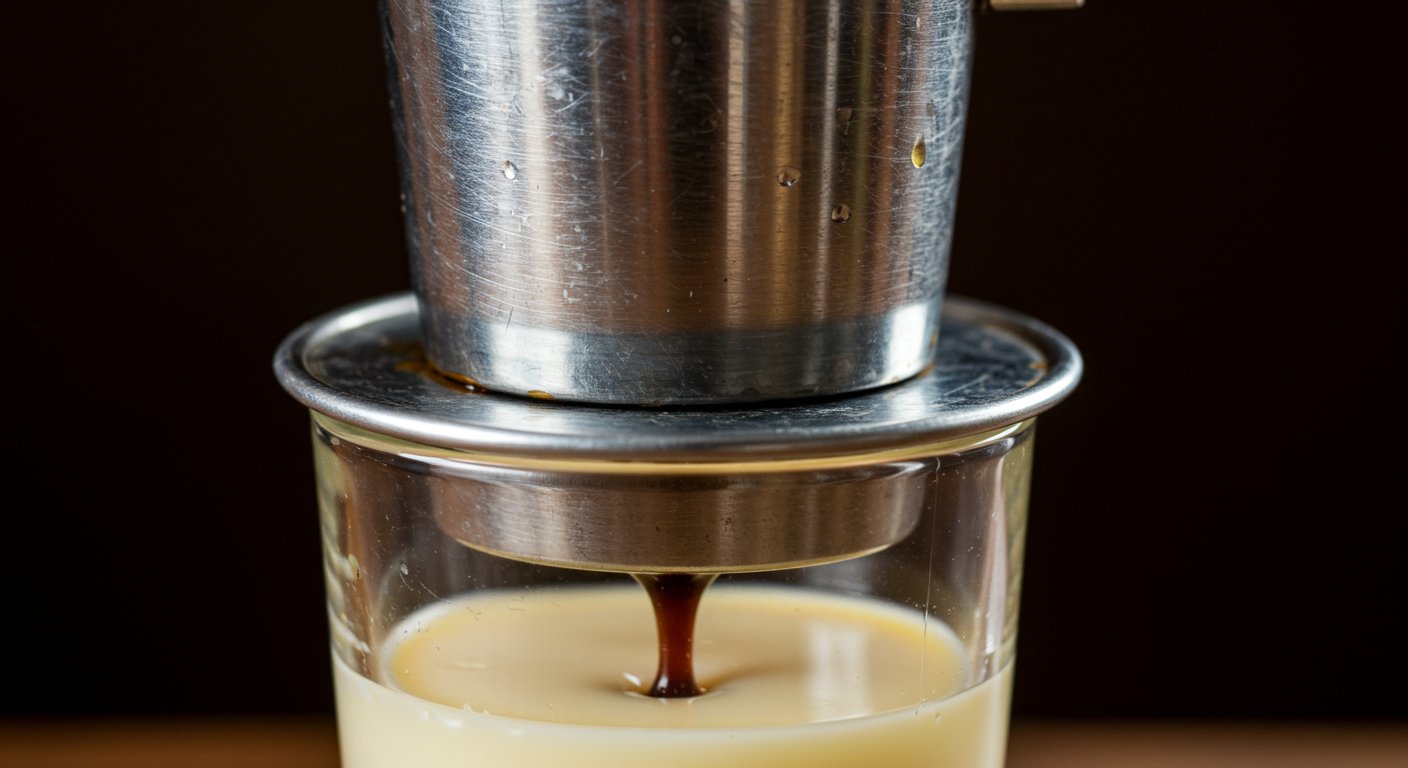
The Vietnamese love this deep Robusta bitterness, and the common style is ca phe sua, coffee brewed with the country’s own phin filter and served with condensed milk. The contrast of rich bitterness and sweetness suits the Vietnamese palate.
Starbucks, on the other hand, serves Arabica coffee, which has a fruity aroma and less bitterness. The CEO of Starbucks Vietnam has stated a policy of “delivering the same flavor in every country in the world,” declining to localize for Vietnam’s food culture or the tastes of its people.
For Vietnamese accustomed to the deep bitterness of Robusta, Starbucks coffee made from Arabica often feels underwhelming. You’ll often hear comments like “there’s nothing on the Starbucks menu I want to drink” or “Starbucks coffee isn’t the coffee I have in mind.”
The problem of price competitiveness
Price is another factor behind Starbucks’ struggles in the Vietnamese coffee market. In Vietnam, cafés overflow on every street, and anyone can casually enjoy low-priced coffee.
Local coffee shops serve a cup for around one dollar (about 150 yen). A Starbucks coffee, even the cheapest Americano (grande size), costs 84,000 dong (about 512 yen) — undeniably steep compared with local price levels.
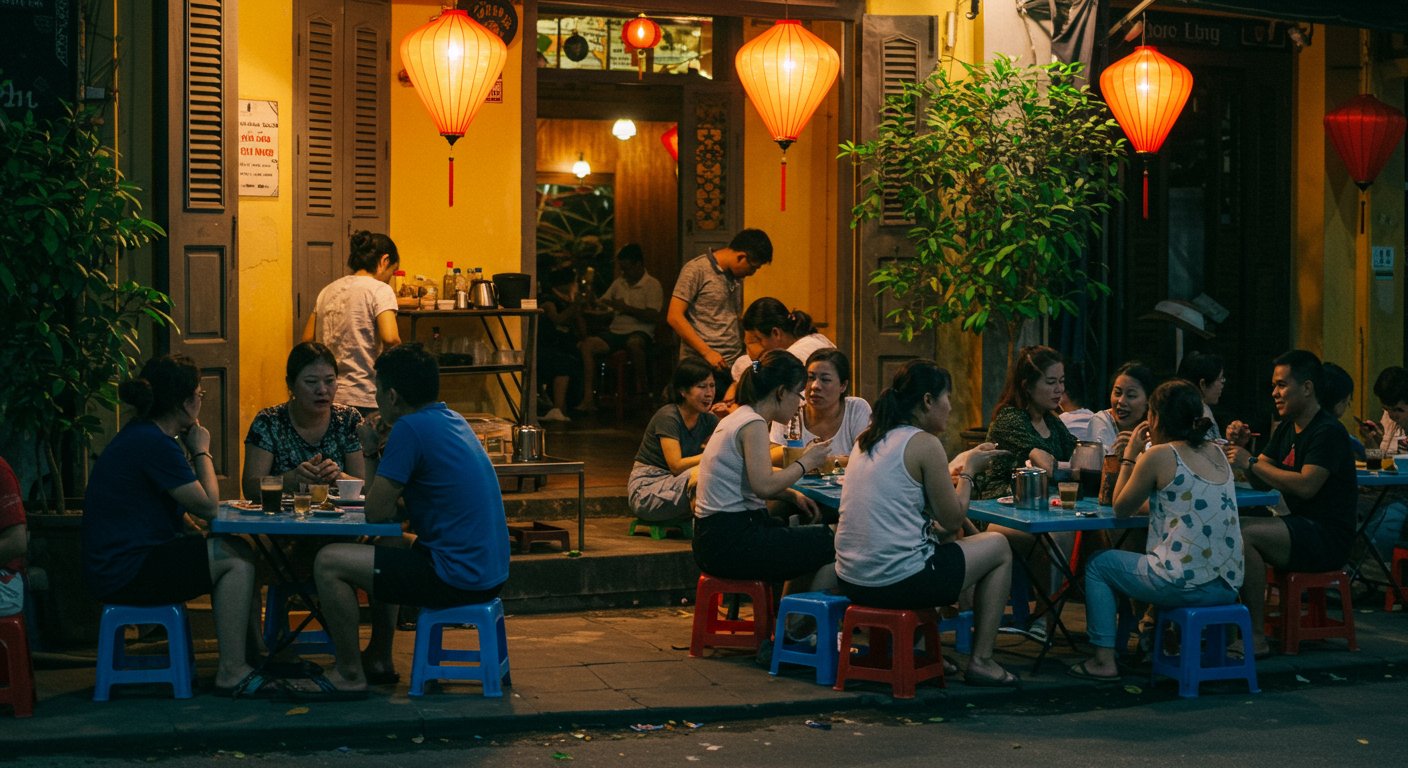
Vietnam’s local coffee companies enjoy the major advantage of handling everything from growing the beans to selling them. This makes quality control easier and cuts out middle costs, allowing them to keep prices low.
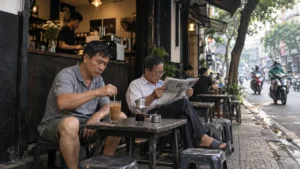
What’s more, the Vietnamese have a culture of enjoying the very act of “drinking coffee.” They treasure time spent slowly savoring a cup while chatting with friends at a small corner café. This cultural backdrop is also seen as one reason global chains like Starbucks struggle to take hold.
For the Vietnamese, coffee is not merely a drink but part of daily life — a culture in itself.
The state of Vietnam’s coffee chains
Vietnam’s overall café market is estimated to have reached roughly 590 trillion dong as of 2023. With annual growth of around 10 to 12 percent, it is a promising market expected to keep expanding.
Leading this market is Highlands Coffee. It holds the top spot in both store count and revenue, with 1,124 outlets as of the end of July 2019. The Coffee House and Starbucks were initially seen as the main contenders for second place, but Phuc Long Coffee & Tea grew rapidly and is believed to have risen to second in revenue.
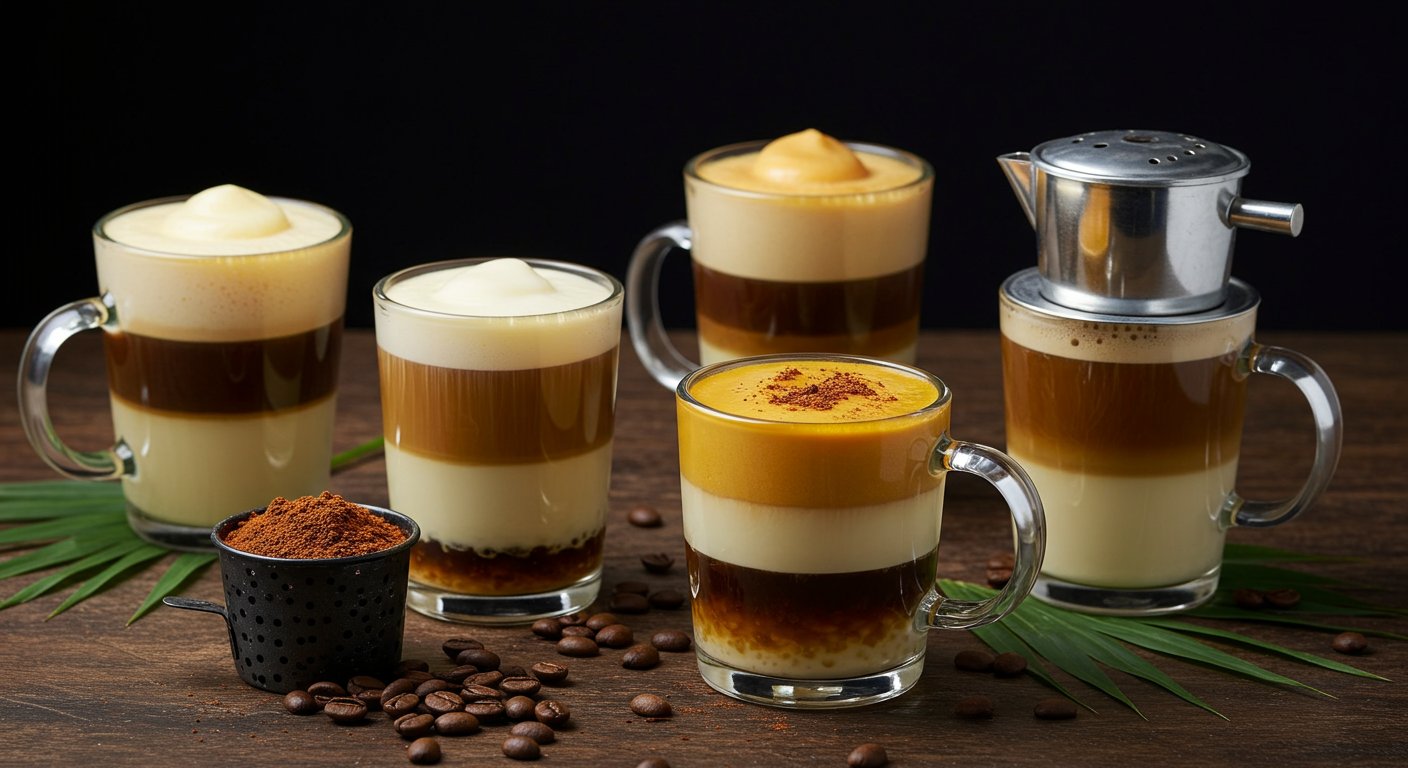
The strength of Vietnam’s coffee chains lies in menu development tailored to local tastes. They offer Vietnam’s own coffee variations, such as egg coffee — topped with cream whipped from egg white and condensed milk — and coconut coffee made with coconut milk.
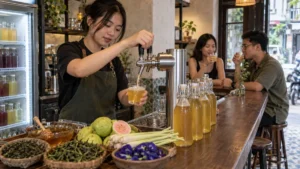
The Vietnamese also tend to favor small, independent hideaway cafés. The distinctive coffee shops and tea rooms scattered throughout the city each have their own charm and have built loyal followings.
As this shows, Vietnam’s coffee market is fiercely competitive, hardly an environment a global chain like Starbucks can enter easily. In fact, the Australian coffee chain Gloria Jean’s withdrew completely from Vietnam in 2017.
Starbucks’ Vietnam strategy and the outlook ahead
Starbucks Vietnam does not appear to be aiming to “expand its store network as fast as possible.” Instead, it is pursuing a cautious rollout focused mainly on urban areas.
In major cities like Ho Chi Minh City and Hanoi, Starbucks customers, especially younger people, do seem to be gradually increasing. Central Ho Chi Minh City in particular has Starbucks everywhere, with larger tables and a more spacious feel than in Japan.
Vietnam’s Starbucks also leans toward iced drinks to suit the hot local climate. It offers a rich range of flavors, including a strawberry refresher made with coconut milk and cold drinks using Teavana tea leaves.
The food menu is fuller than in other countries too, featuring a wide lineup of pasta, bread and desserts. Many mugs and tumblers designed around Vietnamese cities are also sold, drawing popularity as souvenirs for tourists.
Starbucks is gradually broadening its customer base in Vietnam's urban areas, where coffee's third wave is arriving. Going forward, developing menus suited to Vietnamese tastes and blending with the local coffee culture look set to be the keys to further growth.
Conclusion: different coffee cultures side by side
Starbucks struggles in Vietnam because of the country’s deep, distinctively developed coffee culture. The Vietnamese taste for the deep bitterness of Robusta, the low-priced local coffee, and a café culture woven into daily life all make it hard for a global chain to take hold.
Even so, among the younger generation in urban areas, international café chains like Starbucks are gradually gaining popularity. Vietnam’s coffee market is evolving into a richly diverse one where traditional coffee culture and a new café culture coexist.
When you visit Vietnam, a coffee powerhouse, don’t stop at Starbucks — be sure to experience real Vietnamese coffee brewed with a phin at a local café. There you’ll find a coffee culture all Vietnam’s own, one no global chain can offer.