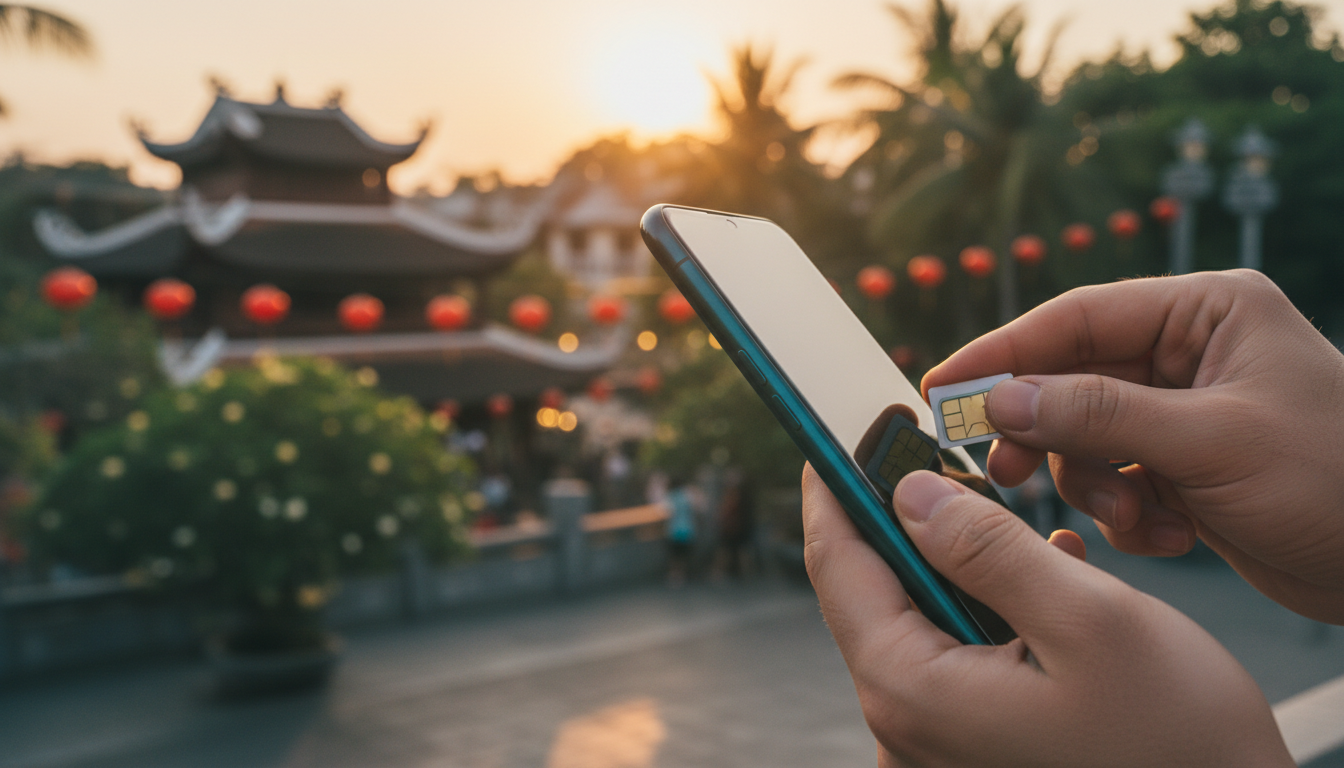
The first thing you'll want to secure after arriving in Vietnam is internet access.
Looking up directions on a map app, using a translation tool, calling a taxi with a ride-hailing app. Whether your smartphone works while traveling greatly affects the comfort of your trip. That is why many travelers choose a local SIM card.
Vietnamese SIM cards are easy to buy at the airport or in the city. The prices are reasonable and the connection speed is plenty fast. Setup is easier than you'd think, and even first-timers can be up and running in minutes. This article compiles practical information on where to buy, recommended carriers, price plans, setup steps, and troubleshooting.
If you have a trip to Vietnam coming up, please use this as a reference.
What you should know before buying a SIM card in Vietnam
There are a few points to check before buying a SIM card.
First, whether your smartphone is SIM-free. On a SIM-locked device, a local SIM card won't work even if you insert it. Many devices bought in Japan may require a SIM-unlock procedure at the time of purchase. Check in advance.
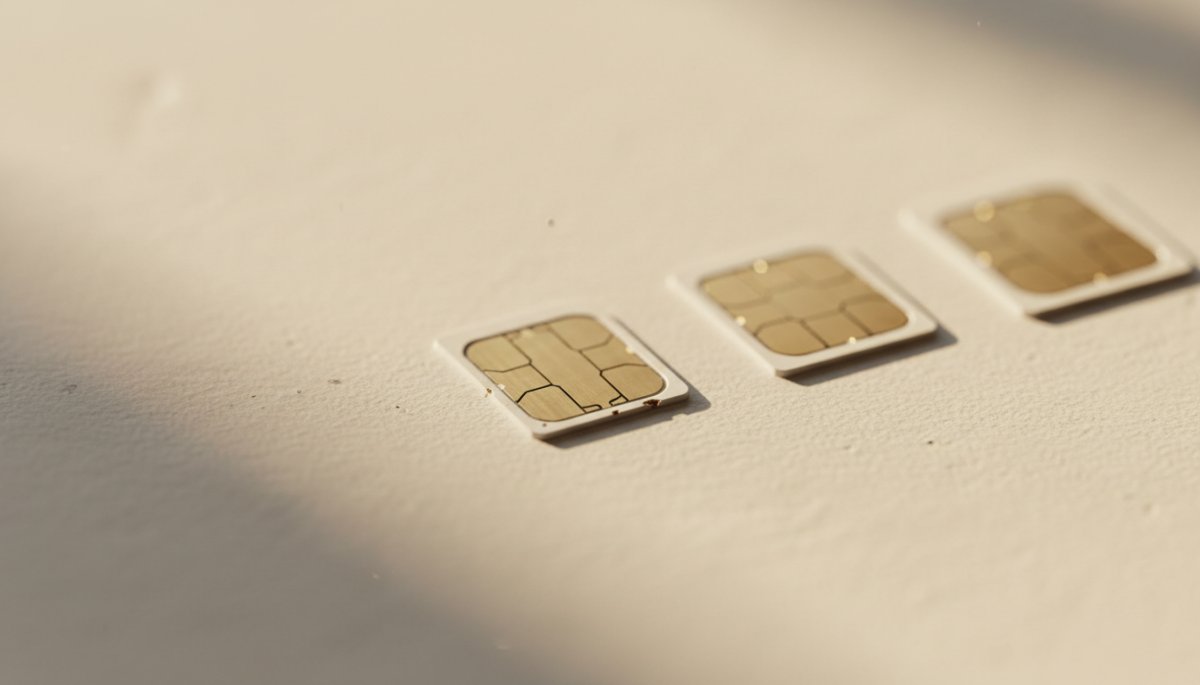
Next is the SIM card size.
In Vietnam, three types are in circulation: standard SIM, micro SIM, and nano SIM. Recent smartphones mostly use nano SIM, but it's reassuring to confirm the size your device supports just in case. At most shops, staff will adjust the size when you buy.
また、ベトナムでは2023年以降、SIMカード購入時に本人情報の登録が義務付けられています。空港や市内の店舗で購入する際は、パスポートの提示が必要です。本人確認制度は変更されるため、旧記事の施行日・30日制限・機能制限を確定事項として使いません。正規の通信事業者窓口で、旅券名義の登録、有効期限、再認証の要否を確認してください。事前購入SIMやeSIMでも登録不要とは限らず、名義不一致の回線は停止リスクがあります。
How to buy a SIM card at the airport
Buying at the airport is ideal for those who want to use the internet right after arrival.
Buying at Tan Son Nhat International Airport (Ho Chi Minh City)
At Tan Son Nhat International Airport, the gateway to Ho Chi Minh City, booths from several telecom companies line up right as you exit the arrivals lobby. Even if you arrive on a late-night flight, some shops stay open, so you can rest easy.
主要な通信会社は、Viettel、Mobifone、Vinaphoneの3社。どの会社も旅行者向けのプリペイドプランを用意しており、データ容量や有効期間を選べます。料金・容量・有効期間は頻繁に変わります。「無制限」でも高速通信の上限やテザリング制限があるため、VND総額、1日/全期間の高速容量、通話・SMS、開通期限を確認します。
When you buy, staff often insert the SIM card and handle the initial setup for you. Even if you don't share a language, hand over your smartphone and they'll set it up, so even first-timers can use it with peace of mind.
Buying at Noi Bai International Airport (Hanoi) and Da Nang International Airport
Noi Bai International Airport in Hanoi and Da Nang's international airport also have SIM card sales booths. At Da Nang Airport, SIM counters line the left side just past the arrivals lobby, and unlimited data plans cost around 1,000 to 1,500 yen.
Buying at the airport is a bit pricier than in the city, but the convenience of being usable right after arrival is a big advantage.
Sources Created from VOYAGEESIM "A thorough guide to SIM cards and eSIMs recommended for Vietnam travel"(2025)
How to buy a SIM card in the city
Even if you didn't buy at the airport, there are plenty of options in the city.
Telecom company official stores
Viettel, Mobifone, and Vinaphone each operate official stores in the city. At an official store you can get a detailed explanation of the plans, along with ample setup support. Many staff speak English, so travelers can use them with confidence.
At city official stores, prices can be lower than at the airport. If you have time to spare, it may be worth considering buying in the city.
Convenience stores and mobile phone shops
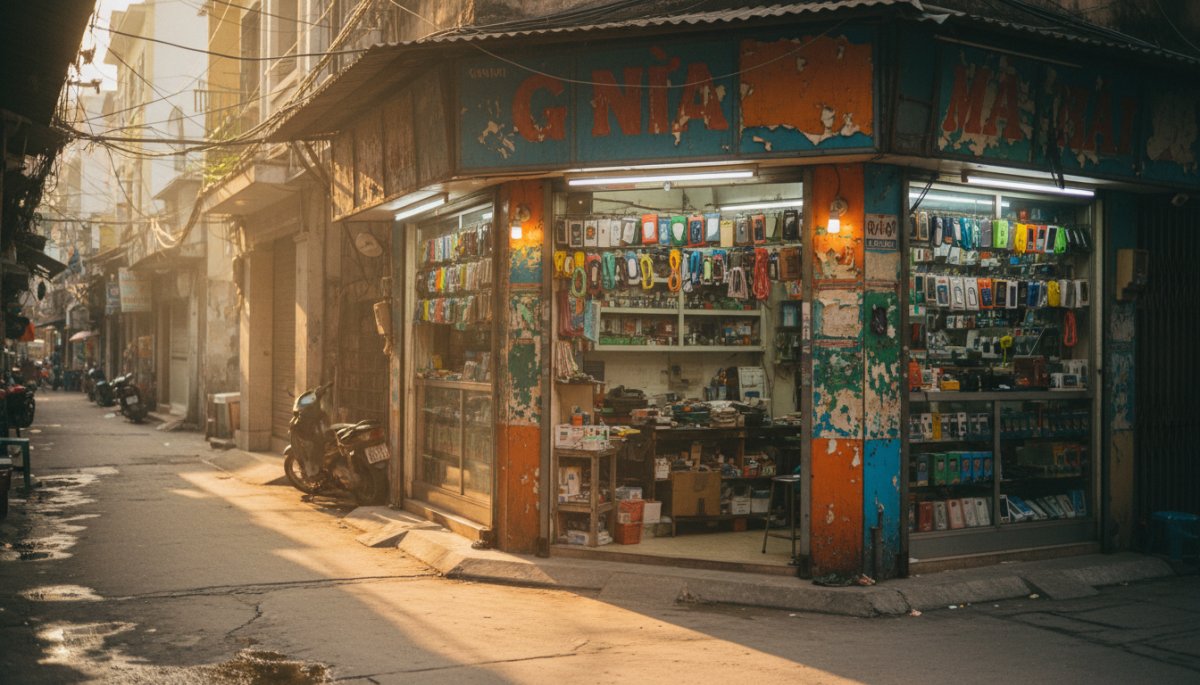
You can also buy SIM cards at convenience stores and mobile phone shops in the city. However, some shops offer no setup support, so this is for those who can set it up themselves.
When buying, you'll need to present your passport. Cash payment is common, so having Vietnamese dong ready makes it go smoothly.
Recommended carriers and price plans
Vietnam has several carriers, but the three recommended for travelers are as follows.
Viettel
The largest telecom company, with about a 50% domestic share. It offers stable, high-speed connectivity anywhere in the country and connects easily even in rural areas. It also has a rich lineup of prepaid plans for tourists, at reasonable prices. When in doubt, choose Viettel and you won't go wrong.
Mobifone
With high connection quality in urban areas, it's recommended for those traveling mainly to major cities like Ho Chi Minh City and Hanoi. Its plans are flexible, with a solid lineup for short-term visitors.
Vinaphone
Vinaphone offers connection quality balanced between urban and rural areas. Its prices are roughly on par with the others, and its plan options are plentiful.
各社の料金とエリアはプランごとに違います。円の相場ではなく、滞在地域のカバレッジ、VND総額、高速容量、テザリング可否で比べてください。通話やSNS利用の有無によって料金が変わるため、自分の利用スタイルに合わせて選びましょう。
Sources Created from VOYAGEESIM "A thorough guide to SIM cards and eSIMs recommended for Vietnam travel"(2025)
How to set up a SIM card, step by step
Once you've bought a SIM card, setup is next.
In many cases, staff will set it up at the time of purchase, but here are the steps for setting it up yourself.
Inserting the SIM card
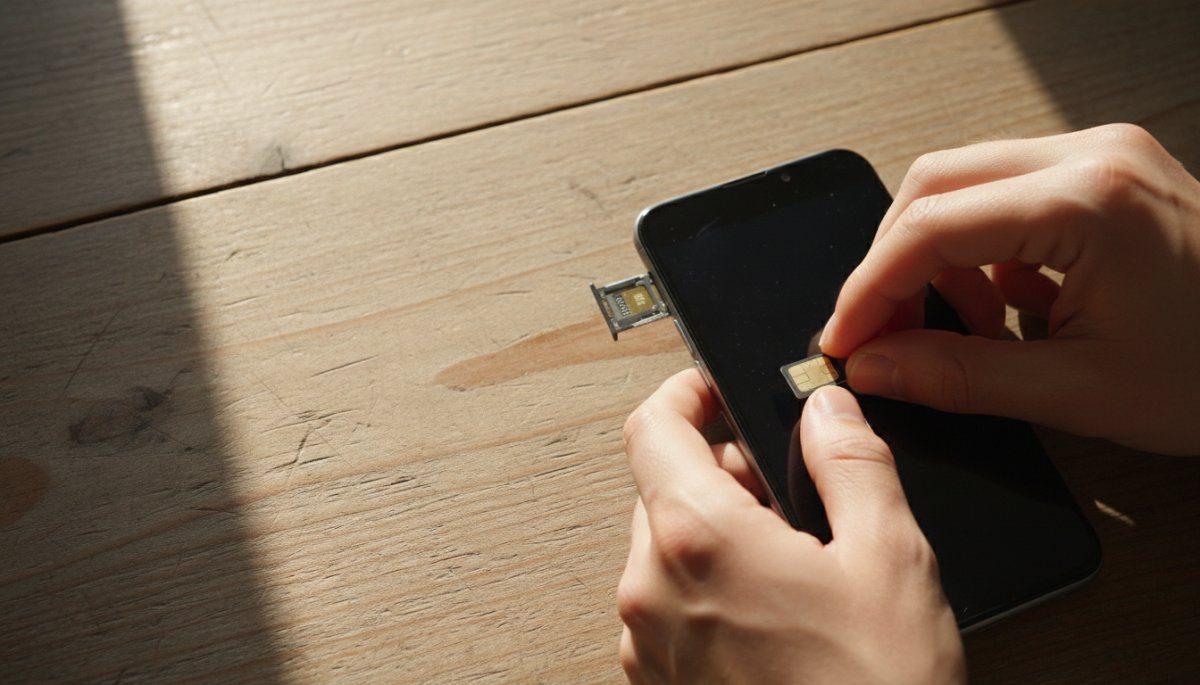
First, turn off your smartphone. Open the SIM card tray, remove the SIM card you were using in Japan, and insert the Vietnamese SIM card. Put the tray back and turn on the power.
APN settings
In many cases, simply inserting the SIM card completes the setup automatically, but you may need to configure the APN settings manually. The method is often listed in the instructions you receive at purchase.
On iPhone, you can configure it via "Settings" > "Cellular" > "Cellular Data Network"; on Android, via "Settings" > "Network & internet" > "Mobile network" > "Access Point Names."
Checking that it works
Once setup is complete, open a browser and check whether you can connect to the internet. Open a map app and social media too, and check that they work properly.
Troubleshooting and things to note
While using a SIM card, trouble can occasionally arise.
If you can't connect to the internet
First, check that your smartphone's airplane mode is off. Next, check that mobile data is on. If you still can't connect, try restarting once.
Also check that the APN settings are entered correctly. Look over the instructions you got at purchase and review the settings once more.
If the connection is slow
In Vietnam, 4G is widespread in urban areas, but in rural areas it can drop to 3G. If the connection is slow, try moving to a different location, or wait a while and try again.
If you've used up your data
With a prepaid SIM card, once you use up your data, the speed is throttled or you can no longer connect. If you want to top up more data, ask at the shop where you bought it or at a carrier's official store.
また、日本に帰国する際は、元のSIMカードに戻すのを忘れないようにしましょう。プリペイド回線は無利用期間や登録条件で失効します。次回利用を前提にせず、帰国後は自動更新を止め、不要な回線に個人情報が残らないよう事業者の案内を確認します。
Consider eSIM as an option too
These days, eSIMs, which don't use a physical SIM card, are also becoming common.
An eSIM is a built-in SIM embedded in the smartphone itself; sign up for a line online and you can use it right away. There's no need to swap SIM cards, and no worry about loss or damage.
However, the smartphones that support eSIM are limited. On iPhone, models from the iPhone XS, iPhone XS Max, and iPhone XR onward can use it, but older models cannot. Also, if you use an eSIM in Japan, you may need a (paid) reissue procedure when you return, so take note.
An eSIM is a convenient option for those accustomed to setup, or those traveling to multiple countries.
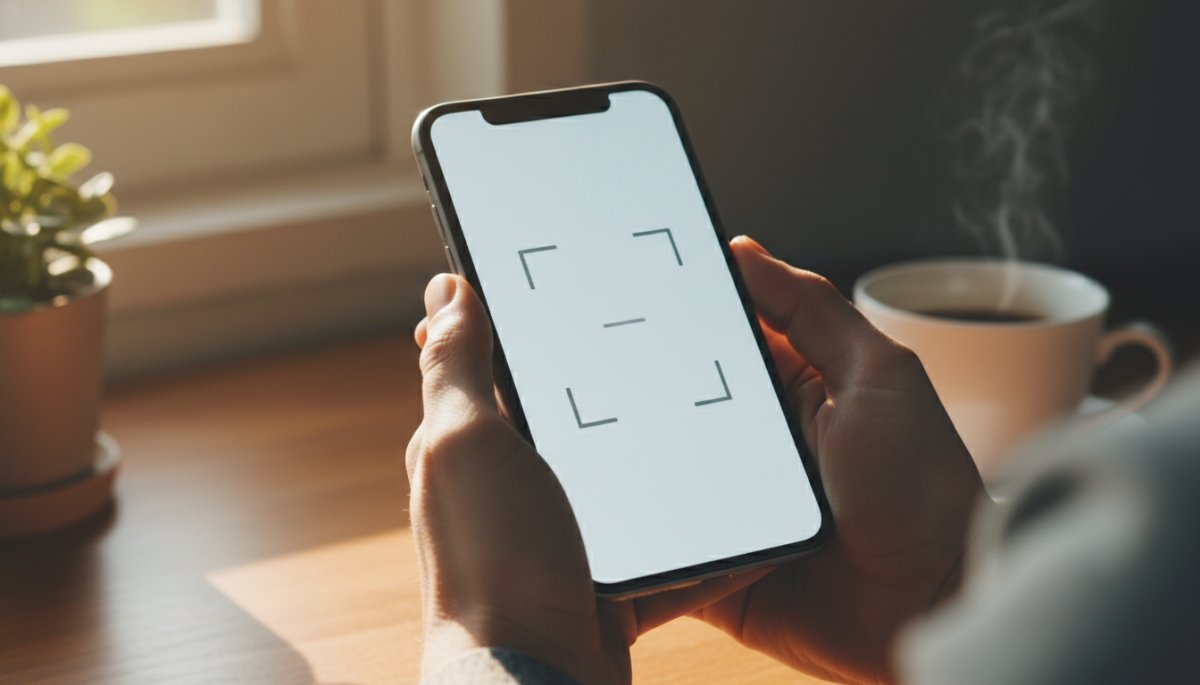
購入カウンターで確認する画面
- 端末のSIMロックと対応周波数、eSIM対応
- 通信事業者名、電話番号、本人名義の登録
- 高速データ量、有効期限、テザリング・通話条件
- 開通後にモバイル通信と着信をその場で試す
- QRコードや旅券画像を第三者に不必要に残さない
Summary: buying a SIM card in Vietnam is easy and convenient
Buying a SIM card in Vietnam is easier than you'd think.
At the airport or in the city, there are several options, and the prices are reasonable. Setup, in many cases, is supported by staff, so even first-timers can use it with confidence. Choose any of Viettel, Mobifone, or Vinaphone, and you'll be able to use the internet comfortably anywhere in the country.
Prepare a SIM-free smartphone in advance and bring your passport, and everything from purchase to setup finishes in minutes. To make your Vietnam trip more comfortable, be sure to make use of a local SIM card.
Once your internet environment is set while traveling, you can look up directions on a map app, call a taxi with a ride-hailing app, share your travels on social media. The freedom of your trip expands all at once.
Get a comfortable connection in Vietnam and enjoy a rewarding trip!
If you'd rather arrange an eSIM or pocket WiFi router before leaving Japan, seeVietnam travel bookings summaryfor where to order one.