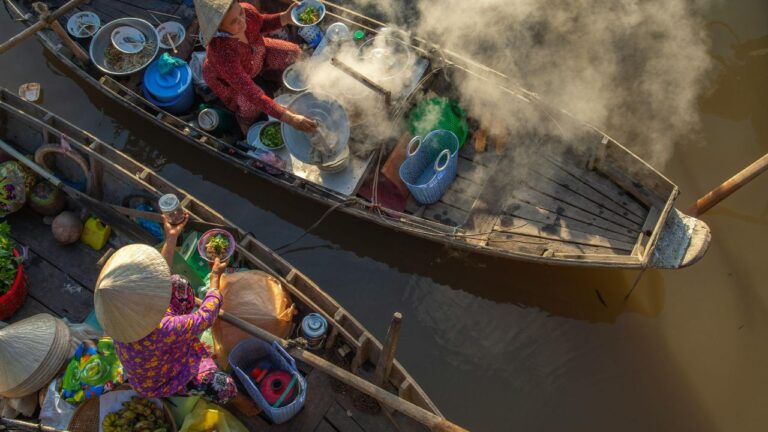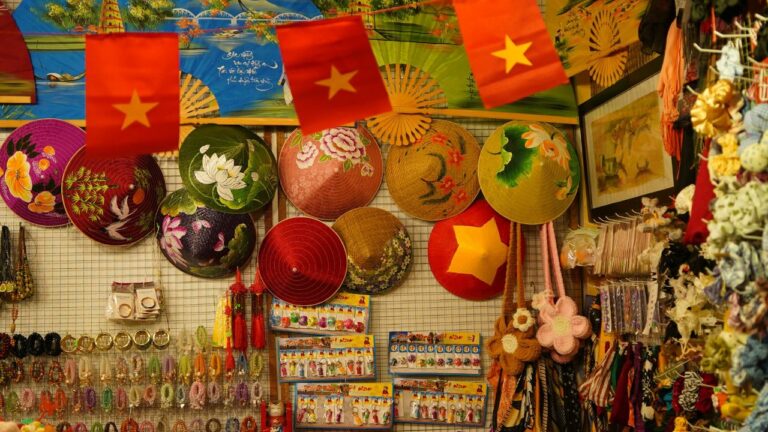
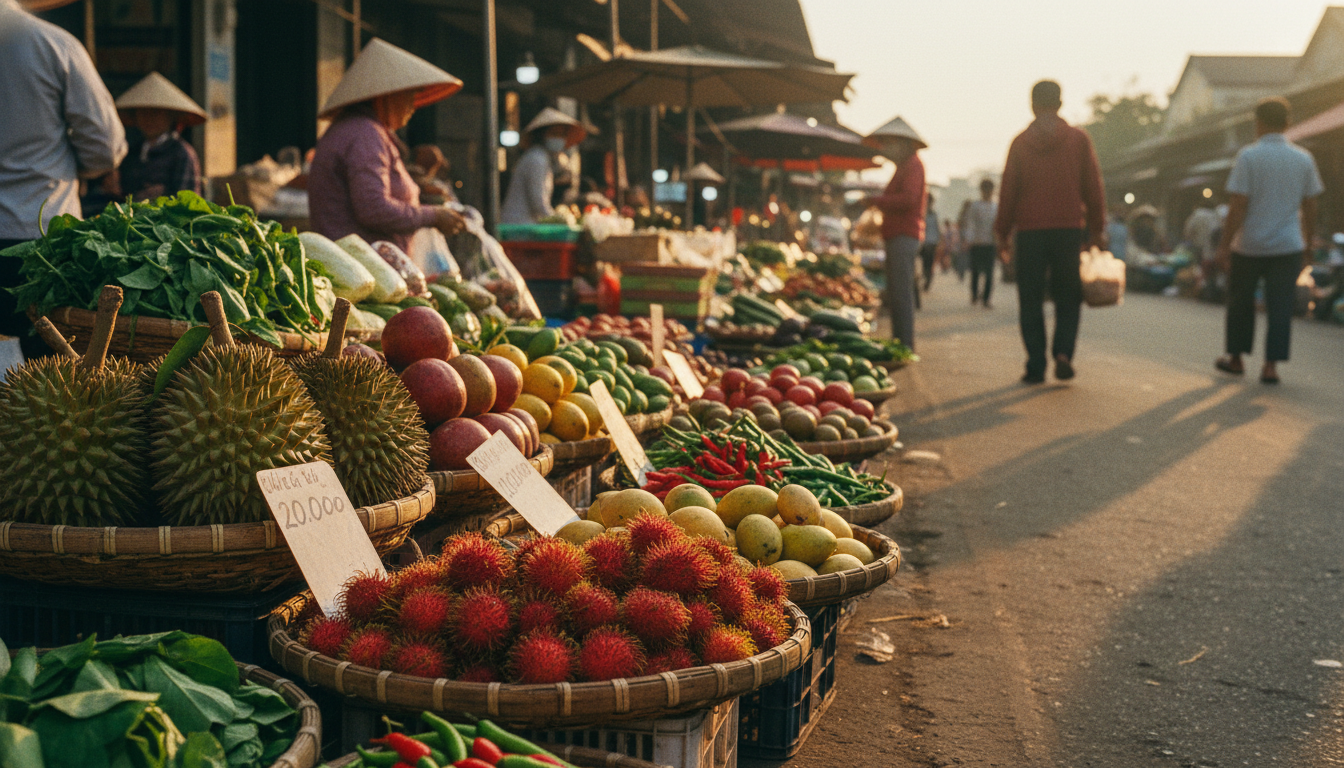
Amid continuing price rises, a popular destination as an easy overseas travel spot isVietnam.
But some of you may have questions like "is it really cheap?" and "how much does it differ from Japan?"
この記事では、旧稿の価格例を手掛かりに、旅行時点の総額を調べる方法と、削ってよい費用・削らない方がよい費用を整理します。取材記録のない「在住者の実感」は根拠にせず、表示価格と予約条件で判断します。
The reality of Vietnam's prices as felt by a resident
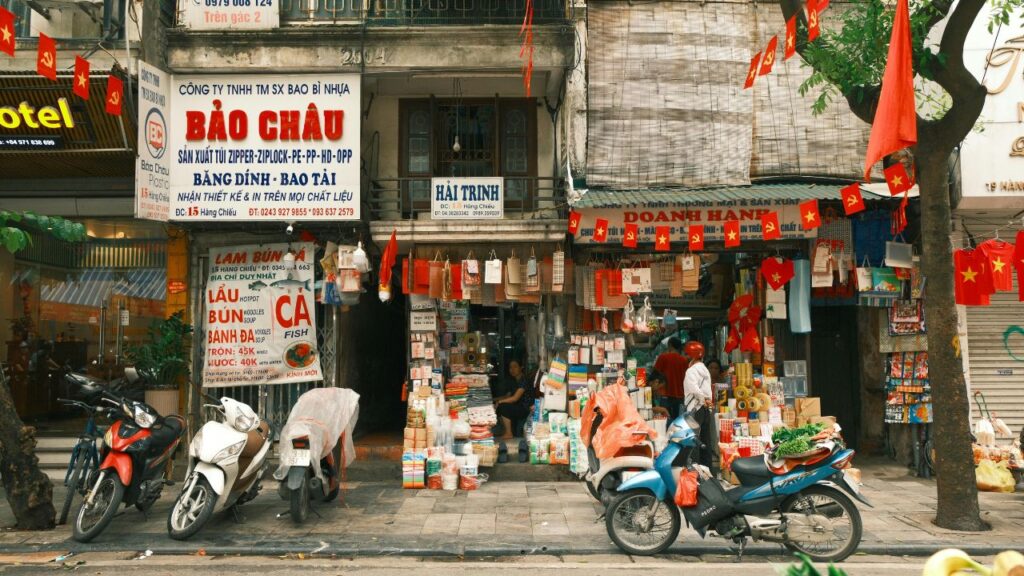
「ベトナムの物価は日本の3分の1」と一括りにはできません。ローカル飲食、輸入品、都市中心部、リゾート、連休では価格の動きが違い、円換算額も為替で変わります。
However, not everything is cheap; some things are cheap, while others feel the same as Japan or even more expensive.
And if you seek high quality in the hygiene and service of hotels and restaurants, you can't expect it to be cheap.
About Vietnam's economic growth
物価は経済成長率だけでは説明できません。為替、燃料・食材、人件費、家賃、観光需要、税やサービス料などが旅行者の支払額に影響します。固定の成長率や市場成長率を旅行予算の根拠にせず、利用日の価格を確認します。
Source: On promising industries seen from Vietnam's current state and future trends
Vibrant Vietnam, with many young people in the prime of their working lives within its population.
都市部では再開発や新しい商業施設が見られますが、旧稿の筆者がいつ・どこで観察したか確認できません。旅行費用はこうした印象ではなく、予約画面、店頭メニュー、公式運賃で見積もります。
Examples of Vietnam's prices
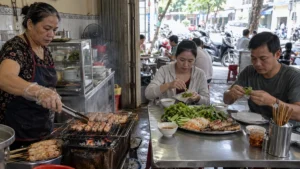
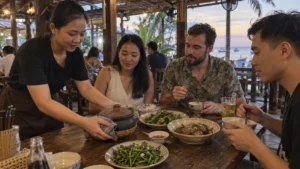
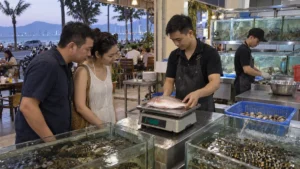
Water and local dishes tend to be cheap, but at tourist-oriented restaurants in urban areas the impression is that the going rate doesn't differ much from Japan.
You may come on a trip thinking you can eat your fill for a few hundred yen, only to find yourself thinking "it's more expensive than I imagined" because you prioritize quality and service.
Knowing the ballpark amounts in advance makes it easier to build a budget.
- Mineral water: 7,000–10,000 VND (about 42–60 yen)
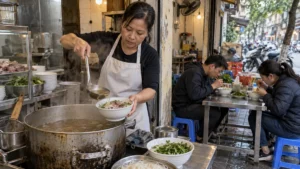
- Phở: 40,000–70,000 VND (about 240–420 yen)
- A local massage: 200,000–400,000 VND (about 1,200–2,400 yen)
- Canned beer: 10,000–20,000 VND (about 60–120 yen)
- Coffee drunk at a café: 40,000–70,000 VND (about 240–420 yen)
- Lunch at a mid- to high-end restaurant: 200,000–500,000 VND per person (about 1,200–3,000 yen)
Hotel costs
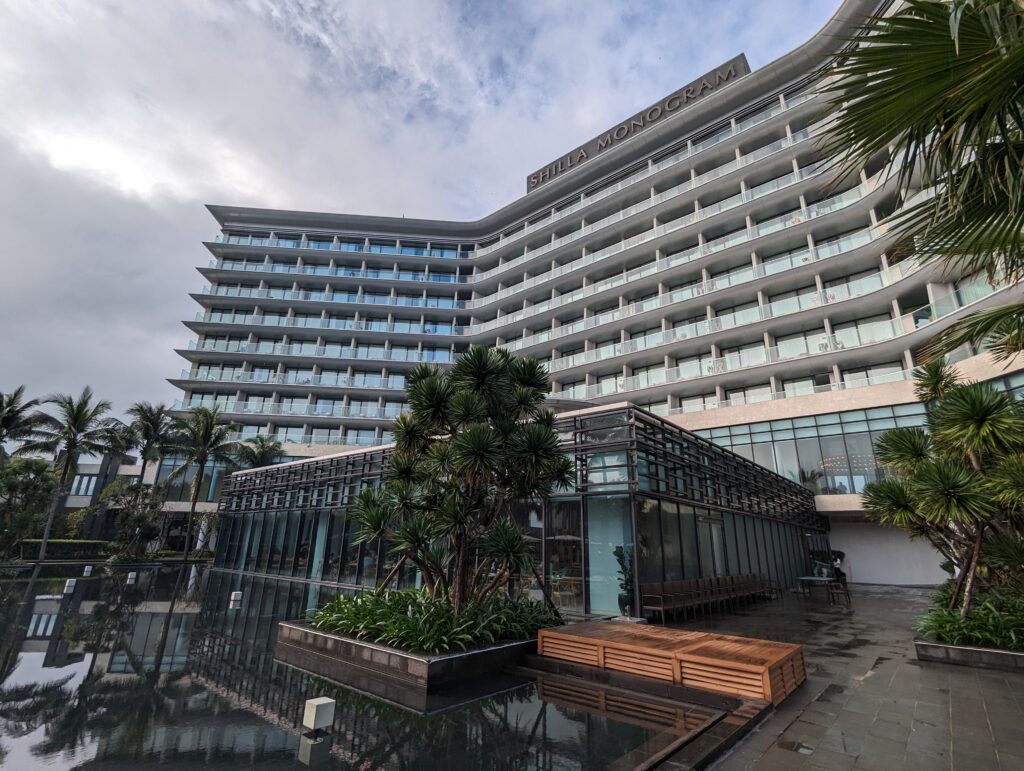
Unlike Japan, it's a system where you're charged per room. The allowed number of people per room is set, but compared with Japan, the hotel cost per person can come out cheaper.
Because it's a bargain compared with Japan, you can stay at a guesthouse to save on travel costs, or splurge on a luxury hotel and receive first-class service as a travel memory.
| Area | Grade | Price (1 night, 1 room, 2 people) |
|---|---|---|
| Da Nang | Guesthouse / hostel | Around 2,000–6,000 yen |
| 3- to 4-star hotel | Around 10,000–30,000 yen | |
| 5-star luxury hotel | Around 20,000–100,000 yen | |
| Hanoi | Guesthouse / hostel | Around 1,000–5,000 yen |
| 3- to 4-star hotel | Around 10,000–20,000 yen | |
| 5-star luxury hotel | Around 20,000–50,000 yen | |
| Ho Chi Minh City | Guesthouse / hostel | Around 1,000–5,000 yen |
| 3- to 4-star hotel | Around 15,000–20,000 yen | |
| 5-star luxury hotel | Around 20,000–40,000 yen |
Meal costs
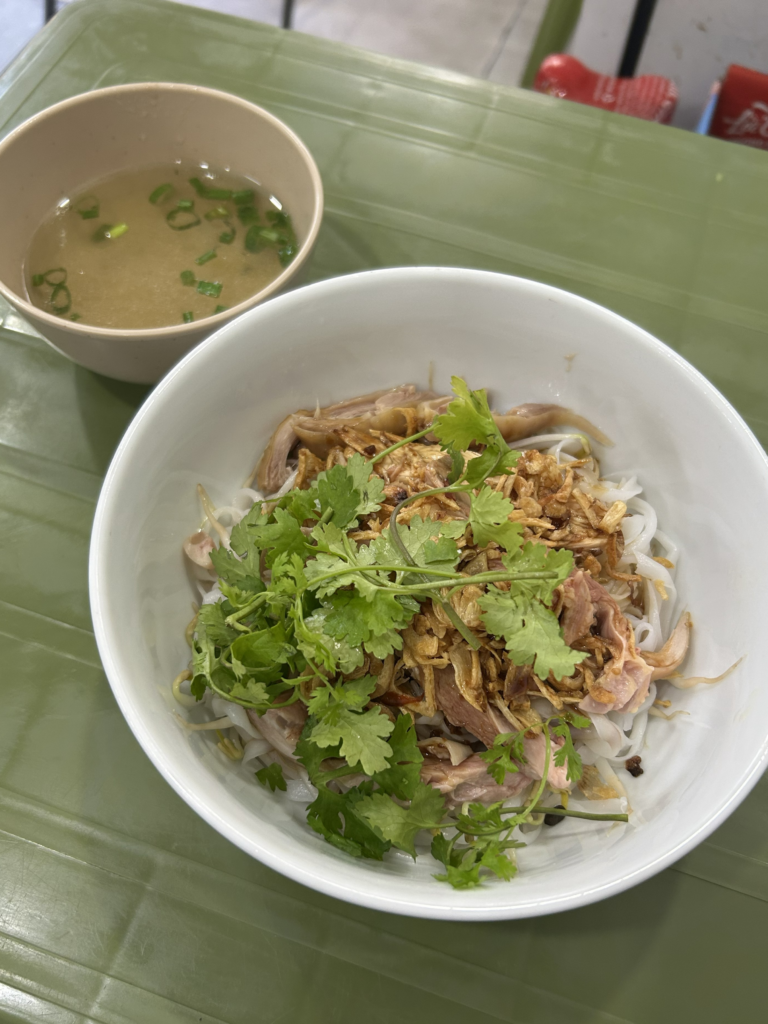
以下の金額は旧稿作成時の例で、現在価格の保証ではありません。都市、店、具材、税・サービス料で変わるため、旅行前と注文前にVND総額を確認してください。
The going rate for pho
The going rate for pho differs depending on whether you eat it outdoors or at an air-conditioned restaurant that's easy for tourists to enter.
旧稿では屋台のフォーを40,000~60,000VNDとしていました。現在は店と具材で上下するため、固定相場ではなく注文前のVND表示を優先します。
旧稿では観光地周辺の店を50,000~70,000VNDとしていましたが、空調の有無だけで価格は決まりません。メニューの価格、具材、税・サービス料を確認してください。
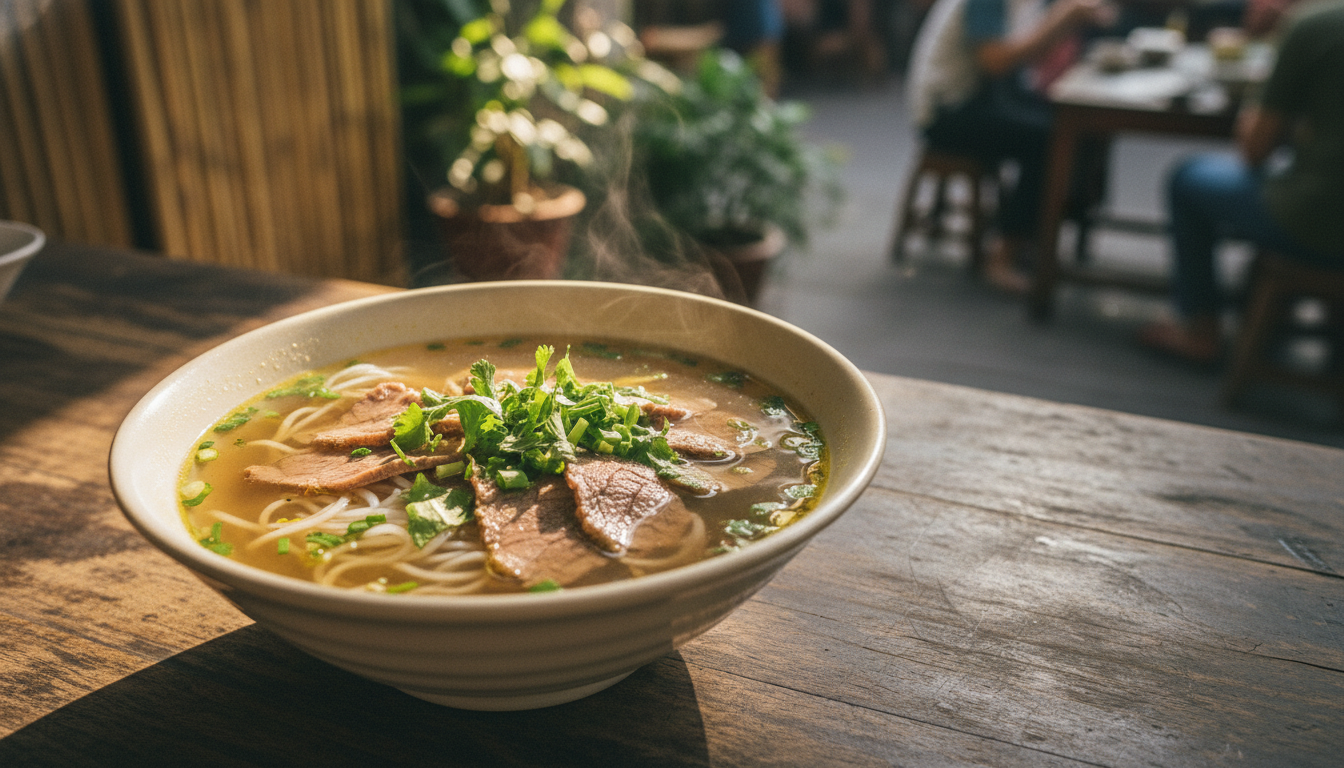
Meal costs at a restaurant
旧稿では中価格帯ランチを150,000~250,000VNDとしていました。飲み物、税、サービス料が別なら会計は増えるため、注文前に総額を見積もります。
主要都市には日本料理店もありますが、円建ての固定相場は為替と店の価格帯で変わります。VNDのメニューと追加料金を確認してください。
Food and drink costs at a café
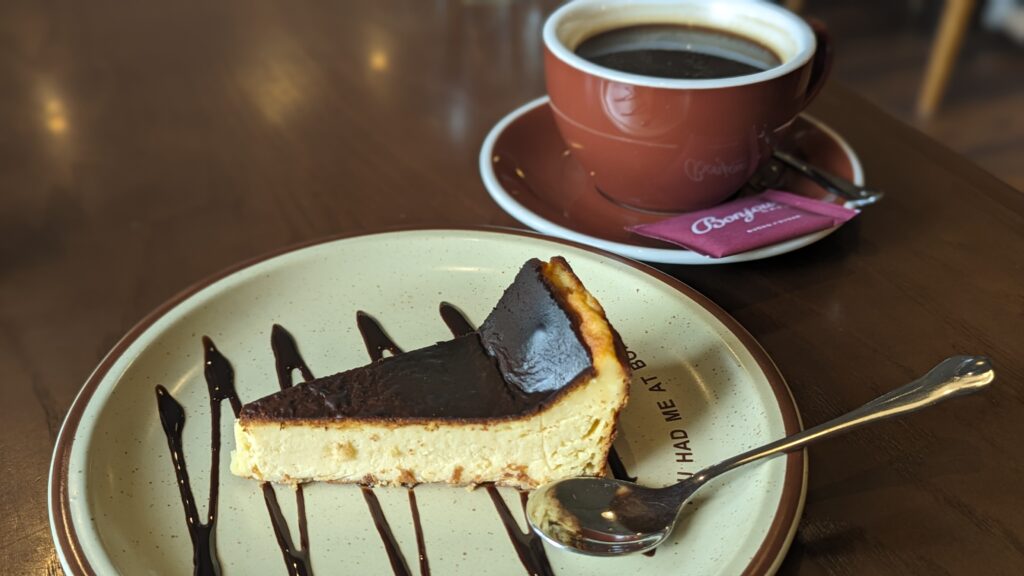
カフェは路上店、個人店、ホテル、国際チェーンで価格差があります。「日本と同じ」という印象ではなく、VND表示と量、席料や追加注文の条件で比べます。
- Vietnamese coffee: 40,000–60,000 VND (about 240–300 yen)
- Italian-style coffee like lattes and cappuccinos: 50,000–70,000 dong (about 300–420 yen)
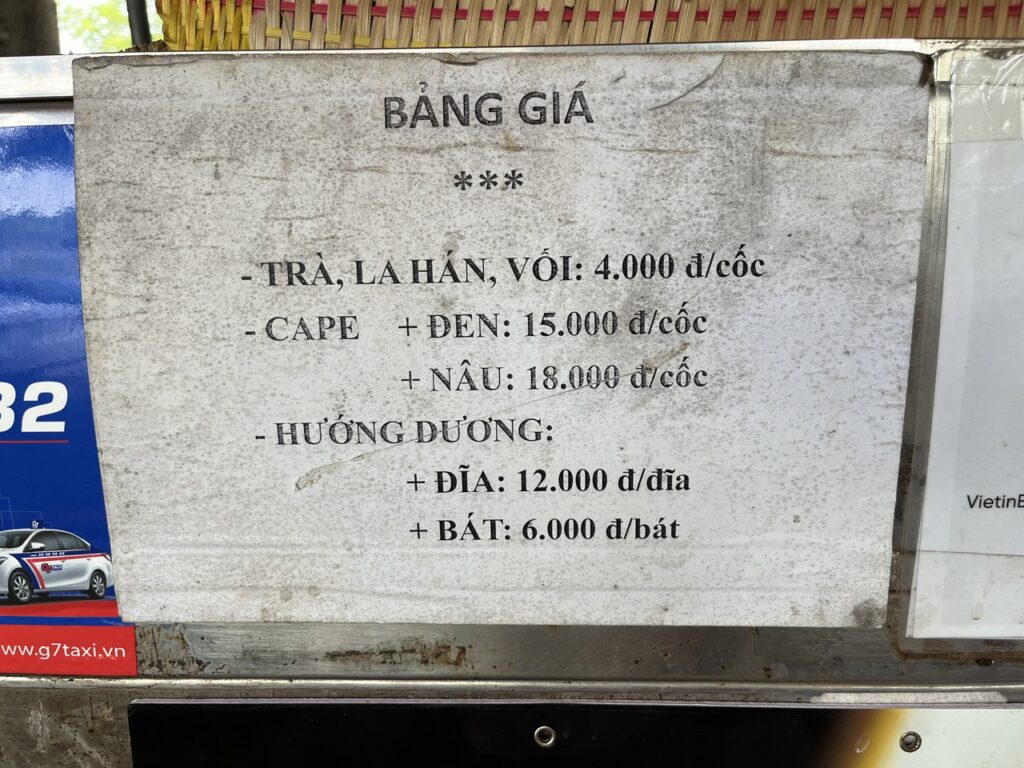
路上のquán trà đáは低価格な場合がありますが、旧稿の12,000~18,000VND、4,000~5,000VNDは現在の保証ではありません。価格を先に聞き、氷や水の衛生、交通との距離にも注意します。

It's a high hurdle for travelers, but it's a place of respite for Vietnamese people.
Examples of food costs during a Vietnam trip
Food costs during a Vietnam trip vary greatly by plan. Eating at local stalls keeps it cheap, while tourist-oriented mid- to high-end restaurants add up.
At local stalls you may feel uneasy about hygiene. Disinfect yourself, or if you're worried about your health, avoid them.
A meal plan for the frugal
1日3,000円以下と固定すると、為替、食事回数、衛生面、アレルギー対応で不足することがあります。1日分は円ではなく、朝・昼・夜・飲料をVNDで積み上げてください。
- Morning: pho at a stall, 50,000 VND (about 300 yen)
- Lunch: a local stall, 60,000 VND (about 360 yen)
- Break: a roadside tea shop, 5,000 VND (about 30 yen)
- Dinner: a local-style restaurant, 200,000–300,000 VND per person (about 1,200–1,800 yen)
清潔さは価格だけでは判断できません。加熱状態、食材の保管、客の回転、直近の口コミを見て、無理に食費を削らないことが大切です。
- Morning: pho at an air-conditioned shop, 70,000 VND (about 420 yen)
- Lunch: a tourist-oriented Vietnamese restaurant, 200,000 VND (about 1,200 yen)
- Break: a café, 70,000 VND (about 420 yen)
- Dinner: a tourist-oriented Vietnamese or Japanese restaurant, 400,000–700,000 VND (about 2,400–4,200 yen)
Transportation costs
In Vietnam's major cities, taxis or buses are the main means of getting around. Taxis in particular are cheaper than in Japan and easy to hop into.
Taxi costs
For travelers, taxis are a convenient way to get around. Using a ride-hailing app like Grab lets you know the fare in advance, reducing the chance of falling victim to overcharging.
配車アプリの料金は距離だけでなく、需要、天候、時間帯、車種、空港料金、有料道路で変わります。旧稿の5km当たりの固定額ではなく、配車確定前の見積額と降車地点を確認します。
Bus costs
You need to look up your destination and bus stop, but if you want to save on travel costs, buses are recommended.
バス運賃は都市、路線、支払方法、空港路線などで異なります。交通事業者の最新案内で運賃と乗車方法を確認し、小額紙幣や対応アプリを準備します。
Other costs incurred on a Vietnam trip
Souvenir costs
土産予算は人数と品目で大きく変わり、5,000円で足りるとは断定できません。配る人数×1個の上限を決め、液体・食品の持込規制と受託手荷物の重量も見込んでください。
If your budget is limited, buying in bulk at local large supermarkets like Winmart and Lotte Mart can hold down costs.
- Instant Vietnamese coffee: 50,000–70,000 VND (about 300–420 yen)
- Instant pho and seasonings: 30,000–70,000 VND (about 200–420 yen)
- Dried fruit: 50,000–70,000 VND (about 300–420 yen)
- Bat Trang ware (when buying at a market): mug 120,000–150,000 VND (about 700–1,000 yen)
Communication costs
Essential for Vietnam travel is setting up a SIM. There's the method of buying a SIM card at the airport and the method of buying and setting up an eSIM in advance in Japan.
eSIMと物理SIMの価格・容量・有効日数は販売元で変わります。「1日5GB」の速度制限後の扱い、テザリング、開通期限、本人確認、サポート、端末のSIMロックを比較してください。
ホテルやカフェのWi-Fiは便利ですが、常に利用できるとは限らず、公開ネットワークで重要情報を送るのは避けます。銀行・決済・パスワード変更は信頼できる回線を使い、自動接続とファイル共有を切ってください。
At Vietnamese cafés, the Wi-Fi password is often written on the receipt. If it isn't, ask a staff member.
Practical techniques for saving smartly
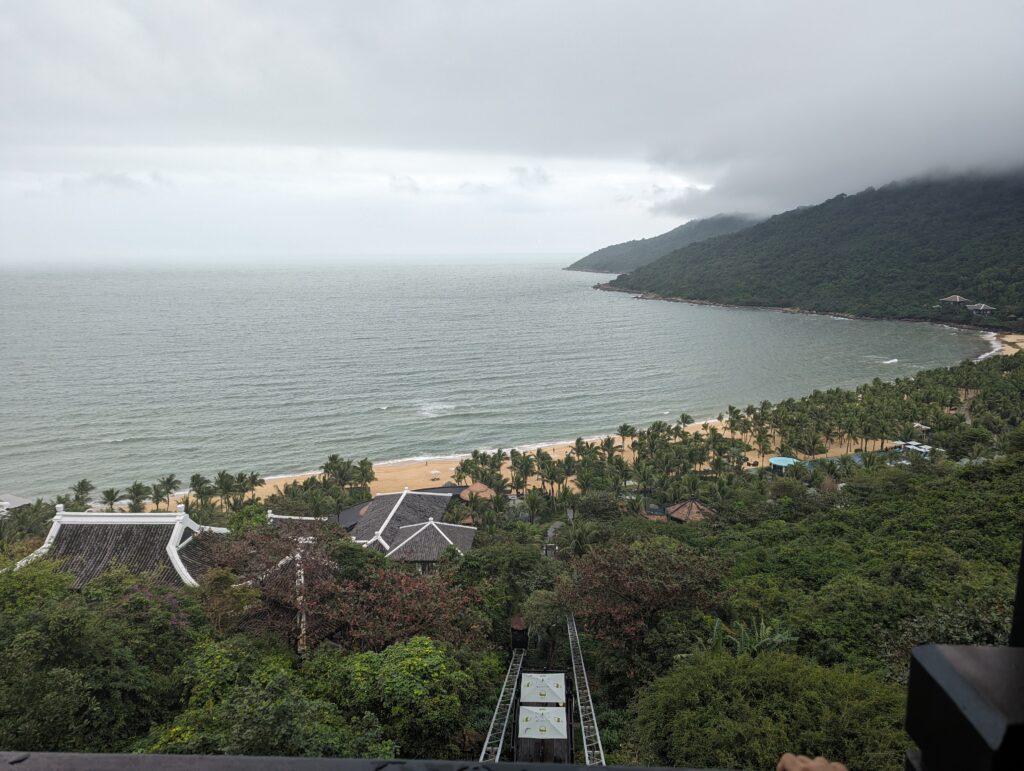
For those who want to hold costs down further, we introduce concrete money-saving techniques.
Aim for the off-season
| Area | Cheap periods | Expensive periods |
|---|---|---|
| Hanoi | May–August (excluding Golden Week and summer vacation) | Long holidays such as Golden Week and year-end/New Year |
| Da Nang | September–February (excluding summer vacation) | Long holidays such as Golden Week and year-end/New Year |
| Ho Chi Minh City | May–October (excluding Golden Week and summer vacation) | Long holidays such as Golden Week and year-end/New Year |
雨季でも、都市、連休、催事、週末、台風などで価格は変わり、「どのエリアも安い」とは限りません。安値だけで決めず、洪水、欠航、海況、観光施設の運休リスクと変更可能な予約条件を比べます。
連休や大型催事は需要が増えることがありますが、価格が必ず高騰するとは限りません。旅行年のベトナム祝日、テト、開催地のイベントを確認し、同じ条件で比較します。
Also, Japan's year-end and New Year period sees more tourists from other countries too, so it's better avoided.
Actively use local shops
Choose local shops that locals frequent rather than tourist-oriented restaurants. Just pay ample attention to hygiene.
For souvenirs, the same product can sometimes be bought cheaper at supermarkets than at souvenir shops in tourist areas.
旅行予算を作る3段階
- 出発前の固定費:航空券、宿、保険、ビザの要否、空港移動、通信を税・手数料込みで集計する
- 1日の変動費:食事、飲料、市内移動、入場料をVNDで積み上げ、節約型と快適型の2案を作る
- 予備費:為替変動、配車の混雑料金、受診、変更手数料に備え、総額の15〜20%を別枠で確保する
円換算は計画日のレートとカードの海外事務手数料で更新します。カード端末やATMで日本円建て換算(DCC)が表示されたら、レートと追加費用を確認し、VND決済と比較してください。安全な飲料水、旅行保険、夜間の移動、必要な医療まで削る節約は勧めません。
Summary
If you skillfully use local shops, stalls, buses, and the like on a Vietnam trip, you can enjoy travel while holding down food and transportation costs. On the other hand, hotel, meal, communication, and souvenir costs vary greatly by area and travel style, so it's important to know the going rates in advance.
Aiming for the off-season and skillfully using supermarkets and local shops lets you save without lowering satisfaction.
For where to arrange flights, hotels, and phone/data plans, seeVietnam travel bookings summaryyou can check them in the order you'll need to prepare before departure.
Plan a Vietnam trip that suits you while considering the balance of budget and comfort.