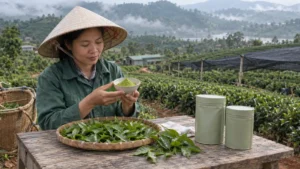
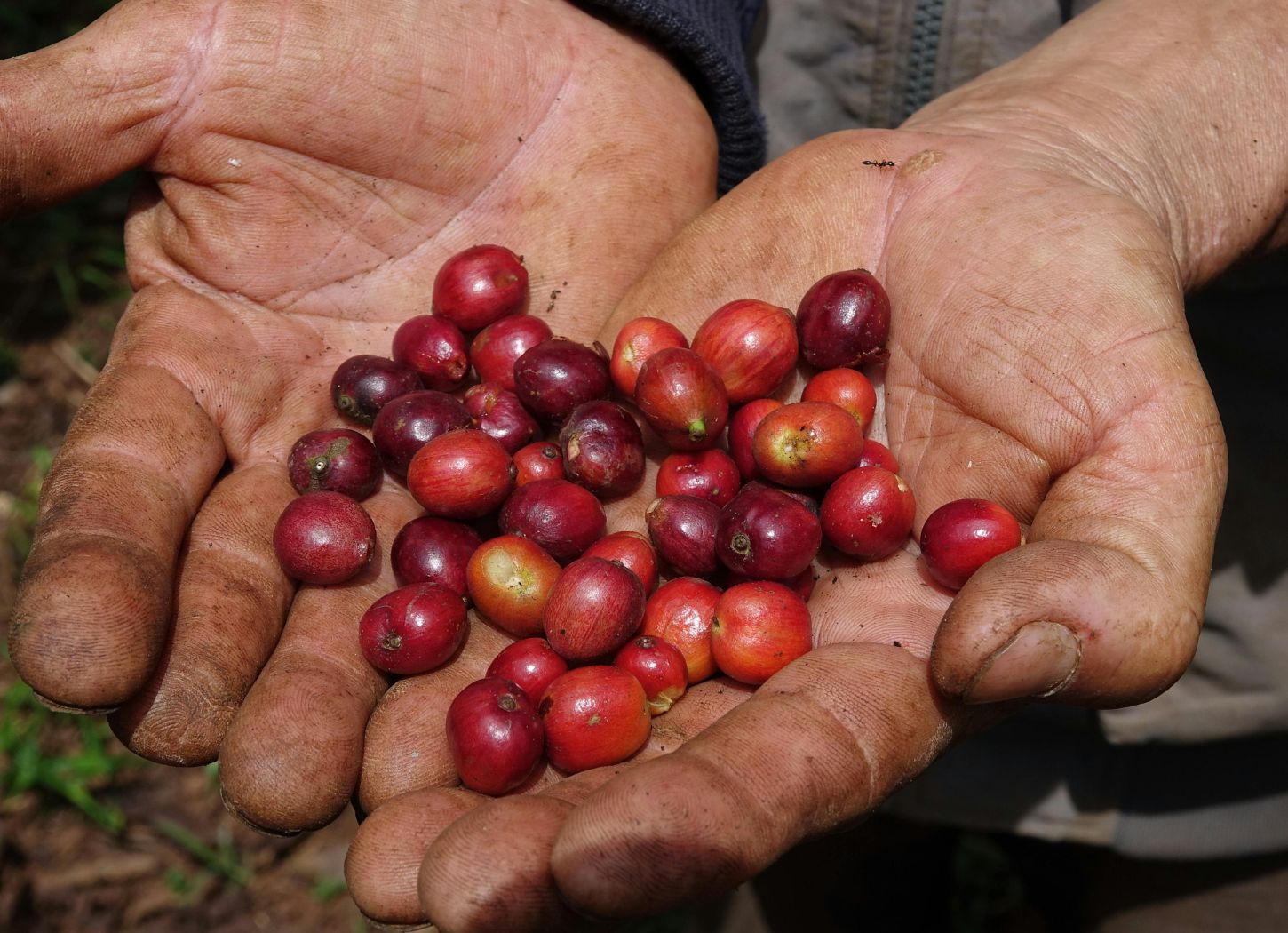
Vietnam is known as the world’s second-largest coffee producer. Its own coffee culture, nurtured through a history reaching back to French colonial times, is marked by a rich, fragrant flavor.
In this world of Vietnamese coffee, there are two main varieties: Arabica and Robusta. Knowing the difference between these two beans lets you understand the deep appeal of Vietnamese coffee even more fully.
Have you ever paid attention to the variety of bean in the coffee you casually drink every day?
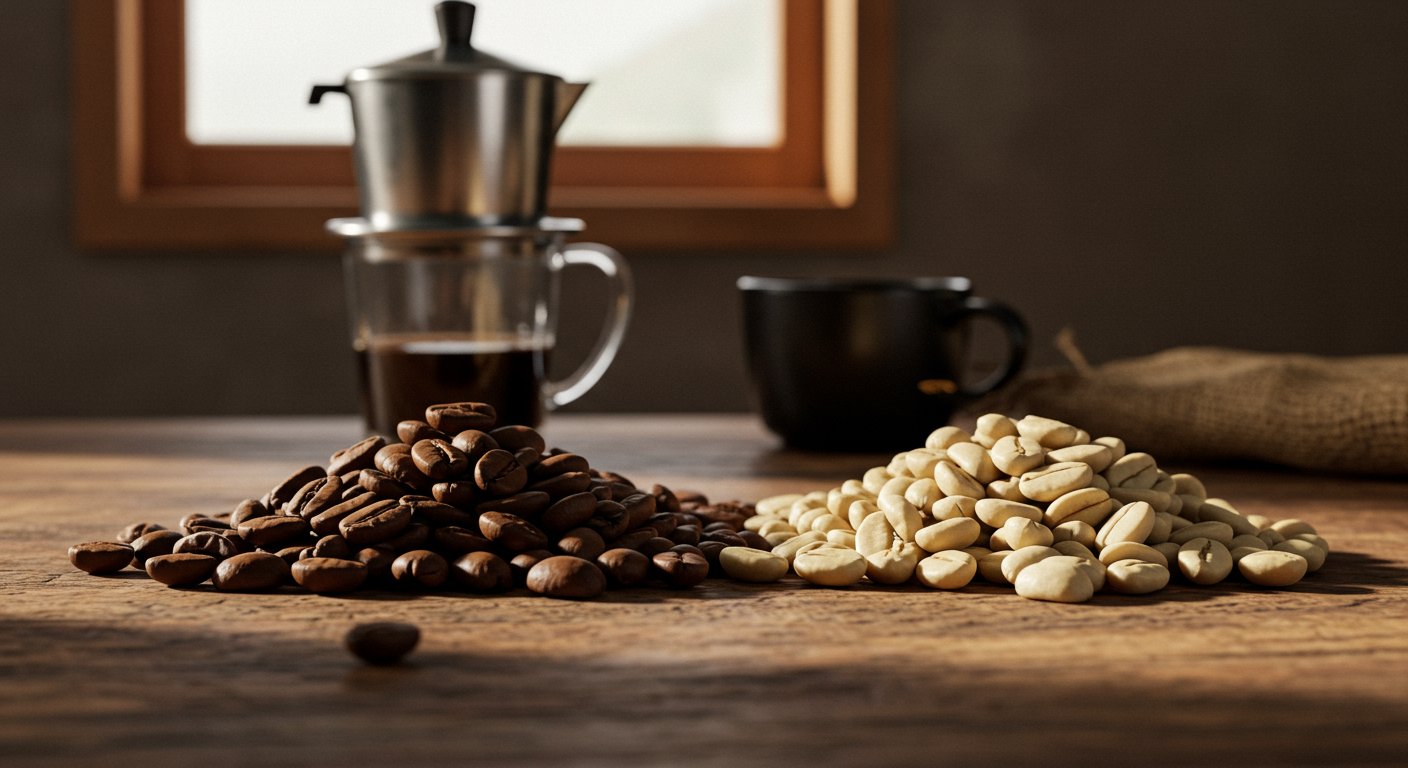
This time, we'll take a detailed look at the difference between the "Arabica" and "Robusta" species, key factors that shape the flavor of Vietnamese coffee, from various angles, comparing their characteristics, cultivation methods, and flavor.
Characteristics of Arabica and its growing conditions
Arabica is the main variety, accounting for about 60 to 70 percent of the coffee beans produced worldwide. Its origins lie in the highlands of Ethiopia, and it favors a delicate climate.
In Vietnam, Arabica is grown in high-elevation areas. Da Lat in particular, at around 1,500 meters with an annual average temperature of 17 degrees, has a cool climate that makes it well suited to growing Arabica.
Arabica takes effort to cultivate and is weak against disease and pests. It needs to be grown at high elevations and reacts sensitively to environmental conditions such as temperature and humidity.
Because of that delicate nature, Arabica accounts for only about 5 percent of Vietnam’s total coffee output.
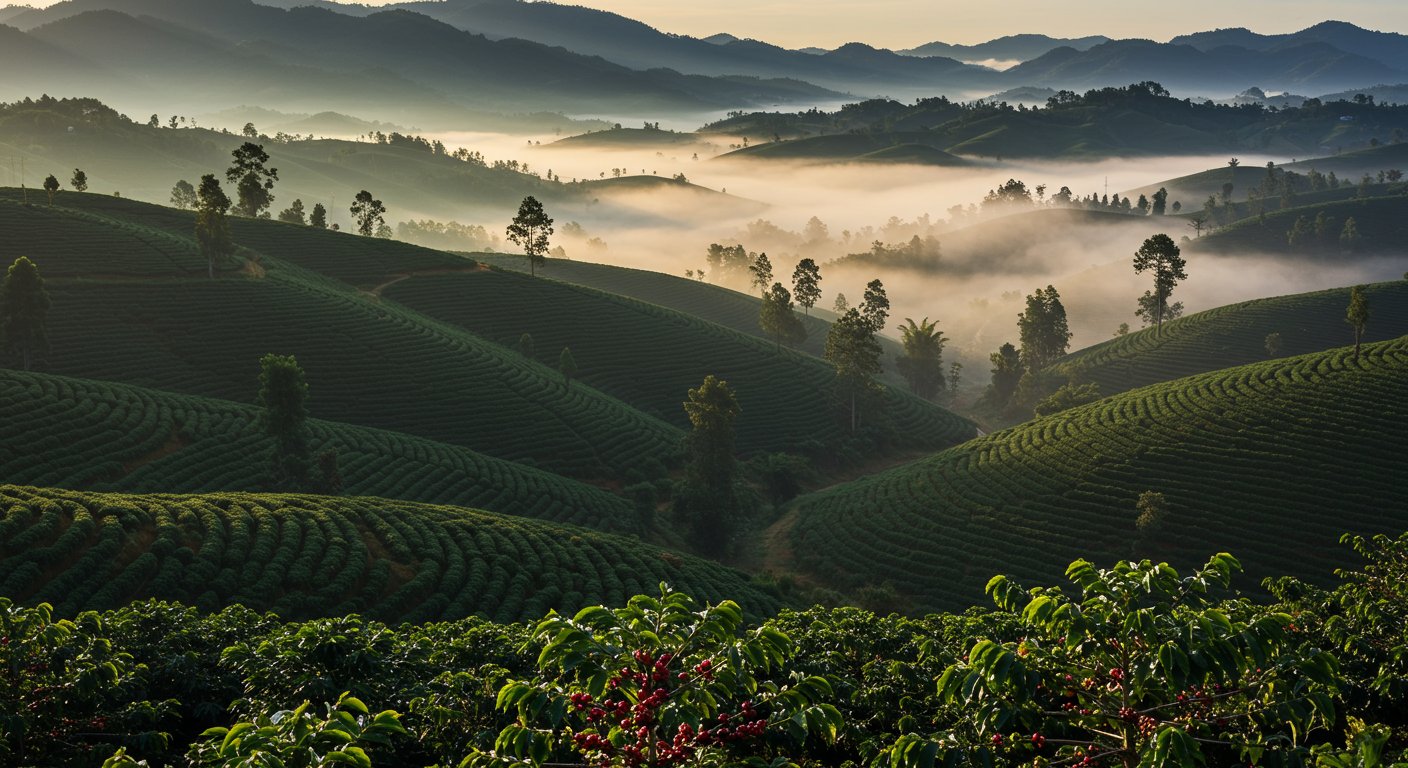
Much of the Arabica grown in Vietnam is a variety called Catimor. Catimor is a hybrid carrying some genes from both Arabica and Robusta; it is strongly resistant to pests and disease and relatively easy to grow.
Characteristics of Robusta and its growing environment
Robusta, as its name suggests, means “sturdy,” and it was discovered in the Congo in Africa in 1898. Strong against disease and pests and able to grow in hot, humid conditions, it can be cultivated in the lowlands where Arabica struggles.
Vietnam boasts the world’s top output of Robusta. More than 90 percent of the country’s coffee output is Robusta, grown mainly in the Central Highlands at elevations of 300 to 800 meters.
Buon Ma Thuot is known as Vietnam’s main Robusta-growing region. Robusta, which grows perfectly well even in lower-elevation areas, has the advantage of lower production costs than Arabica and a greater yield from a single tree.
Because of these traits, when Vietnam strengthened its coffee industry after the 1986 Doi Moi reforms, it focused on large-scale Robusta cultivation, establishing its current position as the world’s second-largest coffee producer.

One factor behind the distinctive flavor of Vietnamese coffee lies in the cultivation methods and brewing styles that make the most of Robusta’s traits.
Differences in flavor and aroma
Arabica and Robusta differ greatly in flavor and aroma. This difference shapes the distinctive flavor of Vietnamese coffee.
Arabica is marked by a delicate, complex flavor. It carries a wide range of notes — fruity acidity, floral aromas, nutty fragrance, chocolate-like depth. It shows different character depending on origin and processing: a light roast offers bright citrusy acidity, a medium roast the sweetness of caramel and nuts, and a dark roast a bitter flavor like dark chocolate.
Robusta, on the other hand, is marked by powerful bitterness and a thick body. It lacks the brightness and complexity of Arabica, but its strong, punchy flavor is the appeal. It has a distinctive aroma described as “earthy,” and a dark roast makes that bitterness stand out even more.
Differences in caffeine content
One major difference between the two is caffeine content. Robusta contains roughly twice the caffeine of Arabica. This difference in caffeine is one reason for Robusta’s strong bitterness.
That said, Robusta’s distinctive bitterness is said to owe much not only to caffeine but also to compounds called chlorogenic acids.
This strong bitterness and rich flavor gave rise to the Vietnamese style of drinking coffee with condensed milk added. Adding sweet condensed milk to the strongly bitter Robusta coffee creates an exquisitely balanced flavor.

Which flavor do you prefer? If you want to enjoy acidity and complexity, Arabica is the way to go; if you’re after powerful bitterness and depth, Robusta is recommended.
How they’re used in Vietnamese coffee
The uniqueness of Vietnamese coffee lies not only in the variety of bean used but also in the brewing method and the way it’s drunk.
In Vietnam, coffee is extracted using the country’s own metal filter called a phin (Vietnamese coffee filter). This filter is said to have been created by adapting the percolators used during French colonial times.
To make the most of Robusta’s strong bitterness, Vietnamese coffee is generally drunk with condensed milk added. It’s served with condensed milk settled beneath the coffee, and the usual way is to stir before drinking.
Vietnam’s own coffee styles
In Vietnam, beyond the traditional coffee with condensed milk, a variety of unique coffee styles are enjoyed.
Egg coffee is a distinctive coffee made with egg yolk, sugar, and sweetened condensed milk, while yogurt coffee adds yogurt, sugar, and sweetened condensed milk. These variations are expressions of Vietnam's own coffee culture, making the most of Robusta's strong bitterness and powerful flavor.
Arabica, meanwhile, is offered mainly as specialty coffee, aimed at those seeking a more delicate flavor. As Vietnam’s café culture diversifies, demand for high-quality coffee made with Arabica is gradually rising too.
Points for enjoying Vietnamese coffee
Here we introduce some points for drawing out the appeal of Vietnamese coffee to the fullest.
First, how to choose your beans. If you want to enjoy Robusta’s powerful flavor, choose dark-roasted Vietnamese Robusta beans. If you’re after a more delicate flavor, Vietnamese Arabica beans are worth trying too.
As for the brewing method, if you want to enjoy authentic Vietnamese coffee, we recommend using a phin. Extracting slowly over time draws out the beans’ character fully.
When using Robusta, it pairs superbly with condensed milk. The balance of sweetness and bitterness creates an exquisite harmony. As a twist, trying Vietnam’s own styles such as egg coffee and coconut coffee may bring new discoveries.
Why not find your very own way to enjoy Vietnamese coffee?
Conclusion: know the appeal of each and enjoy
We’ve explained the characteristics and differences of the Arabica and Robusta used in Vietnamese coffee.
Arabica is marked by a delicate, complex flavor and is grown mainly in the highlands in Vietnam. Robusta, on the other hand, is marked by powerful bitterness and depth; strong against pests and disease and growable even in the lowlands, it accounts for more than 90 percent of Vietnam’s coffee output.
The distinctive flavor of Vietnamese coffee is born of a brewing method that makes the most of Robusta’s traits and the habit of adding condensed milk.
Knowing the difference between the two will train your eye for choosing the coffee that suits your taste. Be sure to enjoy the deep world of Vietnamese coffee from both the Arabica and Robusta perspectives.
Why not set off on a journey that brings you closer to Vietnam's culture and history through coffee?