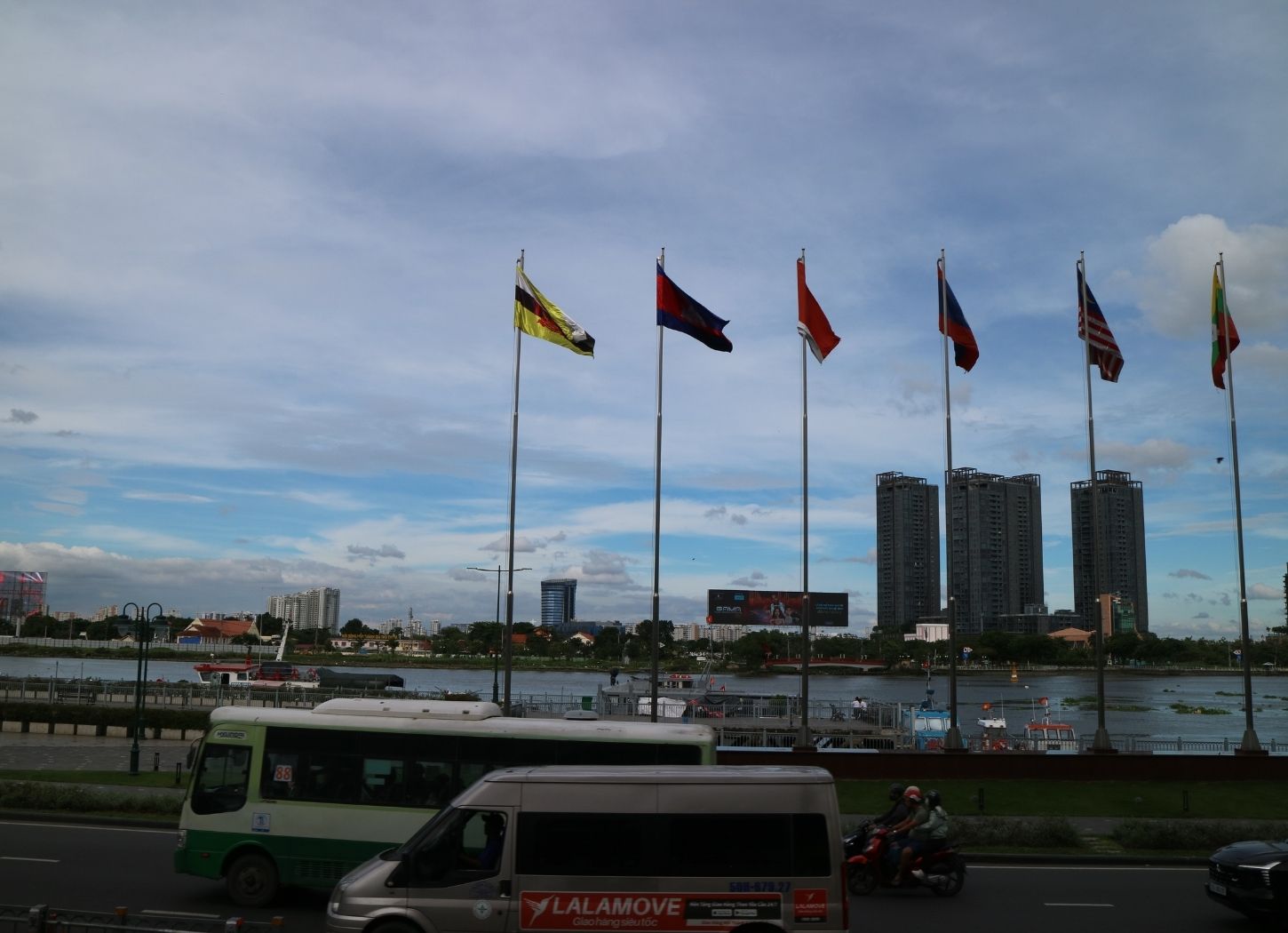
A rich flavor and a distinctive aroma. Take a single sip of Vietnamese coffee and you can sense the fusion of a long history and culture. How did this captivating cup come to be?
The history of Vietnamese coffee dates back to the mid-19th century. In 1857, a French missionary planted coffee seeds in Vietnamese soil for the first time. At the time, Vietnam was under French colonial rule.
France's invasion of Vietnam progressed gradually from the mid-19th century, and France won the Sino-French War of 1884–85. Having secured protectorate rights over Vietnam, which had been in a tributary relationship with China, France established French Indochina in 1887. It was this roughly century-long period of French rule that laid the foundation for Vietnam's coffee culture.
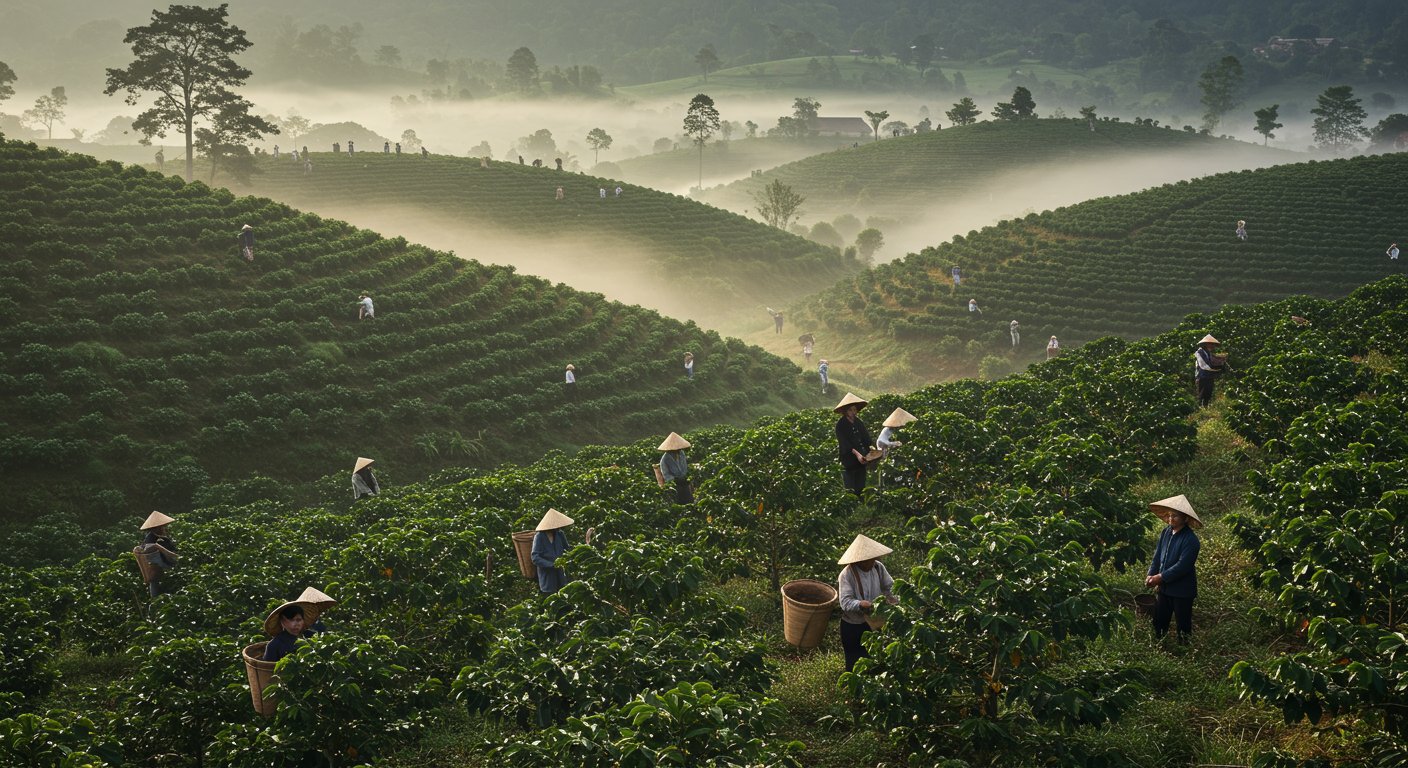
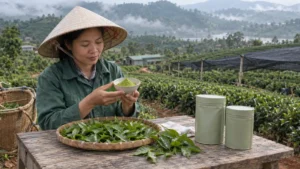
The French discovered that Vietnam's highland regions were well suited to growing coffee. The Da Lat plateau in particular offered favorable climate and soil conditions that produced high-quality coffee beans.
At first, Vietnamese coffee was a drink for the aristocracy and the wealthy. Over time, however, demand grew. Farmers began cultivating coffee trees on their own land, and it gradually became a beverage enjoyed throughout society.
The distinctive traits of Vietnamese coffee and how it evolved
What makes Vietnamese coffee loved around the world? The answer lies in its unique, one-of-a-kind character.
The biggest distinguishing feature is the type of bean used. Vietnam mainly grows Robusta, which accounts for about 95% of its coffee. Robusta is known for its strong bitterness and high caffeine content. It's precisely this bold flavor that pairs so well with sweet condensed milk. Did you know that Vietnam actually accounts for more than 40% of the world's Robusta production?
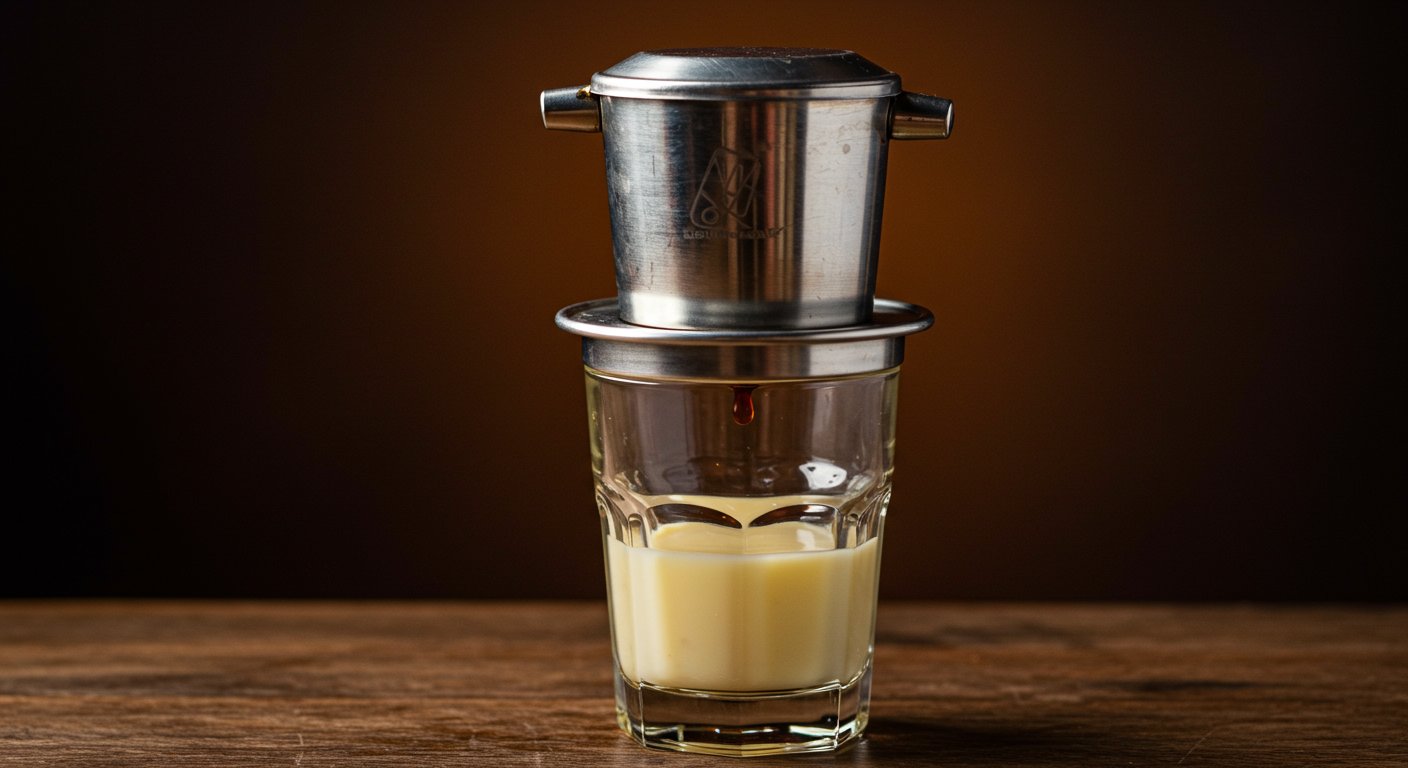
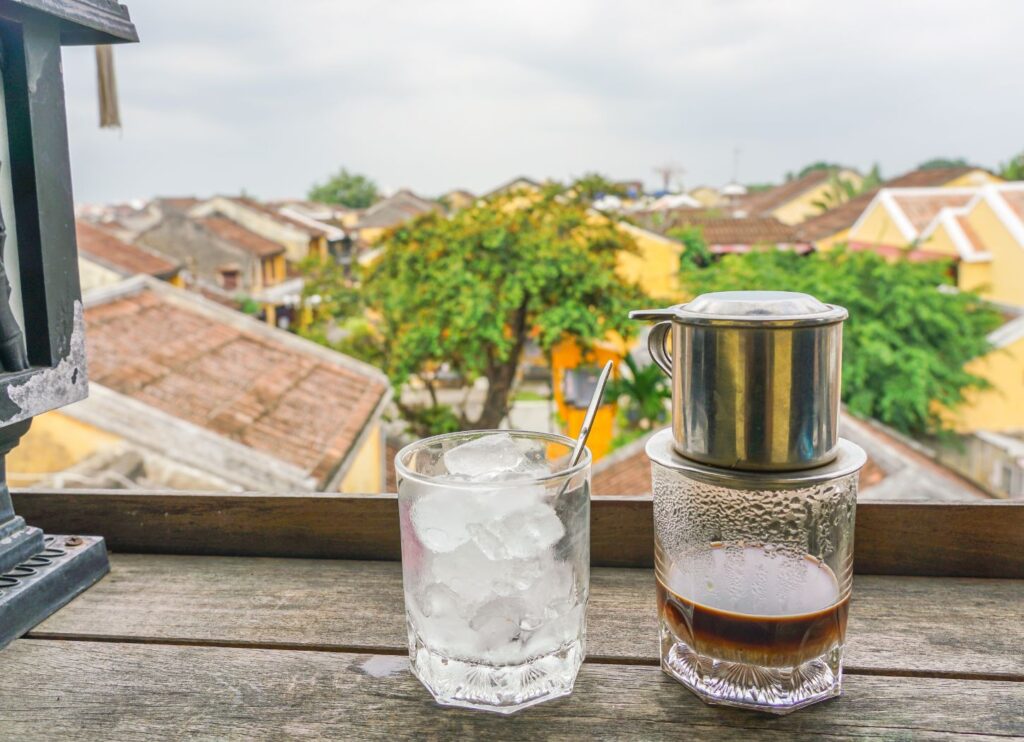
Another distinctive feature is the unique brewing method. Vietnam uses a small metal filter called a phin. Coarsely ground coffee is placed in the filter, hot water is poured over it, and the coffee is extracted slowly over time. Waiting as the coffee drips into the glass drop by drop is part of the ritual of enjoying Vietnamese coffee.
And we mustn't forget condensed milk. Why did condensed milk become a part of coffee in Vietnam?
Vietnam lies in the subtropical and tropical zones, and during the French colonial period, fresh milk was difficult to keep. Condensed milk, which is easier to store, came to be used as a substitute. Adding sweet condensed milk to the strongly bitter coffee gave rise to its distinctive flavor.
Vietnam's global standing and coffee production volume
Vietnam is a coffee powerhouse that often goes unrecognized. In fact, it ranks second in the world in both coffee bean production and exports. On a scale second only to Brazil, it holds an important position in the global coffee market.
Since the launch of the Đổi Mới (Renovation) policy in 1986, Vietnam's coffee exports have grown dramatically. From 2000 to the present, it has maintained its position as the world's second-largest coffee exporter.
Looking at country-by-country data on the coffee beans Japan imports, Brazil ranks first and Vietnam second. Interestingly, Vietnamese beans account for more than 20% of the coffee beans Japan imports. The coffee you drink every day may well contain beans from Vietnam.
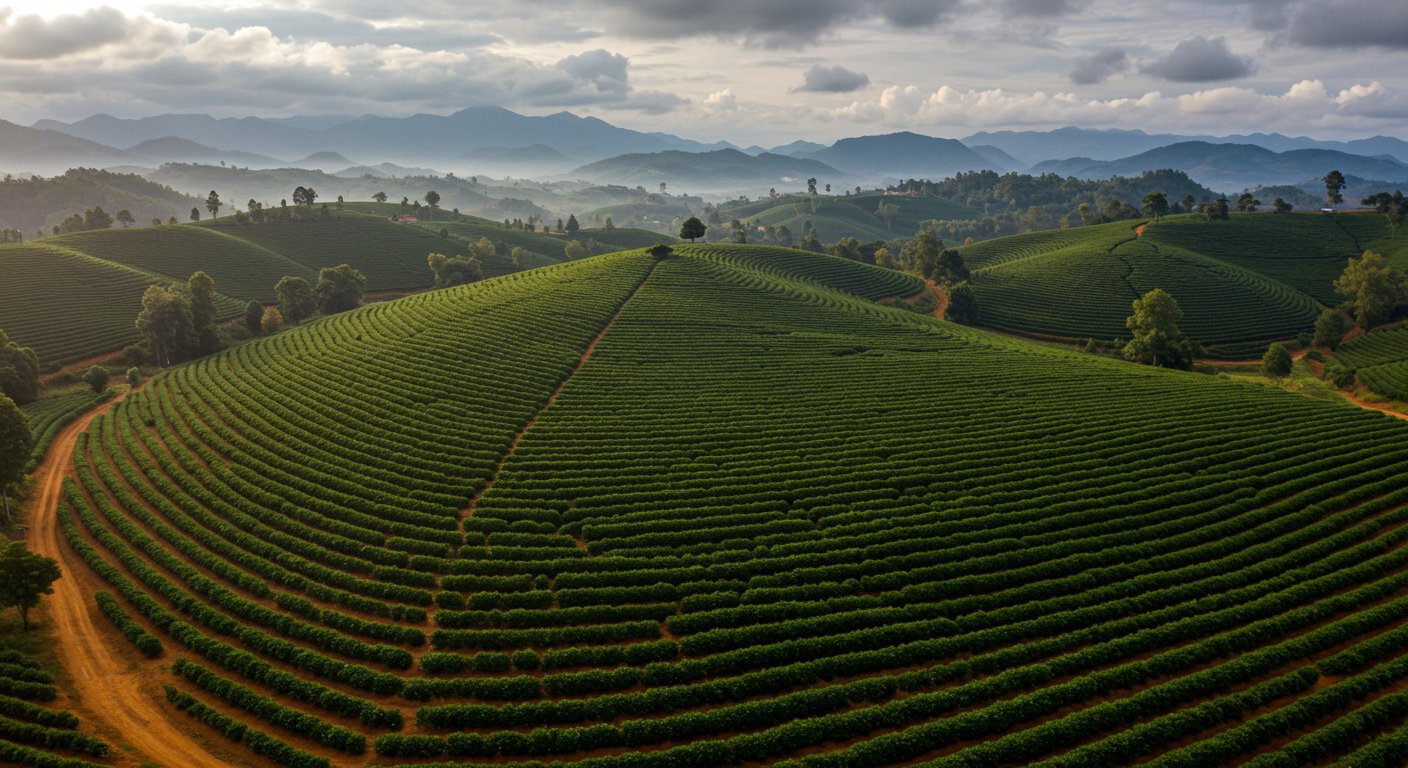
Behind the growth of Vietnam's coffee exports lies not only an increase in bean production but also improvements in sorting technology. In the early 2000s, machines were introduced to sort out foreign matter such as stones and twigs, along with defective beans like cracked or immature ones, raising overall quality.
There are challenges, however. More than 90% of the coffee beans produced in Vietnam are exported as green beans and are roasted and processed in the importing countries. In other words, within the global value chain that runs from coffee production through processing to sales, Vietnam remains largely positioned as a supplier of cheap raw materials.
To change this, the Vietnamese government has set the development of the domestic processing sector as a goal. Alongside efforts such as introducing new varieties and applying advanced technologies, it is working to increase production of higher value-added processed goods.
Coffee culture rooted in modern Vietnam
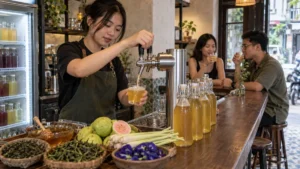
In Vietnam, coffee is more than just a drink. It is part of daily life and an essential element that provides a space for socializing and relaxation.
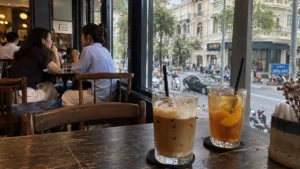
The phrase "going for coffee" means more than just drinking coffee at a café. It refers to heading out to a social setting to meet friends or get work done. Stop by a street-corner café and you will often see people enjoying a cup of coffee while playing Chinese chess.

The diversity of Vietnam's coffee culture is part of its appeal. Beyond the classic condensed-milk coffee, you can enjoy unique variations such as egg coffee and coconut coffee. Egg coffee, a drink topped with a creamy layer of whipped egg yolk and condensed milk floated over the coffee, is known as a specialty of Hanoi.
What's interesting is that a tea culture coexists alongside it. At local cafés, lotus tea is served in place of water before you even order your coffee. When their coffee runs low, Vietnamese drinkers will sometimes add that lotus tea to top it up.
Coffee, tea, and Chinese chess. In these cultural elements, the influences Vietnam received from China and France over its long history blend together remarkably. Coffee came from France, while chess and tea culture came from China, and all have been refined into Vietnam's own distinctive culture.
How to enjoy Vietnamese coffee in Japan
If you've been drawn to the appeal of Vietnamese coffee, you can enjoy the authentic taste in Japan too. All you need is a Vietnamese-style dripper, the phin, Vietnamese coffee beans, and condensed milk.
The phin is relatively inexpensive and easy to find, making it a perfect souvenir from a trip to Vietnam. Even after returning to Japan, you can enjoy an aroma like that of a Hanoi street corner.
Brewing Vietnamese coffee is simple. First, put condensed milk in the cup. Add ground coffee to the phin, press it down lightly, then pour in hot water. Let the coffee extract slowly over 5 to 10 minutes, and finally stir it well with the condensed milk to finish.
Vietnamese coffee beans and instant coffee are also available at imported-food stores and online shops in Japan. If you're after the authentic taste, look for famous Vietnamese brands such as Trung Nguyen and Highlands Coffee.
You can also savor authentic Vietnamese coffee at Vietnamese restaurants across Japan. Enjoying it alongside pho or banh mi is highly recommended.
Summary: a distinctive coffee culture born of fusion and evolution
The history of Vietnamese coffee is a story of cultural fusion and unique evolution. Introduced during the French colonial period, coffee adapted to Vietnam's climate and culture and developed in its own distinctive way.
The bold flavor of Robusta, the unique brewing method using the phin, and the exquisite pairing with condensed milk. Vietnamese coffee, born from the fusion of these elements, now captivates coffee lovers around the world.
Vietnam is the world's second-largest coffee producer, yet it is still developing when it comes to processing and added value. Even so, its rich coffee culture and distinctive character will surely continue to have a major influence on the global coffee scene.
Why not let Vietnamese coffee show you how different cultures can meet, blend, and create new value? Within a single cup, the depth of history and culture is distilled.