Why Vietnam's cooking classes are popular with travelers
For travelers visiting Vietnam, a local cooking class is an experience with value beyond mere sightseeing.
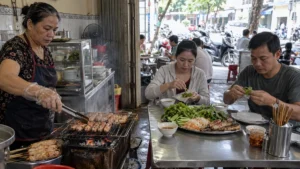
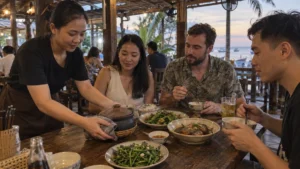
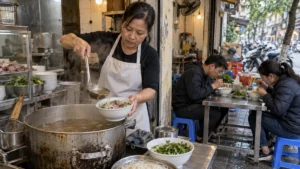
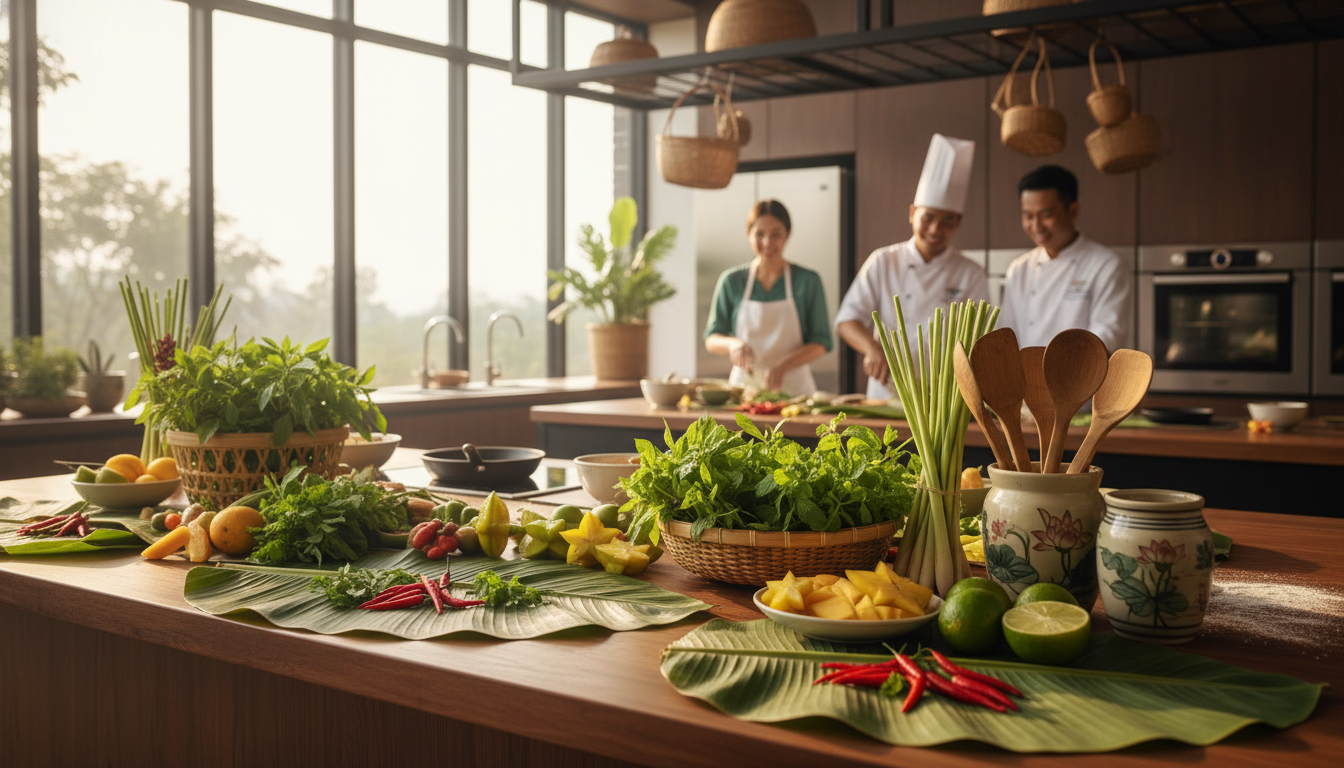
Walk the streets and the aromas of pho and banh mi drift by, while at back-alley eateries locals enjoy their meals. Getting to take part in a piece of that daily life yourself is the appeal of a cooking class. You directly learn things you can't tell just from eating at a restaurant, like how to choose ingredients, cooking tricks, and the secrets of seasoning.
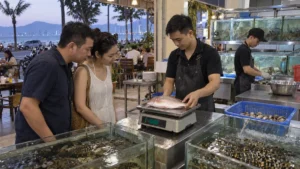
In major cities like Ho Chi Minh City, Hanoi, and Hoi An especially, cooking classes for tourists are plentiful, with abundant English-language classes too. Courses that include a market tour let you walk around seeing the ingredients locals use daily and understand Vietnam's food culture more deeply.
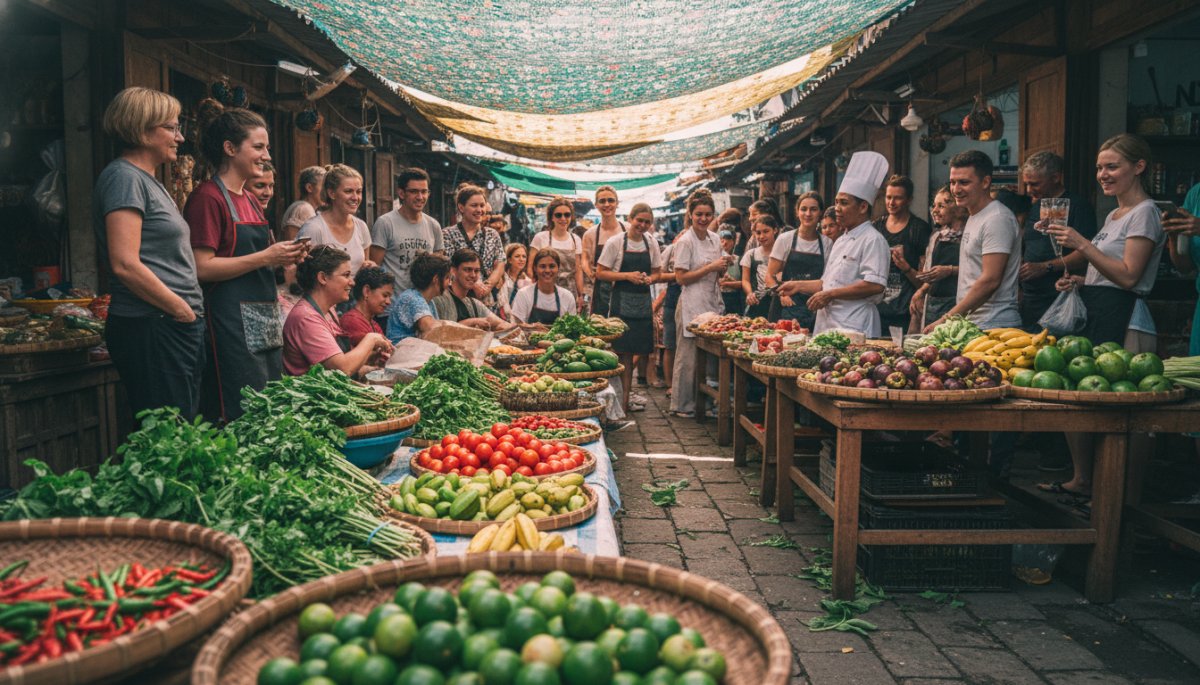
Popular cooking classes in Ho Chi Minh City and their features
Ho Chi Minh City is an economic hub, and the choices for cooking classes are plentiful too.
The Saigon cooking class mentioned in the earlier article may have changed in terms of operator, location, market tour, instructor, and menu. Before booking, check the current dates, hands-on content, language of instruction, and meeting point on the official website. Do not assume market ingredients are uniformly "fresh"; ask the instructor about storage and hygiene as well.
For M.O.M Cooking as well, do not treat the class size, number of instructors, or number of dishes from the earlier article as fixed current conditions. Check the current booking page for the scope of hands-on cooking, safety management for charcoal fires and knives, ventilation, sanitation facilities, the menu, and available alternatives.
Classic menu items you can learn at Ho Chi Minh City cooking classes
Fresh spring rolls are a dish even beginners can try. You're taught carefully, from how to handle rice paper to how to wrap the fillings. Banh xeo is deeper than it looks, with the thinness of the batter and the degree of cooking being the key points.
With pho, you can experience the authentic method of taking broth from beef bones over time. Caramelized pork is characterized by a sweet-and-savory seasoning and goes superbly with rice. For dessert, you can learn tropical sweets like coconut banana.
How to book and price guidelines
Online booking is convenient, but Japanese-language displays or reviews do not guarantee safety or that a class will run. Do not treat the 3,000–5,000 yen figure from the earlier article as the current going rate; compare local operators, the total amount in VND, taxes, transfers, market tours, and cancellation conditions on equal terms.
Small-group private classes and courses where you learn special menus are set a bit higher. Checking reviews on the booking site in advance makes it easier to find a class that suits you.
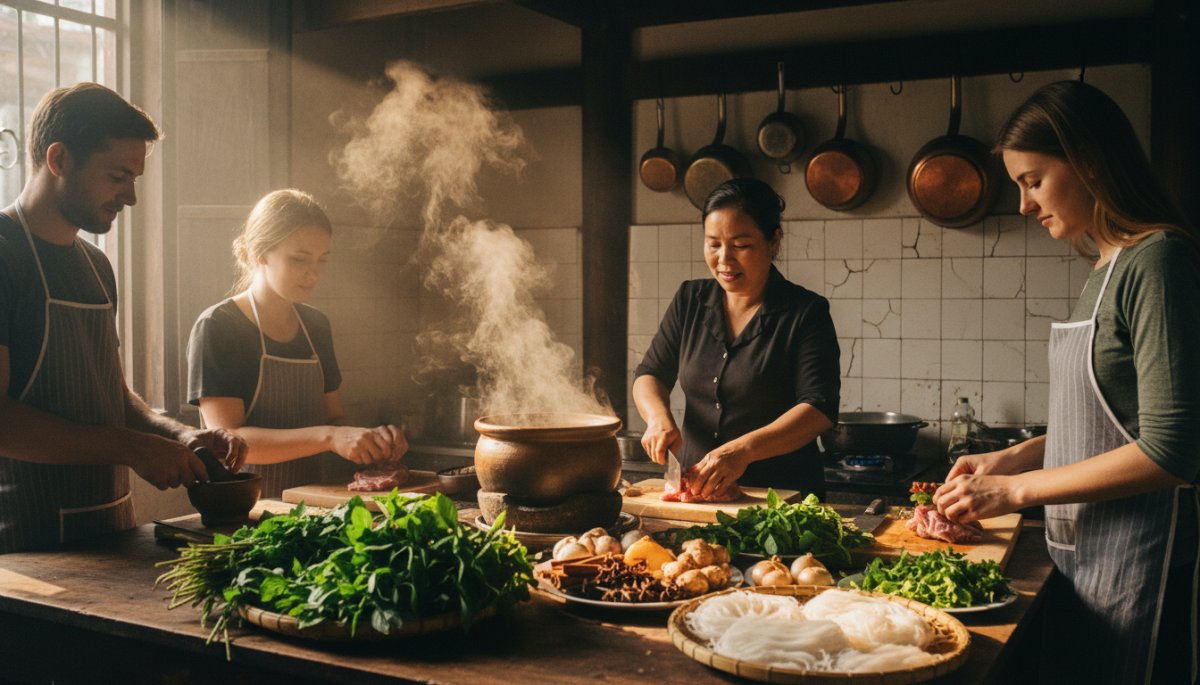
Learn northern flavors at a Hanoi cooking class
Hanoi is the center of politics and culture, and its cuisine has distinctive traits too.
Avoid generalizing all northern cuisine as "subtle"; asking the instructor about differences between dishes, households, and restaurants will deepen your understanding. Confirm the hands-on scope for dishes such as pho, bun cha, and fried spring rolls, and if a cyclo ride or market walk is included, also confirm transportation, fees, photography etiquette, and travel time.
Even if a Japanese-speaking guide is present, that does not guarantee qualifications in food safety or allergy management. Whether pho involves making the broth from scratch over many hours or explaining a pre-prepared stock also changes the nature of the experience, so confirm this before booking.
Culinary experiences unique to Hanoi
Bun cha is a dish where charcoal-grilled pork is dipped in a sweet-and-sour sauce, and it's a Hanoi specialty. It's surprisingly simple to make and, nicely, easy to recreate at home. For fried spring rolls, you're taught carefully, from prepping the fillings to how to fry them.
Banana flower salad is a dish using an ingredient that's hard to get in Japan. Getting to learn how to prep the banana flower and how to combine it with herbs is a precious experience.
The appeal of a market stroll and a cyclo experience
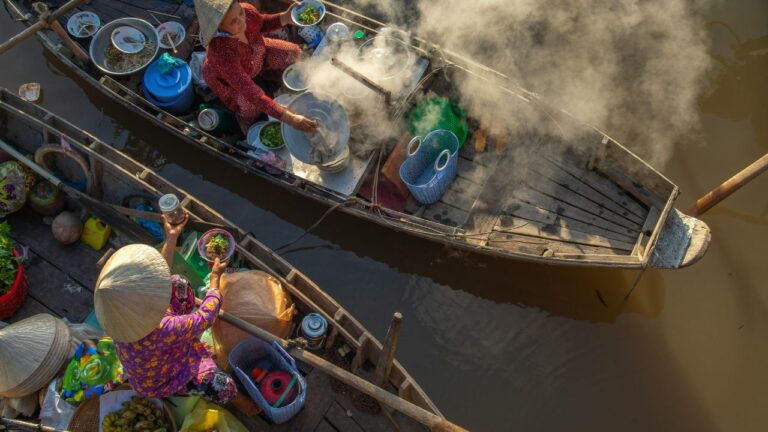
Markets are places of work and shopping, not a stage for tourism. Do not block passageways, obtain permission before photographing people or products up close, and wash your hands after touching raw meat or fish. For cyclo rides, confirm the fare, route, duration, and road safety before getting on.
Passing through the narrow streets and gazing at commerce carried on across many generations, you feel the layering of this town's history firsthand.
Cooking class information for Hoi An and Da Nang
In the central region, Hoi An and Da Nang are areas popular as resort destinations too.
Hoi An's Old Quarter is registered as a World Heritage site, and at night the glow of lanterns wraps the town. Joining a cooking class in this atmospheric town lets you enjoy sightseeing and a cultural experience at once. Hoi An's cuisine is characterized by seasoning distinctive to the central region, with an exquisite balance of spiciness and tartness.
Da Nang is a beach resort that developed rapidly in recent years, where urban convenience and closeness to nature coexist. Cooking classes are arranged for tourists too, with abundant English-language classes. At classes near My Khe Beach, you can sometimes learn dishes using fresh seafood.
Menu items unique to the central region
Cao lau is a noodle dish representative of Hoi An, but it cannot be stated definitively that it is unavailable outside the region. Confirm whether the class involves making the noodles themselves or uses commercially available or pre-prepared noodles for the finishing steps. Mi Quang also has many variations in ingredients and the amount of broth.
Central cuisine is also influenced by Hue's royal court cuisine, with a commitment to visual beauty. Getting to learn fine techniques like plating tricks and how to use herbs is another draw.
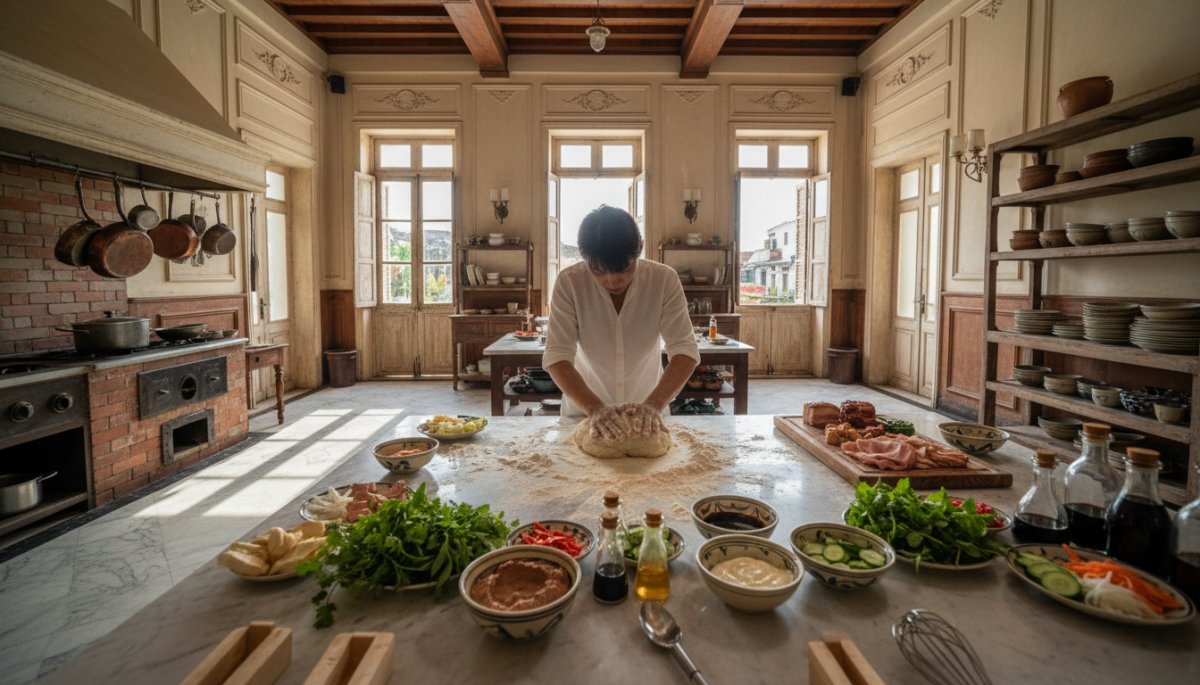
Points and cautions for choosing a cooking class
To choose a cooking class that suits you, it's good to keep a few points in mind.
First, it's important to check the language support. If you can speak English, your choices broaden, but choosing a tour with a Japanese-speaking guide gives even more peace of mind. Small-group classes have the benefit of careful instruction for each person.
Whether a market tour is included is also an important point. A market shopping experience is a precious chance to learn Vietnam's daily life. Check the location of the cooking class too. Having a hotel pickup service means no worries about getting there, which is convenient.
Things to check when booking
Course lengths range from half a day to a full day. Choose to match your travel schedule. You also need to check in advance what's included in the price. It's good to confirm whether ingredient costs, a recipe card, a certificate, and the like are included.
Communicate any allergies or dietary restrictions in writing before booking, and confirm not only the ingredients—fish sauce, shellfish, peanuts, eggs, dairy, wheat, soy, and so on—but also whether the operator can manage cross-contact via knives, cutting boards, and oil. A response that substitutions are possible does not by itself guarantee safety for severe allergies.
About what to bring and what to wear
Confirm apron rental, footwear requirements, and conditions for children's participation. Tie back hair, choose closed-toe non-slip shoes, and follow all instructions regarding fire, oil, and knives. Obtain permission from the instructor and other participants before taking photos, and clean both your hands and your device after handling raw meat.
If you want to take notes, bringing a notebook and pen is good. That said, many classes hand out recipe cards.
Tips for enjoying a cooking class experience to the fullest
A cooking class isn't just about learning to cook; it's also a place for cultural exchange.
Asking questions actively yields deeper learning. Try asking for information useful after you get home, like substitute seasonings or how to make dishes with ingredients available in Japan. Interacting with other participants is one of the joys too. The experience of cooking together with people from various countries enriches your travel memories.
Before tasting, confirm with the instructor that meat, fish, and eggs have been thoroughly cooked, and do not feel obliged to eat food that has been left at room temperature for a long time. Photography is optional; prioritize hygiene and safety over taking pictures. Because taste perception varies from person to person, any step that did not go as expected can become a useful question to ask.
Tricks to keep enjoying it after you get home
Try recreating the recipes you learned in class at home. Making them while improvising with ingredients available in Japan brings back travel memories. Scouting out Vietnamese or Asian grocery stores in advance makes it easier to recreate authentic flavors.
Serving them to friends and family lets you share your travel experience and keeps the conversation lively. Getting to convey Vietnam's culture and your travel memories through food is a wonderful thing.
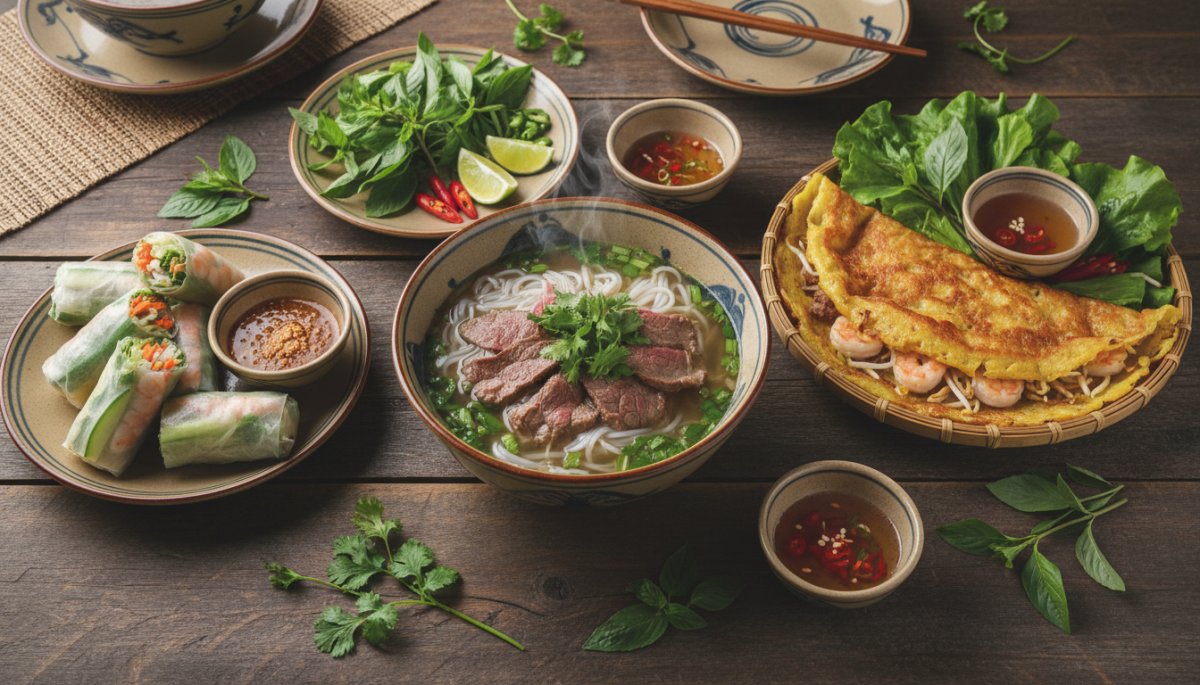
Questions to ask the class before booking
- Which steps will I actually cook myself, as opposed to just watching?
- Number of participants per instructor, language of instruction, and conditions for children's participation
- Total amount in VND including market tour, transfers, ingredients, drinks, and recipe
- Ingredients such as fish sauce, shellfish, and nuts, and how cross-contact is managed
- Handwashing, separation of utensils, cooking temperatures, and conditions for taking leftover food home
- Safety briefing and insurance for handling knives, fire, charcoal, and oil
- Cancellation deadline, minimum number of participants, and how you will be notified if the venue changes
If you want to recreate dishes at home, it is more useful to ask about "ingredients you can substitute in Japan," "steps that can be prepared in advance," and "how to fix mistakes" than to take photos of the finished dish. For ingredients that are hard to obtain outside Vietnam, rather than trying to bring them back, check Japan's quarantine regulations and consider looking for them at Asian grocery stores in Japan.
Summary: the special experience you get from a Vietnamese cooking class
Vietnam's cooking classes have value beyond a mere sightseeing activity.
In Ho Chi Minh City you can experience a lively market and authentic southern cuisine; in Hanoi, the historic Old Quarter and delicate northern cuisine; in Hoi An and Da Nang, World Heritage townscapes and flavors distinctive to the central region. Each city has a different appeal, and wherever you join, it will surely become an unforgettable memory.
The greatest appeal is getting to touch the lives and culture of the Vietnamese people through cooking. Shopping at the market, how to choose ingredients, cooking tricks, the secrets of seasoning. Learning these deepens your understanding of the country of Vietnam.
After you get home, you'll be able to make Vietnamese food at home too, savoring your travel memories again and again. Serving it to friends and family also makes a wonderful chance to share your travel experience. On your next trip to Vietnam, be sure to join a cooking class and experience authentic flavors and culture. It's sure to make your trip richer.