
Getting to know taxis in Vietnam
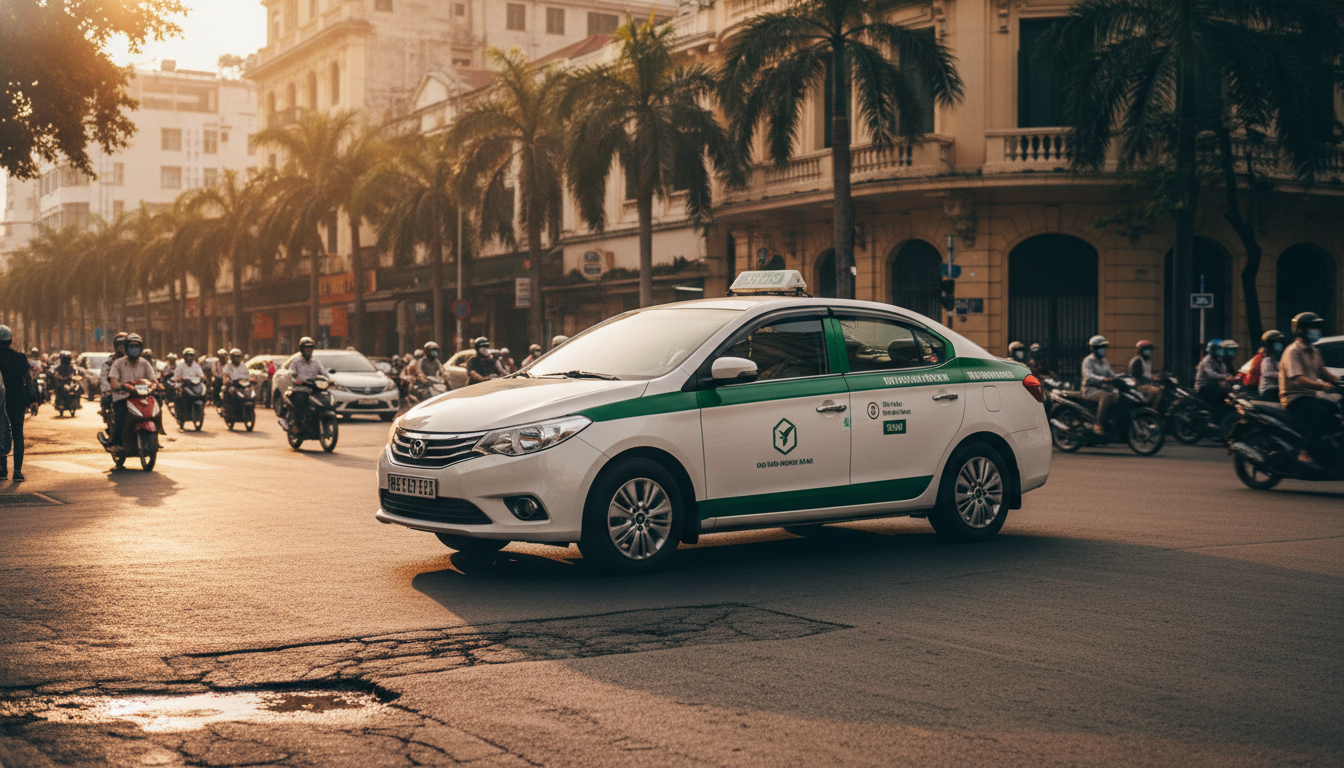
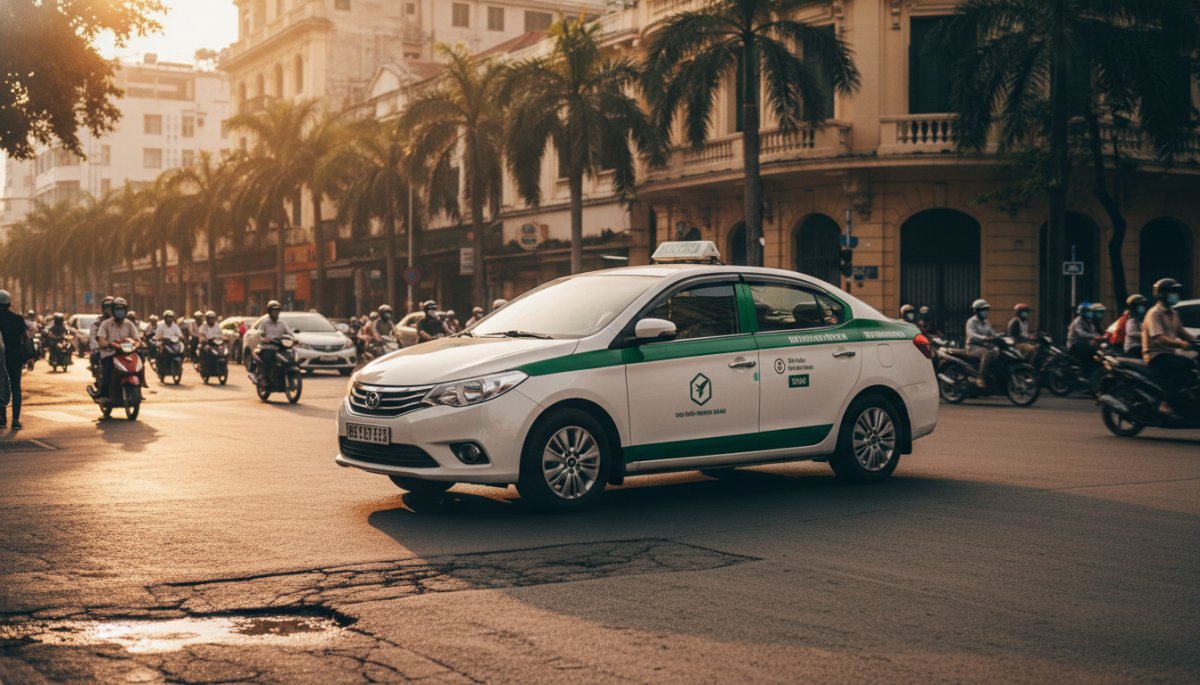
When you travel around Vietnam's cities, taxis are an indispensable way to get around.
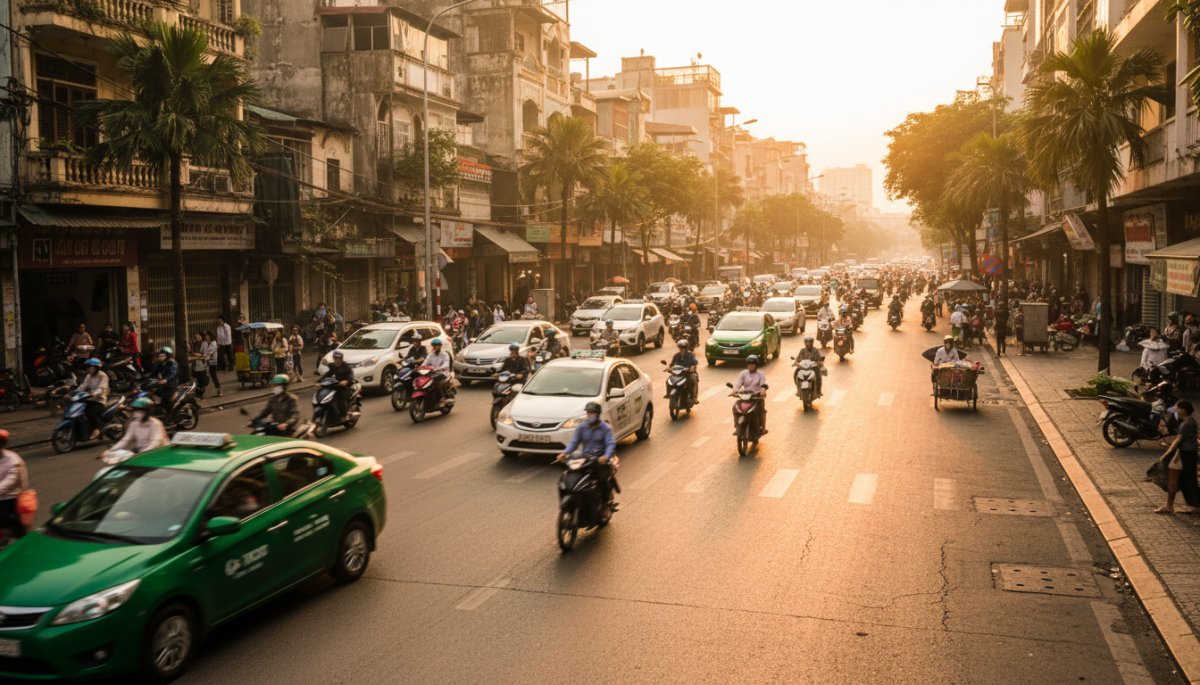
In major cities like Ho Chi Minh City, Hanoi, and Da Nang, taxis crisscross the streets and have become a convenient way for tourists to get around. But behind that convenience lie some pitfalls. Rip-offs where the driver doesn't run the meter, fake taxis, and more — get in without knowing better and you could find yourself in unexpected trouble.
本記事では、会社名や車体色だけに頼らず、手配、乗車照合、支払い、トラブル時の退避までを順に解説します。どの会社・アプリでも安全を保証することはできないため、現地で再確認できる判断基準を持つことが目的です。
How to choose a trustworthy taxi company
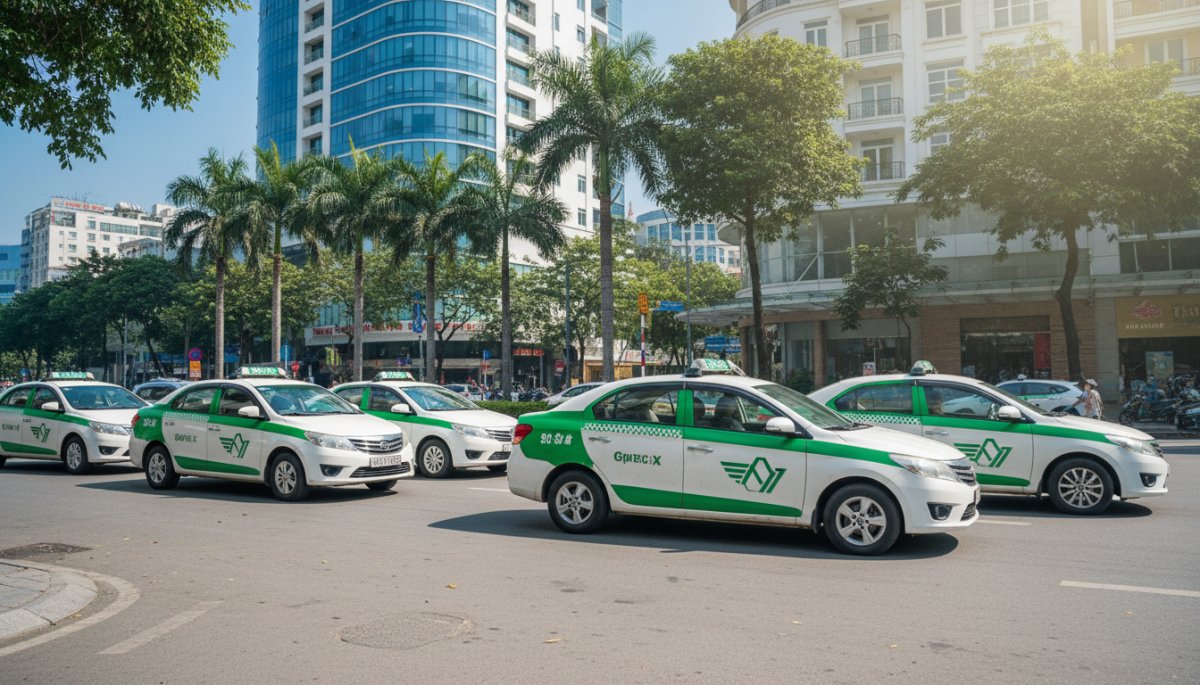
Three major taxi companies
Knowing which taxi companies you can ride with confidence is the first step to staying safe on your trip.
VINASUNはホーチミン市などで見かける事業者ですが、車体色、制服、メーター、大手という条件だけで正規車両や適正請求を保証できません。公式アプリ、公式電話、ホテルの手配、正規乗り場を使い、乗る前に車両番号を照合します。
MAI LINHも候補の一つですが、緑色の車体や制服だけで本物とは判断しません。現在の営業地域と連絡先を公式情報で確認し、流しの車両より手配記録が残る方法を優先します。
Xanh SMもアプリ等で手配できる移動サービスの候補です。営業地域、車種、支払方法は変わるため、公式案内で確認します。電気自動車や高い評価は個々の運行の安全保証ではありません。
Watch out for fake "white taxis"
Never get into a "white taxi" that mimics a major company!
無許可・模倣車両を外見だけで確実に識別する方法はありません。車体色や日本語で話すこと自体を証拠にせず、空港や観光地で客引きについて行かない、公式カウンター・アプリ・ホテルを通して手配する、車両番号を照合するという行動で避けます。
How to use the Grab ride-hailing app
Grab app basics
Grab is a ride-hailing app you can use across Southeast Asia.
Grabでは車両・運転者・経路の記録や行程共有機能を使えます。ただし、不正や事故が起きない保証ではありません。サービス種別によっては表示額が確定運賃ではなく、GrabTaxiはメーター料金や追加費用で変わる場合があります。予約画面の条件を毎回確認してください。
運賃と到着時間は距離、需要、渋滞、車種、空港料金などで変わるため、旧稿の円換算を現在の相場として使えません。予約直前のVND表示、料金内訳、サービス種別を確認し、固定料金かメーターかを見分けます。
How to use Grab
It's surprisingly simple to use.
出発前にアプリをインストールし、SMS認証、支払方法、緊急・行程共有機能まで確認します。Wi-Fiで配車操作ができても、乗車地点で運転者と連絡し経路を追うには継続した通信が必要です。現地SIMやeSIM、モバイル通信の代替手段を用意してください。
利用できる支払方法はアカウントやサービスで異なります。目的地を入力しても、入口、道路規制、降車場所の確認が必要になるため、現地語表記の住所を保存します。乗車前に表示された車両・運転者と実車を照合し、行程を共有してください。
How to take a taxi and what to watch for
How to hail a taxi
流しのタクシーを止める習慣や表示は日本と同じとは限りません。手配記録が残る公式アプリ、ホテル、空港の正規カウンター・乗り場を優先します。
Areas around major tourist sites, hotels, and shopping malls are convenient. Find a taxi with its "vacant" light on and raise your hand to signal it. Once it stops, tell the driver where you're going. Just be very careful of collisions, since there are so many motorbikes around.
If you're heading out straight from your hotel, ask the front desk and they'll call a trustworthy taxi for you. If there's a dispatch attendant, they may hand you an information card with the vehicle number and pickup point, so take it when you board.
Key checkpoints when you get in
The doors don't open automatically!
Vietnamese taxi doors don't open and close automatically like in Japan, so waiting won't get you anywhere. If there's a dispatch attendant, they'll open it for you, but as a rule passengers open and close the doors themselves.
行き先は同名施設の取り違えを避けるため、現地語の正式名称、住所、入口を地図で示します。運転者への先入観ではなく、渋滞や規制で経路が変わる可能性を踏まえて現在地を確認し、不自然なら落ち着いて理由を尋ねます。
Once you're in, always check that the meter is running properly. There are cases where the driver "forgot to start the meter" and charges you more than usual, and cases where the meter climbs abnormally fast and you're hit with a high fare over a short distance.
Make a habit of noting the vehicle number
The secret to avoiding trouble is keeping records.
Vietnamese taxis have the vehicle number marked on the rear of the car, the upper left of the windshield, and the headrest of the seat. Noting it down is reassuring in case of trouble or if you leave something behind. The very act of doing so also helps deter driver misconduct.
Typical fares and payment methods
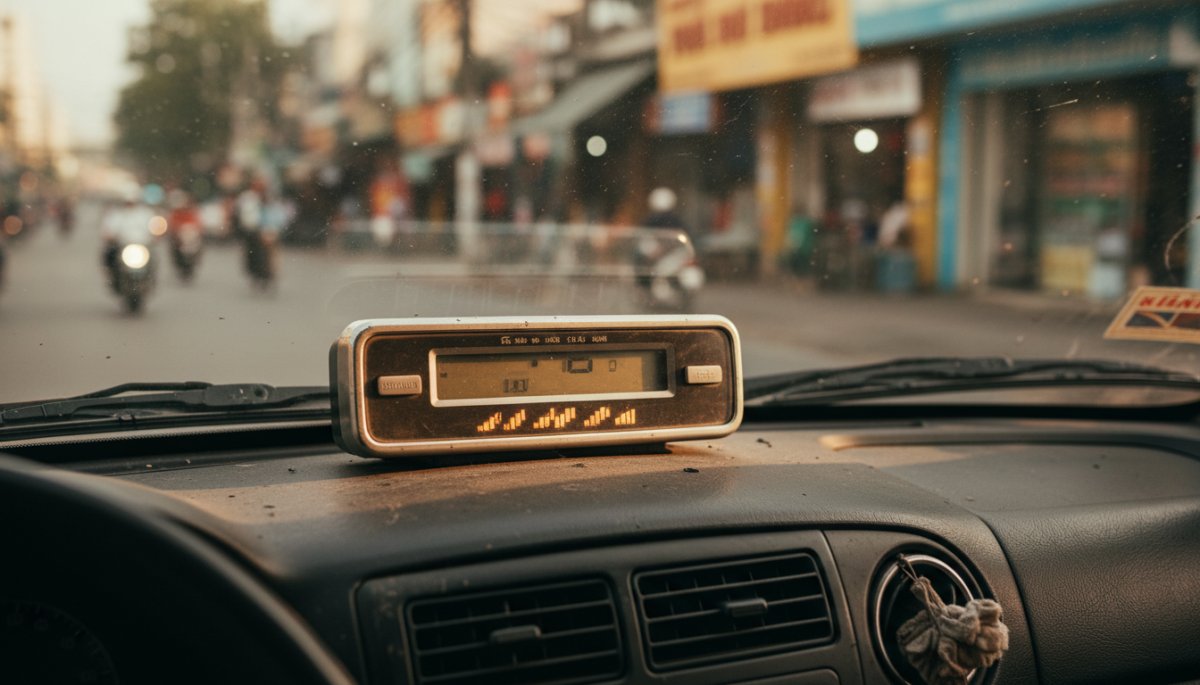
How taxi fares work
料金の感じ方は為替と距離で変わります。安いという印象より、VNDの桁、料金方式、追加料金を確認することが大切です。
初乗り、距離単価、最低料金は会社・車種・時期で異なり、旧稿の固定額や円換算は現在の保証になりません。乗車前に公式料金表またはアプリの内訳を確認し、通貨がVNDであることと桁数を見ます。
空港から市街地までの料金と所要時間は、ターミナル、目的地、渋滞、需要、料金改定、空港・有料道路料金で変わります。旧稿の固定額を交渉材料にせず、空港公式カウンター、ホテル送迎、配車アプリを比較し、乗車地点と追加料金を予約時に確認してください。
Sources NEWT, "A Guide to Taking Taxis in Vietnam: Fares, How to Hail One, and How to Book via App"created from
Be careful how you read the meter
There's a point at payment time that's easy to get confused about.
メーター表示の桁や単位は車両ごとに確認し、すべて「表示×1,000」と決めつけません。乗車時に初期表示と料金表を見て、降車時は運転者の口頭額だけでなくメーター、領収書、アプリ内訳を照合します。
With VINASUN and MAI LINH, taxis that accept credit cards are on the rise. Even so, there are times you can't avoid paying cash, so we recommend keeping small bills on hand. If all you have are large notes, you risk being shortchanged.
Avoiding rip-offs and other trouble
Common trouble scenarios
With the right knowledge, you can prevent trouble.
In overcharging cases, you may be billed far more than the fare you negotiated in advance, or pressured to tip when you get out. In meter-tampering cases, the driver may have rigged the meter to inflate the fare, or the meter may simply be broken, leaving you to pay whatever the driver demands. In detour cases, the driver deliberately takes the long way to your destination and charges you extra.
10 safety measures
Put the following measures into practice.
1. 料金方式を確認する:公式アプリ・料金表で固定料金かメーターか、空港・有料道路料金が含まれるか確認します。正規メーター車で不用意な個別交渉はしません。
2. Note the driver's name: Record the driver's name and vehicle number by memo or photo.
3. 手配記録を残す:予約画面、車両番号、時刻、乗降場所、領収書を保存します。無断録音・撮影は法令や安全面の問題があるため、相手を刺激してまで行いません。
4. Don't ride with taxis that tout for passengers: A taxi that approaches and calls out to you is often a white taxi (an unlicensed taxi).
5. Avoid paying in cash: Where possible, pay through the app to keep cash handling to a minimum.
6. Keep small bills ready: If all you have are large notes, you risk being shortchanged.
7. Check your destination on the app: Confirm your destination's location on the app so you're not taken on a detour.
8. 使えるシートベルトの車両を選ぶ:乗車前に後席ベルトを確認し、壊れている車両は可能なら乗らず再手配します。手すりにつかまることはシートベルトの代わりになりません。
9. 不安を感じたら安全な場所へ:走行中に飛び降りたり強く対立したりせず、営業中のホテル、商業施設など人とスタッフのいる場所で停車を求め、アプリの緊急機能や支援先を使います。
10. 降車時に車内を確認:座席、足元、ドアポケットを見ます。忘れ物の返却可否は一律ではないため、予約履歴、車両番号、領収書を使い、すぐ事業者へ連絡します。
What to watch for when riding with children
Extra care is needed on family trips.
大人の膝抱きは衝突時に子どもを守れず、安全な代替策ではありません。必要な種類のチャイルドシートを使える車両・送迎会社を旅行前に予約し、年齢・身長・体重、取付方式、後席ベルトを確認します。用意できない場合は、移動計画や事業者を見直してください。現地法令も渡航時に確認します。
乗車前30秒の確認手順
- 公式アプリ・公式カウンター・ホテル経由で手配する
- 車種、色、ナンバー、運転者を予約画面と照合する
- 行き先の正式名称・住所・入口を現地語で表示する
- 固定料金かメーターか、追加料金と支払方法を確認する
- 後席のシートベルトを締め、子どもは適合する座席を使う
- 行程を共有し、アプリ外の車両・目的地変更には応じない
- 降車後も領収書と予約履歴を必要な期間保存する
トラブル時は正しさを証明することより、明るく人のいる場所へ移ることを優先します。安全にできる範囲で記録を残し、アプリ・タクシー会社・ホテル・警察へ相談してください。緊急機能や行程共有は、必要になってから探すのではなく出発前に一度開いておくと実際に使いやすくなります。
Summary: Enjoy a comfortable Vietnam trip with safe taxi use
With the right knowledge, taking taxis in Vietnam becomes a safe and comfortable way to get around.
By choosing trustworthy taxi companies (VINASUN, MAI LINH, Xanh SM) and making use of the Grab ride-hailing app, you can greatly reduce the risk of being ripped off. When you ride, don't forget to check the meter, note the vehicle number, and clearly communicate your destination. Know the typical fares and you'll be quicker to notice an unfair charge.
Never ride a white taxi, avoid taxis that tout for passengers, and keep small bills ready. Simply putting these basic measures into practice prevents most trouble. Even on your first trip to Vietnam, put the information in this article to use and you'll be able to take taxis with confidence.
In Ho Chi Minh City, Hanoi, or Da Nang — whichever city you're in — taxis are a reliable partner that keeps your trip comfortable. Take proper safety precautions and enjoy all that Vietnam has to offer.