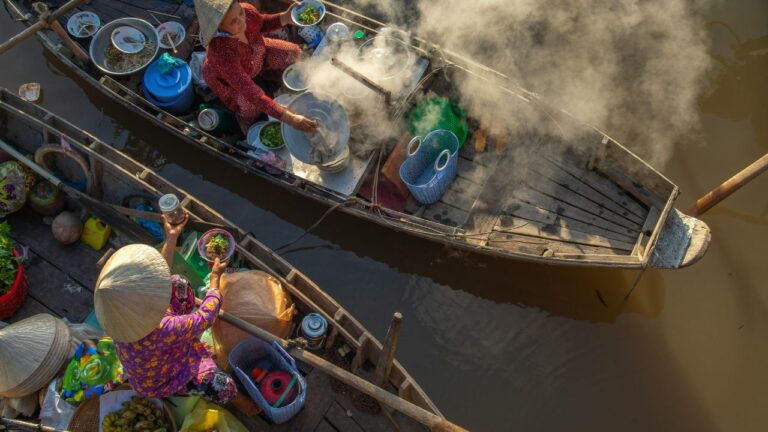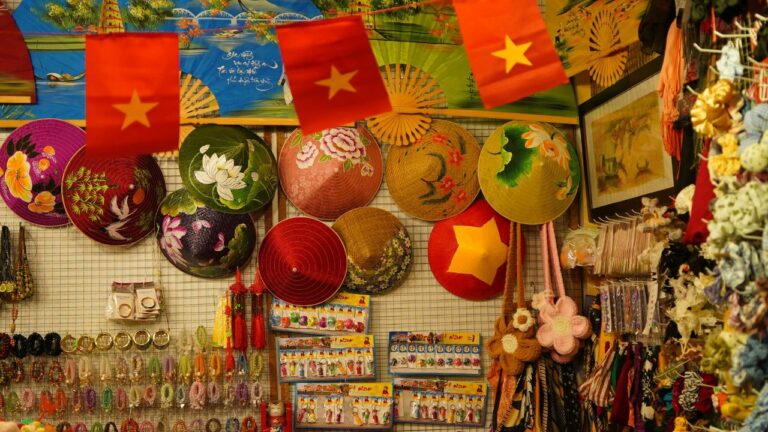
Amid continuing price rises, a popular destination as an easy overseas travel spot isVietnam.
But some of you may have questions like "is it really cheap?" and "how much does it differ from Japan?"
This article uses price examples from older drafts as a starting point to explain how to research the total cost at the time of travel, and to clarify which expenses can be trimmed and which are better left intact. We do not rely on "impressions from residents" that lack documented sources; instead, we base judgments on displayed prices and booking terms.
The reality of Vietnam's prices as felt by a resident
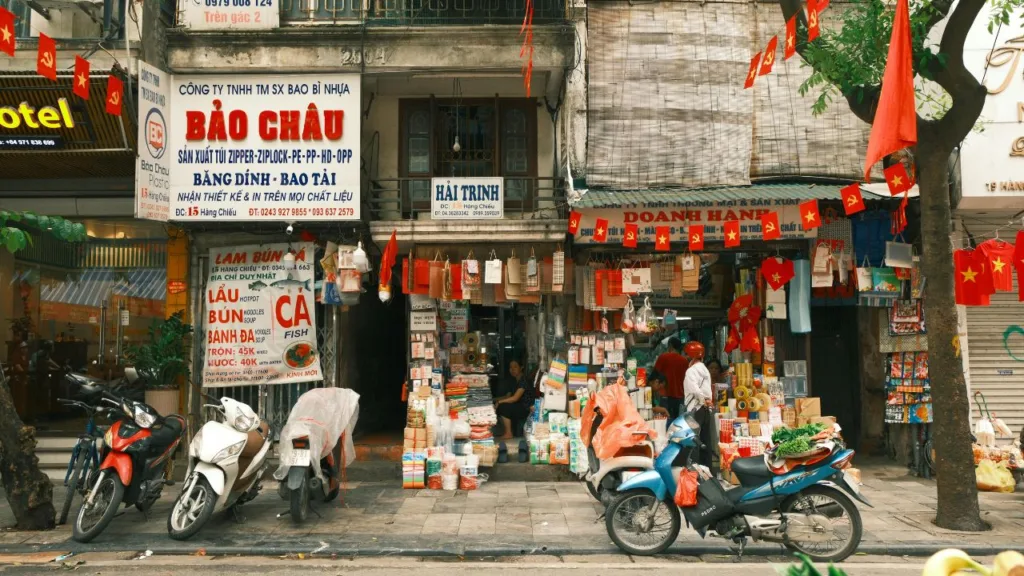
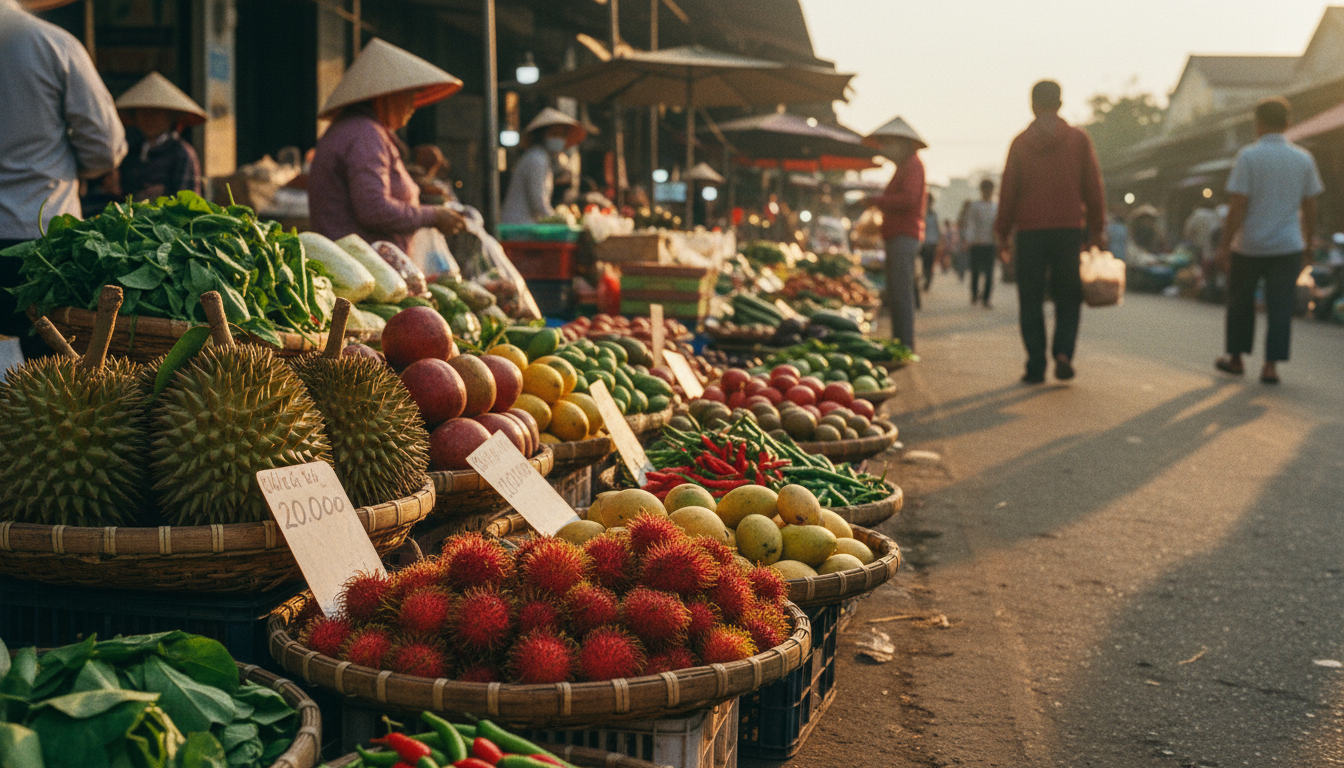
It is not accurate to say simply that "prices in Vietnam are one-third of Japan's." Price movements differ between local dining, imported goods, city centers, resorts, and public holidays, and yen-converted amounts also shift with exchange rates.
However, not everything is cheap; some things are cheap, while others feel the same as Japan or even more expensive.
And if you seek high quality in the hygiene and service of hotels and restaurants, you can't expect it to be cheap.
About Vietnam's economic growth
Prices cannot be explained by economic growth rates alone. Exchange rates, fuel and ingredient costs, labor costs, rent, tourism demand, taxes, and service charges all affect what travelers pay. Do not use a fixed growth rate or market growth rate as the basis for a travel budget; instead, check prices for the dates you will be traveling.
Source: On promising industries seen from Vietnam's current state and future trends
Vibrant Vietnam, with many young people in the prime of their working lives within its population.
Redevelopment and new commercial facilities can be seen in urban areas, but it is not possible to verify when or where the authors of older drafts made those observations. Estimate travel costs from booking screens, in-store menus, and official fares rather than from such impressions.
Examples of Vietnam's prices
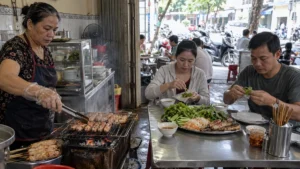
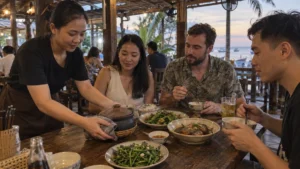
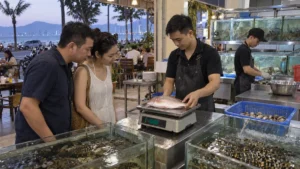
Water and local dishes tend to be cheap, but at tourist-oriented restaurants in urban areas the impression is that the going rate doesn't differ much from Japan.
You may come on a trip thinking you can eat your fill for a few hundred yen, only to find yourself thinking "it's more expensive than I imagined" because you prioritize quality and service.
Knowing the ballpark amounts in advance makes it easier to build a budget.
- Mineral water: 7,000–10,000 VND (about 42–60 yen)
- Phở: 40,000–70,000 VND (about 240–420 yen)
- A local massage: 200,000–400,000 VND (about 1,200–2,400 yen)
- Canned beer: 10,000–20,000 VND (about 60–120 yen)
- Coffee drunk at a café: 40,000–70,000 VND (about 240–420 yen)
- Lunch at a mid- to high-end restaurant: 200,000–500,000 VND per person (about 1,200–3,000 yen)
Hotel costs
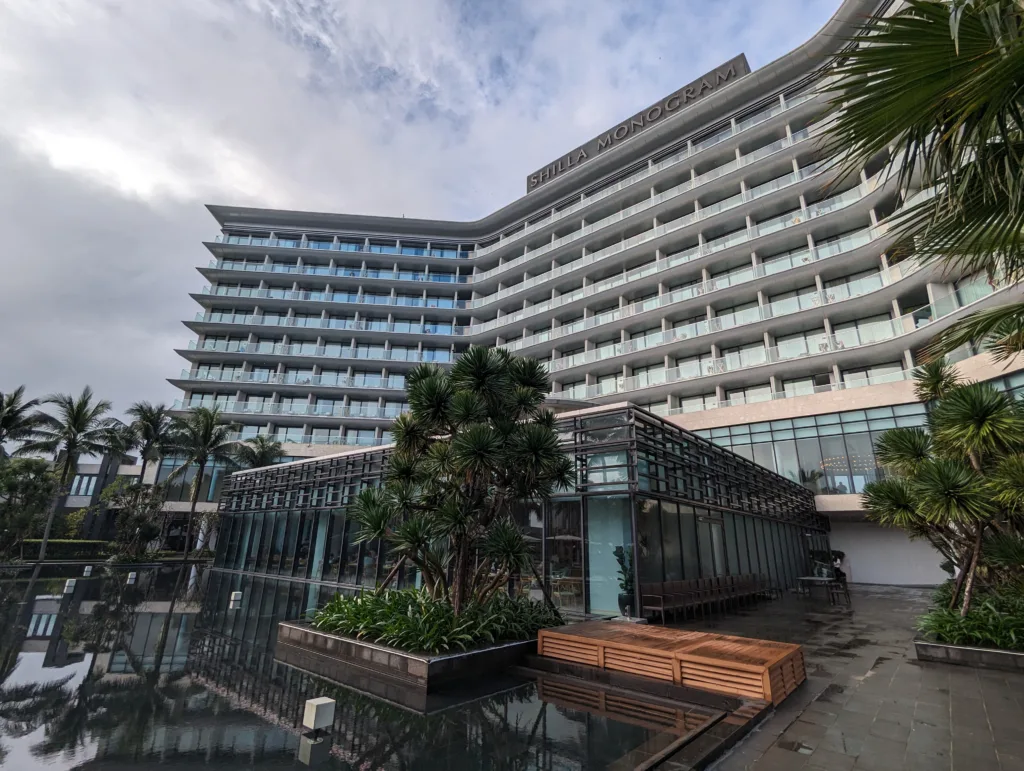
Unlike Japan, it's a system where you're charged per room. The allowed number of people per room is set, but compared with Japan, the hotel cost per person can come out cheaper.
Because it's a bargain compared with Japan, you can stay at a guesthouse to save on travel costs, or splurge on a luxury hotel and receive first-class service as a travel memory.
| Area | Grade | Price (1 night, 1 room, 2 people) |
|---|---|---|
| Da Nang | Guesthouse / hostel | Around 2,000–6,000 yen |
| 3- to 4-star hotel | Around 10,000–30,000 yen | |
| 5-star luxury hotel | Around 20,000–100,000 yen | |
| Hanoi | Guesthouse / hostel | Around 1,000–5,000 yen |
| 3- to 4-star hotel | Around 10,000–20,000 yen | |
| 5-star luxury hotel | Around 20,000–50,000 yen | |
| Ho Chi Minh City | Guesthouse / hostel | Around 1,000–5,000 yen |
| 3- to 4-star hotel | Around 15,000–20,000 yen | |
| 5-star luxury hotel | Around 20,000–40,000 yen |
Meal costs
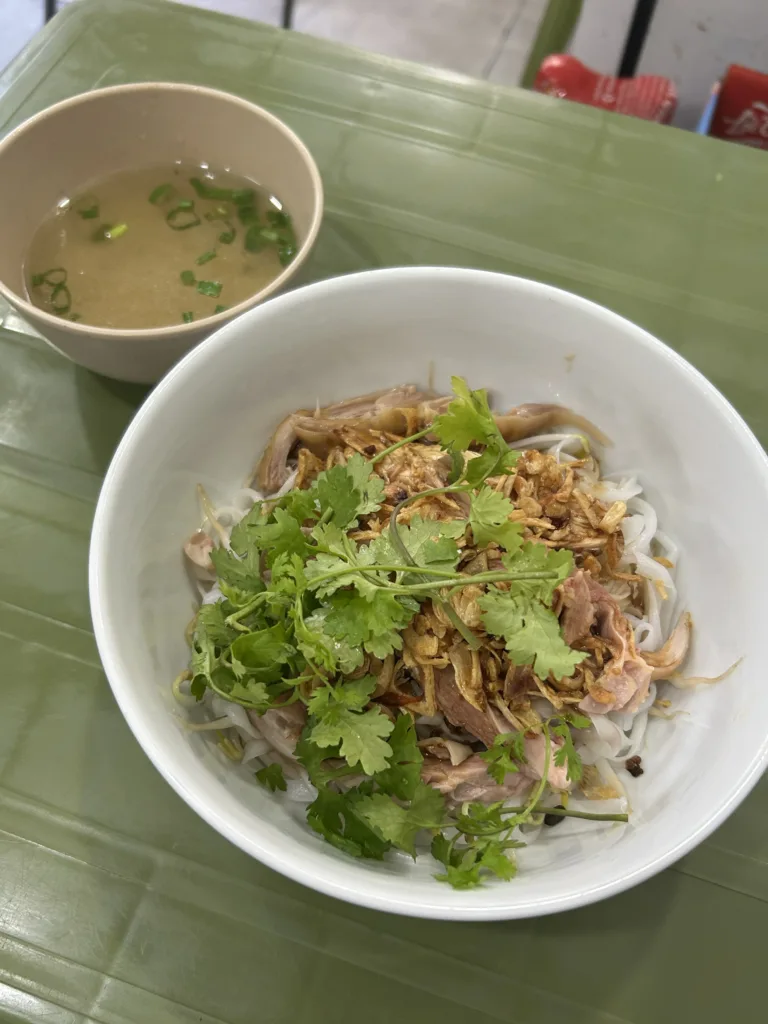
The figures below are examples from when the older drafts were written and are not a guarantee of current prices. They vary by city, establishment, ingredients, and taxes and service charges, so please check the total VND amount before your trip and before ordering.
The going rate for pho
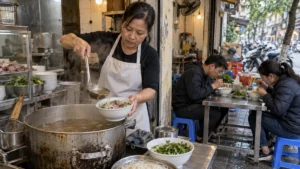
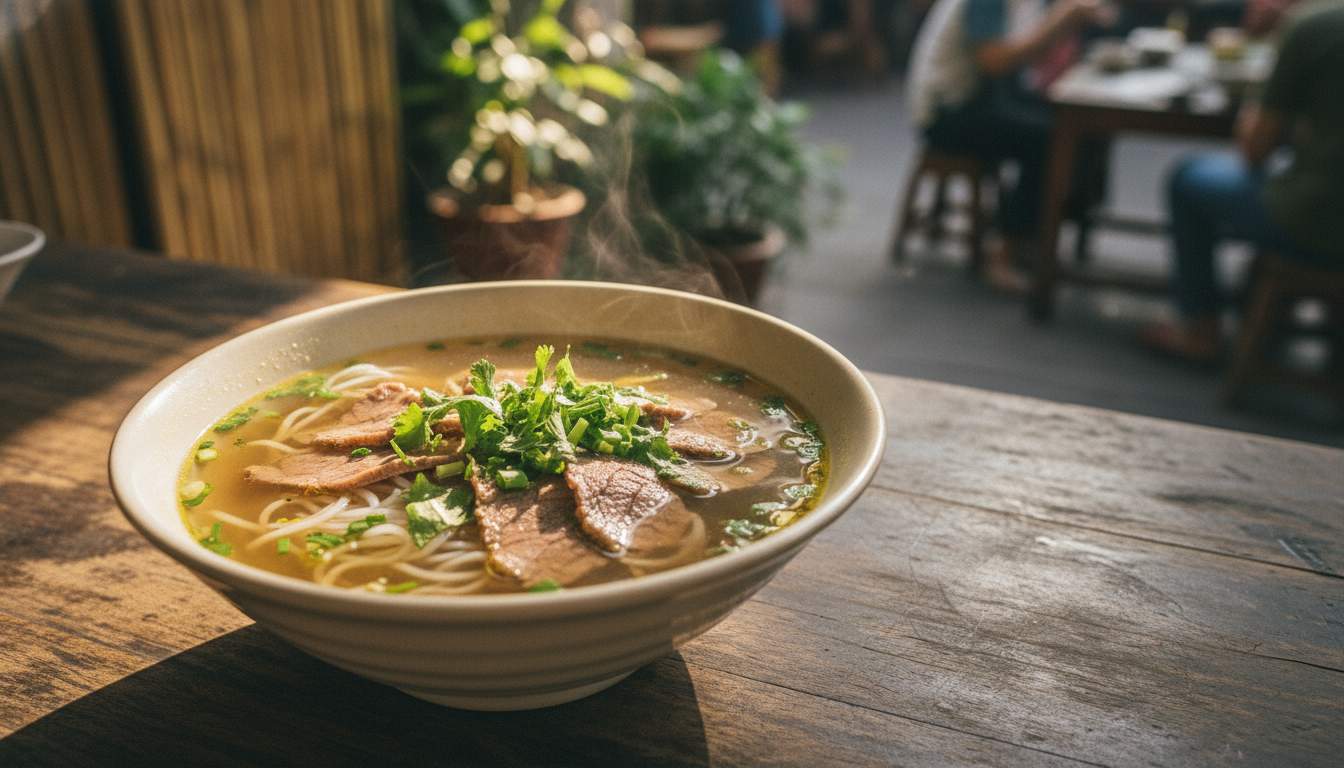
The going rate for pho differs depending on whether you eat it outdoors or at an air-conditioned restaurant that's easy for tourists to enter.
An older draft listed street-stall pho at 40,000–60,000 VND. Prices currently vary up and down depending on the establishment and ingredients, so prioritize the VND price displayed before ordering rather than treating this as a fixed rate.
An older draft listed establishments near tourist sites at 50,000–70,000 VND, but price is not determined solely by whether there is air conditioning. Check the menu prices, ingredients, and taxes and service charges.
Meal costs at a restaurant
An older draft listed mid-range lunches at 150,000–250,000 VND. If drinks, tax, and service charges are listed separately, the final bill will be higher, so estimate the total before ordering.
Japanese restaurants can be found in major cities, but fixed yen-denominated rates vary with exchange rates and each restaurant's price range. Check the VND menu and any additional charges.
Food and drink costs at a café
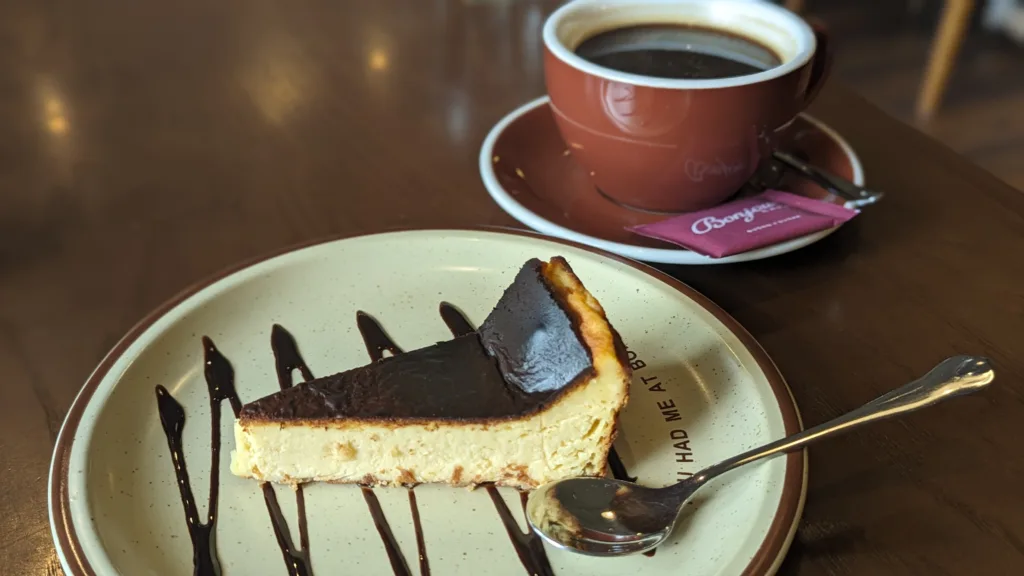
Cafés vary in price between street stalls, independent shops, hotels, and international chains. Rather than going by the impression that it is "the same as Japan," compare the VND price, portion size, and any conditions around table charges or minimum orders.
- Vietnamese coffee: 40,000–60,000 VND (about 240–300 yen)
- Italian-style coffee like lattes and cappuccinos: 50,000–70,000 dong (about 300–420 yen)
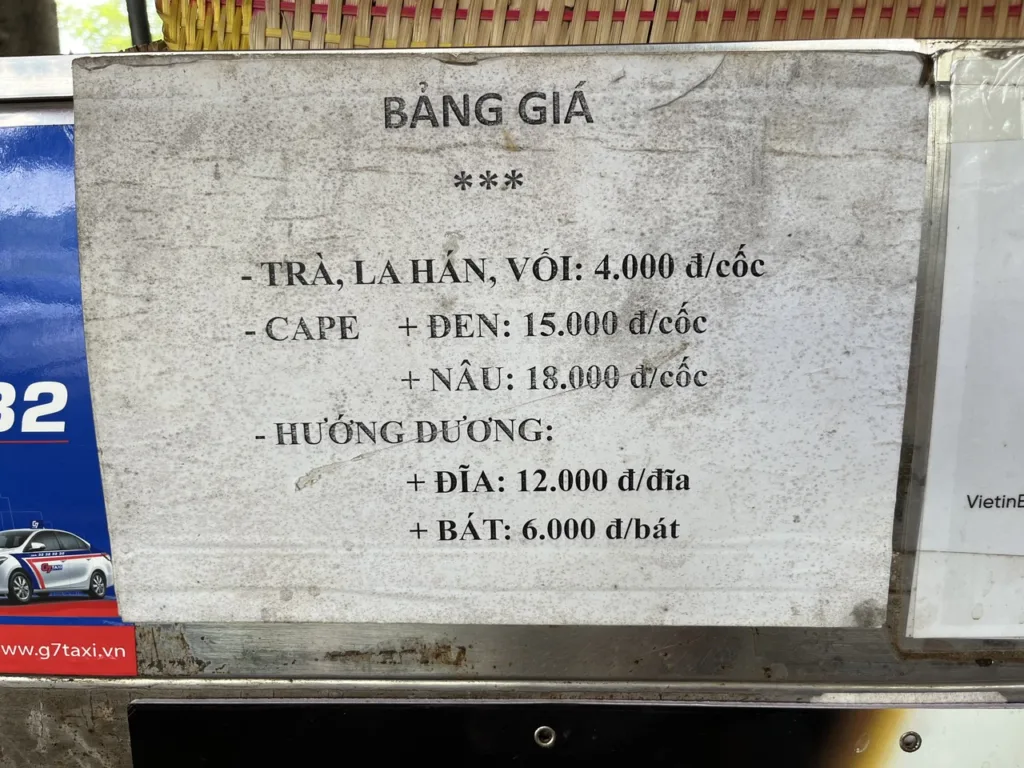
Roadside quán trà đá may be low-priced, but the 12,000–18,000 VND and 4,000–5,000 VND figures in older drafts are not a current guarantee. Ask the price in advance, and also pay attention to the hygiene of ice and water and the distance from traffic.

It's a high hurdle for travelers, but it's a place of respite for Vietnamese people.
Examples of food costs during a Vietnam trip
Food costs during a Vietnam trip vary greatly by plan. Eating at local stalls keeps it cheap, while tourist-oriented mid- to high-end restaurants add up.
At local stalls you may feel uneasy about hygiene. Disinfect yourself, or if you're worried about your health, avoid them.
A meal plan for the frugal
Setting a fixed daily limit of under 3,000 yen can leave you short when exchange rates, the number of meals, hygiene considerations, and allergy requirements are factored in. Build your daily food budget in VND—breakfast, lunch, dinner, and drinks—rather than in yen.
- Morning: pho at a stall, 50,000 VND (about 300 yen)
- Lunch: a local stall, 60,000 VND (about 360 yen)
- Break: a roadside tea shop, 5,000 VND (about 30 yen)
- Dinner: a local-style restaurant, 200,000–300,000 VND per person (about 1,200–1,800 yen)
Cleanliness cannot be judged by price alone. Check whether food is heated through, how ingredients are stored, customer turnover, and recent reviews, and avoid cutting food costs to the point of compromising safety.
- Morning: pho at an air-conditioned shop, 70,000 VND (about 420 yen)
- Lunch: a tourist-oriented Vietnamese restaurant, 200,000 VND (about 1,200 yen)
- Break: a café, 70,000 VND (about 420 yen)
- Dinner: a tourist-oriented Vietnamese or Japanese restaurant, 400,000–700,000 VND (about 2,400–4,200 yen)
Transportation costs
In Vietnam's major cities, taxis or buses are the main means of getting around. Taxis in particular are cheaper than in Japan and easy to hop into.
Taxi costs
For travelers, taxis are a convenient way to get around. Using a ride-hailing app like Grab lets you know the fare in advance, reducing the chance of falling victim to overcharging.
Ride-hailing fares vary not only by distance but also by demand, weather, time of day, vehicle type, airport surcharges, and toll roads. Rather than relying on a fixed per-5 km figure from an older draft, check the estimated fare shown before confirming the booking and verify the drop-off point.
Bus costs
You need to look up your destination and bus stop, but if you want to save on travel costs, buses are recommended.
Bus fares differ by city, route, payment method, and airport routes. Check the latest fare and boarding information from the transport operator, and prepare small-denomination notes or a compatible app.
Other costs incurred on a Vietnam trip
Souvenir costs
Souvenir budgets vary greatly depending on the number of people and items, and it cannot be stated definitively that 5,000 yen will be enough. Decide on a per-item limit multiplied by the number of people you are buying for, and also account for liquid and food import restrictions and checked baggage weight limits.
If your budget is limited, buying in bulk at local large supermarkets like Winmart and Lotte Mart can hold down costs.
- Instant Vietnamese coffee: 50,000–70,000 VND (about 300–420 yen)
- Instant pho and seasonings: 30,000–70,000 VND (about 200–420 yen)
- Dried fruit: 50,000–70,000 VND (about 300–420 yen)
- Bat Trang ware (when buying at a market): mug 120,000–150,000 VND (about 700–1,000 yen)
Communication costs
Essential for Vietnam travel is setting up a SIM. There's the method of buying a SIM card at the airport and the method of buying and setting up an eSIM in advance in Japan.
The price, data allowance, and validity period of eSIMs and physical SIMs vary by provider. Compare how speed is handled after the daily limit (e.g., "5 GB per day"), tethering availability, activation deadlines, identity verification requirements, support, and your device's SIM lock status.
Hotel and café Wi-Fi is convenient but not always available, and you should avoid sending sensitive information over public networks. Use a trusted connection for banking, payments, and password changes, and turn off auto-connect and file sharing.
At Vietnamese cafés, the Wi-Fi password is often written on the receipt. If it isn't, ask a staff member.
Practical techniques for saving smartly
For those who want to hold costs down further, we introduce concrete money-saving techniques.
Aim for the off-season
| Area | Cheap periods | Expensive periods |
|---|---|---|
| Hanoi | May–August (excluding Golden Week and summer vacation) | Long holidays such as Golden Week and year-end/New Year |
| Da Nang | September–February (excluding summer vacation) | Long holidays such as Golden Week and year-end/New Year |
| Ho Chi Minh City | May–October (excluding Golden Week and summer vacation) | Long holidays such as Golden Week and year-end/New Year |
Even during the rainy season, prices vary by area, public holidays, events, weekends, and typhoons, so it cannot be assumed that "all areas are cheap." Rather than deciding based on low prices alone, weigh the risks of flooding, flight cancellations, sea conditions, and tourist facility closures against flexible booking terms.
Demand may increase during public holidays and major events, but prices do not necessarily spike. Check Vietnamese public holidays, Tet, and events at your destination for the year you are traveling, and compare on a like-for-like basis.
Also, Japan's year-end and New Year period sees more tourists from other countries too, so it's better avoided.
Actively use local shops
Choose local shops that locals frequent rather than tourist-oriented restaurants. Just pay ample attention to hygiene.
For souvenirs, the same product can sometimes be bought cheaper at supermarkets than at souvenir shops in tourist areas.
3 steps to building a travel budget
- Fixed costs before departure:Total up flights, accommodation, insurance, visa requirements, airport transfers, and communications including taxes and fees
- Daily variable costs:Add up meals, drinks, local transport, and admission fees in VND, and prepare two scenarios—budget and comfortable
- Contingency fund:Set aside 15–20% of the total as a separate reserve for exchange rate fluctuations, surge pricing on ride-hailing, medical expenses, and change fees
Update yen conversions using the exchange rate on the day you plan and your card's foreign transaction fee. If a card terminal or ATM displays a yen-denominated conversion (DCC), check the rate and any additional costs and compare it with paying in VND. We do not recommend cutting costs to the point of eliminating safe drinking water, travel insurance, nighttime transport, or necessary medical care.
Summary
If you skillfully use local shops, stalls, buses, and the like on a Vietnam trip, you can enjoy travel while holding down food and transportation costs. On the other hand, hotel, meal, communication, and souvenir costs vary greatly by area and travel style, so it's important to know the going rates in advance.
Aiming for the off-season and skillfully using supermarkets and local shops lets you save without lowering satisfaction.
For where to arrange flights, hotels, and phone/data plans, seeVietnam travel bookings summaryyou can check them in the order you'll need to prepare before departure.
Plan a Vietnam trip that suits you while considering the balance of budget and comfort.