On the night of September 11, 2026, a ten-day cultural festival opened centered on Hoang Thanh Thang Long (the Imperial Citadel of Thang Long), Hanoi's World Heritage site. “Thang Long Hanoi Festival 2026” runs through September 20, with venues split across four locations: the Citadel, the Hanoi Museum, Bat Trang pottery village, and the Temple of Literature. Falling right alongside the Mid-Autumn holiday, this is an event worth rearranging your evenings for if you're a traveler or resident in Hanoi during this period.
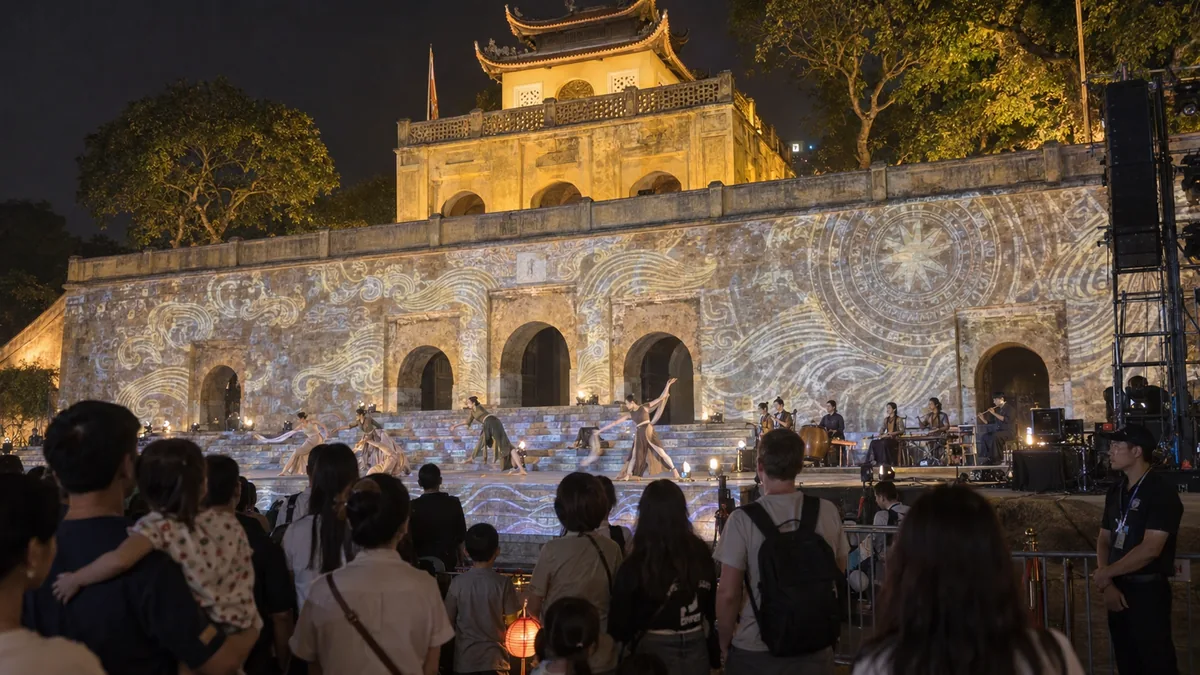
September 11: projection mapping begins on the Citadel's stone steps
Opening night brought a stage that fused music, dance, and cutting-edge visual technology. The theme is “Dong chay di san” (the flow of heritage), aiming to retell, through a contemporary lens, the history this thousand-year-old capital has built up over time. The centerpiece, Hoang Thanh Thang Long, is the site of the imperial citadel that has been the political center of Hanoi since the Ly Dynasty in the 11th century, and it was inscribed as a UNESCO World Heritage Site in 2010. Projecting 3D light onto the walls of that old architecture to bring the court's memory to life is what drew attention.
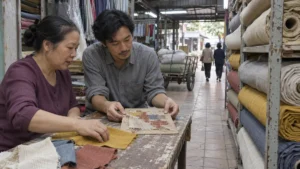
This edition is defined by how each venue plays a different role. The Citadel hosts the large-scale production, Bat Trang pottery village offers a program titled “Thanh am Gom” (the sound of ceramics) combining pottery experiences and sound installations, the Temple of Literature traces the context of scholarship and tradition, and the Hanoi Museum offers exhibits surveying the city's history. Rather than concentrating one festival in one spot, it's spread across the whole city to be experienced on the move.
Why layer a “heritage awakening” event onto the Mid-Autumn holiday?
The organizers cite protecting cultural heritage, promoting the cultural industry that turns that heritage into income and jobs, and cementing Hanoi's standing as a member of UNESCO's Creative Cities Network as the goals of this event. Compared with the 2025 edition, this year is said to have expanded in scale by adding more regional crafts and international elements.
There's a reason behind the timing, too. Vietnam's Mid-Autumn Festival (Tet Trung Thu) is a festival for families and children, the season of lanterns and mooncakes. Layer a major cultural production onto a period when the streets are already lit up and people are already out in the evening, and you draw both tourists and locals into the same nighttime hours. We touched on the Mid-Autumn buzz in Hanoi's Old Quarter in5 cafés for Mid-Autumn photos in Hanoi, even before the full moonbut this year an official large-scale program has been added on top of that.
How to cover four venues and make the most of the ten days
Hitting every venue in a limited stay is tough. The realistic approach for travelers is to experience the nighttime production at the main Citadel venue first, then pair it with either the craft village or the Temple of Literature during the day. Here's how the venues and content line up.
| Venue | Main content | Best time to visit |
|---|---|---|
| Hoang Thanh Thang Long (the Citadel) | Large-scale music, video, and 3D mapping production | Night |
| Bat Trang pottery village | “Sound of ceramics”: pottery experiences and interaction with artisans | Daytime |
| Temple of Literature | Exhibits and events tracing scholarship and traditional culture | Daytime |
| Hanoi Museum | Permanent exhibits surveying the city's history, plus related programming | Daytime |
The Citadel and Bat Trang pottery village are some distance apart from the city center. The Citadel is about a 10-minute drive from the Old Quarter, while Bat Trang pottery village sits on the southeast side across the Red River, so plan on 30–40 minutes each way. If you're visiting the craft village, heading out in the morning, getting back to the city by evening, and catching the Citadel's nighttime production at night makes for a smooth itinerary.
Points worth noting in this attempt to connect craft villages with contemporary expression
How this attempt should be judged comes down to how well it connects the production with the craft. Repainting the familiar Citadel with a light show creates an entry point even for people seeing the heritage site for the first time. Building the very process of firing pottery into the exhibit as “sound” at Bat Trang pottery village offers visitors a way to engage beyond passively looking on. For the craftspeople, it's a design that puts their handiwork at the center of the tourism experience, and it carries the meaning of shining a light on the production area itself.
On the other hand, spreading venues across the city leaves travelers with the burden of moving around and gathering information. First-time visitors to Hanoi especially need to check ahead of time which venue has what and when. Since the nighttime production may change content day to day, deciding which day you're aiming for before booking lodging and transport will reduce the chance of missing out.
What sets this event apart from a conventional museum tour is that it shifts heritage from something you “look at” to something you experience with your whole body. The light show sets the Citadel's walls in motion, while the craft village even folds the sound of pottery being fired into the artwork itself. Rather than quietly viewing history, it's built to let you take the atmosphere of the place home with you. The same heritage site gains an entry point for first-time visitors once it's filtered through a production like this.
What to keep in mind if you're heading to Hanoi during this period
Start with the schedule: the festival runs through September 20. Because it overlaps with the Mid-Autumn holiday, the area around the Citadel and the Old Quarter get especially crowded in the evening. If you're aiming for the nighttime production, arriving a little before sunset to secure a spot lets you enjoy it without feeling rushed. The evening crowds in the Old Quarter shift heavily by time of day, the same way they did onHanoi pho: lines stretched outside historic and Michelin-listed shops on National Day morningthe National Day morning we covered earlier
Next, since this event incorporates the craft village, it goes beyond simply watching an evening show. Watch pottery being made and take a piece home, and your travel souvenir turns into “something I saw being made.” If you'd rather experience Mid-Autumn itself in a different city,Hundreds of thousands turn out in Tuyen Quang for Mid-Autumn, with 129 giant lanterns and 500 places to stayshows there are Mid-Autumn spots outside Hanoi too. Pairing Hanoi's festival with other stops lets you cover northern Vietnam more thoroughly in September.
If it continues every year, Hanoi becomes a city that changes face with the seasons
It may look like a one-off event, but if this festival continues year after year and keeps adding regional crafts and international elements, Hanoi will gain depth, moving from “a city you walk through the Citadel and Old Quarter” to “a city whose cultural program changes with the season.” Formally weaving the craft village into the tourism route is also an attempt to connect artisans' income to tourism. For travelers, it adds one more option: the same Hanoi offering a different experience depending on the season you visit. If you're planning a trip to the north in September, these ten days are worth building your itinerary around.
Basic information
The festival runs September 11–20, 2026. The main venue is Hoang Thanh Thang Long, with events spread across Bat Trang pottery village, the Temple of Literature, and the Hanoi Museum. The large-scale nighttime production is centered at the Citadel.