![]()
The key to understanding Vietnam's climate lies in the "north-south difference"
When planning a trip to Vietnam, many people face a question.
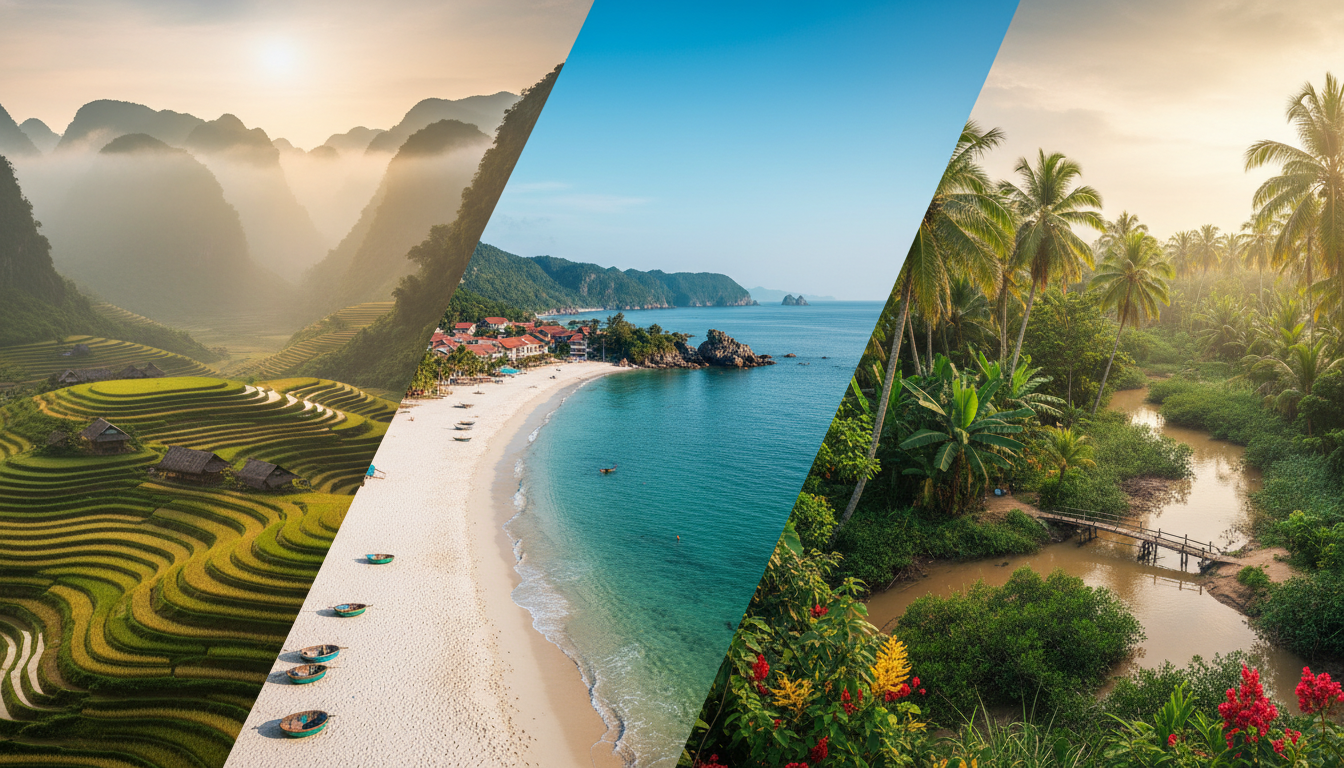
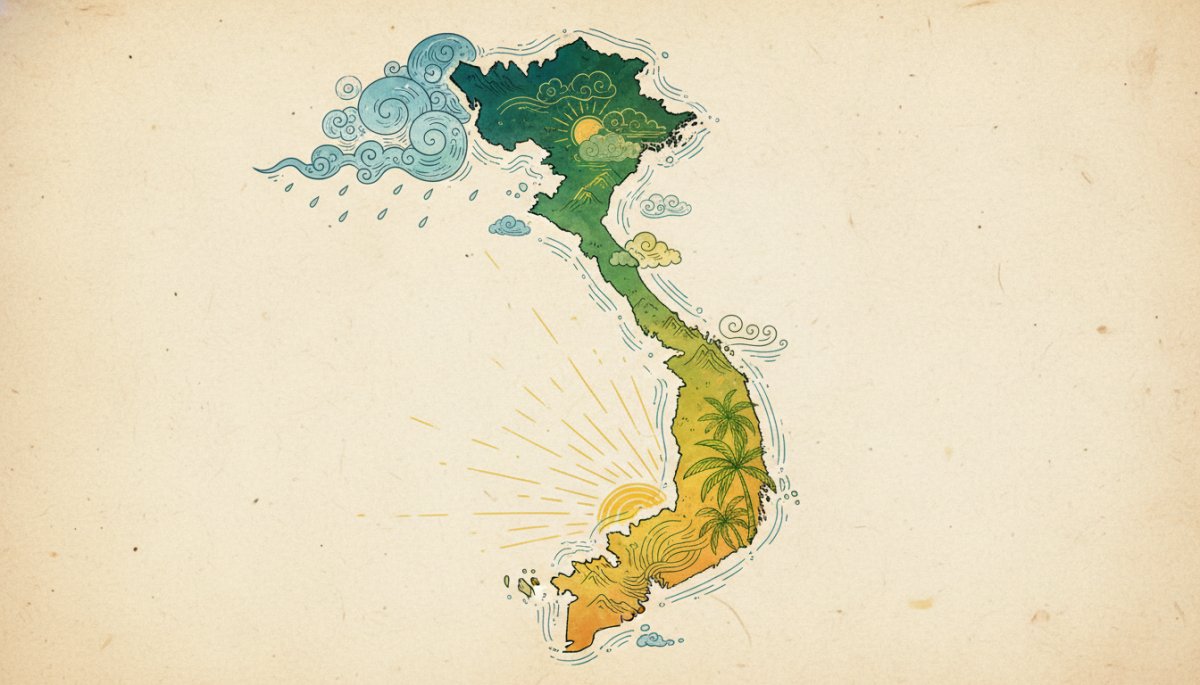
"When should I go to spend it comfortably?" "Should I avoid the rainy season?" The answers to these questions are actually hidden in the geographic characteristics of the country of Vietnam. Vietnam, stretching about 1,650 km from north to south, is a single country yet has completely different climate patterns by region. In northern Hanoi there's something like four seasons, and in winter it can even drop below 10°C. Southern Ho Chi Minh City, on the other hand, is hot and humid all year, with barely any felt seasonal change.
This climate diversity is exactly the factor complicating a Vietnam trip's planning. But flipped around, it also means that if you appropriately choose the timing and region of your visit, a comfortable trip is possible somewhere all year round.
Different rainy and dry season patterns in the north, center, and south
The climate pattern of the north (around Hanoi)
The north belongs to a subtropical climate, with gentle four seasons.
The dry season is November to April, and especially November to December has low rainfall and is a comfortable time. The temperature is around 20°C, and mornings and evenings can feel a bit chilly. January to February is coldest, with lows dropping to around 10°C, so light warm clothing is needed. The rainy season is May to October, with July and August having the most rainfall. During this period the temperature rises to around 33°C, and muggy heat continues. A feature of the north is the large temperature swing throughout the year. There's a temperature difference of over 20°C between winter and summer, so you need to change your clothing preparation greatly by season.
The climate pattern of the center (Da Nang, Hue, Hoi An)
The center is a region where the northern and southern climates intersect and has a distinctive climate pattern. The dry season is February to July, with many clear days during this period, ideal for sightseeing. March to May especially is comfortable, with temperatures around 25 to 28°C. The rainy season is August to January, and September to December especially has very high rainfall.
The central rainy season differs from the north and south in that rain like Japan's plum-rain season, damp and lingering, continues for long stretches. Also, August to September is typhoon season, so travel during this period needs caution. If you visit the center, we recommend March onward, the start of the dry season, but July and August get very hot, so you need to fully prepare against the heat.
The climate pattern of the south (around Ho Chi Minh City)
The south belongs to a tropical monsoon climate, hot and humid all year. The average temperature is about 27°C, with relatively small temperature change throughout the year. The dry season is November to April, a season with little rain and cooler temperatures. December to March especially is the most comfortable and considered the best season for sightseeing.
The rainy season is May to October, with frequent short-lived squalls. April to May, before the rainy season, is the hottest, with highs sometimes exceeding 35°C and high humidity giving a clammy heat. A feature of the southern rainy season is that rather than raining all day, a fierce squall falls in the afternoon or evening, after which it often clears up. So sightseeing is quite possible even in the rainy season, but preparing a folding umbrella or a raincoat is essential.
Sources Vietnam roundup site, "Vietnam climate"created from
How to choose the best season by region
If you visit the north, autumn is best
The north's best season is October to December. During this period the temperature is around 18 to 28°C, comfortable to spend. Rainfall is low with many clear days, making it ideal for enjoying natural scenery like Ha Long Bay and Sapa. Autumn especially is a beautiful season when the rice-growing regions ripen and the scenery turns golden.
Spring, March to April, isn't bad either, but there's occasional light rain and some slightly chilly days. Summer, May to October, is muggy with a lot of rain, so it's safest to avoid. Winter, December to February, has severe cold, and in mountainous areas you can even experience snowfall. Not suited to those who dislike the cold, but recommended for anyone who wants to enjoy fog-shrouded, dreamlike scenery.
The central beach resorts are best from spring to summer
The center's best season is March to August. During this dry season you can fully enjoy the beaches of Da Nang and Hoi An. The temperature is 25 to 35°C, with conditions perfect for swimming and marine sports. March to May especially has just-right temperatures and relatively few tourists, so you can spend it leisurely.
July and August are the hottest, but there's no problem enjoying a beach resort. However, since the sunlight is very strong, UV protection is essential. September to February is the rainy season, and September to December especially has very high rainfall. This period also has typhoon risk, so it's wise to avoid travel to the center.
The south is comfortable in the dry season, December to March
The south's best season is December to March. During this period there's little rain, and with temperatures around 31°C it's relatively comfortable. Humidity is lower than in the rainy season too, letting you comfortably enjoy sightseeing and shopping. It's the ideal time for sightseeing in Ho Chi Minh City, of course, and also for trips to the Mekong Delta and Phu Quoc Island.
April to May is very hot with high humidity, which can feel physically tough. The rainy season, May to November, allows sightseeing too, but you need to prepare for afternoon squalls. That said, the rainy season has fewer tourists and hotel rates tend to be cheaper, so there are benefits for those wanting to keep the budget down.
Sources Vietnam Airlines, "The best season to travel to Vietnam and what you can enjoy there…"created from
You can enjoy it even in the rainy season! Tips for smart travel planning
Making the most of the rainy season's benefits
Many people may think the rainy season should be avoided. But the rainy season has big benefits too. First, with fewer tourists, you can sightsee leisurely even at popular spots. Hotel and tour rates are often cheaper than the dry season, keeping the budget down.
Also, rainy-season rain doesn't fall all day; in the south especially, a fierce squall falls for just a few hours in the afternoon, after which it often clears up. Making good use of the morning hours lets you fully enjoy sightseeing. Furthermore, the rainy season is when the greenery is lush and the scenery becomes beautiful. The northern terraced fields and the central rural scenery especially let you enjoy vivid greenery unique to the rainy season.
What to prepare for rainy-season travel
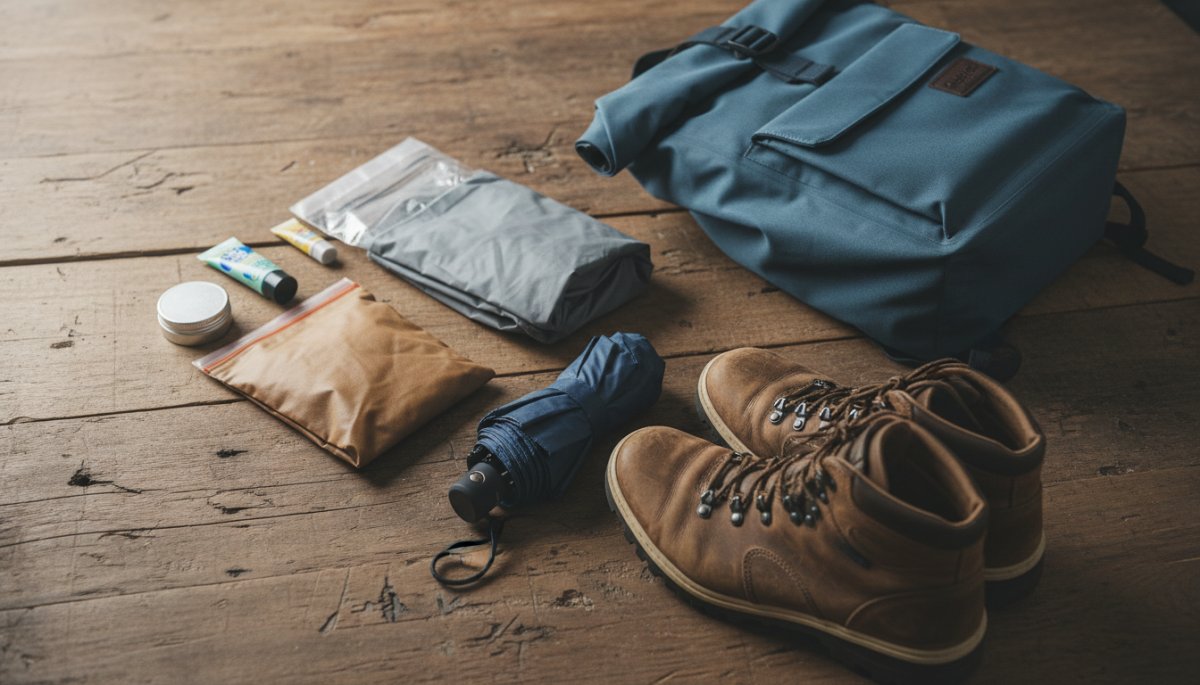
For a rainy-season Vietnam trip, there are several must-have items. A folding umbrella is essential, but it may not fully handle a sudden fierce squall. So bringing a lightweight raincoat or poncho too gives peace of mind.
Choose waterproof shoes. Even sneakers or sandals are ideal if they're waterproofed. Since rain-wet roads are slippery, choosing shoes with non-slip soles is important too. Also, waterproof bags and zip-locks to protect valuables come in handy. Putting electronics like smartphones and cameras in waterproof cases gives peace of mind.

Incorporate indoor sightseeing spots
For rainy-season travel, it's wise to build indoor sightseeing spots into your plan. Vietnam has many appealing museums and art galleries. The War Remnants Museum in Ho Chi Minh City and the Vietnam Museum of Ethnology in Hanoi are places to deeply understand Vietnam's history and culture.
Also, shopping malls and cafe-hopping are one way to enjoy a rainy day. Vietnam's cafe culture is highly developed, and time spent leisurely enjoying coffee while listening to the sound of rain stays in the heart as a travel memory. Soothing the day's fatigue at a spa or massage is another way to spend a rainy day. Precisely because it's the rainy season, you can use your time in a leisurely way.
Practical points for choosing clothing and coping with the climate
The basics of clothing by region and season
Choosing clothing for a Vietnam trip changes greatly by the region and timing you visit. Basically, light clothing is fine, but there are a few points to note. The south is hot all year, so breathable T-shirts, sleeveless tops, and shorts are suitable. However, since air conditioning is often strong indoors, bringing a thin cardigan or stole is handy.
The north requires changing clothing by season. In summer, light clothing is fine as in the south, but in winter long-sleeved shirts and a jacket, and sometimes a sweater, are needed. Especially when visiting mountainous areas, don't forget to bring warm clothing. The center adjusts clothing between the dry and rainy seasons. Light clothing is fine in the dry season, but in the rainy season choosing quick-drying materials is comfortable.
UV protection and heat protection are essential
Vietnam's sunlight is very strong, and UV protection is needed all year. A hat, sunglasses, and sunscreen are must-have items. Especially during the day in the dry season, intense sunlight beats down, so make a point of resting in the shade frequently.
Heat protection is important too. Hydrate frequently to prevent heatstroke. In Vietnam bottled water is available cheaply, so we recommend always carrying it. Also, don't forget to replenish salt. Vietnamese food contains relatively much salt, so you can replenish it naturally through meals, but after sweating a lot, consciously take in salt.
Clothing etiquette when visiting temples and sacred places
Vietnam has many temples and sacred places, and when visiting you need to be mindful of clothing etiquette. Choose modest clothing and wear something long enough to cover the shoulders and knees. Avoid tank tops and short pants; long-sleeved shirts, long pants, and long skirts are suitable.
Since there are many places where you take off your shoes to enter, choosing easy-on, easy-off shoes is convenient. Also, taking off hats and sunglasses inside buildings is the etiquette. Being mindful of clothing that respects the local culture lets you touch Vietnam's culture more deeply.

Summary: find the ideal travel timing for you
Vietnam's rainy and dry seasons differ greatly by region. The north's dry season is November to April, with the autumn of October to December especially the best season. The center's dry season is March to August, the ideal time to enjoy beach resorts. The south's dry season is December to March, the most comfortable time to spend.
But there's no need to give up on travel just because it's the rainy season. The rainy season has benefits like fewer tourists and cheaper rates. With appropriate preparation and planning, you can fully enjoy Vietnam even in the rainy season. Bring a folding umbrella, a raincoat, and waterproof shoes, and build indoor sightseeing spots into your plan too.
Choosing clothing is an important point too. Prepare clothing to match the region and season, and fully prepare UV and heat protection. When visiting temples and sacred places, be mindful of modest clothing, and an attitude of respecting the local culture is important.
Vietnam is a country where you can travel comfortably somewhere all year round. Choose the ideal timing and region to match your travel style and purpose. I hope your 2026 Vietnam trip becomes an unforgettable memory. Now, start planning your Vietnam trip right away!