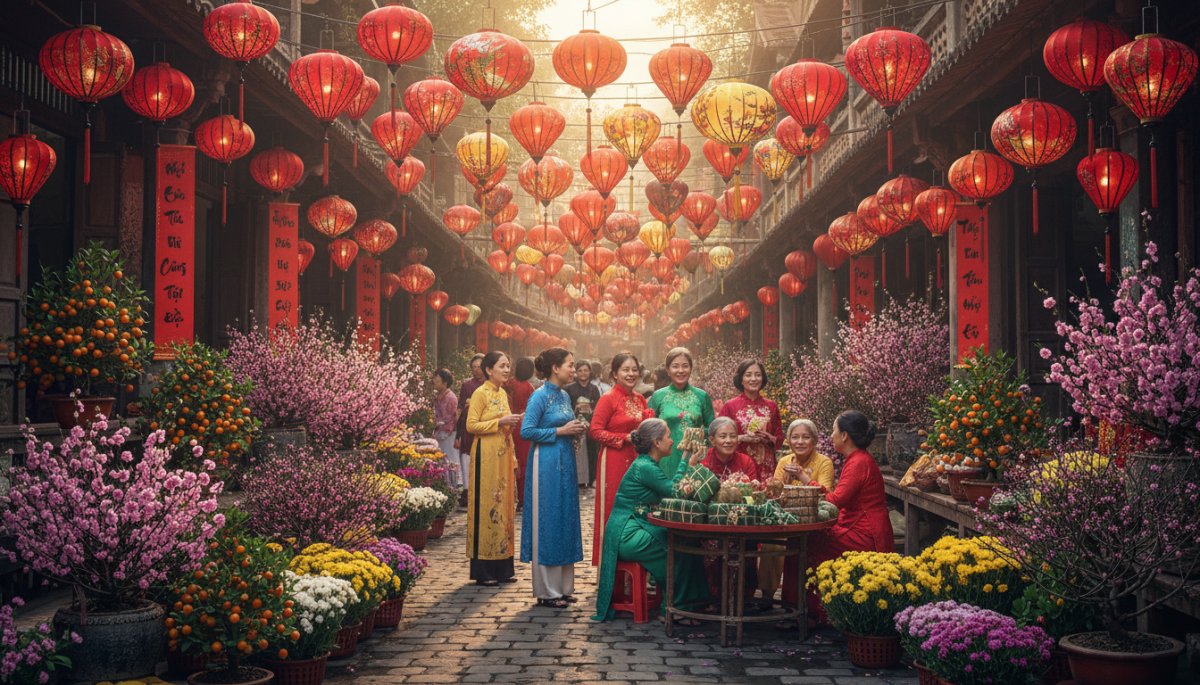
What is Tet? Getting to know Vietnam's biggest holiday
Vietnam's Tet.
Some may have heard the word. Tet refers to the Lunar New Year in Vietnam, the most important festival of the year for Vietnamese people. It's celebrated far more grandly than January 1 on the solar calendar, with the whole country wrapped in a festive mood.
The first day of the lunar new year in 2026 falls onFebruary 17. The government has announced that the holiday for civil servants and government agencies will runfor nine days, from February 14 to 22. Private companies, however, set their own schedules based on their operations, so not every workplace or shop will have the same nine consecutive days off. During this period, many Vietnamese people return to their hometowns to celebrate the new year with their families.
Tet is a valuable chance to touch the heart of Vietnamese culture. For travelers, however, it's also a time that calls for caution. Many shops close, transportation gets crowded, and prices rise. When visiting Vietnam at this time, advance preparation and understanding are essential.
What the city is like during Tet, and points to note
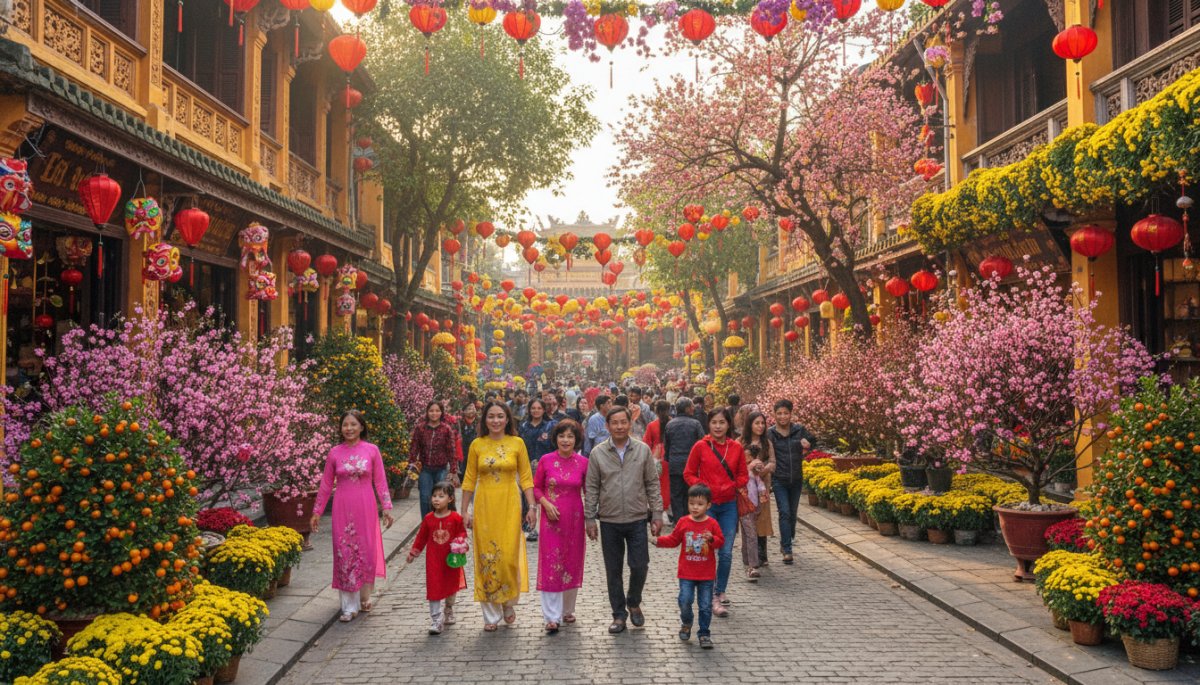
Many shops close
During Tet, many privately run restaurants and shops close.
During the first three days of the new year in particular, even large shopping centers may be closed. Government-related facilities, museums, and markets also close, so it has a major impact on sightseeing. Even major tourist spots like Ben Thanh Market may close, so it's important to check opening status in advance.
Crowded transportation and traffic jams
Around Tet, transportation is extremely crowded with the rush to return home. It's not unusual for bus and train tickets to sell out two to three weeks in advance. In big cities like Hanoi and Ho Chi Minh City, major roads see heavy traffic jams, especially from New Year's Eve to New Year's Day. Around Hoan Kiem Lake and on Nguyen Hue Street, you can sometimes be unable to move for motorbikes and cars.
It's wise to allow plenty of time to get around, or to consider strolling on foot.
Rising prices
The claim that "everyone's salary is tripled during Tết" is not accurate. There are statutory provisions for premium pay when working on public holidays, but regular wages do not simply become three times higher across the board. Some establishments do add surcharges due to labor costs, higher demand, and staff shortages, but it is more accurate not to attribute price increases to the law alone. Restaurant and shop prices, as well as transportation costs, tend to be higher than usual. For example, buses from Ho Chi Minh City to Hanoi can cost roughly twice the normal fare. Hotels also fill up quickly and rates rise, so extra caution is needed if you plan to look for accommodation on the spot.
Ways to enjoy Tet unique to the season
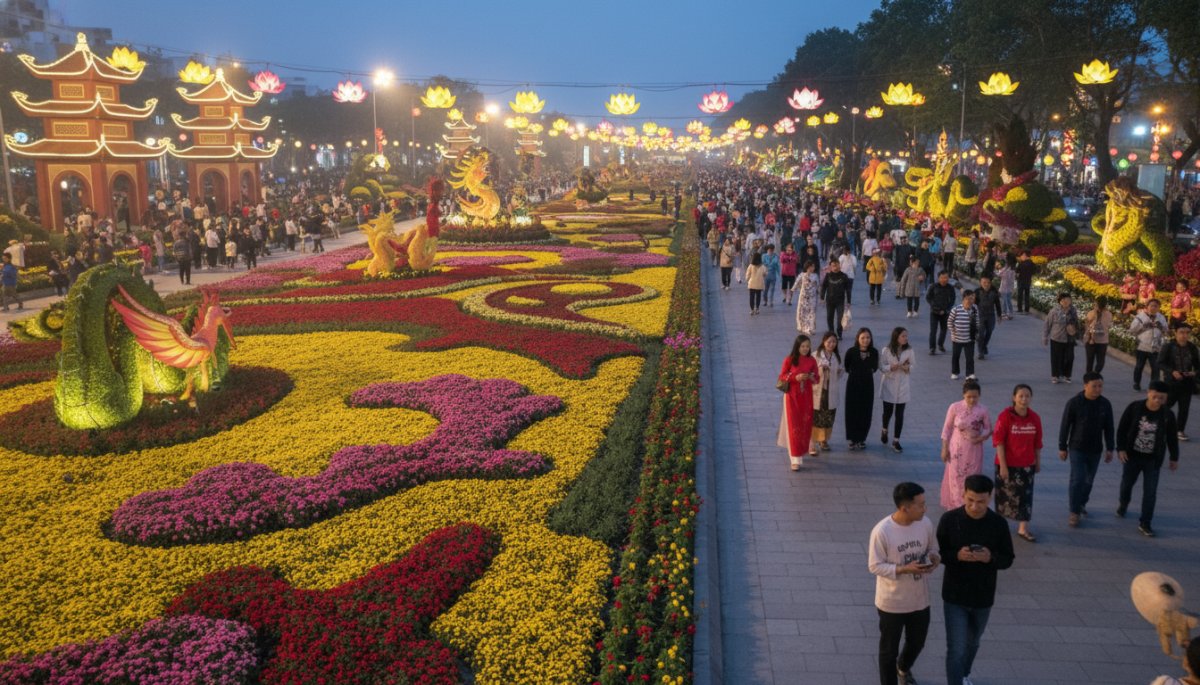
Enjoy the Flower Road
The biggest highlight during Tet is the Flower Road!
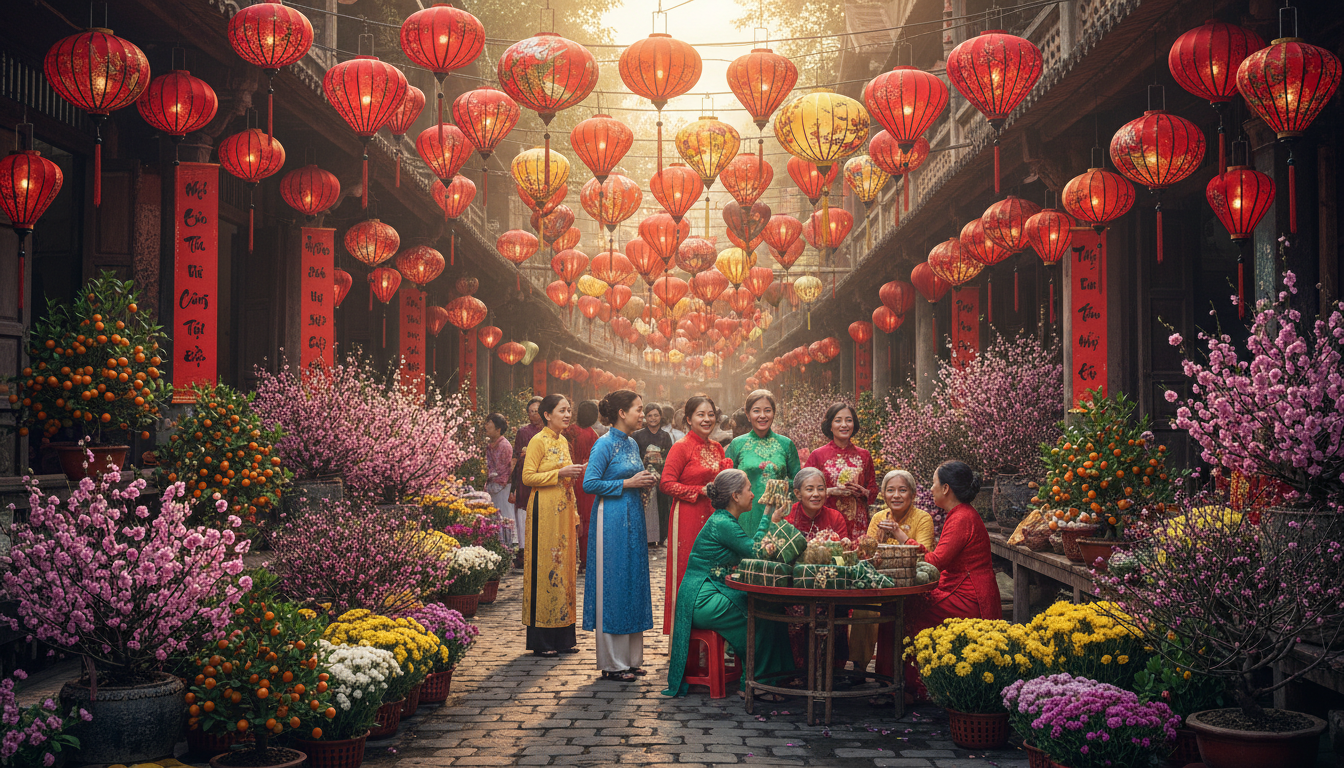
In major cities—Nguyen Hue Street in Ho Chi Minh City, around Hoan Kiem Lake in Hanoi, Bach Dang Street in Da Nang, and more—streets decorated with colorful flowers appear. Nguyen Hue Street in particular has a single stretch from the People's Committee building to the Saigon River filled with vivid flowers. At night it's lit up, letting you enjoy a magical atmosphere.
Many local Vietnamese people visit too, so you can experience a lively atmosphere. Stalls and street vendors line up, bustling with people taking commemorative photos. Food art—artistic works made with ingredients—is also displayed, and you can admire magnificent pieces by chefs from luxury hotels.
Experience traditional events
On New Year's Day, the sound of drums and gongs rings through the streets. Lân and kỳ lân dancing (múa lân) is a performance in which dancers wear lion or kỳ lân heads and costumes and move to the beat of drums and gongs. Rather than assuming fixed details such as "boys in yellow costumes," follow the information provided at each venue—temples, shops, events, and so on. This is a cultural experience unique to Tết.
Temples get very crowded with Vietnamese people visiting for their first prayers of the year. Places like Hanoi's Ho Chi Minh Mausoleum also bustle with many worshippers. It's a valuable chance to touch Vietnam's culture of faith.
Savor Tet's traditional dishes
Tet has special dishes.Banh chungis a representative northern Tết dish made by wrapping glutinous rice, mung beans, pork, and other ingredients in leaves and cooking them. In the south, the cylindrical bánh tét is also commonly seen. How families spend the holiday and what they eat varies by region, household, and religion, so it would be an overgeneralization to say that "everyone eats at their grandparents' house."
Othergio lua(Vietnamese-style sausage) andmut(candied fruit) and other auspicious foods line the table. These dishes can sometimes be savored at restaurants and markets open during Tet.
Recommended ways for tourists to spend Tet
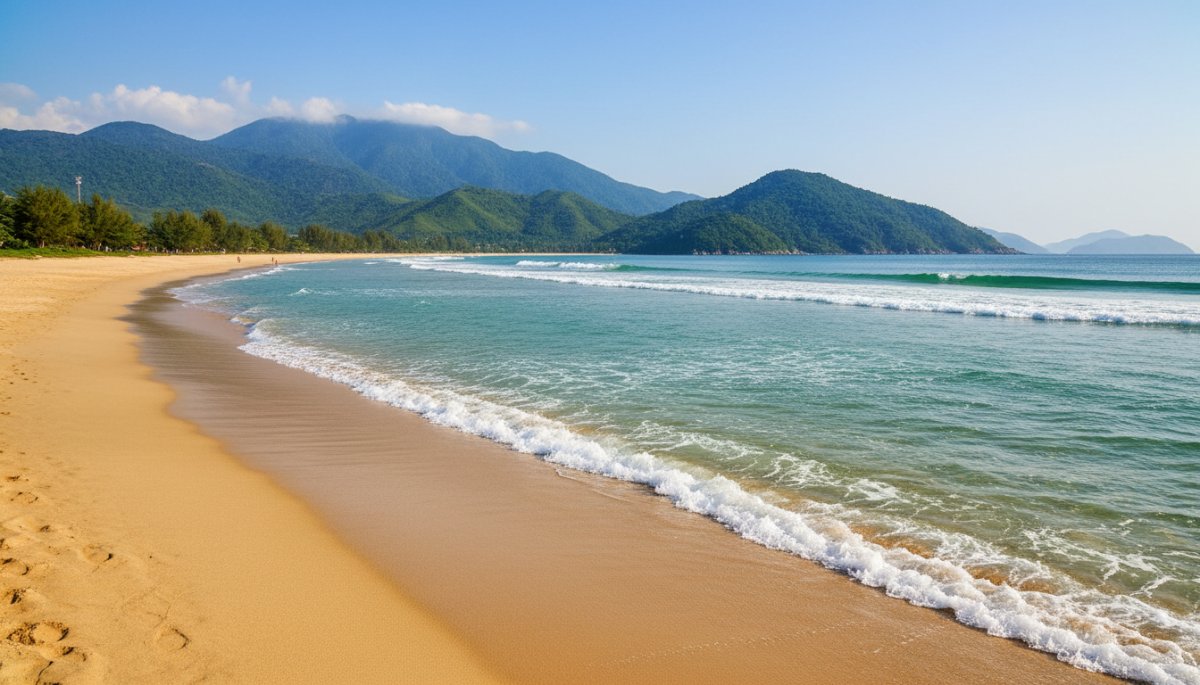
Join a local optional tour
The most recommended thing during Tet is joining a local tour.
Because Vietnam's infrastructure is not fully developed, when sightseeing outside the city or in suburban areas, you can't use trains, so joining a tour is essentially a must. With a tour, the travel company, guide, and local tourist spots cooperate, so you can avoid trouble like shops being closed or transportation being canceled.
That said, some travel companies close during Tet because their guides return home. It's reassuring to check in advance.
Relax at a five-star hotel
Because hotel rates in Vietnam are relatively cheap, you can stay at a five-star hotel on a small budget. Since going out can be inconvenient during Tet, fully enjoying hotel life is one option.
Even at luxury hotels, 24-hour room service, a pool, spa, and bar are not guaranteed. Check the booking page for Tết special rates, restaurant operating hours, additional charges for children, deposits, and cancellation terms. You can enjoy the Tết atmosphere while spending a comfortable time at your hotel.
Visit tourist destinations in central Vietnam
During the Tết period, central Vietnam is a recommended travel destination. The Da Nang area is home to UNESCO World Cultural Heritage sites including the historic monuments of Hue, the ancient town of Hoi An, and the Mỹ Sơn Sanctuary. Even at World Heritage sites and outdoor attractions, ticket offices, transportation, guides, and facilities may be closed or operating on reduced hours.
Ha Long Bay, Ninh Binh, and Sa Pa are also affected by weather, service operations, crowds, and Tết closures. Do not assume things will run as normal—check boats, cable cars, ticketed attractions, and transfers individually. At major tourist destinations such as Hoi An and Hue, most shops remain open, so this period can actually be a good time to venture out to less-visited attractions outside the city.
Practical points to note during Tet

Book everything thoroughly in advance
If you're visiting Vietnam during Tet, advance booking is essential. Book hotels, flights, and tours all early. Hotels in particular get crowded and rates rise, so searching on the ground should be avoided.
Bus and train tickets often sell out two to three weeks ahead, so if you're planning domestic travel, we recommend arranging it as early as possible.
Check opening status
Check the opening status of the tourist facilities and restaurants you want to visit in advance. It's important to gather information through official websites, social media, and travel companies. During the first three days of the new year in particular, many facilities close, so it's good to keep your plans flexible enough to adjust.
Watch out for pickpockets and theft
In places packed with people, take full care against pickpockets and bag-snatching. Don't carry large amounts of cash or valuables, and hold your bag firmly under your arm. Backpacks and waist pouches can have their zippers opened without you noticing, so it's wise to avoid them as much as possible.
Prepare for consulate and embassy closures
Japanese consulates and embassies are also closed during the Tết period. Closure dates are announced by each diplomatic mission, so check the official holiday schedule at the time of your travel. Emergency assistance—such as for a lost passport—may be delayed. It is important to be prepared for the unexpected, for example by keeping a separate copy of your passport.
A checklist for Tết travel
- Check public-sector holidays and the holidays of the specific businesses and shops you plan to use separately
- Book domestic flights, trains, and buses down to the flight/service number, date, and baggage conditions
- Line up several dining options centered on New Year's Day and confirm your hotel's operating hours
- Confirm any surcharges—total amount in VND and the dates they apply—before booking
- For fireworks and events, decide on traffic restrictions and your return route in advance
Tết is, before it is a tourism event, a meaningful life occasion for honoring family and ancestors. Rather than viewing closed businesses purely as an inconvenience, plan an itinerary that is not too packed, keeping in mind that working people have holidays too—this will make for a more relaxed trip.
Summary: the right mindset for enjoying Tet
Vietnam's Tet is the most important festival of the year.
Visiting Vietnam at this time lets you experience a special atmosphere unlike the usual. Flower Roads, traditional events, special dishes—it overflows with charms unique to Tet. On the other hand, there are also inconvenient aspects for travelers, such as shop closures, crowded transportation, and rising prices.
Advance preparation and flexible planning are the keys to a successful Vietnam trip during Tet. Consider options suited to the situation, such as joining a local tour, staying at a five-star hotel, or visiting central tourist destinations. Don't forget to check opening status, book early, and take crime-prevention measures.
Tet is a valuable chance to touch Vietnam's culture and the warmth of its people. Things may not always go as planned, but that experience itself becomes a travel memory. Do enjoy Vietnam's Tet from the bottom of your heart!