What's the credit card situation in Vietnam?
For anyone planning a trip to Vietnam, how to pay locally is an important concern.
In short, places that accept credit cards are increasing in Vietnam's major cities. At tourist destinations like Ho Chi Minh City, Hanoi, and Da Nang, card payment is possible at hotels, large shopping malls, and restaurants. However, it can't be used everywhere, and there are many situations where cash is needed.
Cashless payment is spreading rapidly in Vietnam, but a strong cash culture remains. Card acceptance rates from older data alone cannot be used to judge current in-store acceptance. Domestic QR payment systems may require account registration and identity verification that travelers cannot fulfill, so treat international cards and cash as your primary options.
What's important for travelers is to grasp in advance where cards can be used and where cash is needed.
Credit card brands you can use in Vietnam
The most widely accepted in Vietnam are Visa and Mastercard.
These two brands can be used with almost no problem at major tourist facilities like hotels, restaurants, and shopping malls. Other international brands like JCB, American Express (Amex), and Diners Club, on the other hand, have limited places where they can be used.
Recommended card brands and preparation
For a Vietnam trip, we strongly recommend bringing at least one Visa or Mastercard.
If you want even more peace of mind, it's good to prepare cards of multiple brands. To prepare for trouble like theft, loss, or magnetic-stripe failure, keeping two or more cards stored in separate places is wise.
If you have a JCB card, you can use the JCB Plaza in Ho Chi Minh City. There you can receive tourist guidance in Japanese, booking support for JCB member restaurants and hotels, and support in case of card theft or loss.
Places where you can use credit cards in Vietnam
In Vietnam's urban areas, places where credit cards can be used are steadily increasing.
However, the situation varies greatly by place and shop size. Here we explain the credit card usage situation in detail by specific scene.
Hotels and lodging
Even within cities, acceptance varies by accommodation, and the conditions for online payment at booking and on-site payment at check-in may differ.
At international chain hotels and mid-range or higher hotels especially, since credit cards can be used even for the deposit payment at check-in, there's no need to carry large amounts of cash. On the other hand, at small regional guesthouses and budget hotels, plenty of them are cash-only. If "cash only" is clearly stated on the booking site, you must prepare cash to bring.
Restaurants and cafes
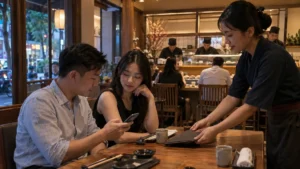
At large cafe chains (Starbucks, Highlands Coffee, etc.) and restaurants heavily used by tourists, credit card payment is possible.
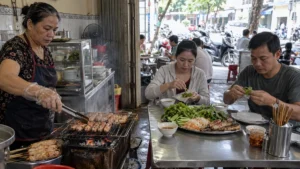
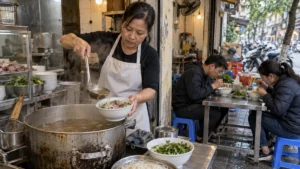
But at small local cafes, street stalls, and local eateries, there are many shops where credit cards can't be used. This is because there's a tendency to avoid the cost of installing card payment terminals and the fees. Therefore, we recommend preparing a small amount of cash (Vietnamese dong).
Shopping malls and convenience stores
Even at convenience stores, cards may not be accepted depending on the branch, terminal outages, or minimum spend requirements. Check for an international card logo before paying, and keep some small-denomination cash on hand.
It's very convenient when buying a little drink, snack, or daily necessity. However, at small privately run shops in the regions, there are shops where credit cards can't be used. Still, for everyday shopping in urban areas, you can consider card payment at convenience stores usable with almost no problem.
Taxis and transport
Street taxis cannot be assumed to accept cards. Confirm the payment method before getting in, and if you prefer cashless payment, set up in-app payment through a compatible ride-hailing app in advance.
When using the ride-hailing app "Grab," registering a credit card lets you pay cashlessly. In major cities, transit IC cards are being introduced, but sometimes cards can't be used in some cases. When getting around, it's good to carry cash including small change, or make use of a ride-hailing app like Grab.
Tourist facilities and admission tickets
At large tourist facilities like the Reunification Palace and War Remnants Museum in Ho Chi Minh City, and the Ho Chi Minh Mausoleum and Temple of Literature in Hanoi, credit cards can often be used.
But at small regional temples and tourist spots, it can be cash-only in some cases. At some facilities online card payment is also possible, so checking the official website in advance gives peace of mind.
Cautions when using credit cards in Vietnam
Credit cards are convenient, but there are a few cautions.
About fees
When you use a credit card overseas, exchange fees and overseas transaction fees apply.
Foreign transaction fees, exchange rates, and ATM fees vary by card issuer and product; the 1.5–2.0% figure cited in the earlier article cannot be treated as a standard rate. Check the latest rates with your card issuer before departure. Some shops may also charge an additional surcharge for credit card payments. For larger purchases, it is worth confirming any fees in advance.
The risk of fraudulent use
In Vietnam, the risk of credit card fraud or skimming is not zero.
It is important to use your card only at trusted shops and ATMs and to avoid suspicious terminals. Always check your statement after card use, and contact your card issuer immediately if you notice any unauthorized transactions. Fraud protection coverage is subject to conditions such as reporting deadlines and PIN management. Enable transaction notifications and contact your card issuer promptly for any suspicious activity.
Cash is still essential
In Vietnam, it is hard to get through an entire trip on credit cards alone.
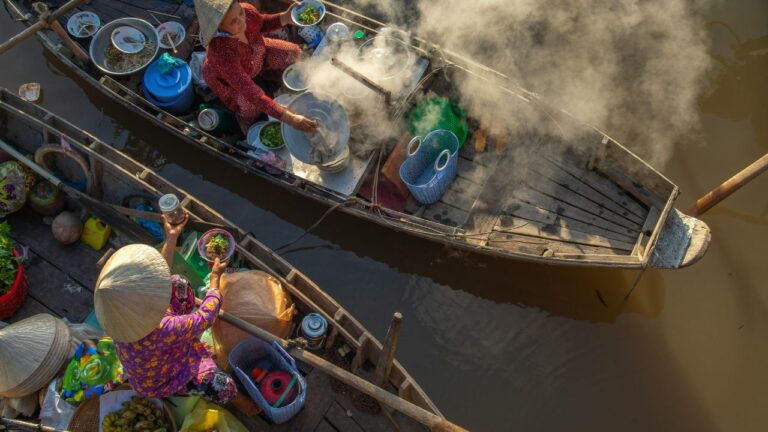
Cash is often necessary at street stalls, local markets, and small shops, and the amount you need will depend on your plans and group size. Avoid carrying large sums in one place; split your money into small notes for the day and a separate reserve, and check the exchange rate on the day for yen conversions. Airport exchange counters are convenient but may offer less favorable rates, so it is wise to exchange only a small amount there and use exchange offices in the city. Small-denomination notes (1,000–5,000 VND) are handy for street food and tips.
ATM tips and cautions
When you need cash, withdrawing from an ATM is convenient.
Vietnam’s major cities have plenty of ATMs that accept international cash cards and credit cards. Note, however, that ATM use often comes with a fee of a few hundred yen per withdrawal. Some ATMs also cap the amount you can withdraw at once, so if you need a large sum, you may have to make several withdrawals.
When using an ATM, it’s safer to choose one inside a bank branch or in a busy area. Avoid using ATMs at night or in deserted spots. When entering your PIN, stay aware of your surroundings and shield the keypad from view.
3 things to check on the payment screen
- Whether the amount and currency shown are in VND
- Whether dynamic currency conversion (DCC) to Japanese yen has been selected without your consent
- Whether you have a receipt for the completed transaction, cancellation, or refund
A Japanese yen display may seem convenient, but it can include the shop's or ATM's own conversion rate and additional charges. If you are given a choice, compare the VND amount and total cost, and make the selection yourself. Keep two cards and cash stored separately, and store a note of your card numbers and emergency contact details apart from the cards themselves.
Summary: Using credit cards in Vietnam’s cities
In Vietnam’s major cities, the number of places that accept credit cards is steadily growing.
At the main facilities tourists use—hotels, large shopping malls, restaurants, convenience stores, and taxis—Visa and Mastercard work with almost no trouble. But street stalls, local markets, and small shops often require cash, so it’s wise to use credit cards and cash together.
Before your trip, prepare several Visa or Mastercard cards and store them in separate places in case of theft or loss. It’s also important to understand the fees and fraud risks so you can use your cards safely.
To enjoy your trip to Vietnam in comfort, make good use of both credit cards and cash and create wonderful travel memories.