According to the latest coffee production ranking from the USDA (2025/26 forecast), Brazil ranks first with a 35% share of the world market,and Vietnam is second with a 17% share.
Coffee, of which over 2.5 billion cups are drunk daily, is a huge industry cultivated in over 70 countries worldwide.
An agricultural product boasting a scale of international trade second only to crude oil, it affects not only our daily lives but a wide range of areas—the economy, culture, and the environment.
This article explains the world's top 10 by coffee production and the features of each country.
[Latest] The coffee production ranking top 10 list
This compiles the coffee-production forecast figures released by the USDA (U.S. Department of Agriculture).This data represents "the amount of coffee whose harvest begins in 2025 and which is distributed and consumed through 2026."
The top three countries account for about 60% of world production, and Vietnam boasts second place in the world for coffee production.
Source:Production – Coffee USDA
Coffee production, marketing year (trade year) 2025/26
| Rank | Producing country | Share of world coffee production | Total production (2025/2026, 60 kg bags) |
|---|---|---|---|
| 1st | Brazil | 35% | 63 million |
| No. 2 | Vietnam | 17% | 30.8 million |
| 3rd | Colombia | 8% | 13.8 million |
| 4th | Indonesia | 7% | 12.45 million |
| 5th | Ethiopia | 5% | 11.56 million |
| No. 6 | Uganda | 4% | 6.88 million |
| 7th | India | 3% | 6.05 million |
| 8th | Honduras | 3% | 5.8 million |
| 9th | Peru | 2% | 4.2 million |
| 10th | Mexico | 2% | 3.9 million |
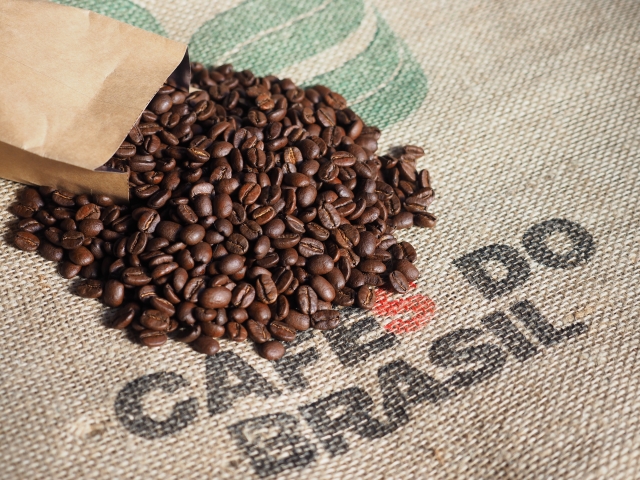
1st: Brazil (63 million bags / 60 kg bags, 35%)
History
- Grew into the world's largest coffee producer through large-scale plantations making use of its vast land
- Mechanization is advanced, and a system for stable mass production is in place
Method and flavor
- Mainly Arabica is produced
- The "natural process," sun-drying the coffee cherries, is often used
- A good balance of acidity and sweetness, marked by a mellow body
- Easy to detect nutty or chocolate-like flavors
2nd: Vietnam (30.8 million bags / 60 kg bags, 17%)

History
- Rapidly expanded coffee production as a national strategy from the 1990s
- Grew into the world's second-largest coffee producer in less than 30 years
- Now the largest producer of Robusta, an indispensable presence for instant coffee and processing-use beverages too
Method and flavor
- Mainly Robusta is produced
- The aroma is powerful, and you can enjoy a rich flavor
- Higher caffeine content compared with Arabica
3rd: Colombia (13.8 million bags / 60 kg bags, 8% global share)
History
- It's said to have begun around the 18th century when coffee trees were planted at Christian monasteries
- In 1927 the National Federation of Coffee Growers of Colombia (FNC) was founded, and moves to protect quality have spread
Method and flavor
- Marked by gentle acidity and body, a coffee popular in Japan too
- Also suited to dark roasts and used as a base for blend coffee
4th–6th: Indonesia, Ethiopia, Uganda
| Country name | Production (60 kg bags) | Characteristics |
|---|---|---|
| Indonesia | 12.45 million | As represented by Mandheling, it has an earthy, deep body |
| Ethiopia | 11.56 million | The birthplace of coffee, famous for Yirgacheffe's blueberry-like flavors |
| Uganda | 6.88 million | One of Africa's leading producing areas, growing both Robusta and Arabica |
7th–10th: India, Peru, Honduras, Mexico
| Country name | Production (60 kg bags) | Characteristics |
|---|---|---|
| India | 6.05 million | Highland cultivation and shade-grown methods make for an easy-to-drink flavor |
| Honduras | 5.8 million | Drawing attention in recent years as a producing area for high-quality specialty coffee |
| Peru | 4.2 million | Many organic and fair-trade certified farms. Many have a mild, gentle flavor |
| Mexico | 3.9 million | High quality with a balance of acidity and sweetness |
The world's coffee culture and consumption trends
Coffee is enjoyed worldwide, but how it's drunk and enjoyed varies by country and era.
Here, we introduce the world's coffee culture and recent consumption trends.
Asia's café market rapidly expands
The café markets of Asia—Korea, China, Vietnam, Indonesia, Thailand, and others—are developing rapidly, mainly in urban areas.
- China: The number of coffee shops overtook the United States for first place in the world
- South Korea: The number of domestic cafés tops 100,000. Starbucks and Mega MGC Coffee are the two giants
- Vietnam: A strength is a wide lineup, from local cafés to chain stores
- Indonesia: Instant coffee's popularity is deep-rooted, but café use is expanding among the middle class
- Thailand:Café chains expand in urban areas

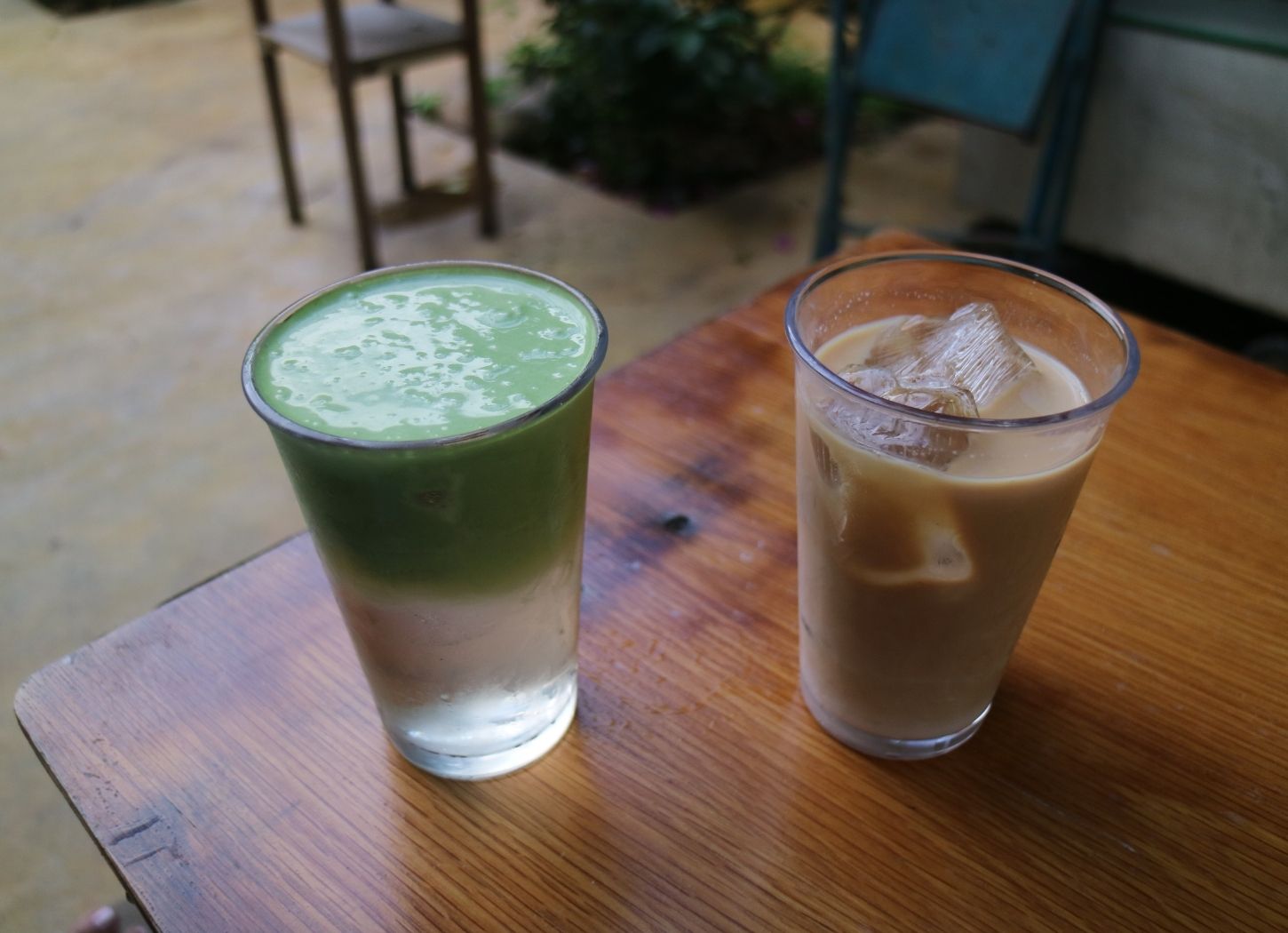
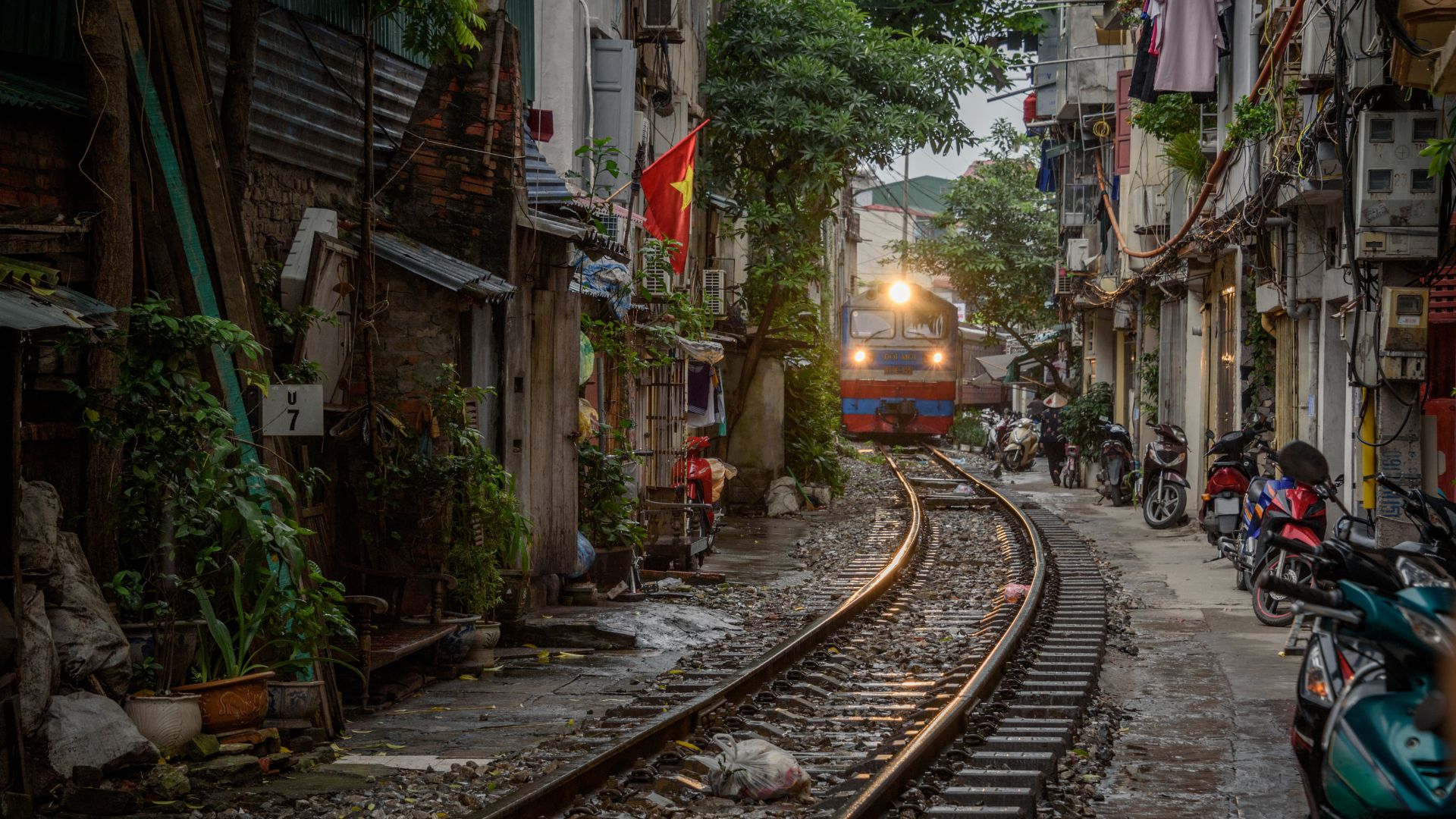
For Vietnamese cafés, please refer to the following article.
The spread of third-wave coffee
Coffee trends differ by era.
- First waveThe era of mass production and mass consumption. When it reached Japan in the 1960s, canned coffee was born.
- Second wave: The rise of Seattle-style coffee chains like Starbucks. Dark-roast coffee became the trend.
- Third wave: Emphasizing "traceability," which values transparency of the producing area, producer, and roasting process.
In the third wave, compared with the mass-production era, the"traceability"of each individual cup is valued, cherishing where the coffee seed comes from and where it's produced and roasted.
Health consciousness and demand for non-caffeine
Products for health-conscious consumers are expanding, such as decaf and plant-based lattes using oat milk. Precisely because it's "something you drink every day," voices calling for consideration of the body are increasing.
The challenges facing the coffee industry and a sustainable future
The coffee industry now faces major challenges—climate change, price surges, and shrinking growing areas.
On the other hand,efforts aiming at sustainable coffee production are also advancing—attention to climate-change-resistant varieties, fair trade, agroforestry, and more.
Here, let's look at the coffee industry's challenges and its potential for the future.
What is the coffee 2050 problem
The coffee 2050 problem refers tothe problem of coffee harvests decreasing significantly in the future under the impact of climate change.Because it leads to producer poverty and consumer coffee shortages, it can be called an urgent challenge.
There are forecasts that, due to rising temperatures and changes in rainfall, the areas suitable for growing coffee will halve by 2050.
In recent years, along with climate change, production has been unstable and coffee prices have continued to surge.
Reappraising Robusta
Robusta is more heat-tolerant than Arabica and has an ability to adapt to climate change.
It has been used for instant and processing purposes until now, but it's being reappraised as a variety to support future global coffee demand.
Also drawing attention are new Vietnamese varieties produced in extremely small quantities, such as Liberica and Excelsa.
Because these are also drought-tolerant and grow even in lowlands, they're expected as sustainable coffee to help support coffee's future.
Fair trade and support for small-scale farmers
In many producing countries, small-scale farmers carry the production. Price volatility and the instability of the distribution structure are major challenges.
Compared with the era of consuming cheap coffee in bulk, support for "sustainable production"through fair trade and Rainforest Alliance certification is expanding.
Agroforestry and environmental conservation
Recommended for sustainable coffee cultivation are methods using agroforestry (forest farming) and shade trees.
Agroforestry: a farming method that has trees, crops, and livestock coexist on the same land, producing by harnessing the power of nature
Shade trees: trees planted to serve like a parasol, protecting the coffee trees from direct sunlight
Because you grow the coffee tree, the crop, under shade trees that create shade,you can continue growing coffee while protecting the forest,which is an advantage.
Also,because you can grow new agricultural products with the shade trees, not just coffee, it also leads to more efficient production.which also leads to it.
Cultivation methods combining "environmental protection" and "production efficiency," rather than short-term production, will likely keep drawing attention going forward.
Summary | The key points of the 2026 coffee production ranking
Here are the key points of the coffee production ranking, summarized.
- 1st is Brazil(63 million bags, a 35% world share), an overwhelming lead
- The 1st and 2nd (Brazil + Vietnam) alone produce about 52% of the world's
- The top 10 countries account for about 86%.
While coffee production is concentrated in a handful of countries centered on Brazil and Vietnam, countries like Indonesia, Ethiopia, and Colombia each have their own history and flavor.
Also, unlike the mass-production era, sustainable efforts are called for to respond to environmental changes.
Frequently asked questions
Q. Why is Brazil No. 1 in coffee production?
Brazil's strength is a production system combining vast flatland and a warm climate with large-scale plantations and mechanization. A history of building up technology and scale over more than 200 years since the 1800s supports its overwhelming current share.
Compared with Colombia and Ethiopia, its strategy of going all-in on "quantity over quality" has paid off.
Q. How much coffee does Japan consume?
Japan is one of the world's major coffee importers, bringing in about 360,000 tons a year. Per-capita annual consumption is over 300 cups, and it continues to rise with the spread of convenience store coffee. Brazil, Vietnam, and Colombia are the top sources of Japan's coffee imports.
Q. What's the difference between Vietnamese coffee and Brazilian coffee?
Vietnam is mainly Robusta, marked by strong bitterness and high caffeine.
Brazil centers on Arabica, with a good balance of acidity and sweetness and an easy-to-drink flavor. In terms of use, Vietnamese is often for instant and espresso, and Brazilian for drip.