Third-wave coffee refers to the third wave of coffee culture, which began in the United States in the 2000s.
This movement is an innovative approach that reframes coffee not as a mere drink but as a connoisseur's pleasure like wine. Its hallmark is an attitude that values every stage from producer to consumer that goes into a single cup. In Japan, it drew sudden attention when Blue Bottle Coffee arrived in 2015.
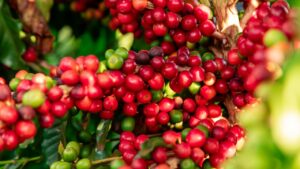
The greatest hallmark of third-wave coffee is clear "traceability" — that is, the ability to trace its path. The process from seed to a single cup of coffee is made transparent, so consumers can know the growing region and the producer. This made it possible for us not only to "drink" coffee but to "enjoy" and "experience" it.
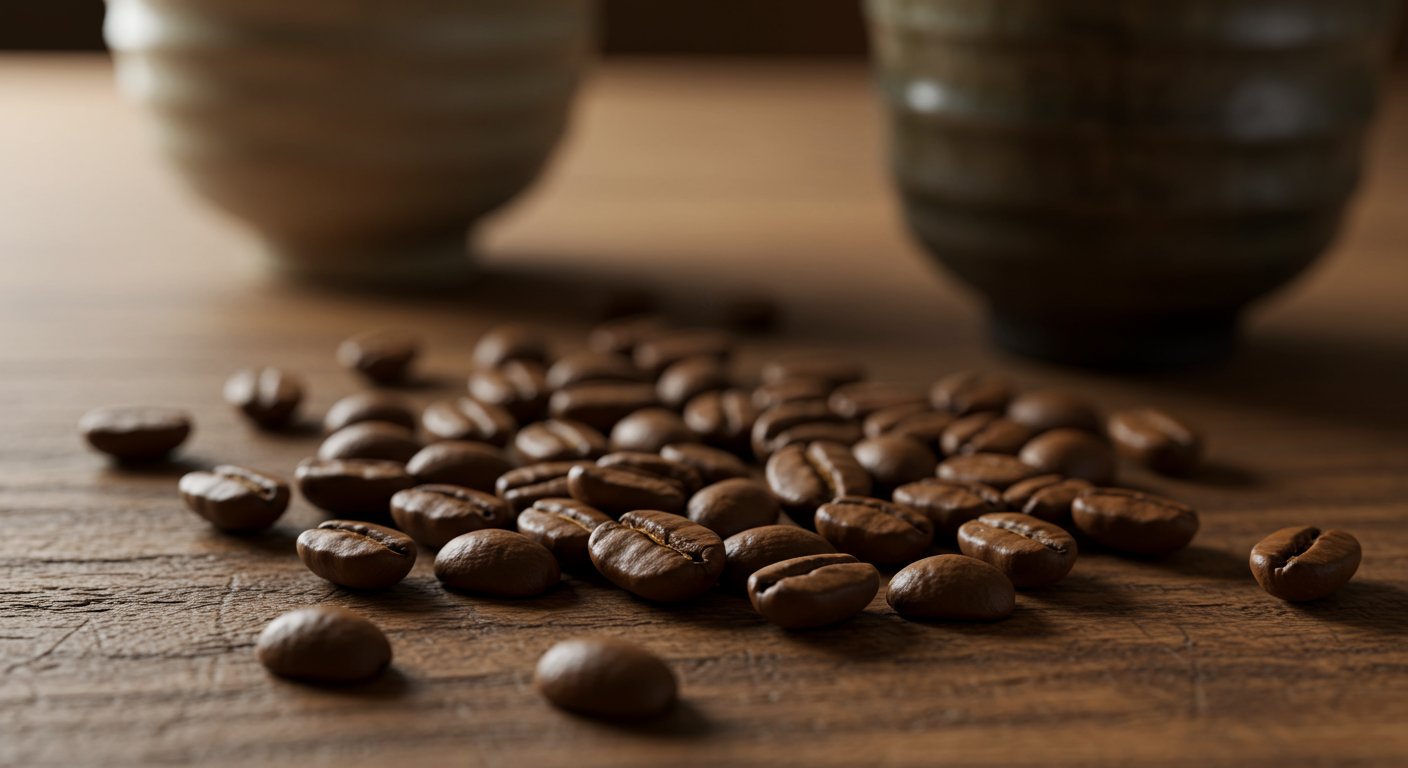
The historical evolution of coffee culture
The first wave: the age of mass production
The first wave, from the late 19th century to the 1960s, was an era that emphasized the mass production and mass consumption of coffee.
As distribution developed, coffee became cheaply available around the world and worked its way deep into people's lives. In this period, instant coffee was born, and in Japan the world's first canned coffee was developed in 1969 — coffee became an ever more familiar presence. In Japan, when coffee bean imports resumed after the war, import volumes surged and a coffee-shop boom arrived.
The second wave: an awakening to quality
The second wave, from the 1960s into the 2000s, was the era in which Seattle-style coffee shops such as Starbucks and Tully's rose to prominence.
Espresso drinks built on dark-roasted coffee spread, and a culture of customizing drinks to one's own taste was born. In Japan, Starbucks arrived in 1996, and new coffee culture took hold, including the takeout style of logo-printed cups. From this period, the movement to emphasize coffee quality grew active, and the sourcing of green beans able to withstand dark roasting and the technology of roasting itself advanced.
The four features of third-wave coffee
Fruity acidity from light roasting
A major feature of third-wave coffee is the use of light-roasted beans. Light roasting lets you enjoy the fruity acidity and rich flavor inherent in the coffee bean itself. The delicate aromas and flavors lost in dark roasting are drawn out to the fullest through light roasting.
A commitment to single origin
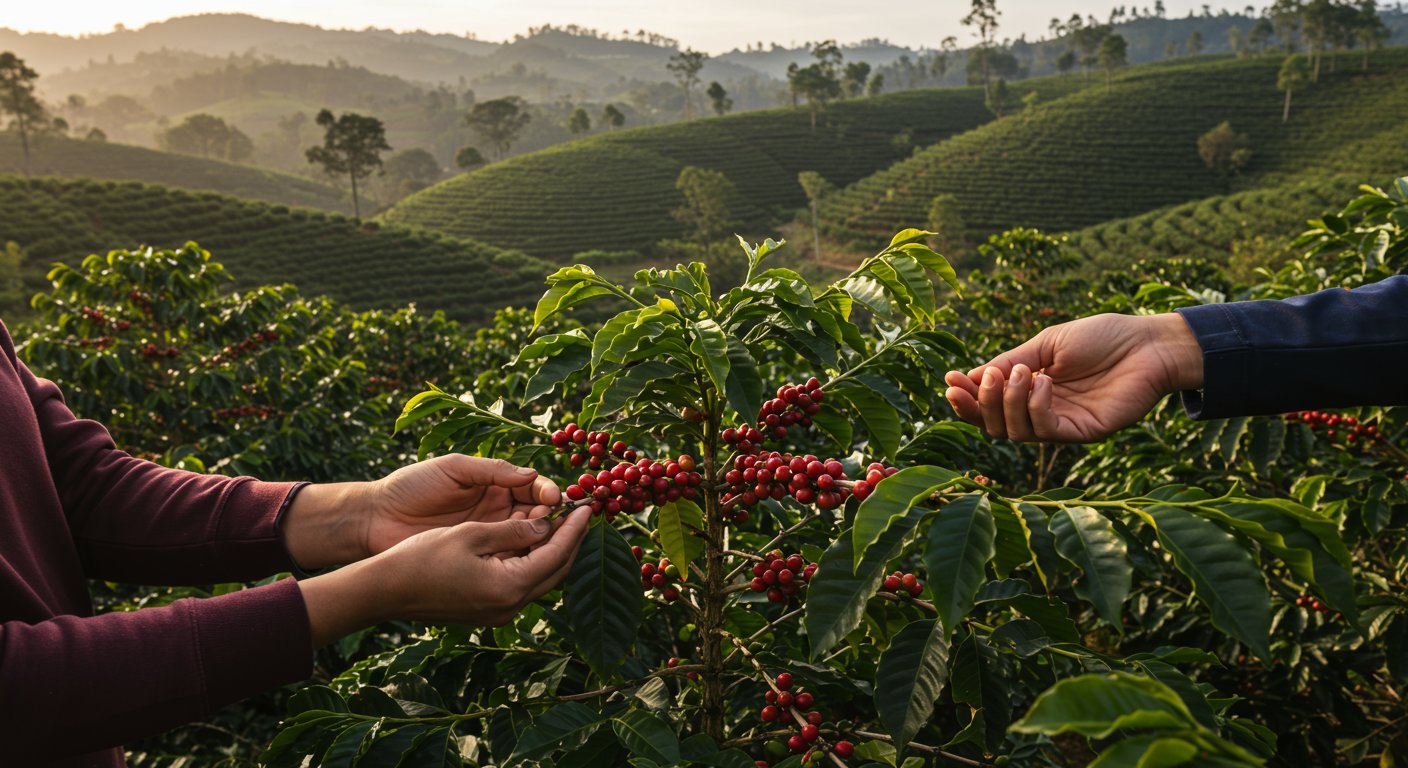
"Single origin" is a term meaning a single source, referring to the use of only specific beans grown by a specific farm.
Unlike coffee up through the second wave, which blended beans from multiple farms, the third wave places value on enjoying the character of each farm. The bean flavor born of conditions that differ from farm to farm — climate, soil, and so on — is savored as the "character" of that land; this is the appeal of single origin.
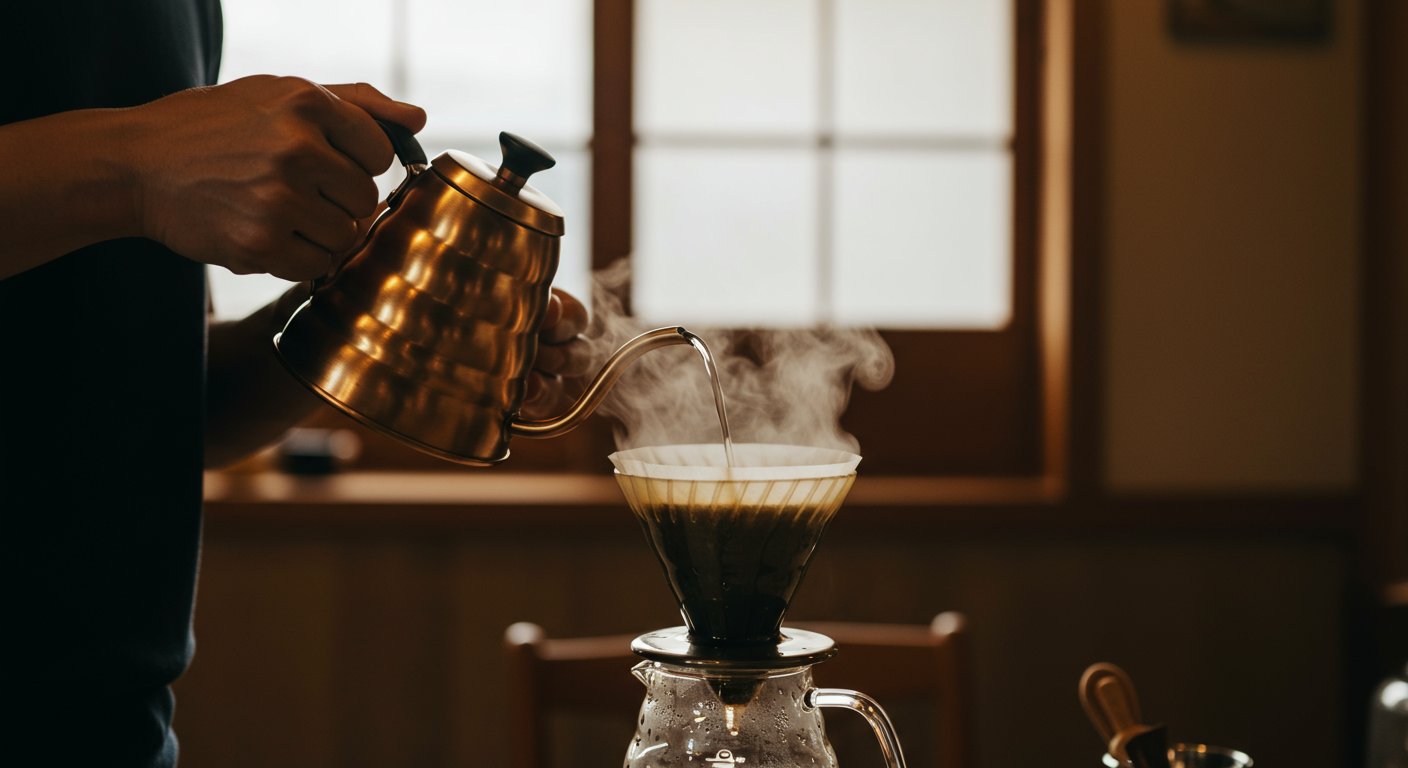
Brewing carefully by hand drip
Taking a style of brewing carefully, one cup at a time, like a Japanese coffee shop, is also a feature of third-wave coffee. Unlike coffee made by machine, its appeal lies in being able to enjoy how the flavor changes with the brewing. In fact, the founder of Blue Bottle Coffee has said that the roots of third-wave coffee lie in Japanese coffee-shop culture.
Producer support through direct trade
Third-wave coffee takes the form of "direct trade," buying beans directly from producers.
Up through the second wave, beans were sourced through several intermediaries, but by having the roaster buy directly from the growing region, a balance was struck between production cost and distribution price. The worry of having beans beaten down in price by intermediaries also disappeared, which helps protect producers as well. Through this, a movement is spreading that helps producers trade at fair prices and balances environmental conservation with better livelihoods.
Third-wave coffee and sustainability
In today's coffee industry, the word "sustainability" is drawing attention alongside traceability.
Sustainability means producing and trading coffee beans in a way that cares for the environment and supports people's stable livelihoods, aiming for a sustainable society. The coffee industry is heavily affected by climate change; in particular, highland-grown Arabica is vulnerable to rising temperatures, with some forecasts predicting that suitable growing land will be cut in half by 2050.
To address these challenges, schemes such as Fair Trade and Rainforest Alliance certification are drawing attention. Through them, producers can trade at fair prices and balance environmental conservation with better livelihoods. Consumers, too, are increasingly valuing the ethical choice over the cheapest option, and a shift in social awareness is taking shape through coffee.
How to enjoy third-wave coffee at home
Gather the tools you need
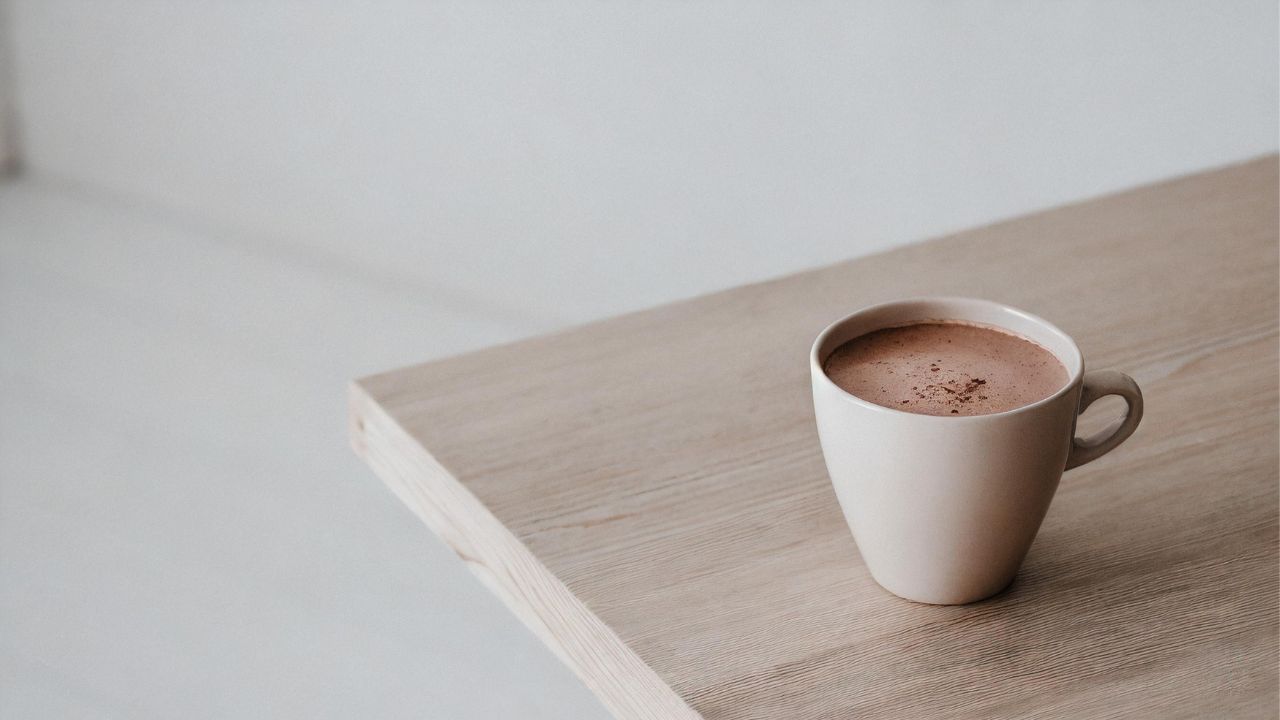
To enjoy third-wave coffee at home, first prepare single-origin coffee beans. Grinding them yourself is recommended so you can savor freshly ground flavor. The tools you need are a server, a dripper, a kettle, a grinder, filters, and a cup. With these and your favorite single-origin beans, you are all set.
Tips for brewing
Grind only as much coffee as you will drink, so as not to lose the aroma. Set a filter in the dripper, add the ground beans, then pour a small amount of water at about 93°C. After letting it bloom for 10 to 20 seconds, pour the second, more generous round of water.
The keys to brewing more deliciously are temperature control and how you pour. Too high, and the bitterness grows strong; too low, and the acidity stands out. Also, by pouring slowly and evenly in a circle from the center, you can draw out the bean's inherent flavor to the fullest.
The outlook for coffee culture ahead
After the third wave, the fourth wave is said to be arriving.
A feature of the fourth wave is even greater attention to the bean. Ultra-premium beans like Panama's "Geisha" are emblematic, sometimes trading for tens of thousands of yen per 100 grams. Barista competitions are also growing popular, and it is predicted that "who brewed it" will become a key point. Efforts are even advancing to teach coffee machines the brewing methods of barista-competition champions.
In today's coffee market, value is shifting from quality alone toward experience. Subscription coffee services, live brewing by a barista one cup at a time, region-exclusive single origins — coffee has become a medium that connects people and cultures. Products that suit health-conscious and diverse lifestyles, such as decaf and plant-based lattes made with oat milk, are expanding too.
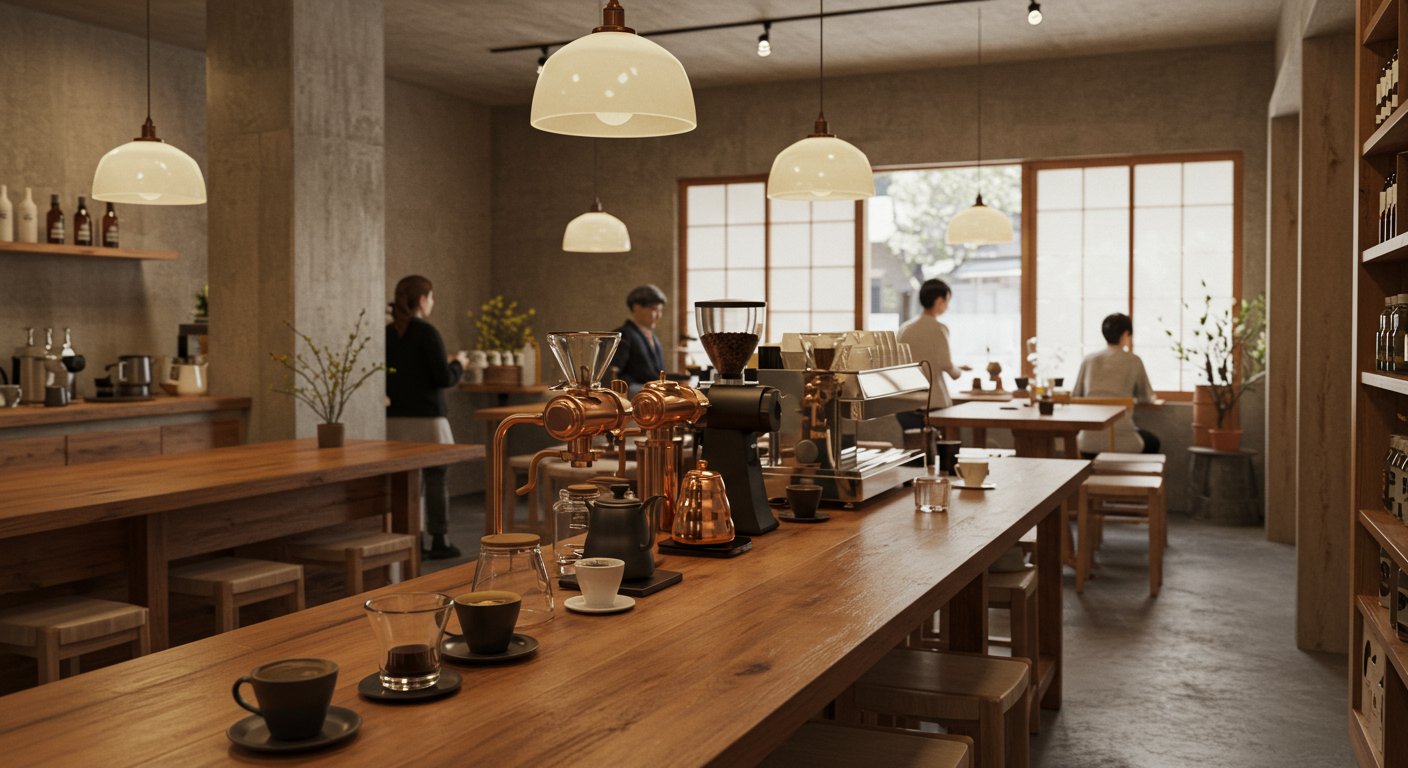
Conclusion: the story held within a single cup
Third-wave coffee transformed coffee from a mere drink into an experience of savoring the producer's story and the character of the land.
Rich flavor from light roasting, a commitment to single origin, careful extraction by hand drip, and producer support through direct trade — these features are born of an attitude that values every stage that goes into a single cup of coffee.
To savor coffee is also to sense the effort and the landscape of someone, somewhere in the world. As care for sustainability spreads, being mindful that our choices connect to producers' livelihoods and to environmental conservation gives coffee a deeper meaning. Why not enjoy the story held within a single cup, whether at home or at a café?