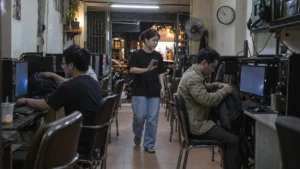
In the food review site TasteAtlas's ranking of Southeast Asia's best drinks, three Vietnamese coffees were selected for the top 10. Of the 62 drinks surveyed, cà phê sữa đá (iced milk coffee) ranked 3rd, black coffee 6th, and egg coffee also made the top 10—once again demonstrating the presence of coffee powerhouse Vietnam.
News overview
TasteAtlas, a food site that evaluates and introduces food cultures around the world, released a ranking of 62 representative drinks from the Southeast Asia region. Three coffees from Vietnam ranked in the top 10.
The highest-rated wasCà phê sữa đá, coming in 3rd overall. Vietnamese-grownRobustabeans are dripped through a metal filter called a phin, then finished with condensed milk and ice. Its flavor—rich bitterness in harmony with the sweetness of condensed milk and the refreshing chill of ice—earned high marks.
Coming in 6th,Vietnamese-style black coffee (cà phê đen)is a style that lets you enjoy the powerful bitterness and body of Robusta beans straight. It has little acidity and is characterized by a solid, satisfying drinkability.
And making the top 10 wasegg coffee (cà phê trứng), said to have been invented in 1946 byHanoibartender Nguyen Van Giang. Because milk was hard to come by at the time, he used egg yolk as a substitute—that was the beginning. A meringue-like cream of egg yolk and condensed milk, whipped for about 10 minutes, is placed atop Robusta coffee. With a sweetness like tiramisu in exquisite harmony with the bitterness of coffee, it is now a standard part of Hanoi sightseeing.
The No. 1 spot went to Thailand's cha yen (Thai-style milk tea), and 2nd to Malaysia's Ipoh white coffee. Even outside the top 10, Vietnam was represented by lotus tea (12th) and sữa chua đá (frozen yogurt, 23rd) among others, showing the greatest diversity in Southeast Asia's drinks category.
Vietnamese readers' reactions
In response to coverage by Vietnamese domestic media, local readers shared a range of voices.
- "I can't accept that cà phê sữa đá isn't No. 1. I drink it every morning, and I think it tastes like the best in the world." (Male)
- "Egg coffee is popular with foreign tourists, but in fact many Vietnamese have never even tried it. It's a Hanoi specialty, not something nationwide." (Female)
- "Robusta has long been considered low-rated worldwide, so it makes me proud that it earns high marks with the Vietnamese way of drinking it." (Male)
- "Thai milk tea at No. 1 is fair. It really is delicious. The fact that three Vietnamese coffees ranked at all is amazing in itself." (Female)
- "I'm glad lotus tea and sữa chua đá made it in too. Not just coffee—Vietnam's entire drink culture is gaining global recognition." (Male)
Impact and key points for Japanese tourists
For Japanese planning a trip to Vietnam, this ranking encourages a new way to enjoy the country: "drink hopping." Here are the points worth keeping in mind.
Have cà phê sữa đá at a street café.You can drink it anywhere in Vietnam, but the local style is to sit on low stools at a street café inHo Chi Minh Citycity orDa Nang. A cup costs around 20,000–30,000 VND (about 120–180 yen), which is affordable. You can adjust the amount of condensed milk by shop or preference, so if you want it less sweet, say "ít sữa."
Have egg coffee in Hanoi's Old Quarter.Giang Cafe, the shop where it originated, is in Hanoi's Old Quarter and is still run by the founder's son. If you visit around 7 a.m., it's relatively empty. It's safer to avoid the 8:30–10 a.m. morning peak, when it gets crowded. Egg coffee is often served in a warm water-bath bowl, a touch designed to keep it from cooling.
For a souvenir, get aphin filter.The phin filter, the key to the flavor of Vietnamese-style coffee, can be bought at local supermarkets and markets for a few tens of thousands of dong (a few hundred yen). Buy it together with Robusta beans, and you can recreate the authentic taste even after returning home. Pair it with condensed milk available at Japanese supermarkets, and you can make cà phê sữa đá at home.
Vietnam is the world's second-largest coffee producer after Brazil, yet for a long time it was seen mainly as "a source of cheap beans for processing." In recent years, however, production of high-quality beans known as "fine Robusta" and growing international acclaim for its distinctive ways of drinking coffee have been on the rise. This ranking can be said to back up that trend.
Reference:Việt Nam có 3 món cà phê vào top 10 đồ uống ngon nhất Đông Nam Á