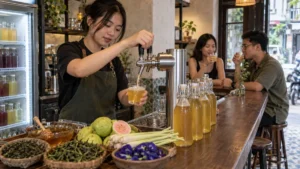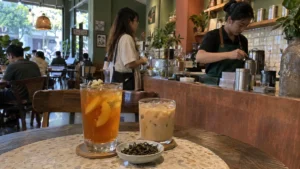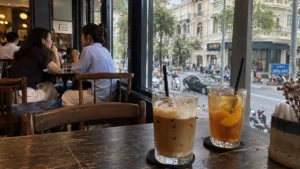
コーヒーを楽しむ文化が根づくベトナムで、もう一つの一杯として存在感を増しているのが抹茶だ。ホーチミンのLandmark 81にも店を構えるNagochaは、日本産の抹茶を銘柄や飲み方から選べる専門店。名前を見て気になっても、薄茶、濃茶、ラテが並ぶメニューに少し戸惑うかもしれない。コーヒーの国でなぜ抹茶が広がり、Nagochaはその中でどんな楽しみ方を提案しているのか。流行の背景と茶の違いを知ったうえで、自分の好みに合う一杯を選ぶ手がかりを紹介したい。
Why matcha spread in a country of coffee
抹茶の人気はベトナムだけの現象ではない。農林水産省によると、日本の緑茶輸出額は2024年に364億円、2025年には721億円へ伸びた。これは抹茶だけでなく緑茶全体の数字だが、同省は抹茶を含む粉末状茶の需要拡大を背景に挙げている。日本食への関心や健康志向、SNSで目にするラテやスイーツなど、抹茶に出会う入口は複数ある。訪日旅行で知った味を帰国後に探すことも考えられるが、それだけをブームの原因と決めつけるより、食べ物・飲み物として触れる機会が広がったと見る方が自然だ。
ベトナムでは、外で飲み物を楽しむカフェ文化と、抹茶のアレンジの幅がかみ合ったのだろう。ラテに加え、ココナッツウォーターと合わせる飲み方も話題になり、2025年7月にはStarbucksのベトナム向け商品として現地メディアに紹介された。これはNagochaのメニューという意味ではなく、抹茶が専門店の外にも広がった例だ。自宅で淹れるための粉もECで売られており、Metricは2025年のShopee、TikTok、Lazada、Tikiを対象に抹茶粉の市場を集計している。ただし、そのデータだけで購入者を20〜30代に限定したり、毎日飲む人が増えたと断定したりはできない。
コーヒーと抹茶は、どちらかを選んだらもう片方を飲まない、という関係ではない。たとえば朝はカフェスダ、別の日の休憩には抹茶ラテというように、気分や食べ物に合わせて選べばいい。旅行中も、ベトナムらしいコーヒーを楽しみつつ、現地の人が日本の抹茶をどう取り入れているかを見てみる。その二つは無理なく両立する。
Nagocha’s stance in choosing the “Japanese style”
抹茶カフェが増えると、店ごとの違いも見えてくる。Nagochaは公式に日本各地から仕入れる抹茶を扱う専門店と説明している。出発点は2023年1月のニャチャンのChakokoroで、同年末にNagochaへブランドを改め、2024年7月にLandmark 81へ進出した。特徴は、単に「抹茶ラテを一つ」と頼むだけでなく、茶の銘柄と飲み方を組み合わせて選べること。公式メニューにはMatcha LatteとUsucha・Koichaの区分がある。まずミルク入りか、お茶そのものを楽しむ一碗かを決めると、知らない銘柄が並んでいても選択の入口をつかみやすい。
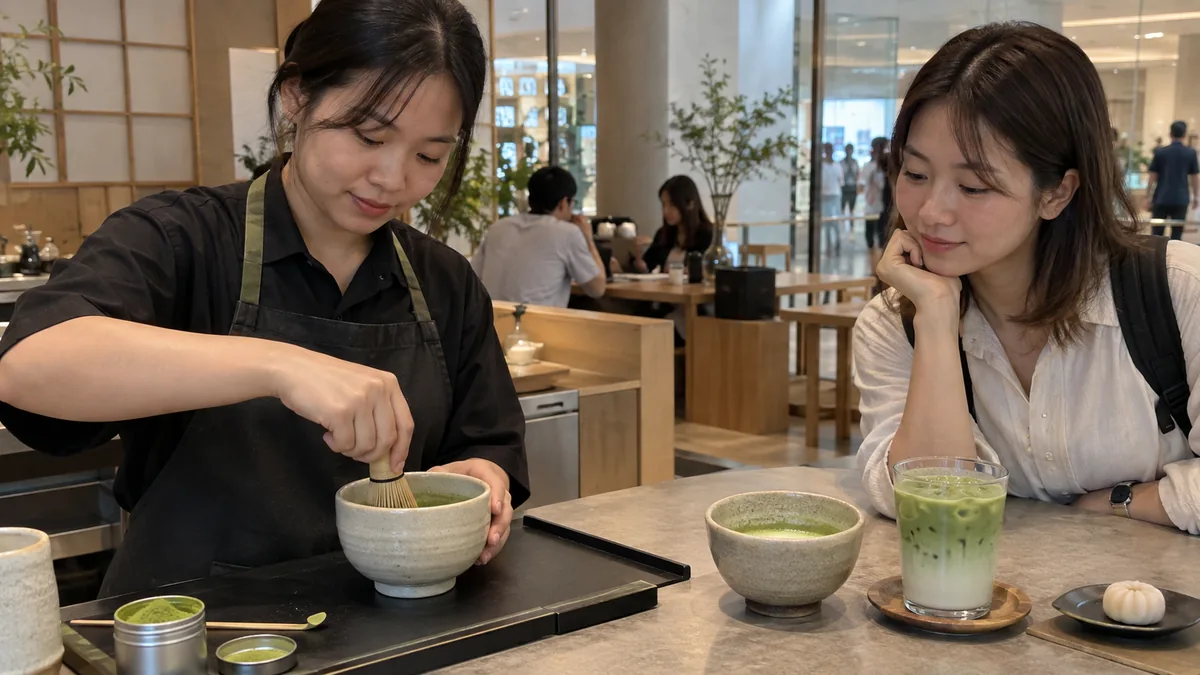
点てる様子を見られるのも、専門店で過ごす楽しみの一つだ。Kilalaの2024年のLandmark 81店の訪問記事では、注文カウンター横で抹茶を点てる様子を見られ、ラテでは茶の種類、ミルク、甘さを選ぶ流れが紹介されている。ただし、手作業というだけで味の良さが決まるわけではない。粉の量、水やミルクとの割合、甘さでも印象は変わる。茶を選ぶときに「苦みを控えたい」「ミルクに負けない味がいい」と一つ希望を伝えると、産地名だけで選ぶより会話が具体的になる。
和の空間も味わいたいなら、支店選びが大切になる。同じKilalaの記事ではLandmark 81店の木や障子を取り入れた内装、低い卓と座布団の席が紹介されているが、全店が畳席という意味ではない。公式にはExpress形式の店舗もある。2026年9月28日に確認した公式店舗案内では、Landmark 81店は商業施設L3階で10時〜22時、ベンタイン店は6B Lê Laiで8時30分〜22時、ハノイの西湖店は38 Quảng Anで8時30分〜22時の掲載だ。市場周辺の散策ならベンタイン、Landmark 81へ行く日なら館内の店、と予定に合わせて選べる。席の雰囲気はその支店の最近の写真で、営業変更は訪問前の公式案内で確認しておこう。
What Japanese-grown tea leaves carry
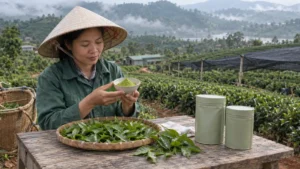
Nagochaが宇治や鹿児島、福岡、静岡などの抹茶を扱う点は、店の立ち位置を理解するうえで大きい。抹茶の原料となる碾茶(てんちゃ)は、覆いをかけて育てた葉を蒸し、揉まずに乾燥させたもの。農林水産省は、この碾茶を茶臼などで微粉末にしたものを抹茶と説明している。摘んだ生葉をそのまま挽いたものでも、煎茶を粉にしたものと同じでもない。こうした作り方を知っておくと、鮮やかな色だけで選ばず、どんな原料と製法の商品なのかにも目を向けられる。
産地は茶を知る手がかりになるが、「宇治なら甘い」「鹿児島ならすっきり」と一律には分けられない。品種や収穫時期、加工、ブレンドでも変わるため、次の表は産地の背景と、店で何を確かめるとよいかを並べている。
| Growing regions | Background | 味わいを選ぶ手がかり |
|---|---|---|
| 宇治茶 | 京都府茶業会議所の定義では、京都・奈良・滋賀・三重の茶を京都府内で仕上げたもの。すべて宇治市産とは限らない | 銘柄ごとの香り・うまみ・苦みを見る。NagochaはUji-enwaを、うまみとクリーミーな口当たりのあるブレンドと紹介 |
| Kagoshima | 温暖な気候の茶産地で、県の資料でも碾茶の生産拡大が示されている。単一品種かブレンドかも選ぶ手がかり | 軽い味と決めつけない。公式のNagocha House Blendは鹿児島の複数品種を合わせ、うまみとほのかな苦みがあると説明 |
表の味の説明は店側の商品紹介であり、実際の感じ方は人によって異なる。Nagochaの銘柄紹介にはUmami(うまみ)、Bitterness(苦み)、Astringency(渋み)という見方もある。苦みと渋みをひとまとめにせず、「苦いのは平気だが、口に残る渋みは少なめがいい」と伝えてみるのも一つの方法だ。複数の茶を飲み比べるなら、片方をラテ、もう片方を濃茶にするより、同じ飲み方でそろえた方が銘柄の違いを意識しやすい。
What “Japanese style” means as Vietnamese-grown matcha increases
需要が伸びるなか、日本では抹茶原料となる碾茶の増産が進んでいる。鹿児島県の2026年の資料では、生産量の増加とともに単価も上昇した状況が示されている。一方、ベトナムで販売される抹茶は輸入品だけではない。ラムドン省の茶産地バオロクに拠点を置くTâm Châuは、Premium、Latte、Culinaryと用途を分けた商品を扱い、Satoenもソンラ省での抹茶生産設備を紹介している。日本の品薄を受けて各国が一斉に生産を始めた、と単純化するより、それぞれの製造方法と用途を見た方が実態を捉えやすい。
こうした選択肢が増えれば、ラテや菓子から気軽に試す入口も広がる。ただ、ベトナム産だから「抹茶風」、日本産なら必ず上質、と国名だけで線を引くのは適切ではない。原材料が茶だけなのか、砂糖や乳成分を加えたミックスなのか、どの飲み方を想定した商品なのかを分けて考えたい。お茶そのものを比べたい人と、ミルクや菓子に合わせたい人では、選ぶ基準も違ってくる。
そのうえでNagochaを選ぶ理由は、日本の茶の銘柄を見比べ、飲み方まで相談できることにある。公式サイトは扱う抹茶を「ceremonial-grade」と表現しているが、読者にとって大切なのはその言葉だけではない。薄茶で楽しみたいのか、ラテに合わせたいのかを伝え、候補の違いを説明してもらえるかどうかだ。最も高い銘柄を選ぶことが、必ずしも自分に合う一杯への近道ではない。予算も先に伝えて、その範囲で香りや苦みの好みを探せるなら、専門店で選ぶ時間にも意味が生まれる。
One rough guide to how to enjoy it
初めてなら、最初に飲み方、次に銘柄、最後にラテのミルクや甘さ、という順で考えると迷いにくい。茶そのものの香りを確かめたいならUsucha(薄茶)、ミルクと合わせたいならMatcha Latteが入口になる。Koicha(濃茶)は少ない湯で濃く練る飲み方なので、単に大きいサイズや濃いラテの意味ではない。注文する茶によって料金も変わるため、銘柄と飲み方を決めたところで合計を確認しておこう。写真を撮る時間も楽しみつつ、提供されたらまず一口。温度や口当たりを確かめてから飲み進めると、自分の好みを言葉にしやすくなる。
ラテに慣れている人も、一度はミルクを加えず、抹茶と湯で点てた一碗を試すと、茶の香りや苦みを捉えやすい。気に入ったら、産地だけでなく銘柄名と飲み方を控えておくと次の注文につながる。Nagochaは持ち帰り用の粉も案内しているので、自宅でも淹れたいなら同じ銘柄が買えるか聞いてみよう。公式の販売案内では在庫は店舗の状況によるとされている。贈り物にする場合は、相手が薄茶を点てるのか、ラテや菓子に使うのかを考えて選ぶと、専門用語を知らなくても用途に合う商品を探しやすい。
ベトナムで抹茶を楽しむ面白さは、日本と同じものを探すだけでなく、現地のカフェ文化の中でどんな選択肢になっているかを知ることにもある。Nagochaは、その一杯を銘柄や飲み方から選びたい日に向く店だ。まず行きやすい支店を決め、飲み方と予算を伝え、好みに合いそうな茶を一つ選ぶ。産地名の知識を増やすことより、「この香りは好き」「次は苦みを少し抑えたい」と自分の感覚を持ち帰れたら、次のお茶の時間も楽しみになる。
🗺️ For Nagocha Matcha’s basic information, signature menu, map, and reviews, seeShop guide (card)where we've put it all together.
🗺️ If you also want to compare it with other cafés,Vietnam's 30 Popular Cafés: A Thorough Comparison Guidelets you browse from a single list.