Located in the mountainous region of northern Vietnam, Sapa is a secluded resort known for breathtaking terraced rice fields and rich ethnic-minority culture. Spread across a highland at about 1,500 meters elevation, this town is about 320 kilometers from Hanoi, near the Chinese border.
Mist-wrapped valleys, endless terraced fields, and a unique culture woven by diverse peoples. Sapa is packed with an appeal unlike any other tourist spot in Vietnam. Its cool climate, with a year-round average of 15–18 degrees, is also popular as a precious summer retreat in subtropical Vietnam.
In this article, we thoroughly explain all of Sapa sightseeing — the stunning spots you must experience if you visit, the ethnic-minority villages, efficient model courses, and even the best season. Whether it's your first time in Sapa or you're a repeat visitor, use this complete guide to fully savor Sapa's charm.
Why Sapa fascinates travelers from around the world
サパ周辺にはムオンホア渓谷など広い棚田景観があります。ただしユネスコ世界遺産暫定一覧に掲載されているのは「サパの古代石刻地域」であり、棚田全体が世界遺産候補として登録されている、という説明は正確ではありません。
Five main ethnic minorities — the Hmong, Dao, Tay, Giay, and Xa Pho — live in this region, each preserving its own traditional dress, language, and customs while living in harmony. The terraced fields built by their hands over centuries are not mere farmland but can be called a work of art where people and nature coexist.
Mount Fansipan, at 3,147 meters, is the highest peak of the Indochina Peninsula, including Vietnam, Laos, and Cambodia. Called "the roof of Indochina," the opening of a cable car in 2016 let more travelers enjoy the stunning view from the summit.
Another of Sapa's charms is its cool, European-like climate.
It's comfortable even in midsummer, and even when Vietnam's urban areas are hit by heat near 40 degrees, Sapa functions as a comfortable summer retreat. However, from December to March it's covered in thick fog and the temperature can drop to 0 degrees, so cold-weather measures are essential.
Must-see sightseeing spots in Sapa you absolutely want to visit
Mount Fansipan – the peak of the Indochina Peninsula
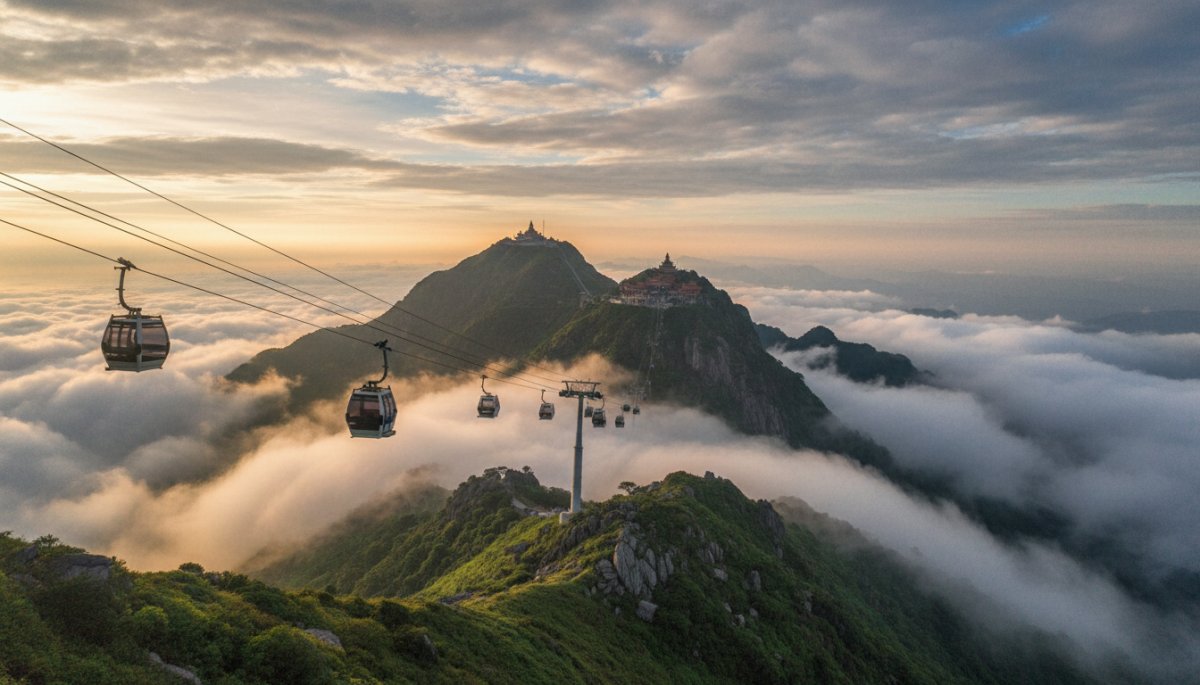
A visit to Mount Fansipan is one of the highlights of Sapa sightseeing. The cable car to the summit takes about 15 minutes, and the panoramic view of the sea of clouds spreading below and the surrounding mountains is overwhelming. On a clear day, you can see all the way to distant villages.
山頂付近には仏教寺院や巨大な仏像があり、ベトナムの精神文化に触れることもできます。山頂周辺には仏教施設があり、参拝する人も観光する人もいます。訪問目的を国民全体の「巡礼」として一般化せず、礼拝中の人や宗教施設への配慮を優先してください。
The summit has low temperatures, and sudden weather changes are not unusual. Preparing cold-weather gear and rain gear is essential. Also, as an altitude-sickness measure, act slowly and be sure to hydrate well. There are souvenir shops at the foot of the mountain, where you can find items to remember the trip by.
Muong Hoa Valley – world-class terraced-field beauty
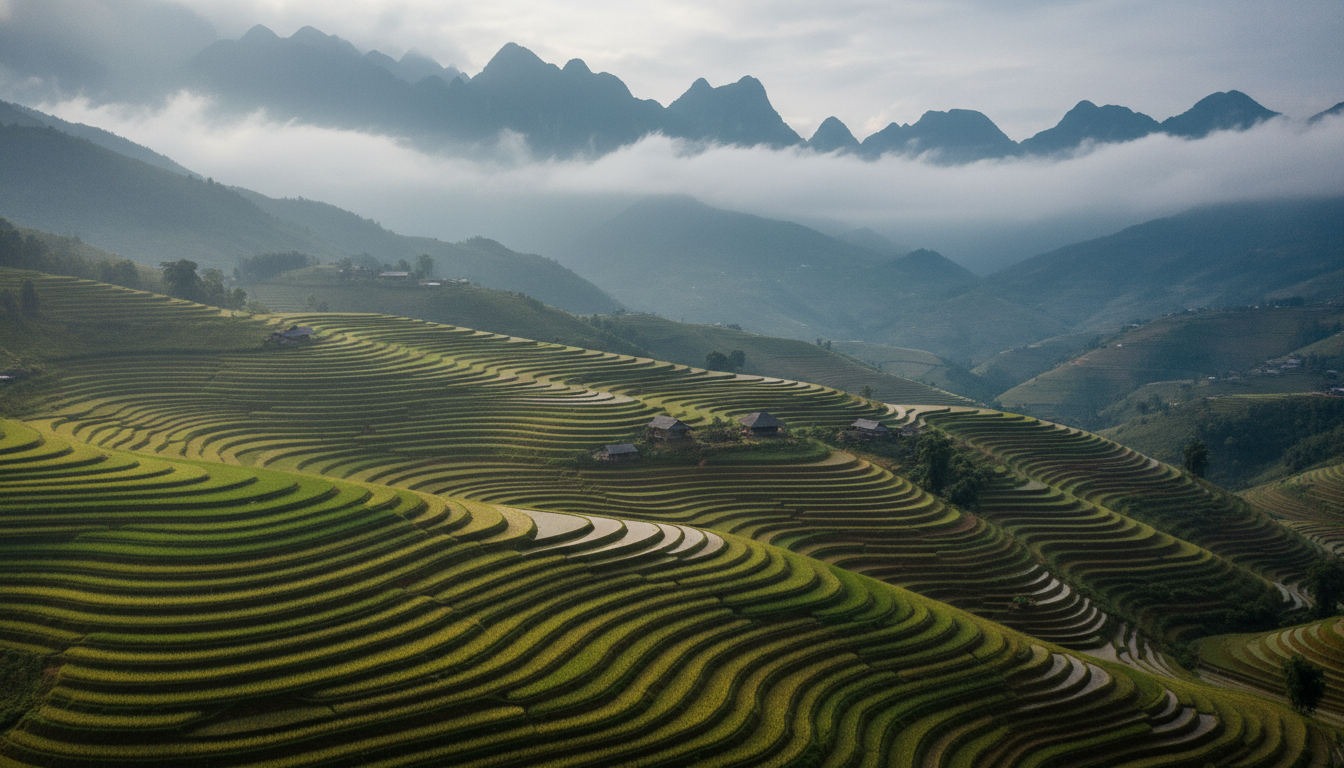
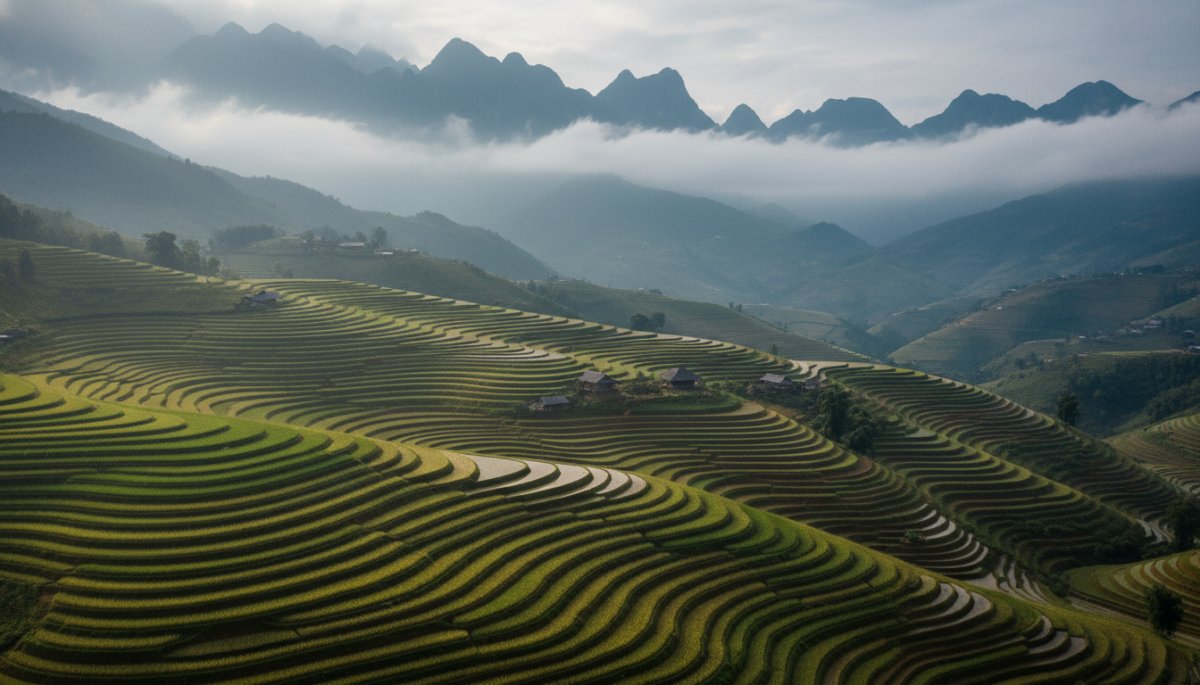
The Muong Hoa Valley is a spot that symbolizes Sapa's natural beauty. The scenery of the clear river running through the valley and the lush terraced fields spreading around it is a dreamlike place for photography lovers and naturalists.
Ethnic-minority villages are dotted around the valley, and many travelers do a homestay to learn about the cultural background. The terraced fields show different faces by season; especially the golden harvest period from late September to early October is a stunning view you can see only here.
The "water mirror" period from April to May is beautiful too, letting you enjoy the fantastical scenery of water-filled terraced fields reflecting the sky. Trekking courses are also maintained, and you can see traditional rice farming and ancient stone carvings.
Sapa Church – a trace of the French colonial era
Sapa Church, standing in the center of Sapa, is a stone Gothic-style building constructed by the French in 1895. It has a unique atmosphere fusing European church architecture with the scenery of Vietnam's mountains.
The church interior is simple yet solemn, with beautiful stained glass and wood-carved decorations, making a quiet place of prayer. That ethnic-minority people gather around the church, where you can see their traditional dress, is one of its charms too.
The church wrapped in morning mist is especially fantastical, fascinating many photography lovers. There are many souvenir shops and cafés around the church, where you can spend time at leisure. Make a point of visiting outside mass times.
Tinh Yeu Waterfall – a sacred place for lovers
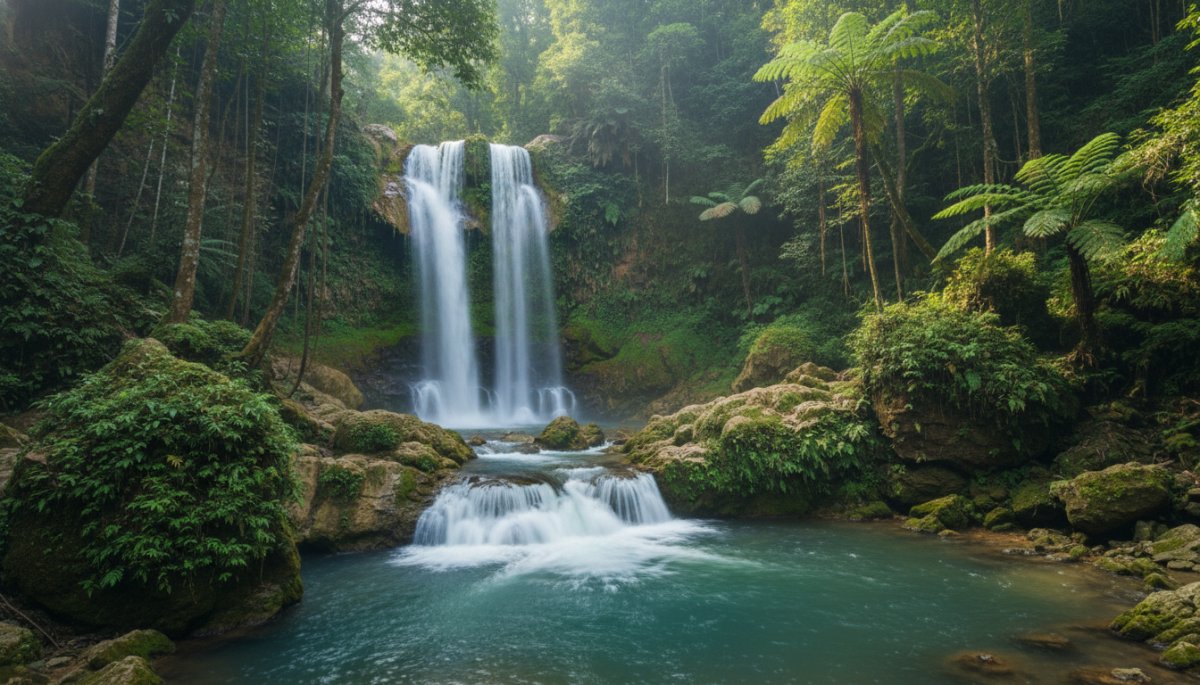
Tinh Yeu Waterfall, about 15 kilometers west of central Sapa, is a sacred place for Vietnamese couples, also called the "Love Waterfall." The way the water cascades into the plunge pool leaves a powerful impression on those who see it.
恋にまつわる伝承で紹介されることがありますが、出会いや運勢を保証する場所ではありません。景観と遊歩道を楽しみ、雨天時は滑りやすい足元を優先してください。水しぶきの迫力だけでなく、周囲の緑豊かな自然と調和する美しい景色も特徴です。
It's a stunning photo spot even within Sapa, so do capture it in a photo. However, on a rainy-season visit the paths become slippery, so ample care is needed for safety.
少数民族の村を訪ねる前に知っておきたいこと
Sapa's appeal isn't only nature. In the villages where five main ethnic minorities live, traditional culture handed down over centuries is still preserved.
Cat Cat Village – Hmong traditional crafts
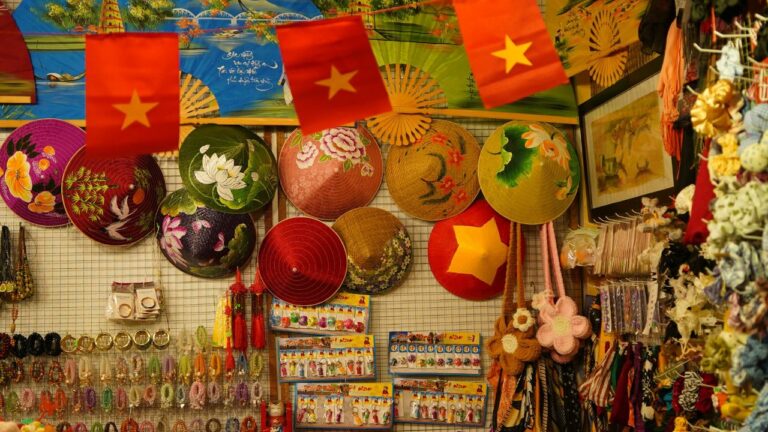
Cat Cat Village, within walking distance of central Sapa, is a village where the Hmong live. At the lively handicraft market you can buy traditional brocade weaving and embroidered products. You can also watch village women actually weaving cloth, and you'll be amazed at the skill.
The village has waterwheels and waterfalls too, giving a glimpse of a life in harmony with nature. Homestay programs are well-stocked, and experiences like learning traditional dishes and sewing ethnic dress are possible.
Ta Van Village – quiet terraced-field scenery
Ta Van Village is a village with beautiful, quiet terraced-field scenery. In this village where many Giay live, a leisurely time flows. Walk the village and you can see traditional stilt houses and villagers going about daily life.
ホームステイの内容は宿ごとに異なり、薬草風呂などを提供する施設もあります。「真正な文化」を消費するのではなく、住民の生活の場だと理解し、撮影前の許可、適正な料金、子どもへの安易な金品提供を意識してください。
Giang Ta Chai Village – a secluded spot of bamboo groves and waterfalls
Giang Ta Chai Village is a secluded-like village surrounded by bamboo groves and waterfalls. Together with Cat Cat Village and Ta Van Village, it forms a popular trekking route called the "Golden Triangle Trekking."
This trail, passing through three different ethnic groups in a single day, is not mere trekking but a soul-stirring adventure into the heart of the Sapa highlands. By touching different cultures and ways of life in each village, you can truly feel Sapa's diversity.
The best season and climate for Sapa sightseeing
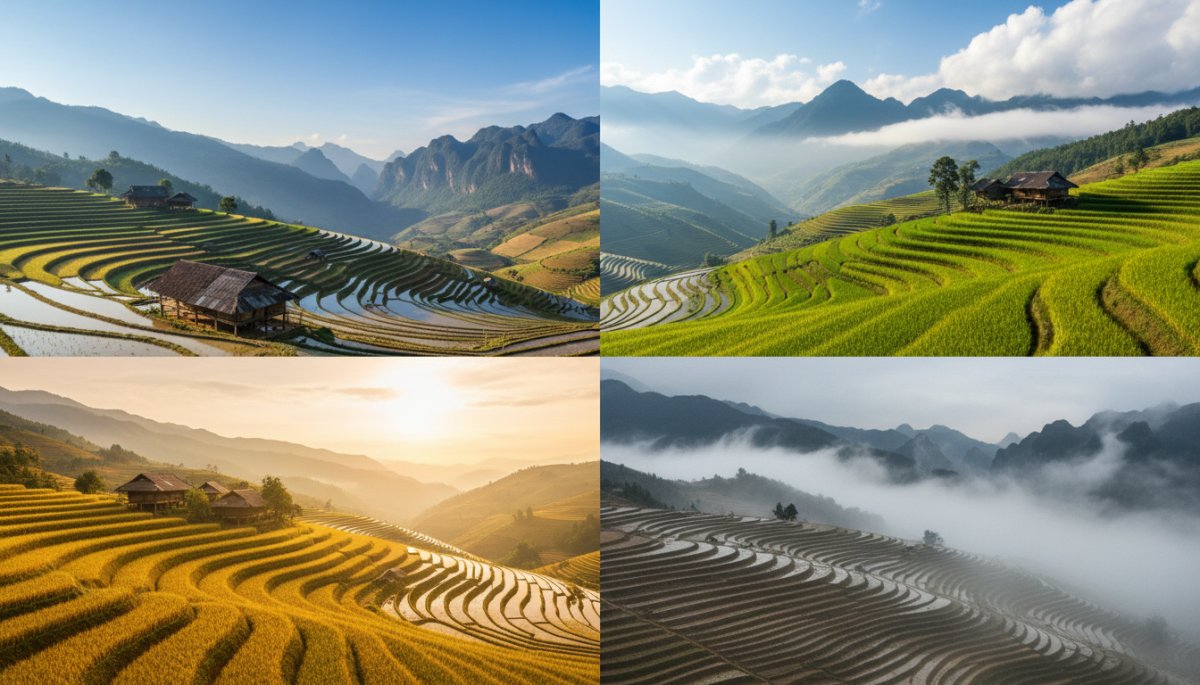
Sapa can be visited year-round, but it shows completely different faces by season. Choose the best time to match the purpose of your trip.
Spring (March–May) – water-mirror terraced fields
Spring is the time when water is put into the terraced fields, letting you enjoy the fantastical "water mirror" scenery of the surface reflecting the sky. Temperatures are a comfortable 15–20 degrees, and it's a beautiful season when flowers begin to bloom too. However, it's also a rainy time, so preparing rain gear is essential.
Summer (June–August) – a green carpet
Summer is the time when the terraced fields are covered in lush green. Temperatures are around 20–25 degrees, and while other regions of Vietnam are hit by heat, Sapa functions as a comfortable summer retreat. It's the best season for trekking, but it often rains in the afternoon, so morning activity is recommended.
Autumn (September–November) – the golden harvest period
秋は棚田が黄金色になる年がありますが、田植え・収穫時期は標高、集落、天候でずれます。9月後半〜10月前半を一律のベストとせず、訪問直前に現地の作柄と天気を確認してください。気温は15~20度程度で快適、晴天率も高く、写真撮影にも最適な時期です。
Winter (December–February) – a fantastical world of fog and snow
Winter is often covered in thick fog, and the temperature can drop to 0 degrees. Snow occasionally falls too, so you may get to see a snowy landscape rare in Vietnam. It's appealing for those who want to enjoy a romantic atmosphere, but cold-weather measures are essential.
How to access Sapa and means of transport
Access to Sapa is generally from Hanoi as the starting point. There are several options, which you can choose according to your priorities of budget, time, and comfort.
Night bus – the value-focused choice
ハノイからサパまでの夜行バスは、最もコストパフォーマンスに優れた選択肢です。所要時間は約5~6時間で、夜発・朝着便もありますが、睡眠の質、山道、到着時刻、安全設備を含めて選びます。会社名だけで安全・快適とは判断せず、運行許可、シートベルト、最近の評価、乗降場所を確認してください。
However, what to do with your suitcase after arrival can be an issue. If you arrive early morning with time before check-in, applying for a local half-day tour can solve luggage storage and sightseeing at once.
Sleeper train – the choice for enjoying travel romance
The sleeper train from Hanoi to Lao Cai is an option for enjoying travel romance unique to Vietnam. Choose a comfortable sleeper train like the Laman Express and you can travel while enjoying the scenery through the window. From Lao Cai to Sapa is about an hour by bus.
Private car – the choice for comfort
専用車は乗換えを減らせますが、快適性と安全性は車両、運転手、休憩計画で変わります。高速道路を使えば約5時間で到着し、途中のパーキングエリアで休憩を取りながら、自分のペースで移動できます。高齢者や小さな子供連れの家族には特におすすめです。
The mountain road from Lao Cai to Sapa is a stunning route with beautiful terraced fields. With a private car, you can stop wherever you like to take photos.
Sapa sightseeing model courses
1-night, 2-day course – Sapa for the first time
Day 1: Night bus from Hanoi to Sapa (early-morning arrival) → visit the Sapa market and Cat Cat Village on a half-day tour → hotel check-in → stroll around Sapa Church → relax at Sapa Park → dinner
Day 2: Ascend Mount Fansipan by cable car → enjoy the stunning view at the summit → lunch → visit Tinh Yeu Waterfall → return to Hanoi
2-night, 3-day course – savoring Sapa
Day 1: Private car from Hanoi to Sapa → hotel check-in → stroll around Sapa Church and Sapa Park → dinner
Day 2: Golden Triangle Trekking (Cat Cat Village → Ta Van Village → Giang Ta Chai Village) → homestay experience → learn traditional dishes
Day 3: Ascend Mount Fansipan → trek in the Muong Hoa Valley → return to Hanoi (sleeper train)
3-night, 4-day course – Sapa at leisure
Day 1: Travel from Hanoi → arrive in Sapa → stroll the town
Day 2: Ascend Mount Fansipan → play at Sun World
Day 3: Homestay in an ethnic-minority village → cultural experiences (brocade weaving, herbal bath, traditional dishes, etc.)
Day 4: Visit Tinh Yeu Waterfall → trek the Muong Hoa Valley → return to Hanoi
Sources
VELTRA "The charm of Sapa sightseeing in Vietnam! 30 recommended spots and experiences"
created from
Points to note and useful information for Sapa sightseeing
To enjoy Sapa sightseeing to the fullest, keep a few points to note and useful bits of information in mind.
Clothing and what to bring
Sapa is at a high elevation with low temperatures, so cold-weather clothing suited to the season is needed. Especially in winter it can drop to 0 degrees, so a down jacket and sweaters are essential. If you trek, don't forget comfortable walking shoes and rain gear.
Local currency and credit cards
Central Sapa has exchange offices and ATMs, but in ethnic-minority villages cash-only transactions are basic. Prepare enough cash. Credit cards are usable at some hotels and restaurants, but there are also many places they can't be used, so we recommend bringing plenty of cash.
SIM cards and internet
Central Sapa has many cafés and hotels with usable Wi-Fi, but in mountainous areas and villages the signal may not reach. Buying a Vietnamese SIM card at the Hanoi airport or in the city is convenient.
Food and manners
In Sapa you can enjoy not only Vietnamese cuisine but also traditional ethnic-minority dishes. At a homestay you often eat together with the family, so knowing Vietnamese dining manners is good. Observing basic manners, like how to use chopsticks and etiquette during meals, allows for better cultural exchange.
Altitude-sickness measures
Mount Fansipan is 3,147 meters high, with a risk of altitude sickness. Avoid rapid altitude changes and act slowly. Hydrate well, and if you feel anything wrong with your condition, descend immediately.
予約前の現実的なチェック
- 棚田の色・雲海・眺望は天候と農作業次第
- バス・列車・専用車の乗降地、到着時刻、シートベルト
- ケーブルカーの運休と山頂の低温・階段・高度
- トレッキングの難度、泥道、保険、ガイドの資格
- 村では撮影許可を取り、生活者を展示物のように扱わない
Summary – make unforgettable travel memories in Sapa
Sapa is a secluded resort spreading across the mountains of northern Vietnam. World-class beautiful terraced fields, the Indochina Peninsula's highest peak Mount Fansipan, and the rich culture woven by five ethnic minorities. All of these make Sapa a one-of-a-kind tourist destination.
The best season is the golden harvest period from late September to early October, but Sapa, which shows different faces by season, offers new discoveries whenever you visit. Access from Hanoi is rich in options too — night bus, sleeper train, private car — so you can choose to match your budget and travel style.
Whether a short 1-night, 2-day stay or a leisurely 3-night, 4-day stay, Sapa will offer unforgettable memories to everyone who visits. The stunning terraced fields, interaction with ethnic minorities, mountain trekking. Discover Vietnam's new charm in Sapa too.
For those who want to know more about Vietnam's tourist information and coffee culture,VNcheck the detailed information at. It's packed with appealing information on places across Vietnam, starting with Sapa.