One of the joys of a Vietnam trip is choosing souvenirs.
Coffee, lotus tea, dried fruit, bamboo goods—there are plenty of appealing items, but what troubles many travelers on the way home is “how to pack it all into a suitcase.”
割れ物や液体は、丁寧に包んでも破損・漏れを完全には防げません。この記事では、商品別の梱包手順に加え、航空会社の条件、危険物、検疫を先に確認する判断順を解説します。
Let’s get the precious souvenirs you bought locally back to Japan intact.
Features of Vietnamese souvenirs and packing precautions
Vietnamese souvenirs are packed with charms unique to the country.
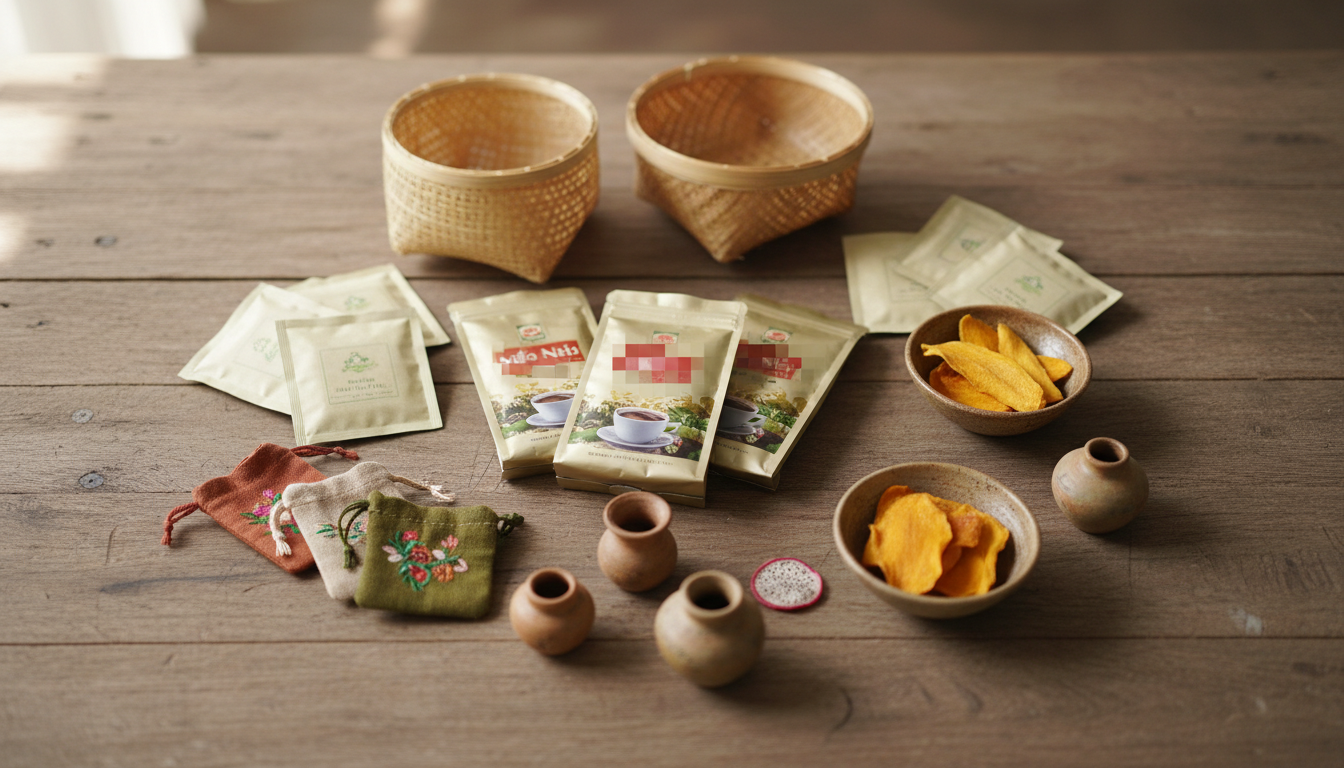
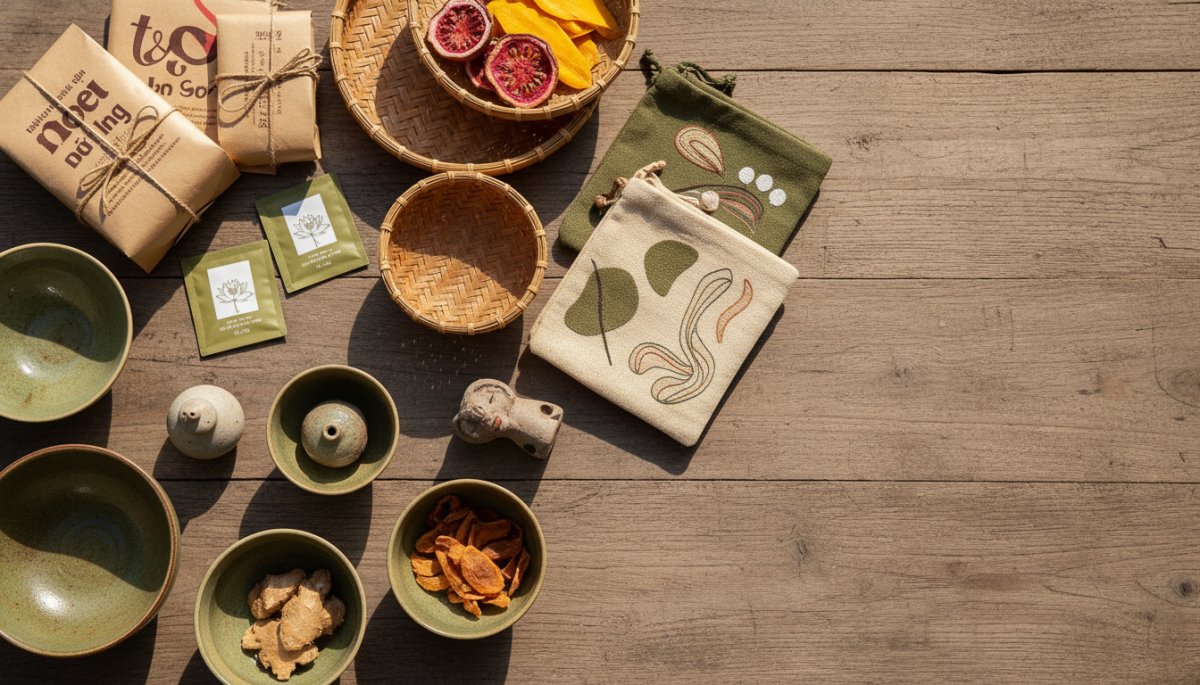
Coffee, as you’d expect from one of the world’s top producers, is dark-roasted with a bold flavor, and brands like Trung Nguyen and King Coffee are popular. Lotus tea infuses the tea leaves with the scent of lotus flowers, giving a gentle, refined aroma. Dried fruit offers an appealing tropical lineup—mango, pineapple, dragon fruit, and more.
Among the goods, baskets made from bamboo and rattan, rustic pottery, and embroidered textiles convey the warmth of handwork that fits naturally into daily life.
When packing these souvenirs into a suitcase, what you must watch out for most are “fragile items” and “liquids.”
Coffee in glass jars and pottery are weak against impact, while liquid seasonings and shampoo can leak with changes in air pressure. Dried fruit and sweets are easily crushed under pressure, so they require careful packing. Textiles are compact and light, so they can even double as cushioning.
Follow the basic principle of securing items so they don’t shift inside the suitcase, placing heavy things at the bottom and light things on top.
Packing techniques for fragile items: how to protect pottery and glassware
Vietnamese pottery and glassware includes many delicate, beautiful pieces, but they’re items with a high risk of breakage in transit.
First, before packing fragile items, prepare the necessary materials. Cushioning (bubble wrap), newspaper, towels or clothing, plastic bags, and masking tape make up the basic set. You can get these at local supermarkets and convenience stores, but bringing them from Japan gives you peace of mind.
Steps for packing pottery and tableware
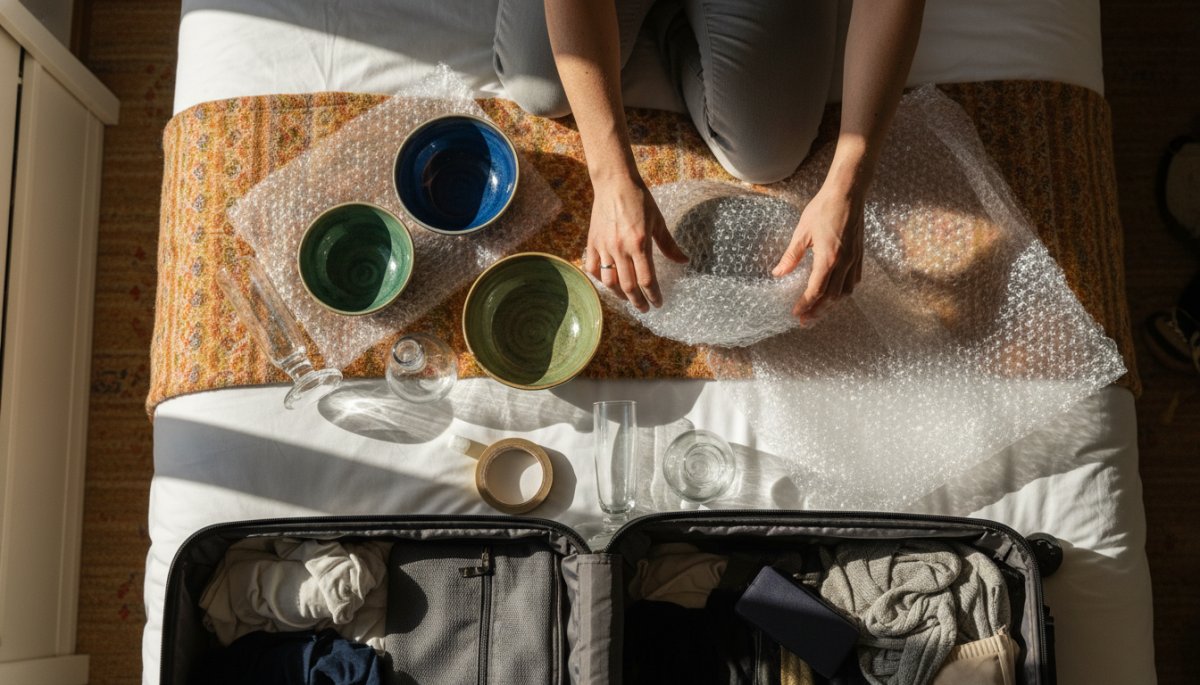
Wrap pottery plates and bowls one by one in cushioning or newspaper.
For flat plates, the key is to fold the wrapping in from the four corners, tape it, and place them upright in the suitcase. Because they’re weak against pressure from above, laying them flat makes them more likely to break. Deep dishes and bowls can go in on their sides, but when stacking several, place cushioning between them.
For large items like salad bowls, wrap the whole thing in a sheet of newspaper and then wind a towel around it for added safety.
Steps for packing glassware and cups
For glass cups and mugs, roll cushioning around the sides and fold it in over the rim.
ワイングラスは脚と飲み口が特に壊れやすいため、脚を支えてから全体を別の緩衝材で包み、硬い箱へ入れます。向きだけで安全とはいえず、互いに触れない間隔と、上下左右の緩衝層を確保してください。高価な品は店の発送・補償条件も比較します。
How to position items inside the suitcase
The basic rule is to place fragile items in the center of the suitcase.
Avoid the outer edges, which take the most impact. Position heavy pottery near the bottom and light glassware on the upper layers. Fill the gaps with clothing and towels to keep everything from shifting. Putting items in plastic bags means that even if something breaks, the fragments won’t scatter.
When carrying several fragile items, wrap each one individually and then bundle them together in a large sheet of cushioning for added safety.
Packing techniques for liquids: how to safely pack coffee, seasonings, and cosmetics
Because liquids risk leaking with changes in air pressure, they need especially careful packing.
Liquid-based souvenirs come in many forms—liquid Vietnamese coffee, seasonings like fish sauce, and shampoo or cosmetics. Let’s look at the specific steps for bringing these home safely.
Seal the liquid containers
First, check that the caps and lids on liquid containers are firmly closed.
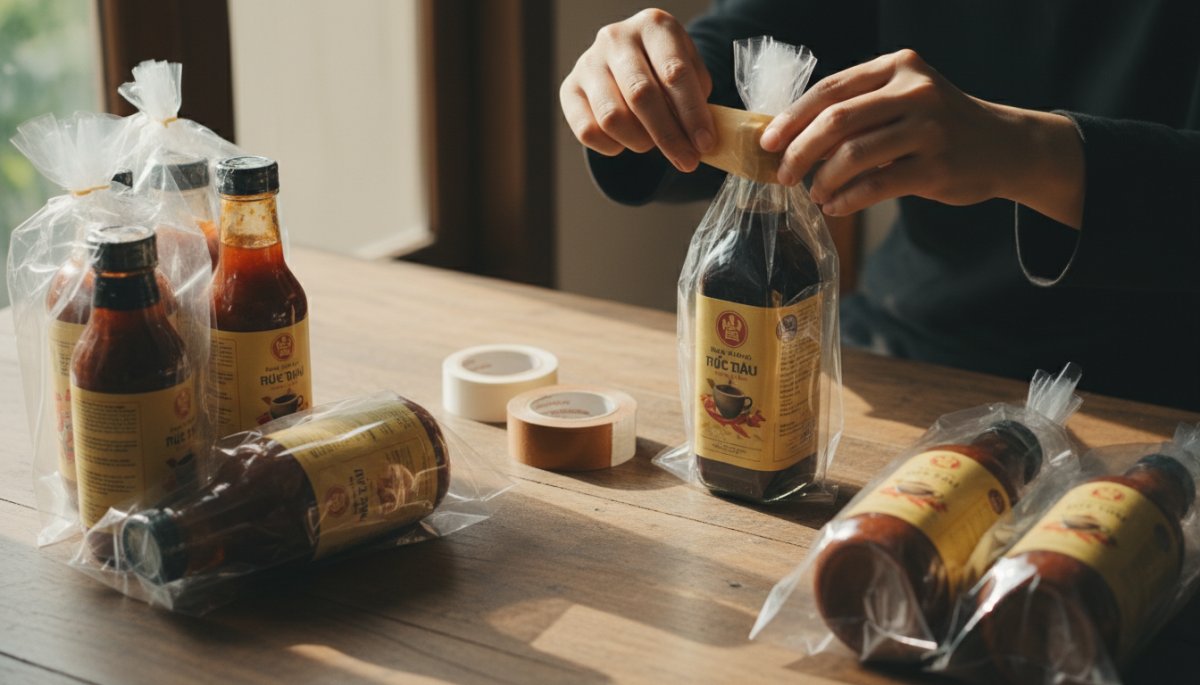
Securing the cap with masking tape keeps it from opening as things shake during transit. For pump-type containers, wrap masking tape around the head to lock it in place. Covering the mouth of the container with plastic wrap before closing the cap gives you double protection.
Wrap in plastic bags, double or triple
Always place liquid containers in plastic bags.
Put each container in a small plastic bag, squeeze out the air, and seal it with tape. Then place it in a larger plastic bag to double up, for peace of mind. Even if a leak occurs, it won’t soil the rest of your luggage. When carrying several liquids, bag them individually and then put them all together in one larger bag.
Positioning and securing inside the suitcase
The ideal spot for liquids is the lower center of the suitcase.
Because they’re heavy, place them near the bottom and surround them with clothing and towels to hold them in place. Standing them upright makes leaks less likely. Wrapping the bagged liquids in a towel adds cushioning too. If you carry liquids in your carry-on, note that they must be in containers of 100 ml or less and placed in a clear zip-top bag.
How to decide between carry-on and checked baggage
There are strict limits on carrying liquids on board.
国際線の保安検査では、一般に機内へ持ち込む液体は1容器100ml以下で、合計1L以下の透明な再封可能袋にまとめます。ただし、出発空港、乗継空港、航空会社で運用が異なり、容器容量が100mlを超えると中身が少なくても対象外になることがあります。100ml超を受託手荷物へ入れられるとは限らず、可燃性・腐食性など危険物は持込みも預入れも禁止される場合があります。購入前に運航会社と空港の最新規則を確認してください。
Packing techniques for foods: coffee, tea, and dried fruit
Many Vietnamese food souvenirs are light and easy to bring home, but proper packing keeps them fresh and in good condition.
How to pack coffee and tea
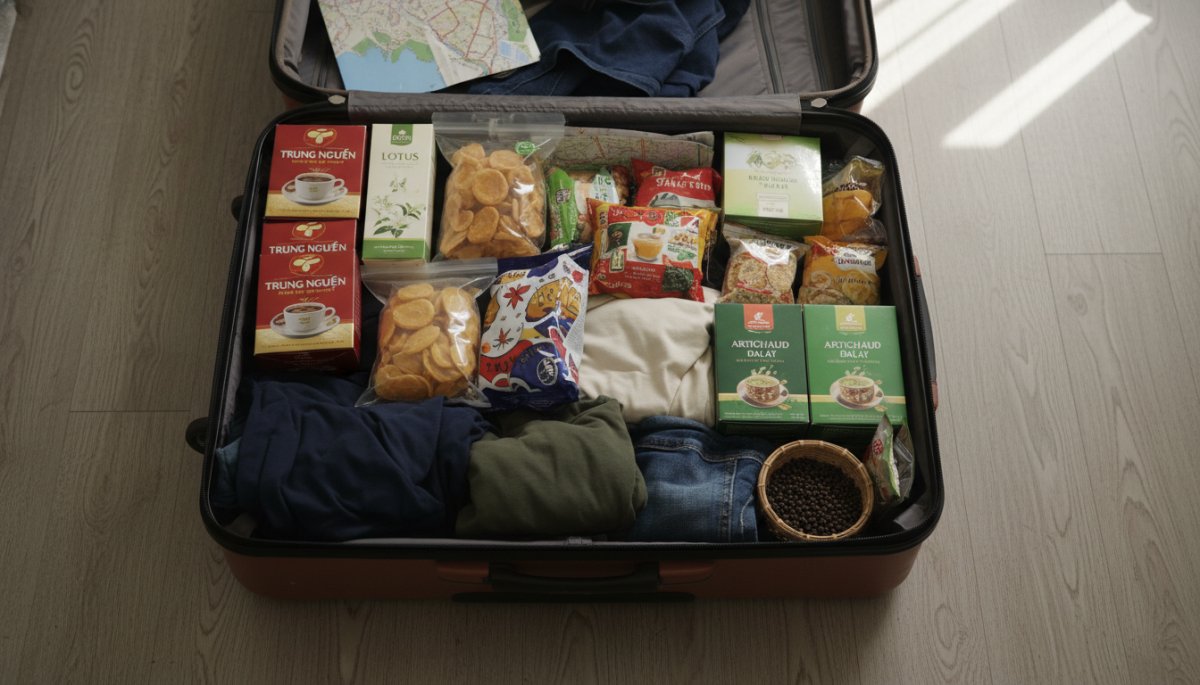
Vietnamese coffee like Trung Nguyen and King Coffee mostly comes as ground coffee or drip bags.
These come in sealed packaging, but they can tear under pressure inside the suitcase. It’s safest to bag them and then nestle them between clothing. Protect teas like lotus tea and jasmine tea the same way—bag them before packing. VinaTea and Phuc Long tea bags often come in boxes, so the trick is to wedge them between firm items to keep the box from getting crushed.
How to pack dried fruit and sweets
Dried fruit is easily crushed under pressure, so it’s safest to put it in a hard case or box.
マンゴー、パイナップル、ドラゴンフルーツなどのドライフルーツは、個包装されているものが多いですが、まとめて大きめのジッパー付き袋に入れると整理しやすくなります。ココナッツキャンディーやピーナッツ菓子は比較的丈夫ですが、重いものの下敷きにならないよう上層に配置しましょう。インスタント麺は箱の潰れだけでなく、粉末スープや具材に肉・卵由来原料がないか確認します。真空包装や少量でも日本の動物検疫対象になることがあり、ドライフルーツ、種、香辛料、竹・ラタンも植物検疫の確認が必要です。梱包できることと日本へ持ち込めることは別問題です。
How to pack spices and seasonings
Spices like pepper and chili can leak their aroma even in sealed containers.
Put them in a zip-top bag and then double-wrap in a plastic bag so the scent doesn’t transfer to other items. Powdered spices can make the bag swell with pressure changes, so squeeze out the air before sealing. For liquid seasonings, refer to the liquid-packing techniques above.
Packing techniques for goods: bamboo, textiles, and pottery
Vietnamese goods charm with the warmth of handwork, but packing methods differ by material.
How to pack bamboo and rattan items
Bamboo and rattan baskets and bags are light but easily lose their shape.
Stuff the inside with newspaper or clothing to keep their shape, and wrap the outside in cushioning. When carrying several baskets, nesting the smaller ones inside the larger saves space. Because rattan’s fine weave snags easily, bagging it before packing is safest.
How to pack textiles and embroidered accessories
Cloth pouches, bags, and embroidered accessories are light and compact, so they can double as cushioning.
They’re perfect for wrapping fragile items or liquids and for filling gaps in the suitcase. To keep the embroidery from rubbing, turn the pieces inside out before folding, for peace of mind. Gathering several textiles into one plastic bag keeps them tidy. For clothing, using compression bags saves space too.
How to pack pottery and decorative items
For rustic pottery and decorative pieces, refer to the fragile-item packing techniques.
Small figurines and ornaments are safest wrapped individually in cushioning and then placed in a hard case or box. When carrying several small items together, bag each one, wrap it in cushioning, and store them in a larger box or pouch. Position them in the center of the suitcase and secure them with clothing all around.
Strategies for weight limits and choosing a suitcase
Buy a lot of souvenirs and weight limits start to matter.
受託手荷物の個数・重量・寸法は、航空会社だけでなく路線、運賃種別、共同運航便でも異なります。旧稿の20〜32kgを一律の目安にせず、予約番号から実際の無料枠と1個当たりの上限、超過料金を確認してください。空港へ向かう前に携帯はかりで量り、壊れ物は航空会社の補償除外条件も確認します。
Tips for reducing weight
Shipping heavy souvenirs from Vietnam is one option.
別送品は料金、追跡、補償、所要日数、郵送禁止品と日本の輸入条件を配送事業者へ確認します。液体や食品は郵送なら自由になるわけではありません。機内持込手荷物の個数・重量・寸法も運賃と運航会社で異なり、予備のリチウム電池やモバイルバッテリーは通常、端子を保護して機内持込みとするなど個別条件があります。貴重品や薬は手元に置きつつ、保安検査と寸法条件を満たすか確認してください。
Suitcase size and how to choose
Choose your suitcase based on the length of your Vietnam trip.
容量は日数だけで決めず、予約便の寸法・重量枠、移動手段、自分で運べる重さから逆算します。大きいケースは詰め過ぎやすいため、帰路の余白と重量を先に決める方が現実的です。TSA対応錠は米国の検査で開錠される仕組みで、盗難防止を保証するものではありません。素材名だけで耐久性を断定せず、車輪、取っ手、重量、保証を比較してください。
梱包前に確認する7項目
- 日本へ持ち込める品か、税関・動物検疫・植物検疫を確認する
- 運航航空会社と乗継空港の危険物・液体ルールを確認する
- モバイルバッテリーなどリチウム電池のWh表示と収納先を確認する
- 予約した運賃の個数・重量・寸法上限を確認する
- 液体は個別に密封し、割れ物は硬い箱と緩衝層で分離する
- 荷物を揺らして動かないか確かめ、出発前に実測する
- 高価な品はレシートと梱包後の写真を残し、補償条件を確認する
「うまく詰めれば持ち帰れる」ではなく、持込み可否、航空規則、破損リスクの順で考えるのが要点です。フラジャイル表示も丁寧な取扱いや補償を保証しません。迷う品は買う前に確認し、条件が曖昧なら現地で消費する、正規の国際配送を使う、購入を見送る選択もあります。
Summary: bringing Vietnamese souvenirs home safely
To pack Vietnamese souvenirs safely into a suitcase, packing suited to each item’s nature is key.
Wrap fragile items in double or triple layers of cushioning and place them in the center of the suitcase. Seal liquids in plastic bags and put them upright near the bottom. Protect foods from being crushed under pressure with a hard case or clothing. Pack goods appropriately for their material—textiles can even double as cushioning.
The key to preventing damage is to keep weight limits in mind while securing everything so nothing shifts inside the suitcase.
Practice these techniques and you can bring the precious souvenirs you chose in Vietnam home to Japan intact. Along with your travel memories, enjoy the scents and flavors of the country.