White lotus that once only nobility could taste can now be viewed by anyone. Tinh Tam Lake within Hue's Nguyen-dynasty citadel is blanketed in white lotus, welcoming the lotus season. Last year's great floods are said to have had a favorable effect on the lake's environment, making this year an exceptional bumper year. Dawn ao dai photography, lotus-tea making, lotus-leaf hat making — a seasonal experience unique to Hue, savoring the palace's "royal lotus" with all five senses. The article was published on June 30, 2026.
The "royal lotus" the Nguyen nobles loved
The lotus of Tinh Tam Lake is a special presence historically supplied for the Nguyen-dynasty nobility. Ho Thi Hoang Anh, an artisan of court cuisine, says, "With Tinh Tam Lake lotus seeds, just cooking one pot fills the whole room with fragrance."
The lotus seeds are small and nearly round (about the size of a longan), reddish-brown (canh gián), softening naturally when cooked and giving off a delicate fragrance. Lotus grown in the storied place of the palace moat wears a different context — Hue's dynastic culture — from Hanoi's West Lake lotus festival (Related articles).
Why this year is a "bumper year"
There's a reason for this year's magnificent bloom. Last year's great floods washed away the grime accumulated in the lake and carried in nutrient-rich sediment. Deputy director Le Cong Son explains, "The palace white lotus is very sensitive to worsening water quality and can't survive even slight pollution." Ironically, the purification the disaster brought created ideal growing conditions for the white lotus.
| Item | Details |
|---|---|
| Location | Tinh Tam Lake within Hue's Nguyen-dynasty citadel |
| Highlights | A blanket of white lotus (royal lotus) |
| This year's feature | Last year's floods purified and enriched the lake, making it a bumper year |
| Lotus seed | Small, nearly round, reddish-brown, delicately fragrant |
| Experience | Dawn ao dai photography / lotus tea / lotus-tea making / lotus-leaf hats / lotus paper crafts |
A dawn lotus stroll and hands-on crafts
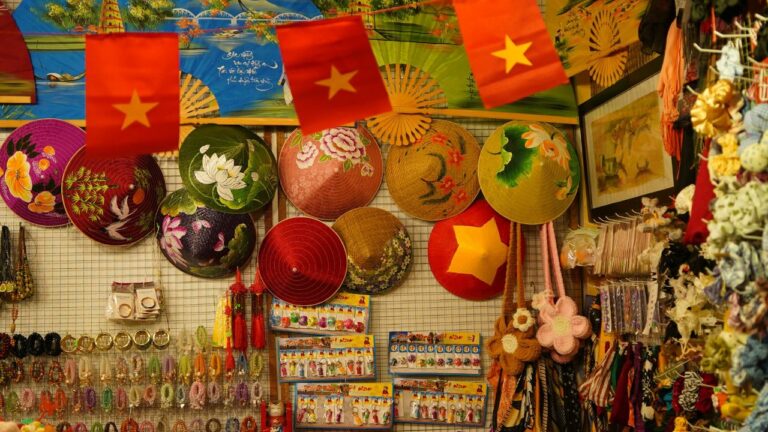
The ways to enjoy it are varied. At dawn, don an ao dai and take photos among the lotus, then savor tea in a bamboo pavilion on Bong Lai island. Workshops for lotus-tea making, hat-making using lotus leaves, and lotus-motif paper crafts are also on offer. That "making and tasting" combines with just looking is the appeal of Hue's lotus season.
In Hue, tourism efforts staged on nighttime lotus ponds are advancing too (Related articles), and the ancient capital is deepening its experiences around the axis of "lotus."
A discovery for Japanese travelers
For Japanese travelers visiting Hue, adding the time axis of "the lotus season" to a palace tour raises the resolution of the trip. A lotus stroll in the soft light of early morning, combined with the stage of the World Heritage moat, becomes a special experience. Lotus-tea making and leaf-hat making are indoor handwork that can be enjoyed even in the rainy season, suiting families too.
Lotus is a material symbolic of Hue, incorporated even into in-flight meals (Related articles). Lotus seeds and lotus tea also make easy-to-carry souvenirs, becoming an item that "brings the fragrance of the ancient capital home."
Summary
The white lotus of Tinh Tam Lake, loved by the Nguyen nobles, has reached a bumper year after last year's floods. From dawn photography and lotus-tea making to paper crafts, savoring the palace's royal lotus with all five senses is Hue's lotus season. You can enjoy the context of dynastic culture, distinct from Hanoi's West Lake lotus festival. If you plan a Hue trip, visit the early-morning citadel timed to when the lotus blooms.
Hue and lotus — a special relationship nurtured by the ancient capital
For Hue, lotus is not merely a summer flower. In this land where court culture flourished as the Nguyen-dynasty capital, lotus seeds and lotus tea have been prized as important materials of court cuisine and court tea. Tinh Tam Lake's lotus is called "royal lotus" because of that historical background. Beyond admiring the flower, a "culture of using it fully" — eating the seeds and transferring the fragrance into tea — is rooted here, and that is the depth of Hue's lotus.
The ways to enjoy lotus are multilayered too. The seeds go into sweets and soups when cooked, the stamens at the flower's center scent lotus tea, and the leaves serve as a wrapper for xoi — each part has a role. Around Tinh Tam Lake, workshops let you experience these uses of lotus, connecting "see, make, and taste" as one.
A practical note for Japanese travelers
Lotus is at its best in early summer, and photography and strolls are comfortable at early morning before the heat rises. Combined with a citadel tour, you can enjoy lotus on the stage of the palace moat. Lotus tea and lotus seeds also make light, long-keeping souvenirs, welcomed as an item that "brings home the fragrance of the ancient capital." It's also an advantage that, with indoor experiences like lotus-tea making and paper crafts even in the rainy season, it's less affected by weather.
Frequently asked questions
When is the best time to see lotus?
Early summer is the best time. Early morning before the heat rises is comfortable for strolling and photography.
Where is it?
It's Tinh Tam Lake within Hue's Nguyen-dynasty citadel. Its location makes it easy to combine with a citadel tour.
What experiences are available?
There's a dawn lotus stroll and photography, lotus-tea making, and hands-on crafts like lotus-leaf hats and paper crafts. Lotus tea and lotus seeds make souvenirs too.
What souvenir is good?
Lotus tea and lotus seeds are the staples. Both are light and long-keeping, welcomed as an item that "brings home the fragrance of the ancient capital," tied to the royal lotus of Hue's Tinh Tam Lake. Lotus tea made by the method of using the flower's stamens for scenting is considered high quality.