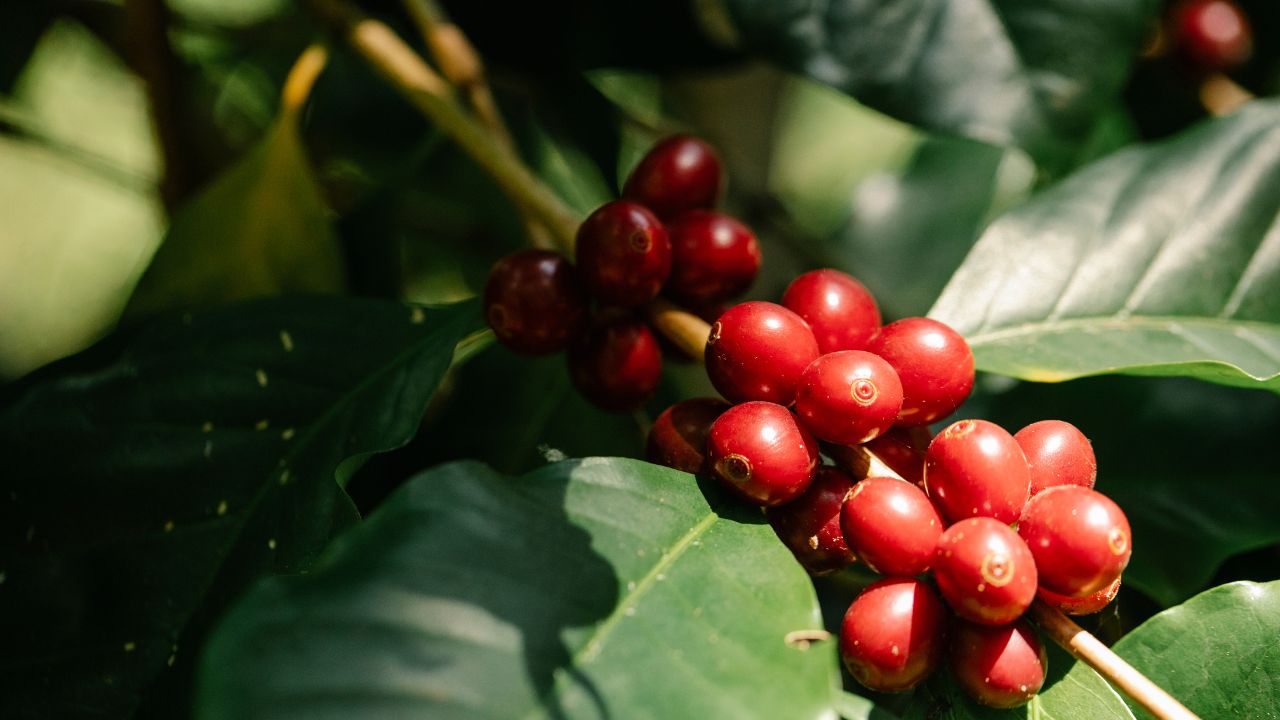
Your morning coffee time. You may be drinking your cup without a second thought, but within it live the memory of a faraway land and the work of its people.
Coffee is grown in more than 70 countries, and over 2.5 billion cups are consumed every day. Its flavor differs surprisingly by origin. A fruity, vibrant aroma; a mellow, gentle body; a powerful bitterness with a deep finish — these are all individual characters born from the climate, altitude, and processing of the land where the coffee grew.
This article thoroughly compares the characteristics of coffee's three great growing regions: Latin America, Africa, and Southeast Asia. By learning each region's distinctive flavor, growing environment, and differences in taste, your coffee choices are sure to become more enjoyable and more rewarding.
What is the coffee belt? Basics of the three great growing regions
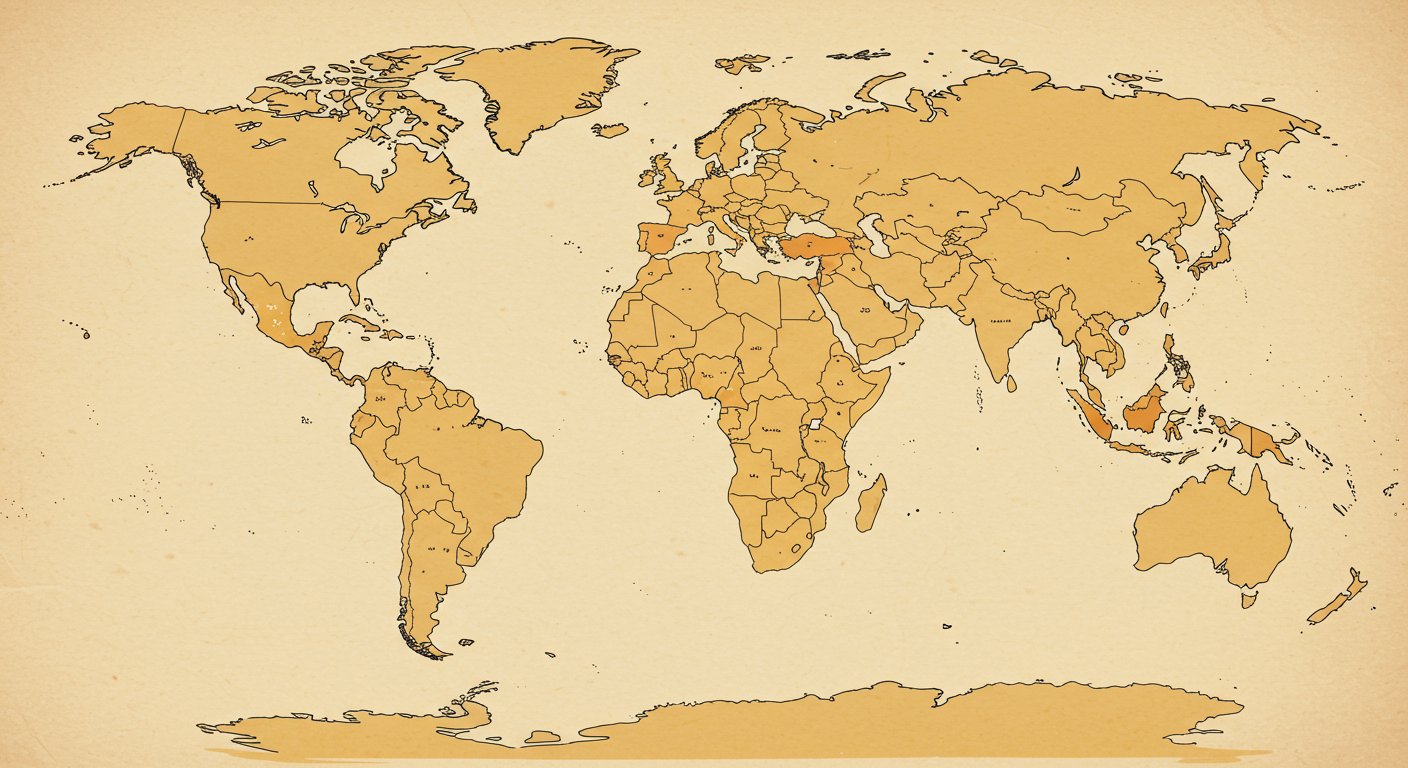
Regions suited to growing coffee are concentrated in a band stretching from 25 degrees north to 25 degrees south of the equator. Known as the "coffee belt," this zone brings together tropical to subtropical climates, abundant sunshine, moderate rainfall, and variation in altitude.
The world's largest producer is Brazil, accounting for about a third of global share. Vietnam is known as the largest producer of Robusta, and Colombia, Ethiopia, and Indonesia are important growing regions as well.
The varietal makeup of coffee traded worldwide
About 70% of the coffee traded worldwide is Arabica, with the rest being Robusta. Arabica is grown in highlands at 1,000 to 2,000 m and has a refined flavor rich in acidity and aroma. Robusta, by contrast, is a hardy variety that grows even in lowlands, with high caffeine and pronounced bitterness.
Even within the same region, the choice of variety, the roast level, and the processing method can make the taste vary greatly. This very diversity is what underpins the richness of coffee culture.
The three great growing areas of the coffee belt
The coffee belt divides broadly into three areas. Latin America boasts the world's largest production volume and is known for well-balanced flavor. Africa is known for rich acidity and fruity aromas, while Southeast Asia produces powerful coffees with strong bitterness and deep body.
The distinctive climate and growing culture of each area determine the character of its coffee.
Characteristics of Latin American coffee | Well-balanced flavor
Latin America is the world's largest coffee-growing region. Many countries belong to it, including Brazil, Colombia, Guatemala, Costa Rica, and Jamaica.
Latin American coffee has a fine balance of bitterness, acidity, and sweetness, and is loved as coffee that tastes the way coffee should.
The distinctive acidity born of washed processing
In Latin America, the washed method — which includes a fermentation stage when extracting the green beans from the coffee cherry — is the mainstream form of processing. This method produces a distinctive cherry-like acidity. Its clear, refined flavor is a major appeal of Latin American coffee.
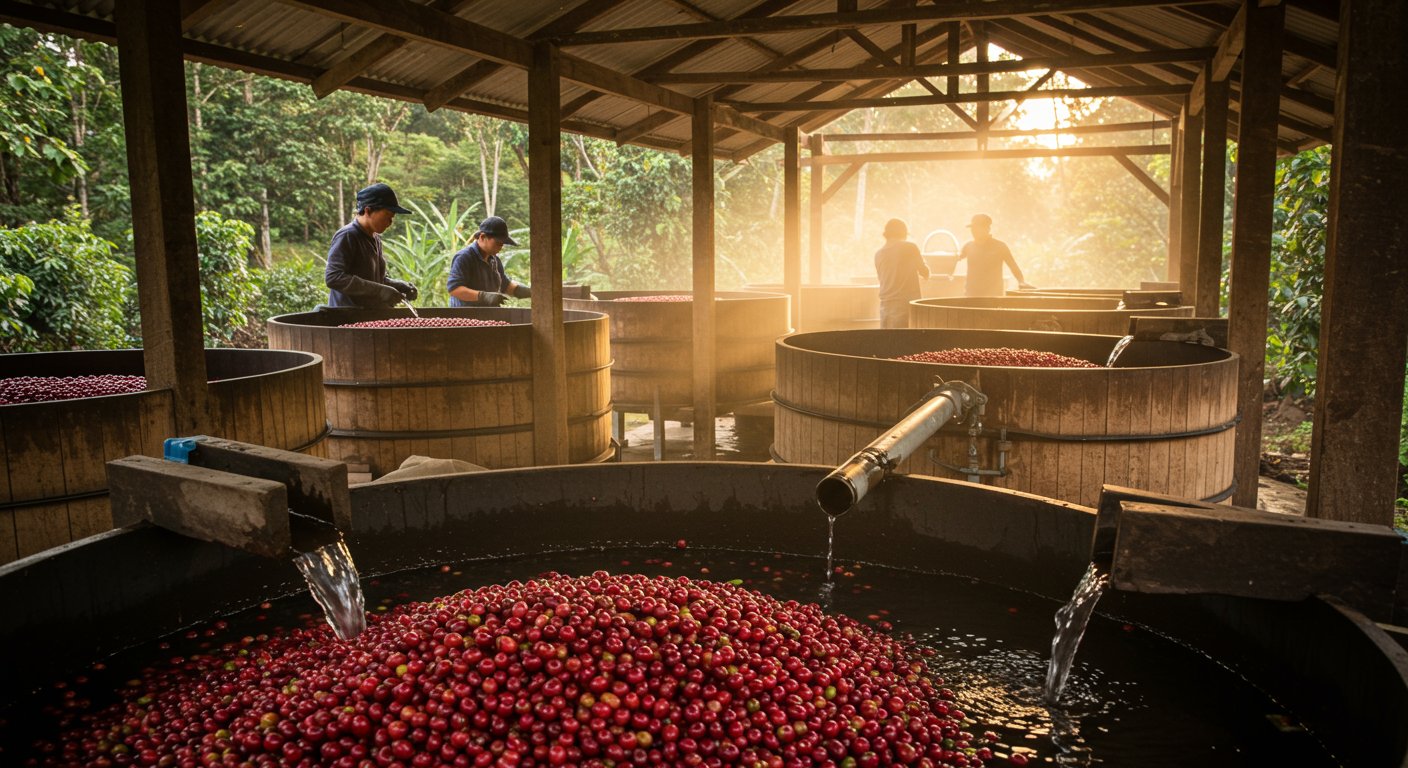
The flavors of representative Latin American origins
Brazilian Arabica has a good balance of acidity and sweetness, and its consistent quality is well regarded. It is known for a mellow, gentle body, with a nutty aroma to enjoy as well.
Colombia is famous for the mild Arabica grown in its highlands. With consistent flavor and aroma, much of its coffee gives a bright impression, and a clean acidity lends it a refined character.
Guatemala is known for a toasty sweetness and a long finish, while Jamaica's Blue Mountain is recognized worldwide as a rare, high-quality, balanced coffee. Costa Rica's appeal lies in its clear, refined clean cup.
Characteristics of African coffee | Vibrant, fruity aromas
Africa is known as the birthplace of coffee. East African regions such as Ethiopia, Kenya, and Tanzania are famous as origins of high-quality coffee with fruity, vibrant aromas.
Much of Africa's coffee is easy to drink: fruity with a gently sweet aroma, a refreshing acidity, and little bitterness.
The unique flavor born of dry processing
In many African countries, water is a precious resource. For that reason, the dry (natural) method is the mainstream form of processing. By sun-drying the coffee cherries with the fruit still on, it produces a distinctive acidity and sweetness.
This processing method yields many beans with floral and fruity aromas. The tendency is especially pronounced in Ethiopia, where you can enjoy a fruity aroma reminiscent of berries with a refreshing acidity.
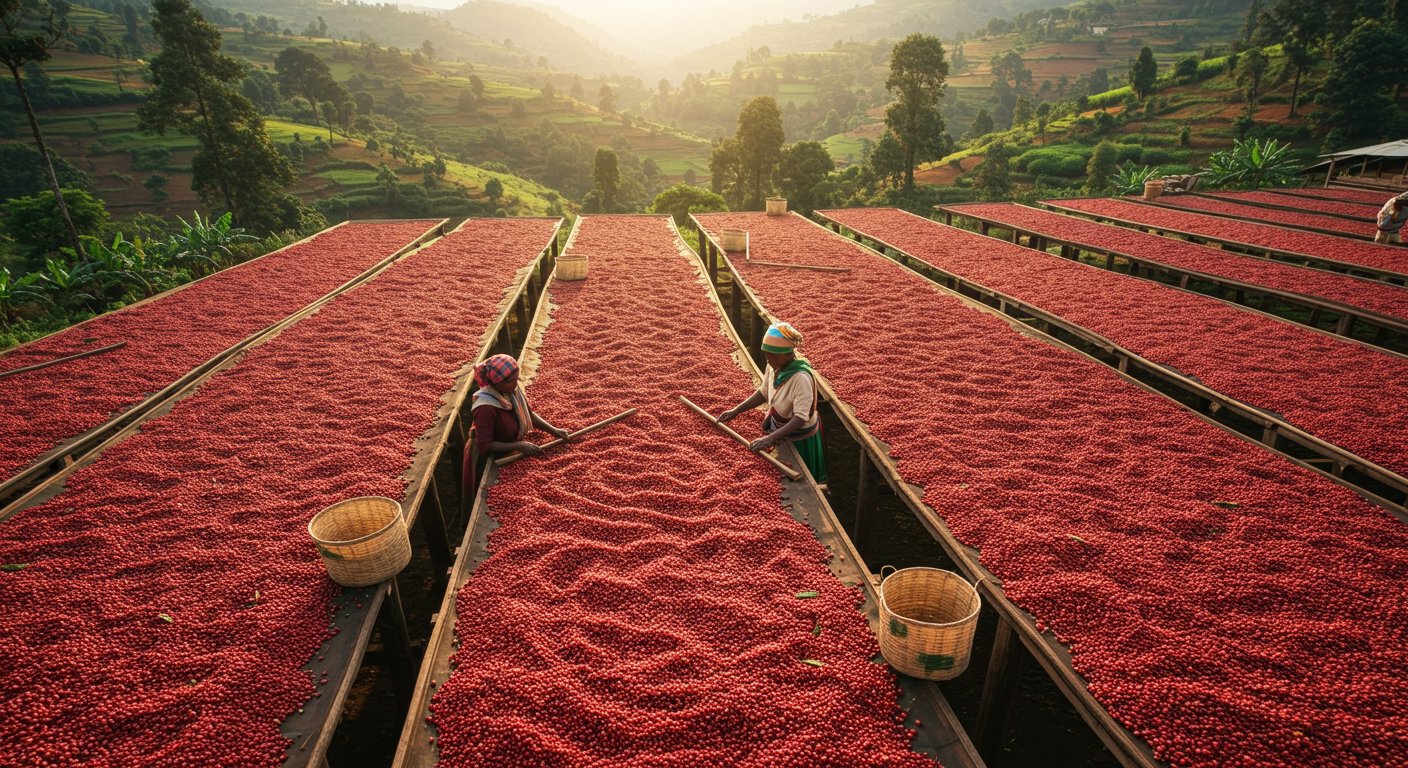
The flavors of representative African origins
As the birthplace of coffee, Ethiopia has nurtured a coffee culture rooted over centuries. Its top-grade beans, labeled "G1," are characterized by a vibrant, rich aroma, offering a fruity, berry-like fragrance with a refreshing acidity.
Kenya is known for the juicy flavor born of its rich natural environment. With a complex, vivid profile evoking cassis, fresh berries, and even bright grapefruit, its appeal lies in a generous, juicy acidity.
Tanzania is a balanced coffee known by the name "Kilimanjaro." It is characterized by a powerful acidity, rich body, and a sweet, caramel-like aroma, with the top grade "AA" especially highly regarded.
Characteristics of Southeast Asian coffee | Powerful bitterness and deep body
In Southeast Asia, Indonesia in particular has many volcanoes, and coffee grown in its nutrient-rich soil is famous worldwide. Mandheling and Toraja are known as its leading examples.
Southeast Asian coffee tends overall toward sharp bitterness and acidity, with many coffees offering deep, full, weighty body.
Vietnam, the largest grower of Robusta
Vietnam is the largest producer of Robusta, accounting for the bulk of global share. Robusta is characterized by strong bitterness and rich body, with relatively high caffeine. It is indispensable to instant coffee and espresso blends.
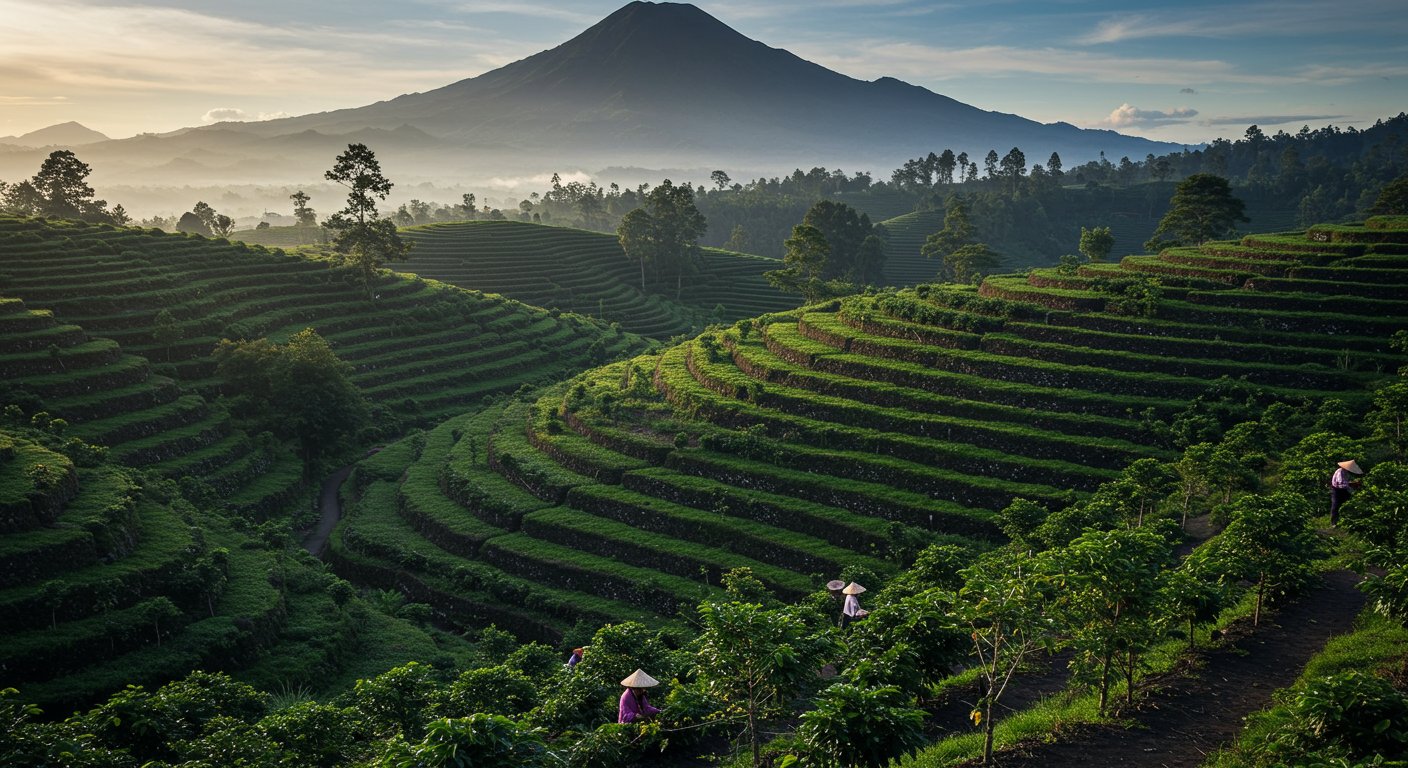
The flavors of representative Southeast Asian origins
Indonesia's Mandheling is characterized by the deep body and bitterness born of its distinctive processing method. Its appeal lies in a complex aroma evoking herbs and spices and a weighty body, and it pairs superbly with milk.
Vietnamese Robusta is characterized by a powerful bitterness and a punchy flavor. With its high caffeine content, it is considered ideal for espresso and iced coffee.
Hawaii's Kona coffee is highly prized for its rarity, characterized by a mellow acidity and a sweet aroma. Coffee grown on the Pacific islands has a distinctive flavor profile.
How to choose coffee by origin | Finding your perfect cup
Once you understand how flavor differs by origin, it becomes easier to find the cup that suits you.
For those who want to enjoy acidity and fruity flavors
For those who want a vibrant, refreshing acidity, African coffee is the recommendation. Ethiopia and Kenya in particular are known for fruit-like aromas and bright acidity, and brewing them light to medium roast draws out their character to the fullest.
Colombia and Guatemala from Latin America also offer a well-balanced acidity to enjoy.
For those who want to savor body and bitterness
For those seeking deep body and powerful bitterness, Southeast Asian coffee is ideal. Indonesia's Mandheling has a weighty body and complex aroma, and a dark roast makes its character stand out even more.
Vietnamese Robusta also offers a punchy bitterness and body to enjoy. It pairs superbly with milk in a caffè latte or cappuccino.
For those who want a balanced cup
For those seeking coffee with a balance of acidity, bitterness, and sweetness, Latin American origins are the recommendation. With little harshness and an easy-drinking character, Brazil and Colombia are ideal for those new to coffee, too.
Brewing at a medium roast lets you feel each origin's character while enjoying a well-balanced flavor.
Conclusion | Know the differences between origins and enjoy coffee even more
Coffee's three great growing regions — Latin America, Africa, and Southeast Asia — each produce entirely different flavors through their own climate, growing methods, and processing.
Latin America offers well-balanced flavor, Africa vibrant and fruity aromas, and Southeast Asia powerful bitterness and deep body. Knowing these differences makes your coffee choices more enjoyable and more rewarding.
More than 2.5 billion cups of coffee are consumed each day. Within a single cup live the memory of a faraway land and the work of its people. The next time you choose a coffee, try paying attention to its origin. You are sure to make a new discovery.

In the coffee culture of the world, value is now shifting from quality alone toward experience. The third-wave coffee movement, with its emphasis on transparency around origin, producers, and the roasting process, makes us mindful of the story behind the coffee.
Why not enjoy the differences between origins and savor the coffee cultures of the world for yourself?