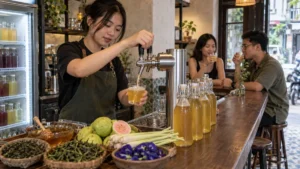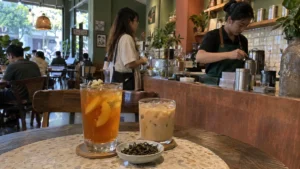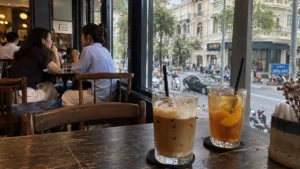
ベトナムの都市部では、コーヒーだけでなくミルクティーも日常的な選択肢です。Gong Cha(貢茶)はその一例ですが、ブランド史より、茶の種類・糖度・氷・トッピングをどう選ぶかが注文では重要です。ベトナムでは「トラースア(trà sữa)」と呼ばれるこの一杯は、いまや学生や会社員の日常に溶け込んでいます。その流れを牽引したブランドのひとつが、台湾発のGong Cha(貢茶)です。この記事では発祥をめぐる複数説を断定せずに整理し、初めてでも甘さや量で失敗しにくい注文方法を補います。店舗・価格・期間限定品は変わるため、当日の公式メニューを優先してください。
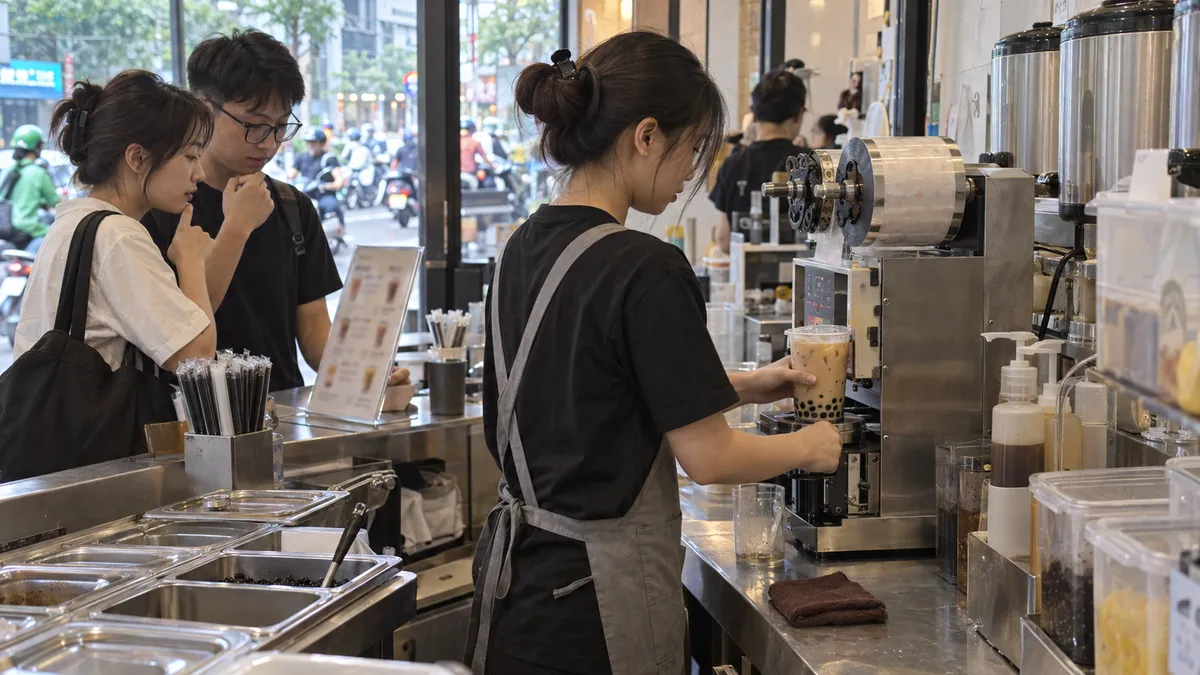
Boba milk tea was born in Taiwan
The roots of boba-filled milk tea, so-called bubble tea, lie in 1980s Taiwan. In this period when food culture grew lively with economic growth, attempts arose in many places to make traditional tea something more casual to enjoy, aimed at busy young people.
On its origin, two tea houses—Chun Shui Tang in Taichung, central Taiwan, and Hanlin Tea Room in Tainan, the south—each claim “we invented it.” At Chun Shui Tang, it's said to have begun by combining the Taiwanese dessert boba with milk tea; at Hanlin Tea Room, it's told that the start was putting white boba found at a market into milk tea. The two claims were even taken to court, but in 2019 a ruling came down that “bubble tea is not subject to patent.” Rather than one person's invention, it can be called a drink that grew naturally out of Taiwan's tea culture.
Sweet tea, with chewy boba. This style, which added the fun of chewing to drinking, spread beyond Taiwan.
A brand called Gong Cha, meaning "tribute tea"
Gong Cha was founded in 2006 in Kaohsiung, in southern Taiwan. The name "Gong Cha" is said to come from a word for the high-quality tea once presented as tribute to emperors. Though it's an everyday cup, the brand's name carries a sense of respect for tea itself.
After its founding, Gong Cha expanded beyond Taiwan, building a store network across the world with Asia at its center. Its signature is milk tea with tapioca pearls, but the option to choose your tea leaves, toppings, sweetness, and ice level was another reason consumers in many countries embraced it. The table below outlines the broad arc of Gong Cha's history.
| Period | Event |
|---|---|
| 1980s | Tapioca milk tea (bubble tea) is born in Taiwan |
| 2006 | Gong Cha is founded in Kaohsiung, Taiwan |
| 2010s | Opens stores across Asia and beyond, expanding into multiple countries and regions |
Starting from the idea of "tribute tea" yet spreading as a drink you can casually pick up on any street corner, this is where the brand's character shows.
Vietnam, a coffee country, had its own tea culture
When people think of Vietnam, many picture strong coffee or cà phê sữa đá made with condensed milk. But Vietnam has long had a deeply rooted tea culture of its own.
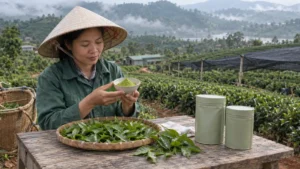
Green tea is part of daily life, served in cups in the morning, after meals, and when welcoming guests. In Hanoi in the north, lotus tea (trà sen), made by infusing green tea with the scent of lotus blossoms, has long been cherished as an elegant gift and a tea for special occasions. Rather than emphasizing formal etiquette as in Japan or China, Vietnamese tea blends quietly into everyday life.
A common street-corner sight is trà đá, iced tea sipped while perched on a low stool. With no added sweetness, this cup lets you enjoy the natural slight bitterness of the tea, and it has long been drunk during casual chats and brief breaks. Even in a country where coffee stands out, Vietnamese people have spent their time with tea since long ago.
Why young people were drawn to Taiwanese tea
Taiwanese tapioca milk tea is said to have gone on sale in Vietnam's major cities from the 2000s onward. Gong Cha is thought to have entered Ho Chi Minh City around the mid-2010s, starting with just a few shops that gradually spread across the city.
Vietnam, already accustomed to sweet tea and iced tea, was fertile ground for embracing sweet milk tea. To that, Taiwanese tea added its own novelty: the chewy texture of tapioca, the ability to choose your sweetness and ice to taste, and a shop atmosphere that makes you want to take photos with friends. As a "cup you choose and enjoy," different from unsweetened trà đá, it captured the hearts of the younger generation.
Trà sữa became more than just a drink, tying into time spent with friends and a culture of sharing on social media. The settings for drinking it have widened too, from small shops near schools to stylish cafés and delivery. The table below outlines how traditional Vietnamese tea and Taiwanese-style tapioca milk tea differ in character.
| Item | Traditional Vietnamese tea | Taiwanese-style trà sữa |
|---|---|---|
| Flavor | Unsweetened or lightly sweet, with the tea's slight bitterness | Sweet milk tea, with adjustable sweetness |
| Texture | Centered on drinking | Adds the fun of chewing, such as tapioca |
| Drinking occasions | Hospitality, breaks, street-side chats | Time with friends, social media, delivery |
| Main drinkers | A wide range of generations | Mainly students and young professionals |
What's interesting is that, seeing young people fall for trà sữa, those on the traditional tea side began trying to capture that taste too. By preparing new tea-leaf drinks aimed at the younger generation and more, the Taiwanese tea boom is starting to influence how Vietnamese tea itself is approached.
Small tips for enjoying it casually
Part of the fun of trà sữa is being able to tailor it to your taste. Many shops let you choose the sweetness and amount of ice, so if it's your first time, keeping the sweetness low to check the tea's flavor is one good approach.
Toppings, too, often come in several kinds beyond the standard tapioca. Trying the different textures and finding your own favorite is a very Taiwanese-tea way to enjoy it. In the sight of young Vietnamese lining up to choose a cup, you can glimpse a new form on the continuum of a culture that has long woven tea into daily life.
注文で先に決める4項目
- 茶:紅茶、烏龍茶、緑茶など
- 糖度:無糖でもトッピングに糖分があるか
- 氷:少なめにすると容量・濃さがどう変わるか
- トッピング:タピオカ、ゼリー、フォームの原材料
タピオカは炭水化物と糖分が多く、乳・大豆・ナッツを含む商品もあります。アレルギーや食事制限がある人は商品名だけで判断せず、店舗で原材料を確認してください。価格はサイズと追加品を含むVND総額で見ます。
Summary
Tapioca milk tea was born in 1980s Taiwan and spread worldwide through brands like Gong Cha, founded in Kaohsiung in 2006. Vietnam, with its strong coffee image, also had a rich tea culture of its own, from green tea and lotus tea to trà đá, and sweet, textured trà sữa took root on that foundation as a new cup. Behind Taiwanese tea's hold on young Vietnamese lies a long history of tea as part of daily life. When you hold a cup of Gong Cha, you may just glimpse the meeting of two tea cultures behind it.
🗺️ For Gong Cha's basic information, signature menu, map, and reviews, seeShop guide (card)where we've put it all together.
🗺️ If you also want to compare it with other cafés,Vietnam's 30 Popular Cafés: A Thorough Comparison Guidelets you browse from a single list.