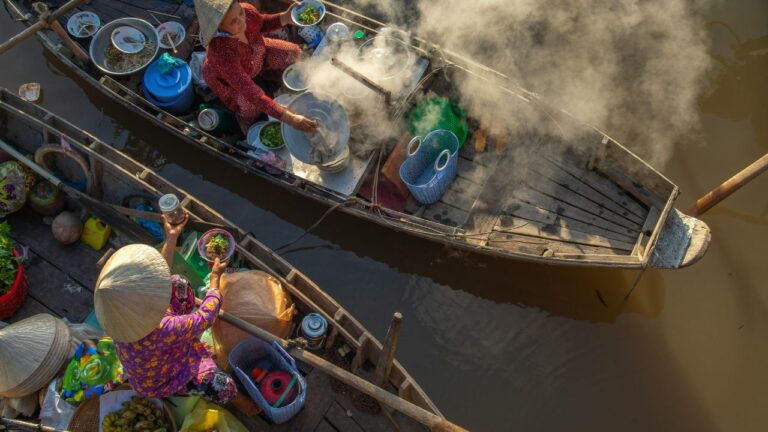


Why remote work in Vietnam is drawing attention
Over the past few years, Vietnam has rapidly gained attention among digital nomads and remote workers as a new place to work from.
Behind this is the ease of access from Japan and the low cost of staying. From Tokyo, Hanoi is roughly five and a half hours away, with a time difference of just two hours. Japanese passport holders who meet the conditions are eligible for visa exemption for stays of up to 45 days. The Vietnamese Ministry of Foreign Affairs has announced that the current measure applies from March 15, 2025 to March 14, 2028. However, please reconfirm entry requirements and the purpose of your stay with official sources before traveling. Accommodation and food costs vary greatly depending on the city, time of year, hygiene standards, insurance, and transport, so it cannot be said across the board that "you can live comfortably for 60,000–70,000 yen a month."
Vietnam is the world's second-largest coffee producer in ICO statistics, and it boasts the world's largest output of Robusta in particular. Distinctive cafés dot the streets, and coffee culture is deeply rooted in people's daily lives. The pandemic spurred a shift toward working free of time and place, and cafés strengthened their role as workspaces. They now provide Wi-Fi and power outlets, offering comfortable environments to get work done.

Recommended nomad cafés in Ho Chi Minh City
Ho Chi Minh City, Vietnam's largest commercial hub, has many cafés perfectly suited to nomad workers.
The Workshop Coffee: a nomad mecca
This café is characterized by its stylish space, reminiscent of a brick wine cellar. Past records show examples of people working here, but Wi-Fi speeds, floor layout, seating arrangement, and operating status are subject to change. Check the official information and recent reviews on the day of your visit, and have a mobile data connection ready for important meetings. Note that two-person tables are somewhat small, so if you need to spread out documents to work, it's better to choose a different seat. The entrance can be a little hard to find, so once you're nearby, asking someone is recommended.
The Coffee House Signature: wonderfully open
Located near the War Remnants Museum in Ho Chi Minh City, the speeds and power outlet figures from older articles reflect measurements taken at a single point in time and do not guarantee the current state of the café or its facilities. Please verify the café's name, address, whether it is currently open, and its rules on using power outlets through official information and recent visitor reports.
shin Coffee: ideal for focused work
Speeds, number of power outlets, noise levels, and prices from older articles may not reflect the current situation. Speed tests vary by time of day and device, so for important work, measure after you arrive, and check with staff about crowds, whether calls are permitted, and any minimum order requirements.

Sources note: "Recommended nomad cafés in Vietnam—Ho Chi Minh City edition" created from
Comfortable nomad spots in Da Nang
Da Nang earns high marks from nomad workers as a city that's "just right."
Compared to Hanoi or Ho Chi Minh City, the density of people and motorbikes is lower, and the city as a whole has a calmer, more relaxed feel. How a city feels is subjective. Even in tourist areas, there can be construction, traffic noise, and crowds during peak season, so if you're considering a longer stay, it's realistic to spend a few days there first to get a feel for your daily routine. Having the beach within walking distance is also a major draw, offering a chance to refresh between work sessions.
Tropical Coffee: the all-you-can-drink plan is a draw
This is a café popular with digital nomads for its comfortable space and stable Wi-Fi. Wi-Fi and unlimited drink plans may change or be discontinued. Please check with the café directly regarding operating status, current conditions of use, and whether extended stays are permitted. The menu also features a solid selection of Japanese dishes such as karaage set meals and curry, making it a welcome option when you're craving Japanese food.
Lighthouse: a quiet place to work
A café with a striking European-style exterior, tucked quietly away in the Little Busan area. The space is roomy with high ceilings, complete with Wi-Fi, seats where you can charge, and self-service free water. About half the customers have their laptops open working, with many Western visitors too, making it perfect for those who want a calm place to get things done.
Roots Plant-based Cafe: for health-conscious nomads
In the An Thuong area, a café with a calm, tropical feel built around white and wood grain. The roomy two-story space has outlets at the wall-side seats. Another plus is its extensive vegan menu, rich with dishes that are both tasty and healthy.
Sources VIETWORK: "[Vietnam / Da Nang] Remote work has drawn attention in recent years, and getting things done has become comfortable…" created from
Key points for choosing a café
When choosing a café suited to remote work, there are a few important criteria.
A guide to Wi-Fi speeds
The Wi-Fi speed you need depends on what you're doing. Text-centered work is possible at around 5 Mbps, but smooth image searches call for 20 Mbps or more, and streaming video or sending and receiving large files calls for 30 Mbps or more. Wi-Fi at Vietnamese cafés can be hit or miss, so it's reassuring to check reviews in advance or line up several options.
Whether there are power outlets
For long work sessions, securing power is essential. Outlets are often at wall-side or counter seats, so check when you enter. Some cafés have outlets at every seat, giving you more freedom in choosing where to sit.
Noise level and clientele
To concentrate on your work, you need a reasonable amount of quiet. Choose a café where the music isn't too loud and the clientele is settled. Cafés with many nomad workers or people enjoying a book naturally keep a quiet atmosphere.

Typical prices and etiquette for long stays
Prices vary considerably between local spots, specialty cafés, hotels, and tourist areas, making a straightforward comparison with Japan difficult.
Yen-converted prices from older articles will change with exchange rates. Judge based on the VND menu price, including any service charges, taxes, and additional orders. If you plan to use a seat as a workspace for an extended period, prioritize crowd levels and the café's rules over low prices. Some cafés offer all-day unlimited drink plans, which can be cost-effective if you're working for long hours.
When staying a long time, ordering something more from time to time is good etiquette. Vietnamese cafés are fairly tolerant, but when it's crowded, being considerate enough to give up your seat is also called for. Some cafés prohibit chatting, so for conference calls and the like it's best to keep your voice down or choose a closed-off spot.
Sources VIETWORK: "[Vietnam / Da Nang] Remote work has drawn attention in recent years, and getting things done has become comfortable…" created from
Boosting your quality of life with beach nomad life
Staying near the beach in Da Nang may make it easier for some people to build a routine before and after work, but it doesn't guarantee that lifestyle habits will necessarily improve.
With a two-hour time difference from Japan, you can start work at 9 a.m. Japan time (7 a.m. Da Nang time) and finish at 6 p.m. Japan time (4 p.m. Da Nang time). This can establish a daily rhythm where you enjoy personal time from 4 p.m. until dinner, and naturally feel sleepy around 9–10 p.m. The time difference with Japan is two hours, but also check your employer's rules, meeting schedules, and the impact of daylight saving time. The right daily rhythm varies from person to person.
Having the beach within walking distance is another major attraction. An environment where you can step out for a walk between work sessions can be a good change of pace, though stress reduction and creativity gains cannot be guaranteed as universal effects. Factor in the heat, UV exposure, and air quality, and choose times that work for you without overdoing it. Many people also say that Da Nang has just the right amount of Vietnamese character — not overwhelming, but pleasantly developed and comfortable to live in.

Sources note: "How my quality of life skyrocketed with beach nomad life in Da Nang" created from
Practical checks before bringing work along
- Confirm company policies, tax obligations, visa status, and work eligibility with the relevant specialists
- Use a VPN on public Wi-Fi, and avoid showing confidential screens or taking calls where others can see or hear
- Prepare a local SIM or eSIM, tethering capability, and a backup power source
- Have two or three backup café options in case of power outages, connection failures, or noise
- Respect each café's rules on calls, additional orders, and seat use during busy periods
Even if a café's name remains the same, relocations, closures, and changes in format do happen. Prioritize "is it open today," "can I take a call here," and "do I have a backup connection" over speed figures.
Summary: start remote work at a Vietnamese café
Vietnam is one option, but it is not the "best" choice for everyone.
Ho Chi Minh City and Da Nang have many comfortable cafés with Wi-Fi and power outlets. Prices are affordable, and the atmosphere makes long stays easy. Access from Japan is good and a 45-day visa-free stay is possible, so it's easy to give it a try.
With beaches nearby and coffee culture deeply rooted, nomad life in Vietnam has the potential not only to raise your work productivity but also to improve your quality of life. Do try remote work at a Vietnamese café once.
If you'd like to know more about Vietnam's tourism information and coffee culture,VNplease take a look. Information you'll want before visiting Vietnam is gathered in one place, rich with genuinely useful content on café culture, how to drink coffee, and how to choose locally.