Vietnamese souvenirs enter an era of "buying the region's story"
In 2026, Vietnam's gift market is moving significantly. Consumer preferences have shifted from the old reliance on coffee and dried fruit alone to ingredients with clear origin stories, packaging in eco-friendly materials, and natural foods promising health benefits.
According to a survey by Chus.vn, 68% of Vietnamese consumers answered that they want to choose "personalized gifts." Furthermore, 74% said they "don't mind spending 20% or more extra on products using recycled materials." The playing field is shifting from mere price competition to a contest of story and quality.
OCOP certification takes root as a "label of trust"
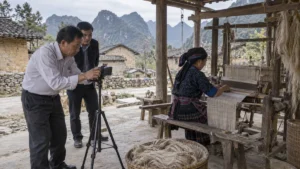
The "One Commune, One Product (OCOP)" system promoted by the Vietnamese government is a mechanism that grants regional specialties a 1-to-5-star quality certification. In 2026 alone, 11 new products obtained OCOP certification, and the cumulative registration count nationwide has reached several thousand items.
Products that earn OCOP 5 stars gain high trust as gifts as they are. Quy Thu's coconut baked sweets and Ba Ba Hoi's glutinous-rice sweets saw sales surge once they gained the "prestige" of 5 stars.
| Featured product | Growing regions | Characteristics | Price range (guide) |
|---|---|---|---|
| Freeze-dried strawberries | Moc Son (north) | No added sugar, ready to eat as is | About 600–900 yen |
| Honey beef jerky | Buon Ma Thuot | Uses honey from a coffee-growing region | About 700–1,200 yen |
| Lotus seeds (roasted) | Pho Hien | Rich in protein and iron | About 500–800 yen |
| Cordyceps × chrysanthemum tea | Da Lat | Highland-grown chamomile blend | About 1,000–1,800 yen |
| Wood-fired macadamia | Dak Lak Province | Wood-fire roasted, OCOP 4 stars | About 800–1,400 yen |
The background to eco-packaging becoming "the norm"
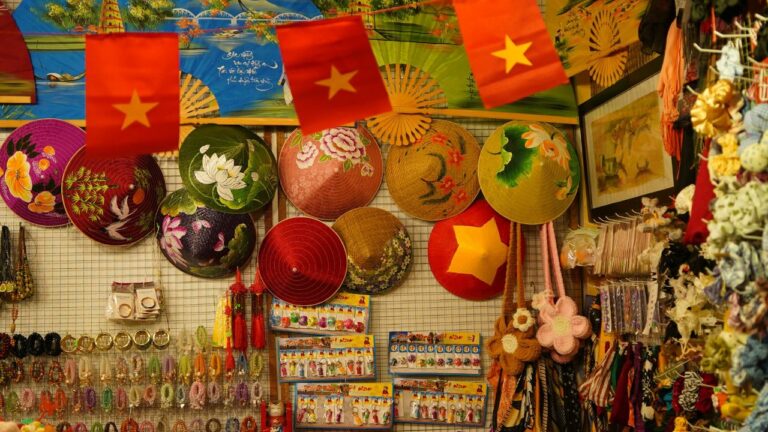
From 2026, the Vietnamese government banned small non-biodegradable plastic bags. This regulation ripples directly into the gift market too. Bamboo cutlery sets, recycled-paper gift boxes, and traditional sweets wrapped in lotus leaves have become "normal" rather than "stylish."
In a report by Packaging Gateway magazine, 85% of Vietnamese consumers answered that they are "loyal to brands that advance environmental initiatives." Even for Tet (Lunar New Year) gifts, gift boxes with traditional patterns like apricot blossoms, lotus, and cranes printed on recycled paper have become mainstream.
Health consciousness has changed "souvenir choice"
There are also survey results showing that 94% of Vietnamese consumers feel the effects of climate change, and the awareness of "gifting things good for the body" has spread rapidly. Da Lat cordyceps, Ngoc Linh ginseng, and pure honey have already become staples as premium Tet gifts.
For tourists too, OCOP-certified corners are expanding at airports and major shopping malls. At Ho Chi Minh City's Tan Son Nhat International Airport, OCOP-certified coffee, nuts, and dried fruit line dedicated shelves.
Reactions on social media
- "I bought Da Lat cordyceps tea as a souvenir for a friend, and I was moved that the packaging was bamboo paper." (TikTok comment)
- "I brought Buon Ma Thuot honey jerky back to Japan, and my whole family got hooked." (Instagram story)
- "With an OCOP 5-star mark, I can buy with peace of mind. Before, I couldn't tell which ones were the real deal." (Facebook post)
Purchasing points Japanese travelers should keep in mind
Not just airport duty-free shops — visiting each region's OCOP shops turns up hidden gems. In Ho Chi Minh City,the KKV flagship storeandMINISO FRIENDSOCOP-certified food corners are increasing around the area.
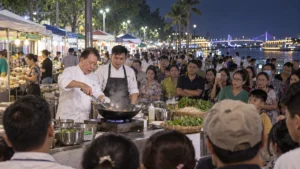
For a Da Lat trip, gift sets combining cordyceps tea and lotus seeds are available at market direct-sales outlets.Da Nang street food tourThere too, stalls where you can bulk-buy regional specialties have increased.
| Item | Details |
|---|---|
| Where to buy OCOP-certified products | Airport OCOP shelves, regional markets, shopping malls |
| Price range of eco-packaged gifts | 100,000–500,000 VND (about 590–2,940 yen) |
| Cautions when bringing them home | Processed meat products cannot be brought into Japan. Dried fruit, tea, and nuts are basically OK |
| Recommended buying period | Before Tet (January) has the largest selection. Available year-round |
"A return to local" spreading across the industry
In Dak Lak Province, OCOP products such as freeze-dried durian and wood-fire-roasted macadamia nuts boosted year-end shopping-season sales.Marou's pho-flavored bonbonswon at the International Chocolate Awards, and just as it did, products that put Vietnamese ingredients' distinctiveness front and center are beginning to earn international recognition too.
The coffee-growing region of Buon Ma Thuot isadvancing a registration application to UNESCO's intangible cultural heritage,and its power to project as a "regional origin brand" is expected to rise further.
Summary: 2026 Vietnamese souvenirs are about "bringing home the story along with it"
The era of grabbing coffee at random at a convenience store is over. You can tell the region's story, the packaging is eco-friendly, and it's good for the body. This trio has become the condition for 2026 Vietnamese souvenirs. Relying on the OCOP certification label, do look for regional ingredients you can only get on the ground.
Source: