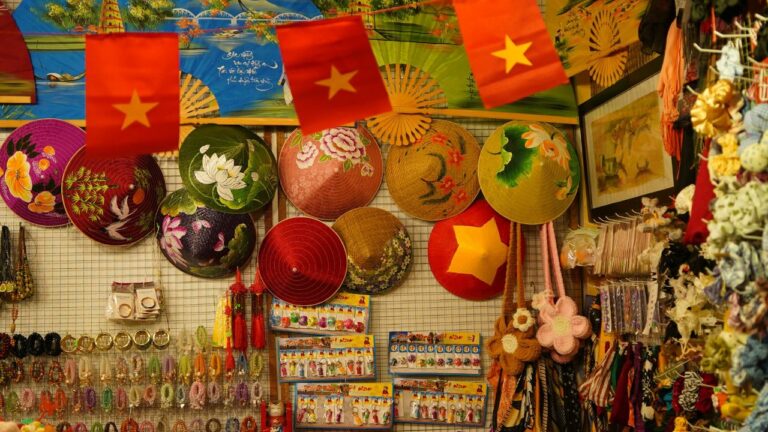
In a reader poll published August 19 by the New Zealand Herald, Vietnam was voted the world's top food travel destination for 2026. Italy came in second, Japan third. The home of pasta and pizza, and the land of washoku, both ended up trailing the country of pho and banh mi. For anyone heading to Vietnam with eating as the goal, or already living there, this result is a reason to rethink where and what to eat.
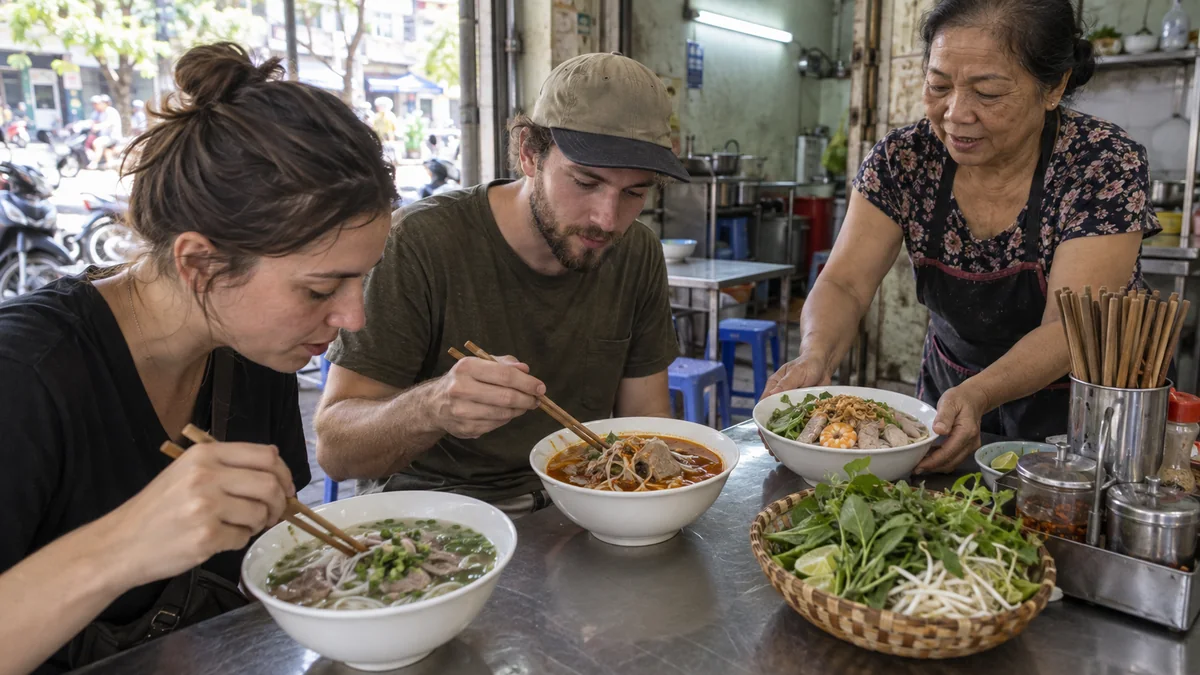
What's interesting is that Vietnam didn't win on the strength of a single dish. The flavor profiles of the north, center, and south are worlds apart, and shifting your itinerary by just a few hundred kilometers puts you at a table that feels like a different country. Being delicious three times over in one country looks like the reason it won the votes.
In the New Zealand Herald's reader poll, Vietnam topped the food category among 11 sections
This award, the NZ Herald's "Travel Readers' Choice Awards," is decided by reader votes across 11 categories including accommodation and airlines. In the food destination category, Vietnam came out on top, ahead of stalwarts Italy and Japan. The key is that this isn't an experts' award — it's decided by the votes of readers who actually traveled, so the ranking reflects real memories of eating on the ground rather than a desk-bound assessment. The top 10 also included New Zealand's own Auckland, Wellington, and Hawke's Bay, and Vietnam ranked above all of them.
| Rank | Destination |
|---|---|
| 1 | Vietnam |
| 2 | Italy |
| 3 | Japan |
| 4 | Thailand |
| 5 | Auckland (NZ) |
| 6 | Singapore |
| 7 | Wellington (NZ) |
| 8 | Melbourne (Australia) |
| 9 | France |
| 10 | Hawke's Bay (NZ) |
Source: NZ Herald Travel Readers' Choice Awards 2026 (based on the ranking reported by VnExpress International, August 19, 2026)
Light in the north, spicy and rich in the center, sweet in the south — the flavor changes the farther you travel
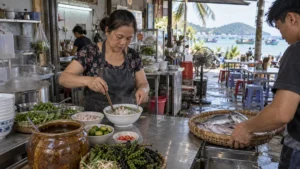
What the NZ Herald's assessment zeroed in on was the gap in flavor between regions. In the north, Hanoi favors a clear broth seasoned with pepper, with many dishes that let the ingredients speak for themselves. Pho in the morning, bun cha at lunch, egg coffee in the evening — changing venues by time of day, as ina food-hopping tour of Hanoi's Old Quarterlets you trace this light, delicate flavor over the course of a single day.
Hue in the center is the opposite: spicy, rich, and labor-intensive. Bun bo Hue, built on beef and chili oil, and small plates of court-style appetizers are dishes rooted in the banquets of the former royal court, with a wide range of colors and dishes.A day touring Hue's noodles and rice-flour sweets for 1,200 yenshows, the way to enjoy the center is to stack up dishes even on a small budget. Even the same pho tastes like an entirely different dish between the north's light beef-bone broth and the south's pronounced sweetness.
In the south, Ho Chi Minh City brings sweetness and richness to the fore, piled high with herbs. As a city that draws people from across the country,a morning bowl found by seeking out regional flavors in Ho Chi Minh Cityshows, you can find regional noodle dishes from the north and center even while in the south. Being able to cross the whole country in a single city is the south's strength.
An era where 80% of travelers choose their destination based on food
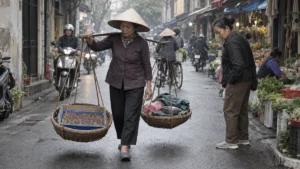
Behind the vote is the reality that more people now put food at the center of why they travel. This survey found that about 80% of international travelers choose their destination based on local food culture, 66% prefer unpretentious street food, and 64% pick a neighborhood eatery or food hall over a high-end restaurant. This shift in weight from starred restaurants to back alleys is a tailwind for Vietnam, with its deep layer of street stalls and local eateries. The experience of sitting on a plastic stool and eating a 400-500 yen bowl of pho has itself started to carry value as a travel goal.
This isn't unrelated to Japan, either. Washoku fought well for third place, but the entry point tends to skew toward "expensive plates" like sushi and tempura — a different approach from Vietnam, which competes with a cheap bowl on the street. For Japan to keep being chosen for its food by visitors, showing off street-food-style casualness will be the next challenge.
How to translate this result into an actual trip
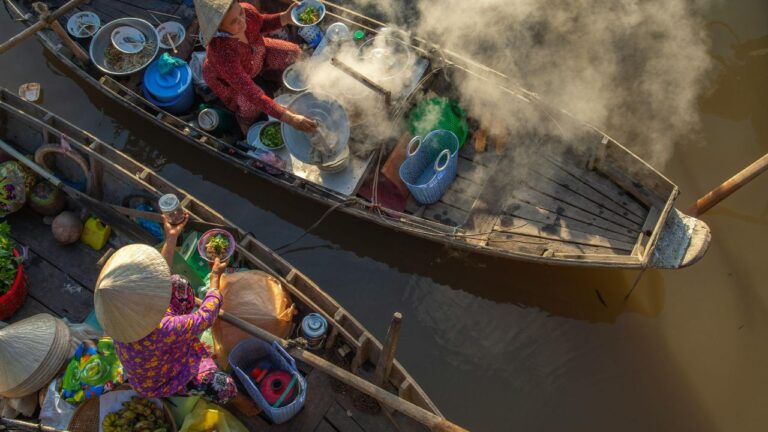
- Connecting two of the north, center, and south in a single trip lets you feel the flavor differences firsthand. Combinations like Hanoi + Hue, or Ho Chi Minh City + the Mekong Delta, make a good backbone.
- A realistic budget split is 70% street stalls, 30% restaurants. Even a meal under 100,000 dong (about 570 yen) can be highly satisfying.
- In Hue and Hanoi, the same dish varies from shop to shop. Trying one dish at two or three different places is how you find the winner.
- For souvenirs or bringing home for yourself, dried noodles, pho soup base, and coffee are light and hold up well in transit.
The NZ Herald's number-one ranking is proof that value has shifted away from lavish plates and toward the morning street and the neighborhood eatery. On your next trip to Vietnam, draw your map by region rather than by restaurant, and try shuttling between the north's clear flavors and the south's sweetness within the same trip. The moment you sit down on a stool by the roadside, you'll understand exactly why it beat third-place Japan.