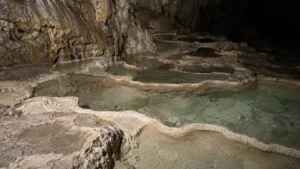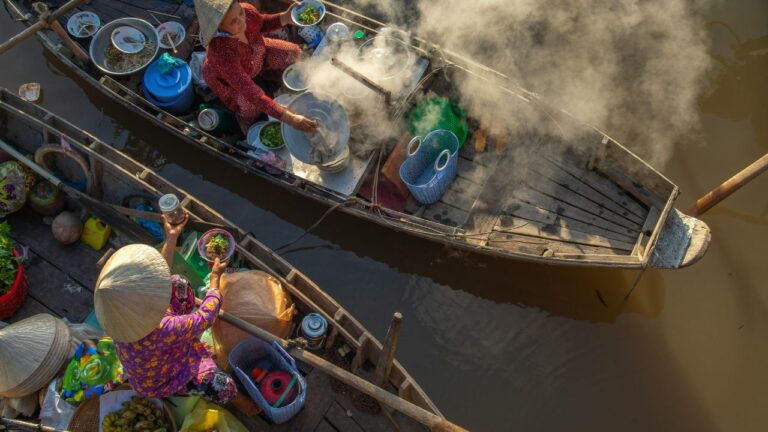
In the waters off Nha Trang, a beach resort on Vietnam's south-central coast, there is a small island with no hotels and no resorts: Bich Dam Island (Bích Đầm). Its beach is covered edge to edge with round, egg-shaped stones, long known locally as "Egg Beach" (Bãi Trứng). This piece traces the island — reported by the Vietnamese daily VnExpress on September 6, 2026 — through the eyes of a Japanese traveler.
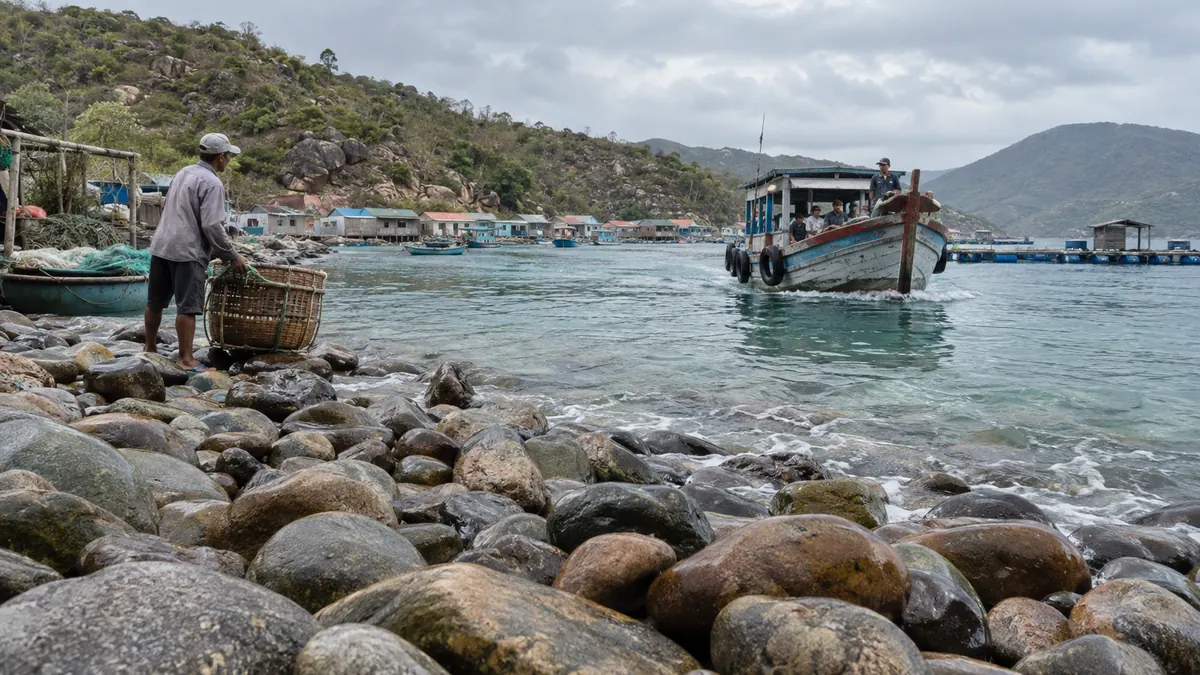
Egg Beach, where round, egg-shaped stones cover the shore
What put Bich Dam Island on the map isn't sand but stone. Smooth round stones of varying sizes cover the beach thickly, laid out like rows of eggs. Rounded at the edges by the waves, they feel smooth underfoot when walked on barefoot. While central Nha Trang is known for its white sand beaches and large hotels, most of this island's coastline is rocky, with only small patches of sand.
The stone beach photographs beautifully, but footwear needs some thought. The wet round stones are slippery, so sturdy water shoes work better than sandals. As the tide rises, the band of stones sinks beneath the sea, so timing a walk along the beach for low tide keeps your footing stable.
8 nautical miles from central Nha Trang, an island in the Hon Tre archipelago
Bich Dam Island is part of the Hon Tre (Hòn Tre) archipelago in Nha Trang Bay, administratively part of Vinh Nguyen Ward, Nha Trang City, Khanh Hoa Province. It lies roughly 8 nautical miles, or about 15 kilometers, by sea from the city center. Also off Nha Trang, reachable in about 10 minutes by boat, isHoa Lan Island, with its orchid garden and bird show— but the effort of getting there, and the quality of time spent once you arrive, are both different from that kind of day-trip island.
Nha Trang has been a hill retreat turned seaside resort since French colonial rule. Emperor Bao Dai once spent his summers here, and the hill has nowreopened as the French-style villas "Trang Vong" and "Nghinh Phong"— is another trace of that history. What makes this island interesting is that a fishing village with no electricity still sits, untouched, just off the coast of this glamorous seaside city.
From Phu Quy Wharf, 1.5 hours by wooden boat, fare 45,000 dong
The way to the island is a wooden ferry departing from the private Phu Quy (Phú Quý) wharf in Vinh Nguyen Ward. The fare is 45,000 dong per person, roughly 265 yen (at an exchange rate of about 170 dong to the yen). The crossing takes about 1 hour 30 minutes, and there is only one round trip a day. Miss the outbound boat and you can't cross until the next day; the return boat leaves the island at 6am the following morning.
For those who want to save time, a chartered speedboat is an option. It gets you there in about 30 minutes, but the fare jumps to roughly ten times that of the ferry. If your schedule allows, letting the slow wooden boat rock you along and syncing your body to the island's pace suits this trip better.
Boats are limited in number and can be canceled depending on the weather. Check the day's sailing status at the wharf before you go, and plan for at least one overnight stay rather than a day trip, just to be safe.
A 150-year-old banyan tree and a lighthouse from around 1890
In the island's village, a large banyan tree stands beside the village shrine (đình). It rises about 21 meters and is said to be around 150 years old; it was registered as a heritage tree in June 2024. Having weathered sea winds while spreading its branches, the tree itself is a record of how long people have lived on this island.
Another highlight is the Hon Long (Hòn Lớn) Lighthouse. Built around 1890, it ranks among the oldest in Vietnam. From its 16-meter tower, standing on a bluff 102 meters above sea level, the light reaches roughly 26 nautical miles out to sea. The climb to the lighthouse follows a mountain trail from the village, so bring comfortable walking shoes and drinking water. From the top, you get a sweeping view of Nha Trang Bay and the surrounding islands.
An island off the power grid, homestays run by the community
Bich Dam Island has no high-rise buildings or large hotels, and the national power grid still hasn't reached it. Accommodation centers on homestays, where residents open their own homes to guests. Rates start from around 100,000 dong per person, roughly 590 yen.
Life on the island runs on fishing and aquaculture. Visitors can get a taste of that life firsthand — hauling nets with fishermen on the beach, or eating the day's catch at the table. This is a different kind of trip from one built around polished tourist facilities. It's best to come prepared to enjoy the island's rhythm as it is, inconveniences included — power outages, water shortages, and a shop with a limited selection of goods.
The island's choice: community tourism, 45,000 visitors a year by 2030
Nha Trang City's People's Committee has approved a plan to develop Bich Dam Island as a community-led tourism destination built around environmental sustainability. The goal is to nurture 8 to 10 local tourism operators and welcome 45,000 visitors a year by 2030.
For an island that has relied on fishing and aquaculture, tourism becomes a new source of cash income for residents. What sets this plan apart is that, rather than building resorts through development, it aims to welcome guests while keeping the fishing village much as it is now. Elsewhere in Vietnam,Mui Vi Rong, Gia Lai's Hidden Coast— an untouched coastline is just starting to be known as a destination, and similar efforts to welcome visitors while preserving quiet are being tried in various places.
What to watch for on the island: water, cash, and connectivity
On an island with no power grid, phone charging is limited too. Bring extra portable battery packs and charge them whenever you can — it makes a real difference. Drinking water is best bought on the mainland and brought with you, since sunscreen, insect repellent, and everyday medicine are all hard to find locally.
Cash is the basic way to pay here. Both the ferry fare and homestay costs are small amounts, so carrying plenty of small bills keeps payment simple. Signal is weak in places, so it's best not to assume you'll always be connected. Decide on a way to stay in touch with family or travel companions, and a meeting time, before you board the boat.
An overnight stay, not a day trip — build it into your Nha Trang stay
With only one boat a day, a round-trip day visit to the island isn't realistic. Within a multi-night stay in Nha Trang, setting aside one night and two days for the island works well. Cross on the morning boat, walk to the lighthouse and the banyan tree, spend the night in the fishing village, and return on the next morning's boat.
Central Nha Trang's seaside resorts and an off-grid fishing village just offshore — experiencing that contrast in a single trip is what makes it worth adding Bich Dam Island to your itinerary. Because the island depends on boat schedules and weather, it's best approached without an overpacked plan, leaving room to spare.
Frequently asked questions
How do you get to Bich Dam Island?
You cross by wooden ferry from the private Phu Quy wharf in Vinh Nguyen Ward, Nha Trang City. The fare is 45,000 dong per person (about 260 yen), the crossing takes roughly 1 hour 30 minutes, and there's one round trip a day. The return boat leaves the island at 6am the next morning. If you're short on time, you can charter a speedboat that takes about 30 minutes one way, but the fare runs roughly ten times higher.
Is there accommodation on the island?
There are no large hotels or resorts. Accommodation centers on homestays, where residents open their homes to guests, starting from around 100,000 dong per person (about 590 yen). Since the national power grid hasn't reached the island, it's best to prepare for possible power and water outages.
Can you visit as a day trip?
Since the ferry runs only once a day, a round-trip day visit isn't practical. It's best to set aside one night and two days for the island during your stay in Nha Trang. The lighthouse is reached via a mountain trail, so bring comfortable walking shoes and drinking water.
Can you exchange money or use cashless payment?
Cash is the standard way to pay on the island. Ferry and homestay costs are small amounts, so carrying plenty of small bills will keep you from running into trouble paying. It's more reliable to buy drinking water and daily necessities on the mainland and bring them with you.
Sources:
VnExpress『Đảo Bích Đầm nơi có bãi đá tròn như trứng』
Vietnam News『Sustainable community tourism project approved for Bích Đầm』
VietnamNet『Untouched island near Nha Trang stuns with clear waters and rich culture』