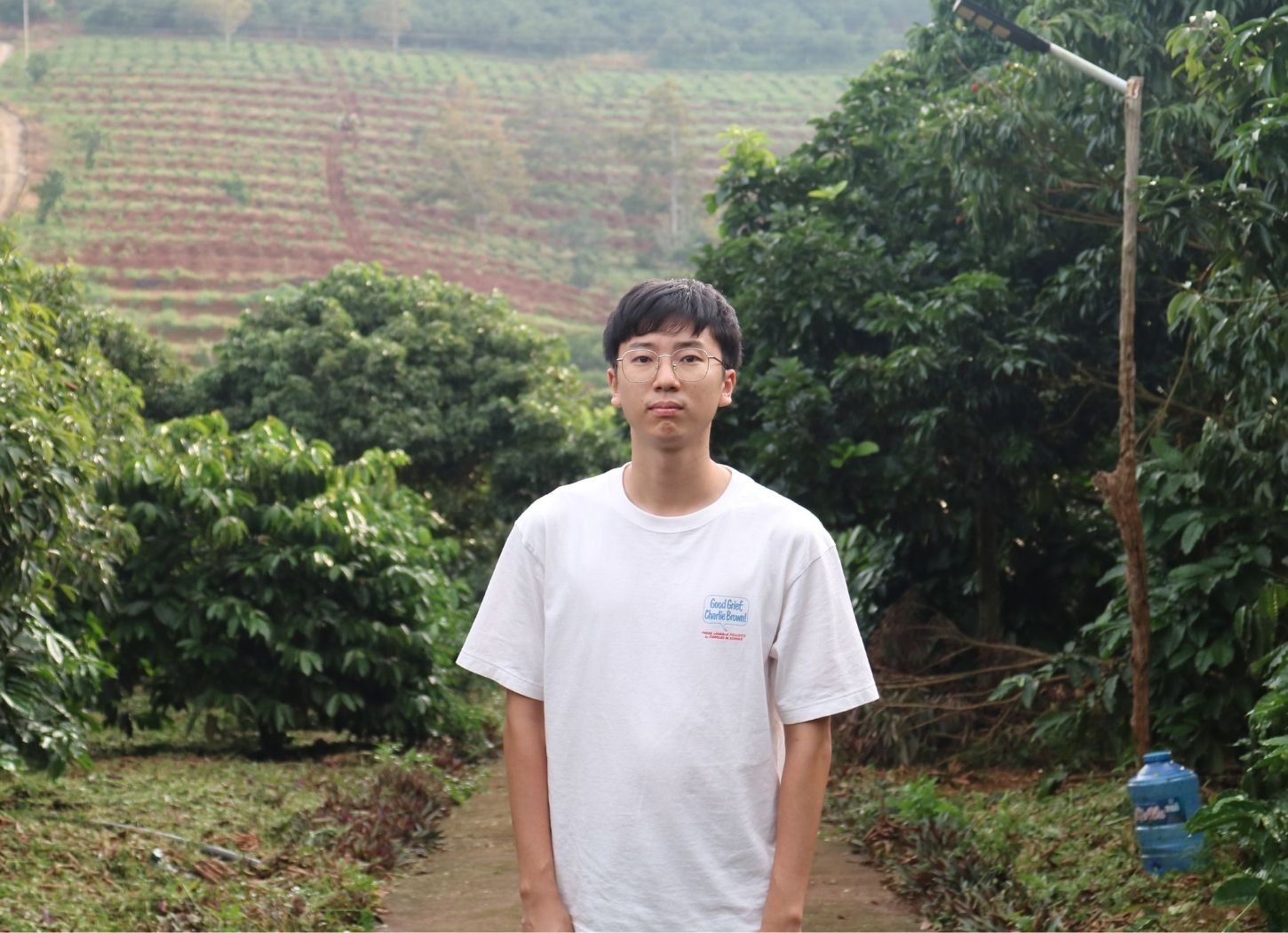
I'm Rei Kojima, the operator of this Vietnamese coffee site. In this article, I'd like to share why I run this media outlet and touch on where it's headed.
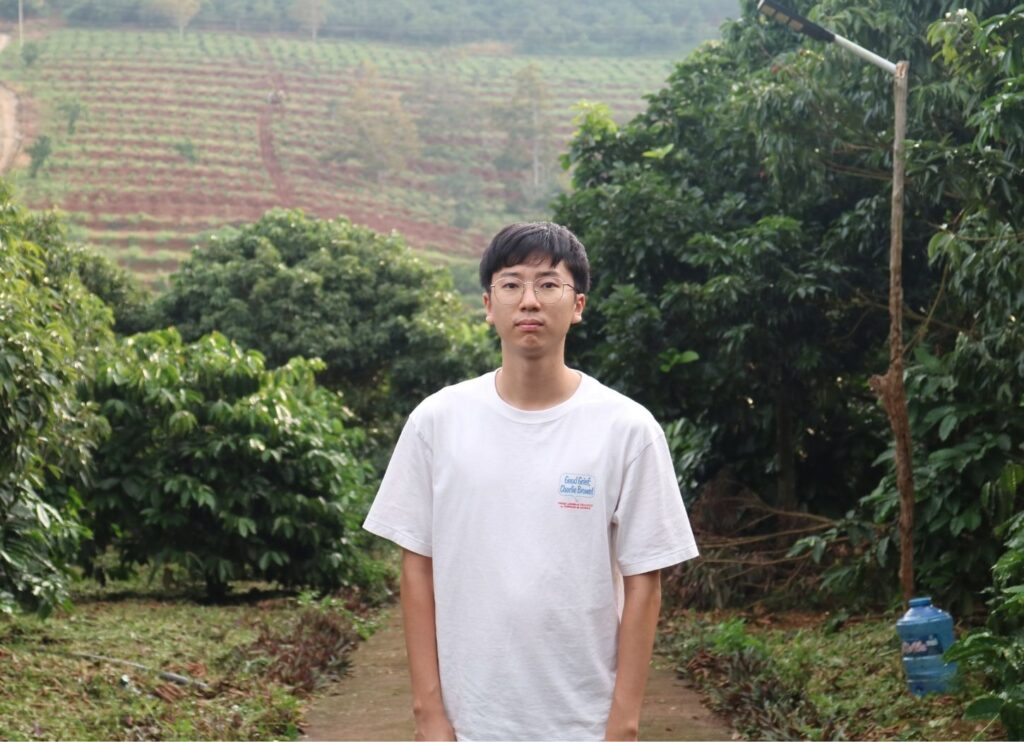
About the Author | Rei Kojima
I have lived in Vietnam for about three years, mainly in Ho Chi Minh City. I am from Kyoto, and at university I researched regional revitalisation through agricultural corporations. In 2020, while still a student, I startedOYAOYA. (Incorporated in 2022 asAgriture Inc.)
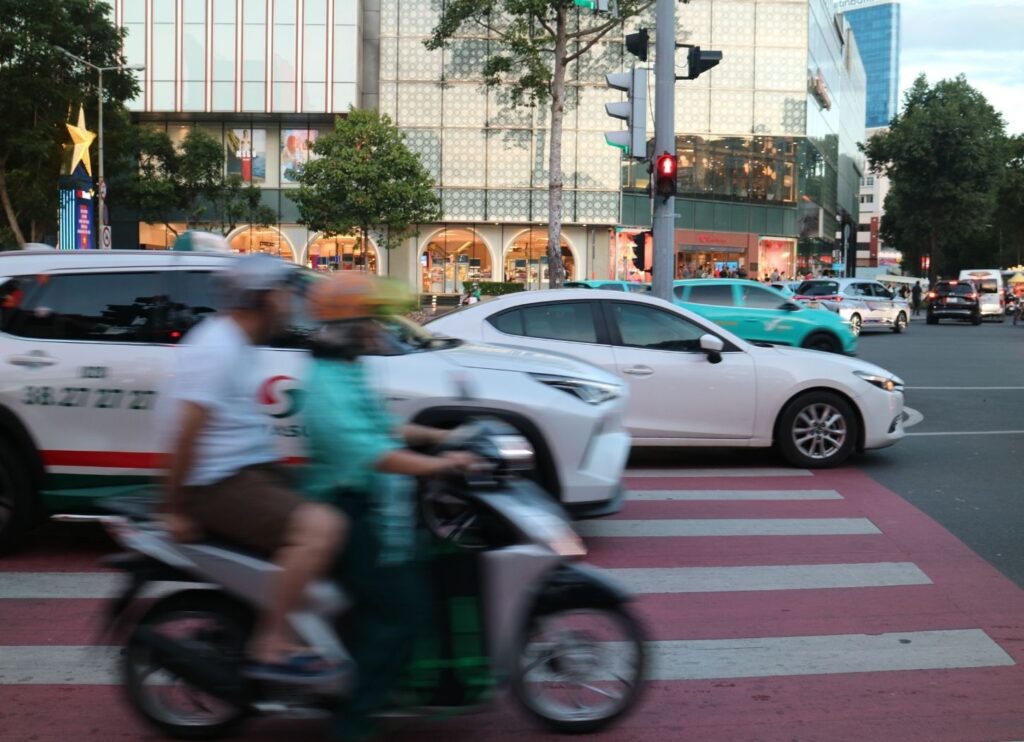
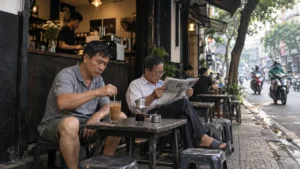
My first trip to Vietnam came by chance in 2019, when I was a university student. The motorbikes crisscrossing the streets, the buzz of public viewings on the main avenues, the people each spending their time at the many street-side cafés — I still remember being captivated by that streetscape.
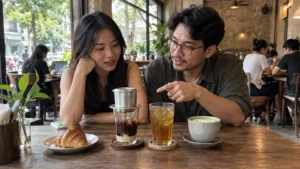
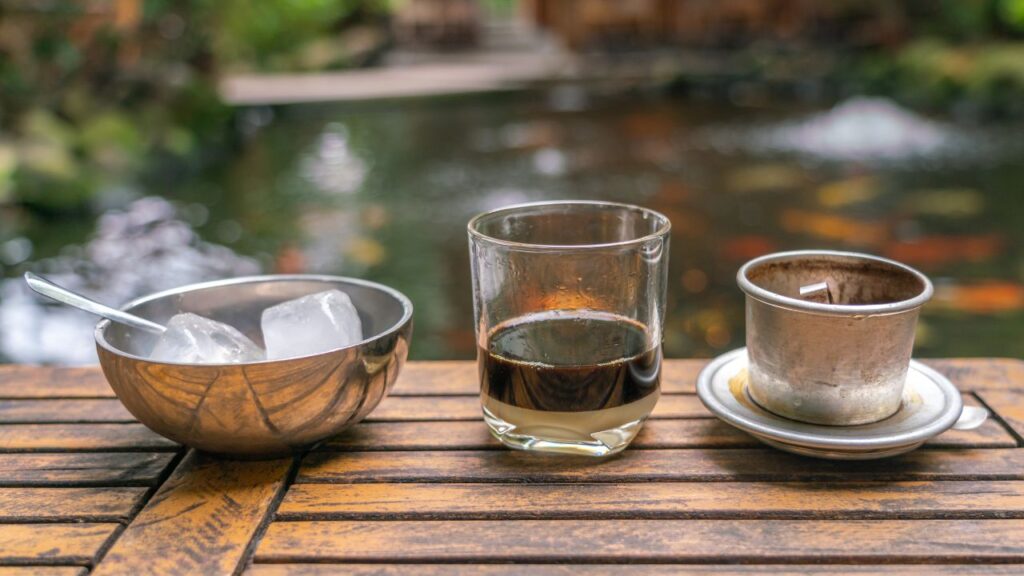
Among all this, Vietnamese coffee stands out for a bitterness so heavy and full of punch that drinking it can leave you a little queasy. Yet when I went to cafés with locals, I saw them sip the bitter coffee and tea (trà đá) in alternating little sips. It felt like diluting the bitter coffee with tea, but more than two years on, I've grown to love it so much that I now drink it every day.
More than the taste of Vietnamese coffee itself, I find the space at the café — the flow of time and the surrounding sounds — deeply comforting, and the wish to deliver that kind of experience is part of why I launched this media outlet.
The Café as a Space
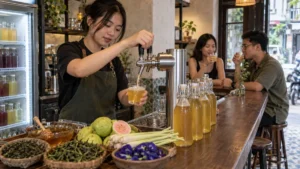
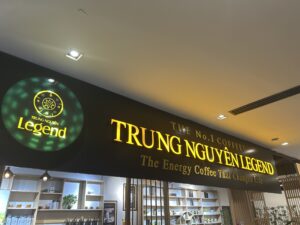
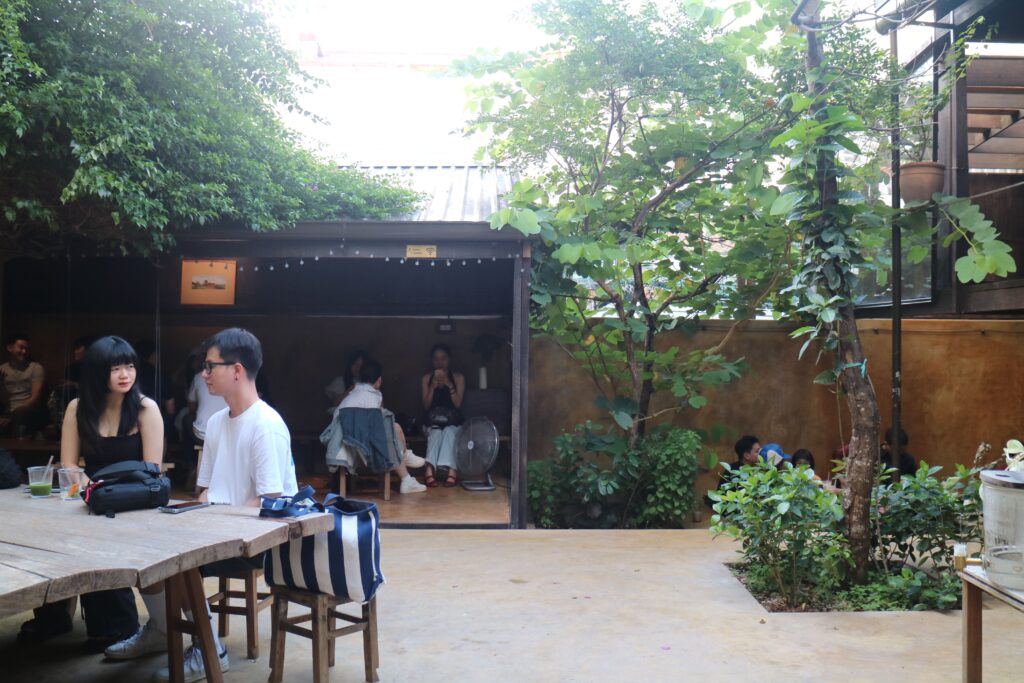
In Vietnam, two patterns of café are common: ones that are just chairs lined up on the street, and ones with a clean interior. The former are called local and let you have a distinctly Vietnamese experience. On the other hand, even the clean-interior cafés show Vietnam's outstanding spatial design, with all sorts of touches—shops that blend with nature, cafés that create a futuristic feel with mirrored walls, and more.
As in the photo below, shops fused with nature are far from rare, and Vietnam truly is a café paradise.
What It Means to Convey Vietnamese Coffee
This media outlet isn't meant simply to introduce information about coffee beans or recommend cafés. I want to convey what I myself have experienced in Vietnam — the flow of time that forms around coffee, the air of the streets, and the sense of closeness between people.
Within that, Vietnam's coffee is centered on Robusta, which differs in both flavor and positioning from the Arabica commonly drunk in Japan. So when people just take in the information and drink it, it is often talked about only as “bitter” or “heavy.” And even buying the coffee sold as souvenirs, you may find it bitter and come away without much of a good impression.
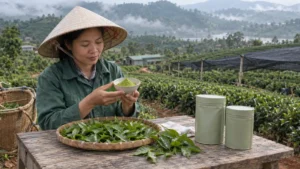
One reason for this was that I myself had the chance to encounter coffee production firsthand in Vietnam. As I touched on the soil and climate, the post-harvest processes, and the producers' way of thinking — things you can't see from sightseeing and café-hopping alone — my impression of Robusta coffee changed dramatically.
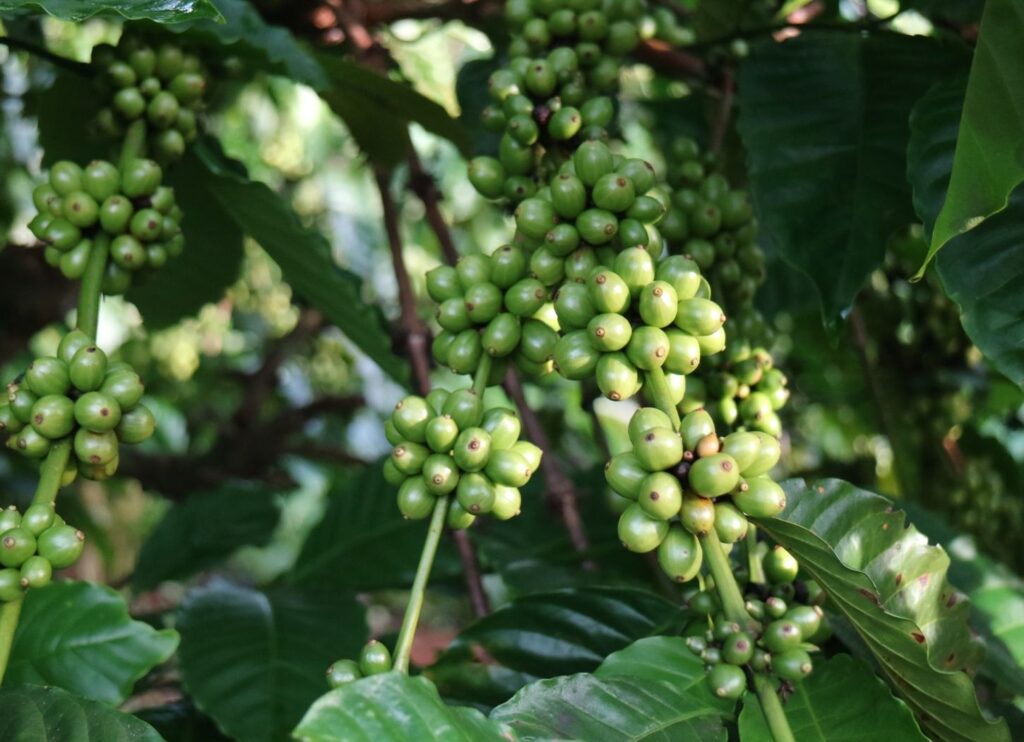
What I am actually involved with is a coffee farm in the Dak Nong area of central Vietnam. At this farm, run by someone close to me, cultivation centers on Robusta varieties, and I can learn firsthand, in real terms, everything from day-to-day growing management to the post-harvest drying condition.
It is precisely because of this background that I want to go beyond simply putting out information, and explore through the form of a product how coffee grown locally can be delivered in a way that comes close to the experience I felt in Vietnam.
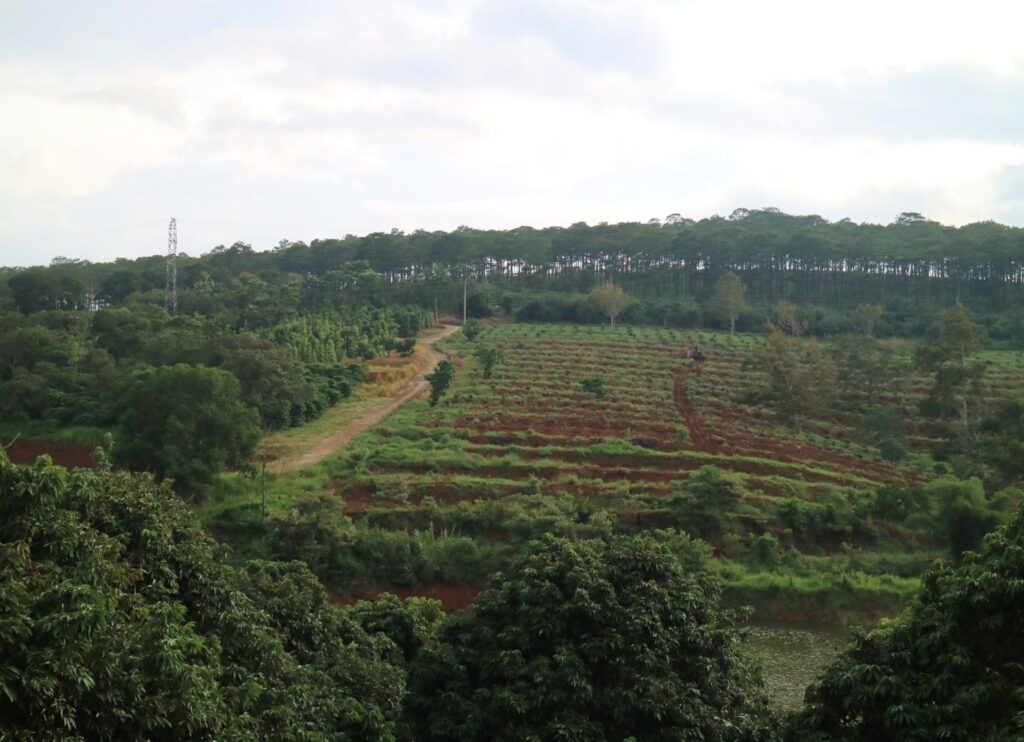
The Đắk Nông (Dak Nong) area is below ↓
Vietnam's Coffee Landscape
Vietnam is known as one of the world's leading coffee producers. It boasts the world's second-largest output, much of it grown in the central highlands. Highland areas such as Dak Nong, with their high altitude, volcanic soil, and steady rainfall, offer an environment well suited to growing coffee.
What supports this overwhelming output is the Robusta variety. About 90% of the coffee produced in Vietnam is said to be Robusta, and because it is disease-resistant and tends to yield stable harvests, it has been cultivated for many years as one of the country's major agricultural products. Robusta has a high caffeine content and a strong bitterness and body, and it is consumed around the world mainly for instant coffee and blends.
The Challenges of Robusta
On the other hand, this Robusta-centered production structure also carries several challenges.
First, on the international market, prices tend to be set lower than for Arabica, which makes growers prone to prioritizing yield over quality. As a result, the ingenuity of farmers and differences in taste are hard to get recognized, and the situation of falling into price competition continues.
Also, much Vietnamese coffee is distributed not by individual farm but collected and blended by region. In that process, the individuality of each origin and the differences in processing method disappear, all converging into a single, broad-brush evaluation of “Vietnamese Robusta.”
Distance from the consuming markets is another challenge. In many countries, including Japan, there is hardly any chance to learn in which region and environment the coffee was grown, or how it is drunk locally. As a result, only impressions like “bitter,” “heavy,” and “cheap” run ahead, and the true flavor and the possibilities of how to use it are not being conveyed adequately — that is the current reality.
Within this structure, Robusta has been folded into a market driven by price and efficiency, losing the chance to have its value properly told.
As I came to understand Vietnam's coffee landscape, what I felt strongly was that the challenge lies not in the Robusta variety itself but in “how it's told” and “how it reaches people.” With the context of origin, farm, and ways of drinking stripped away during distribution, I feel its true value may not be coming through.
That is exactly why, beyond putting out information, this media outlet will take on making coffee in a form you can actually enjoy in hand. Understanding the traits of origin and variety, in what form would it fit naturally into everyday life? Grappling with that question, I plan to give it shape one product at a time through product development.
This media outlet is also a place to share that process. While conveying Vietnam's coffee culture and the background of its growing regions, I want to propose a new way of engaging with Robusta.
Founder Profile | Rei Kojima
Born in Kyoto. At university, he studied agriculture and regional industry, developing an interest in the structures of production and distribution. In 2020, while still a student, he launched a dried-vegetable business using off-spec produce, “OYAOYA,” and began running a business aimed at adding value to agricultural products.
The business grew steadily and was incorporated in 2022.Agriture Inc.Founding the company, he built it around the manufacture and sale of dried vegetables and food ingredients, expanding into BtoB OEM, commercial ingredient supply, and product planning support. Working with domestic farmers and processors, he carried out ingredient and product development for food manufacturers and retailers.
In 2023,Agriture became a company in the Kai Group. Since then, still serving as CEO, Kojima has led the brand redesign, the streamlining of the product lineup and the build-out of the B2B business model. With OEM work and bulk ingredient supply at the core, Kojima continues to expand corporate business and strengthen the company's foundations.
From 2022 to 2023, he was also involved in new business development at Pizza 4P's (Pizza4Ps). Spanning Vietnam and India, he handled a wide range of hands-on work involved in launching businesses, including web direction, system design, and product and ingredient sourcing.
Contact:
・Mail:kojima@oyaoya-kyoto.com
・note:https://note.com/juv225
・Instagram:https://www.instagram.com/rei_kojima_/