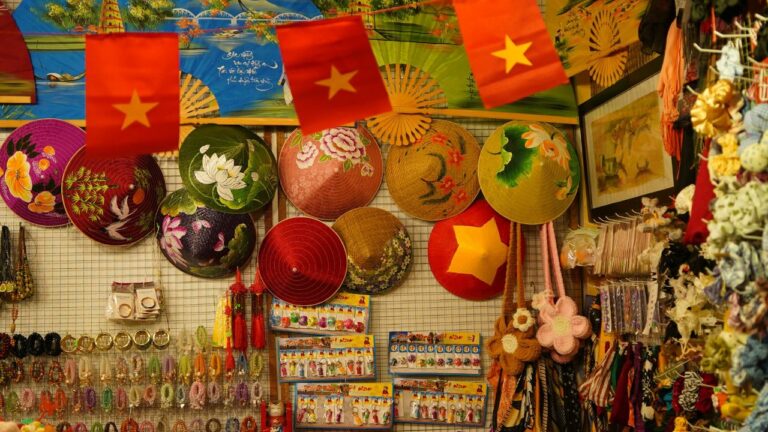
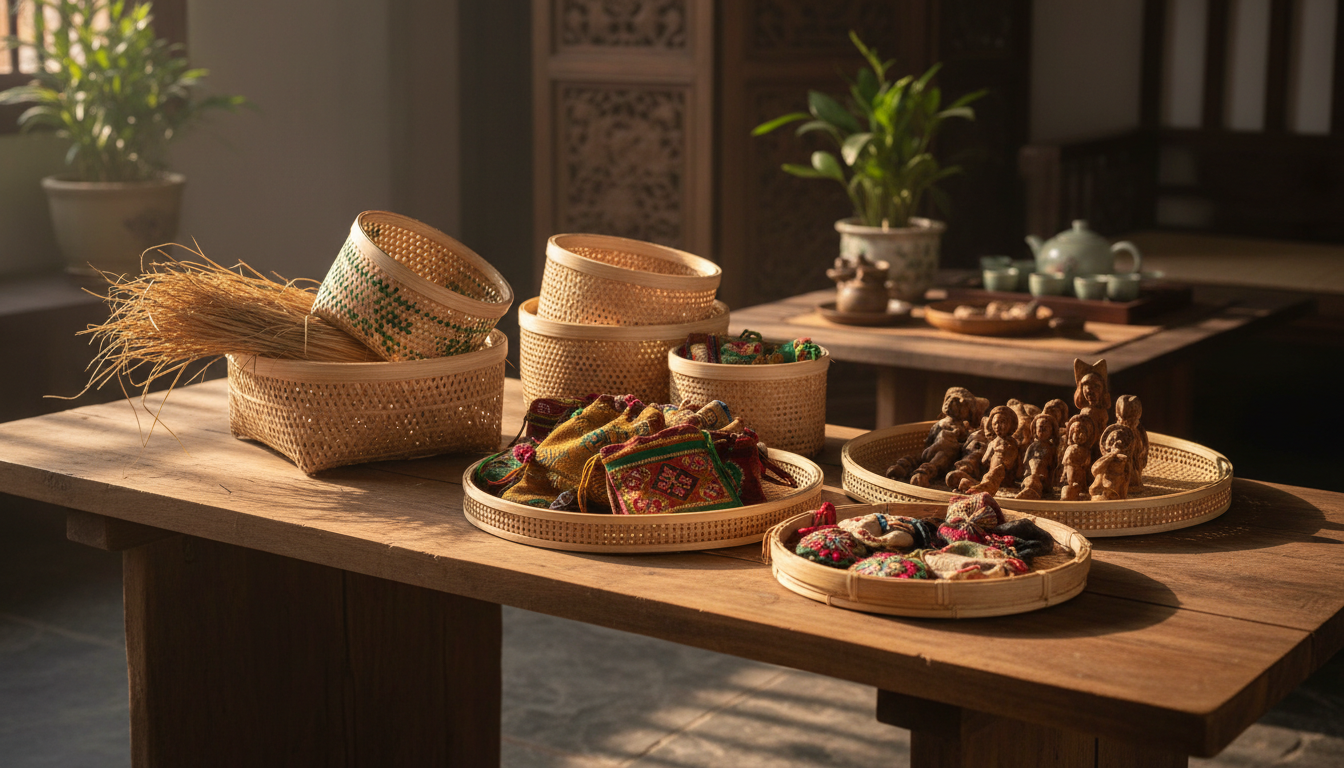
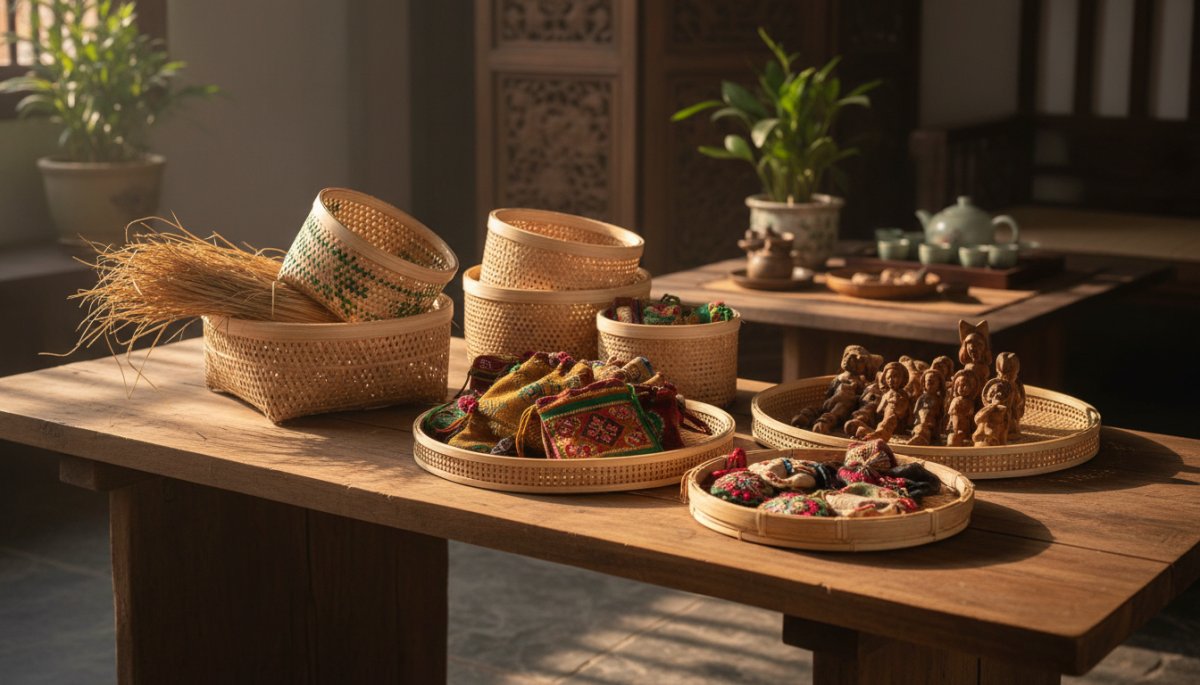
What is the appeal of Vietnamese goods?
Vietnamese goods have a distinctive warmth.
竹やラタンを使った手編みのかご、繊細な刺繍が施された布製品、素朴な陶器。これらは派手さこそないものの、日常に溶け込み、使うたびに旅の記憶を呼び起こしてくれる存在です。市場の商品は表情が異なる場合がありますが、すべてが一点物や手仕事とは限りません。作者、製造地、素材を確認します。
The craftsmanship cultivated over Vietnam’s long history, and the delicate handiwork made by dexterous hands, endlessly charm those who see them. Placed in a Japanese room, they don’t assert themselves too much, yet in an unexpected moment they let you feel a hint of the trip. That sense of distance may be the greatest charm of Vietnamese goods.
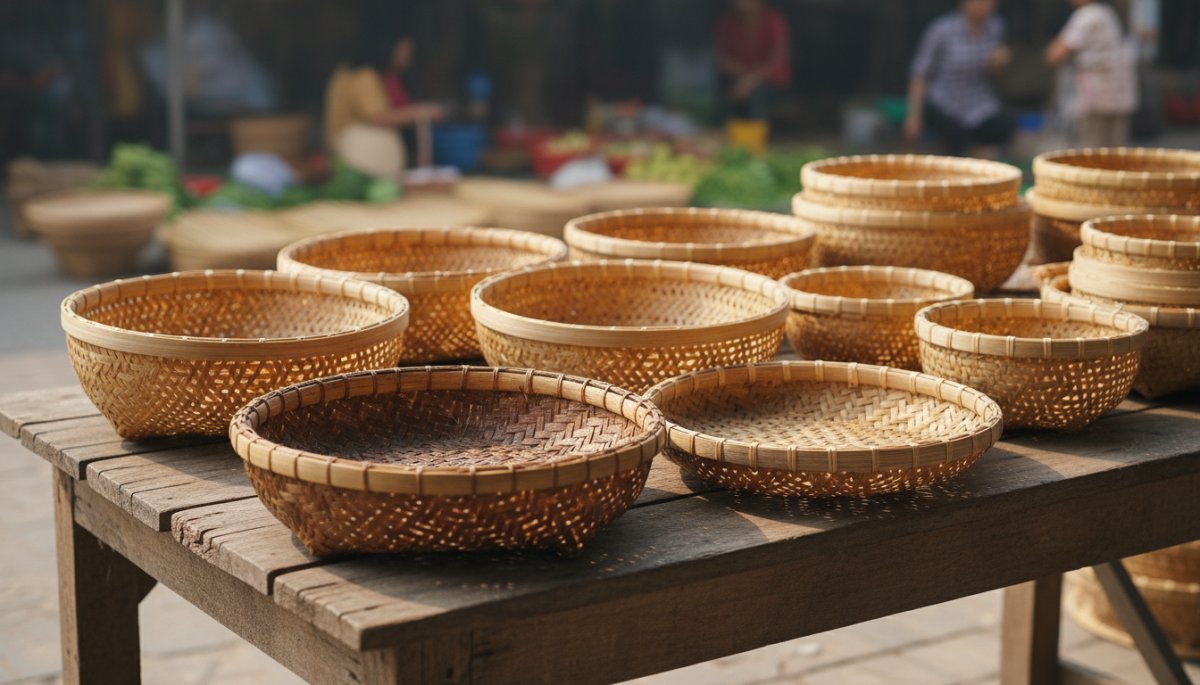
Quality checkpoints for bamboo and rattan items
How to judge the material
When choosing bamboo and rattan items, the first thing to check is the quality of the material.
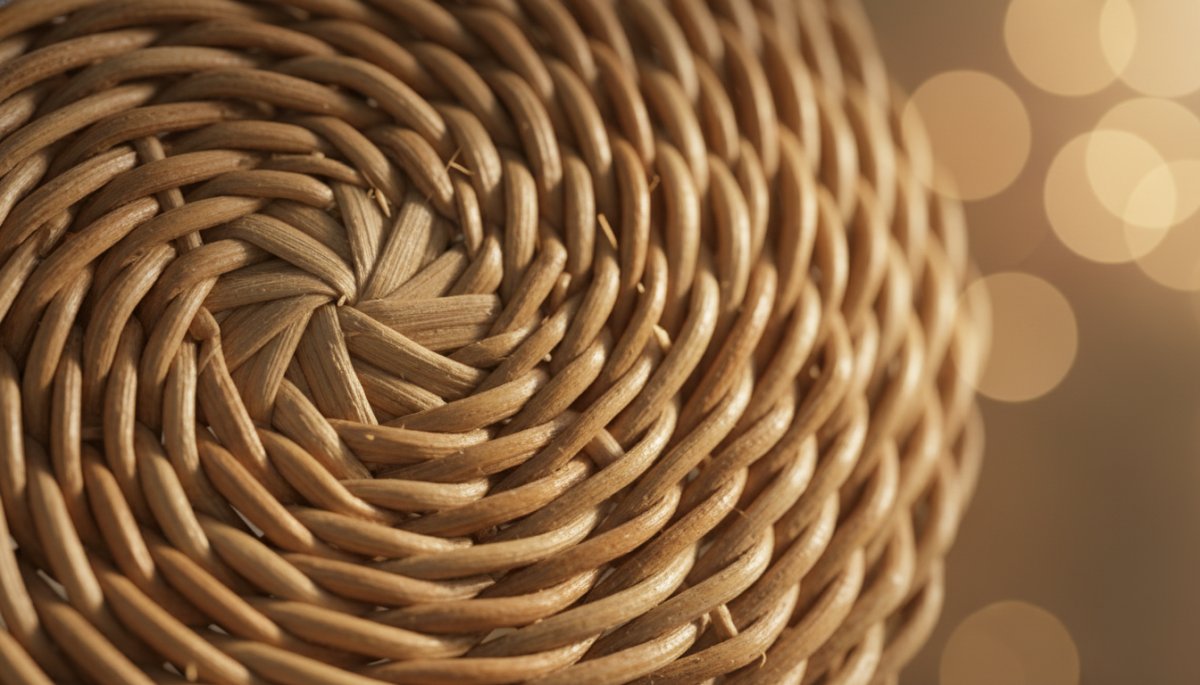
Good bamboo items have a smooth surface and a uniform color. Carefully check for discoloration, cracks, or traces of mold. For rattan, the balance between flexibility and strength is important. Bend it lightly and choose one with moderate springiness. Something too hard is over-dried, while something too soft may lack durability.
編み目の均一性も品質を判断する重要な要素です。編み目の均一さや揺らぎだけで職人技・手仕事を断定できません。販売者へ制作方法を聞き、実用品としてほつれ、ささくれ、荷重部分を確認してください。
How to check the structure
It’s important to actually pick it up and check the weight and stability.
For baskets, the weave of the bottom is especially important. Those with a double-layer bottom are more durable and last longer. For products with a handle, check the joints firmly. Ideally they’re secured not by adhesive alone but by weaving or knotting.
Give it a light shake and check for creaking. If there’s a sound, the joints may be loose.
How to spot the real thing in embroidered accessories
The difference between hand and machine embroidery
Vietnamese embroidered accessories are known for their delicacy.
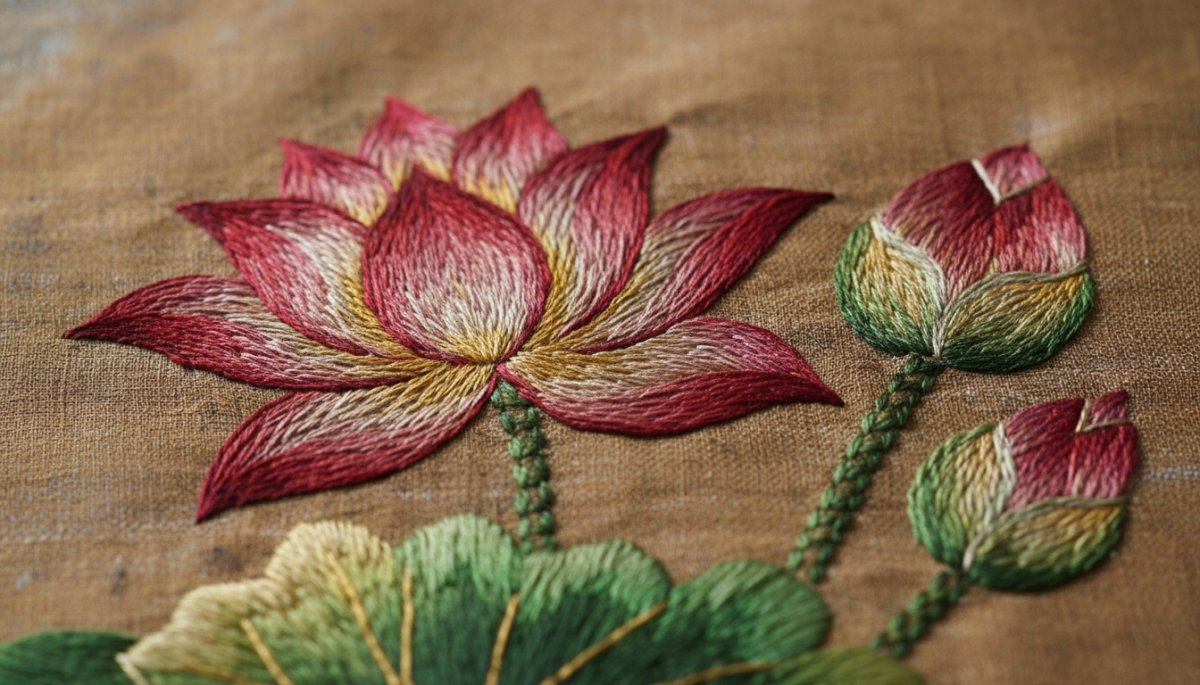
手刺繍の特徴は、糸の太さや針目の間隔に微妙な変化があることです。裏面を見ると、糸の処理が丁寧で、結び目が小さく整っています。機械刺繍は均一で完璧ですが、手刺繍には人の温もりが感じられる不揃いさがあります。不均一さは手刺繍の手掛かりにはなりますが、証明ではありません。裏面、糸端、図柄の反復、販売者の説明を組み合わせます。
The quality of the embroidery thread is also an important point. Good thread has luster, vivid color, and resists fading. Cheap products have coarse thread and are more likely to bleed color after washing, so caution is needed.
Checking the design and color scheme
Vietnamese embroidery has traditional motifs.
Designs with nature motifs like lotus flowers, bamboo, and birds are common. The color scheme is characterized by vivid uses of red, gold, and green, but lately there are more products in subdued tones favored by Japanese buyers. Check whether the design is carefully finished down to the details, with no fraying or stray threads.
For pouches and bags, not just the embroidery but the sewing quality matters too. Whether the inside is neatly finished and the zipper moves smoothly are also checkpoints.
Tips for price negotiation and a sense of the going rate
Negotiation tactics at the market
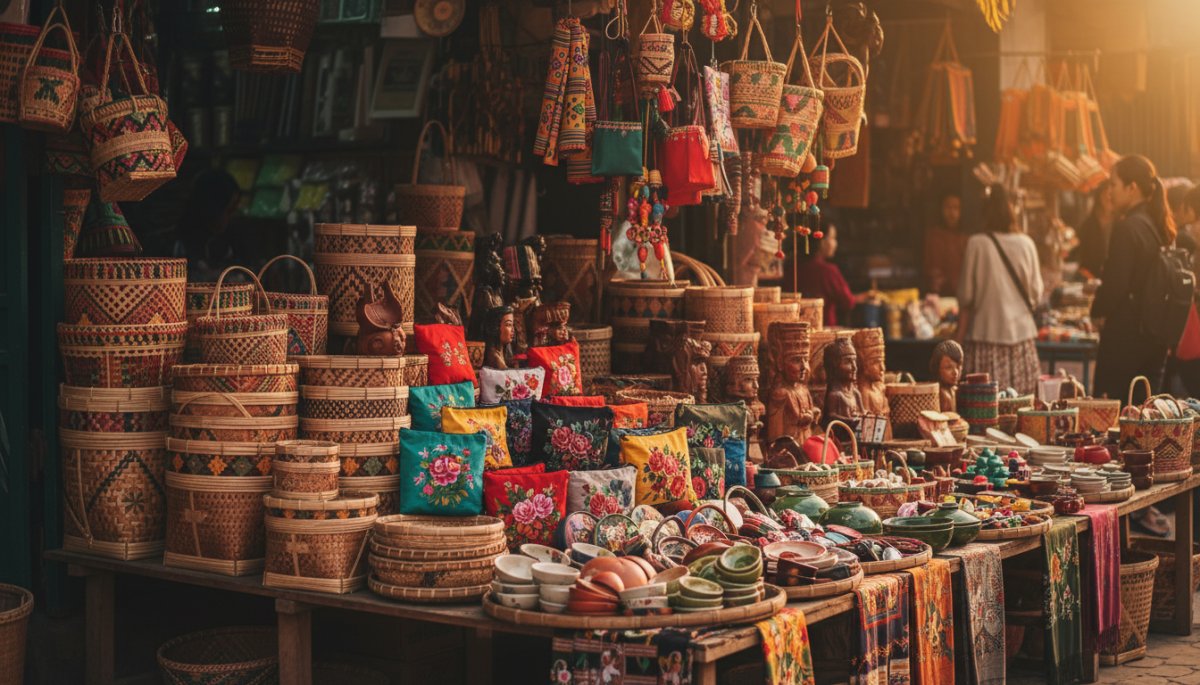
At Vietnamese markets, price negotiation is part of the culture.
提示価格が相場の2〜3倍とは一般化できません。定価表示や交渉不可の商品もあるため、複数店で素材と品質を揃えてVND総額を比較します。「もう少し安くなりませんか?」と尋ねるだけで、驚くほど値下げしてくれることもあります。複数の店舗を回って相場を把握してから交渉すると、より有利に進められるでしょう。
Buying in bulk is a powerful negotiating tool. When purchasing several items at the same shop, try proposing a set price. Shop owners are often happy to offer a discount.
How to gauge a fair price
旧稿の50,000〜200,000VNDは現在の保証ではありません。サイズ、素材、手仕事、仕上げで変わるため、円換算の固定相場ではなく店頭のVND価格を比較します。
ポーチやバッグの旧稿価格も現在の保証ではなく、観光地の店だから品質保証があるとも限りません。縫製、裏地、ファスナー、色落ち表示、返品条件を確認します。地元の人が利用する市場では、より安価に購入できる可能性があります。
It’s important to consider not just the price but the balance with quality. Be careful, as extremely cheap products may have issues with material or sewing.
How to buy without regret, and recommended shops
How to choose a trustworthy shop
When buying goods in Vietnam, choosing the shop is extremely important.
We recommend choosing long-established specialty shops or those locals recommend. Dong Khoi Street in Ho Chi Minh City and the Old Quarter of Hanoi gather shops handling high-quality goods. Whether the interior is clean and the products carefully displayed is also material for judgment.
The staff’s manner is also an important point. Shops that explain products in detail and answer questions politely are trustworthy. It’s also reassuring to choose shops with a clear return-and-exchange policy.
Precautions when buying
Always check the product in detail before buying.
Check every part for scratches, dirt, or fraying. It’s especially important to look closely at the sewing and the joints. If possible, we recommend actually trying it out to check usability. For a bag, put things in it; for a basket, lift it—test its practicality.
You also need to check how it will be packed for the trip home. For fragile products, have them protect it with proper packing material. For large items, some shops can arrange international shipping. Checking the shipping cost and delivery time in advance gives you peace of mind.
購入前の最終チェック
- カビ、虫穴、ささくれ、割れ、接着剤の浮きがない
- 持ち手・底・ファスナーなど荷重部分を軽く確認する
- 染色布は白い布へ色移りしないか店へ確認する
- 手仕事・原産地・作者の説明をレシートやタグで残す
- 竹、ラタン、木、種、羽・革は日本の検疫・規制を確認する
- 航空会社の寸法・重量、割れ物の梱包方法を確認する
Summary: what matters in choosing Vietnamese goods
The biggest point in choosing Vietnamese goods is to judge the balance between quality and price.
For bamboo and rattan items, check the material quality and the evenness of the weave; for embroidered accessories, check the subtle irregularity that is proof of handwork. It’s important to enjoy price negotiation as part of the culture while grasping a fair price. By choosing a trustworthy shop and checking the details before buying, you can shop without regret.
The charm of Vietnamese goods lies less in polish than in the story behind them. A short exchange at the market, the warmth of an artisan’s handwork, goods steeped in the memories of your trip—they keep a hint of travel in your daily life even after you return home. Use this complete guide to find your own special Vietnamese goods.
An encounter with wonderful Vietnamese goods is sure to make your trip all the richer.