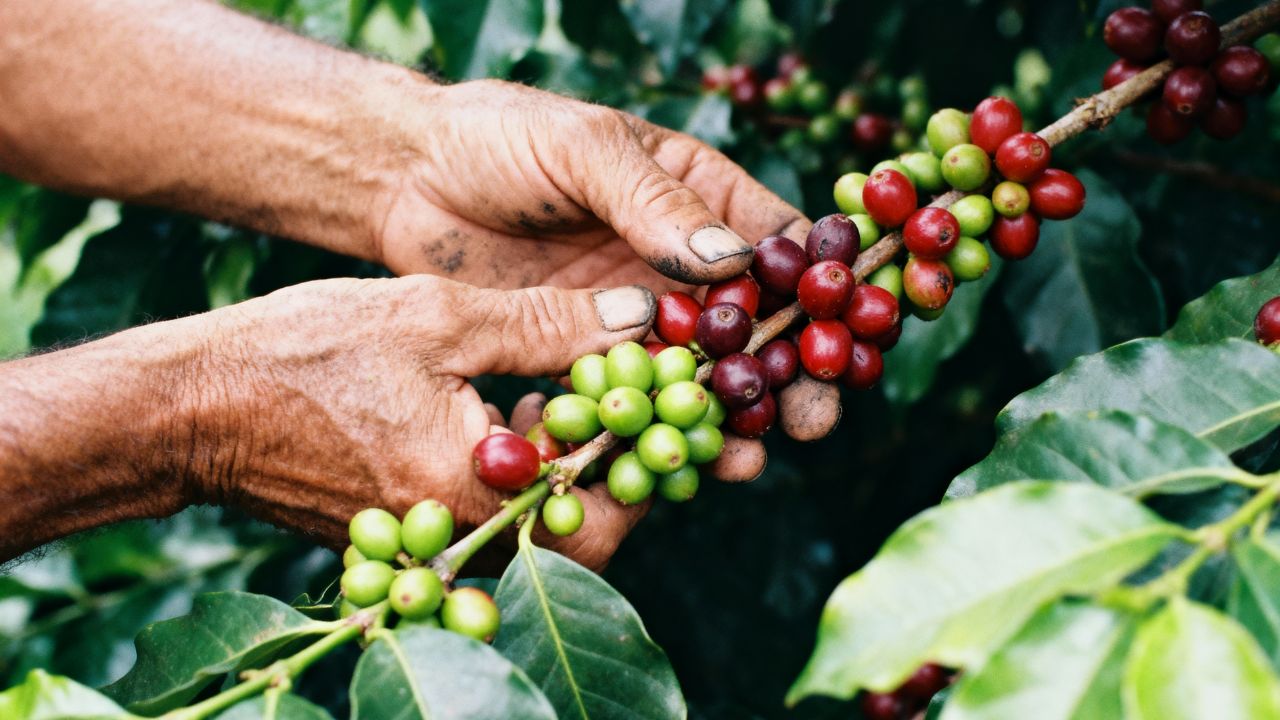
Coffee, loved around the world, is produced at a rate of about 170 million bags a year (1 bag = 60 kg) and is an agricultural product traded on a scale second only to crude oil. With more than 2.5 billion cups consumed daily and production in over 70 countries, this beverage now faces a serious crisis. Climate change driven by global warming is shaking the entire coffee industry.
A research paper titled "A Bitter Cup," published in 2015, presented a shocking prediction: by 2050, the land currently suitable for coffee cultivation will be cut in half. This prediction, known as the "Coffee 2050 problem," sent a major shock through Japan's coffee industry as well.
This article explains in detail the concrete impact of climate change on coffee-growing regions and the measures needed to achieve sustainable production.
What is the Coffee 2050 problem?
The Coffee 2050 problem refers to the issue of coffee harvests declining significantly in the future due to the effects of climate change.
What brought this issue into the spotlight was a paper published in 2015 by researchers including Bunn. The conclusion drawn from big-data analysis was that "by 2050, the suitable growing area in today's coffee regions will be halved." Other researchers have since verified this using the latest data, but unfortunately the result has not changed.
The impact on Arabica and Robusta
Arabica, which accounts for about 70% of the coffee in global circulation, will be especially hard hit.
Arabica is grown at high altitudes of 1,000–2,000m and has a rich acidity and aroma with a refined flavor. However, this variety is vulnerable to rising temperatures, and the Bunn et al. study (2015) referenced in the article projects that suitable coffee-growing land worldwide will shrink by roughly 50% overall by 2050. Robusta, meanwhile, is a hardy variety that can grow at lower altitudes, but under some scenarios it's projected to lose up to 83% of its viable growing area.
The impact on producers and consumers
A decline in harvest means a decline in income for producers.
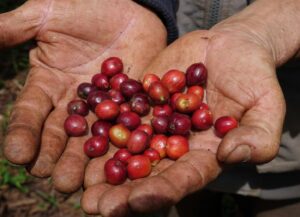
Coffee production worldwide is a huge industry involving about 25 million households, most of them smallholders with growing areas of 5 hectares or less. The main growing regions are concentrated in developing countries facing poverty issues, such as those in Latin America and Africa. The decline in harvests due to climate change directly hits these smallholders' livelihoods and increases the risk of poverty.
For us consumers, there is the possibility of facing coffee shortages and price spikes. Japan is the world's third-largest coffee importer, and now that convenience-store coffee and third-wave specialty shops have become established, coffee has become a part of daily life. That everyday is now under threat.
The concrete impact of climate change on coffee-growing regions
Climate change is having a serious impact on coffee cultivation through multiple factors.
Rising temperatures and changes in humidity
The temperature rise caused by global warming changes the basic conditions for coffee cultivation.
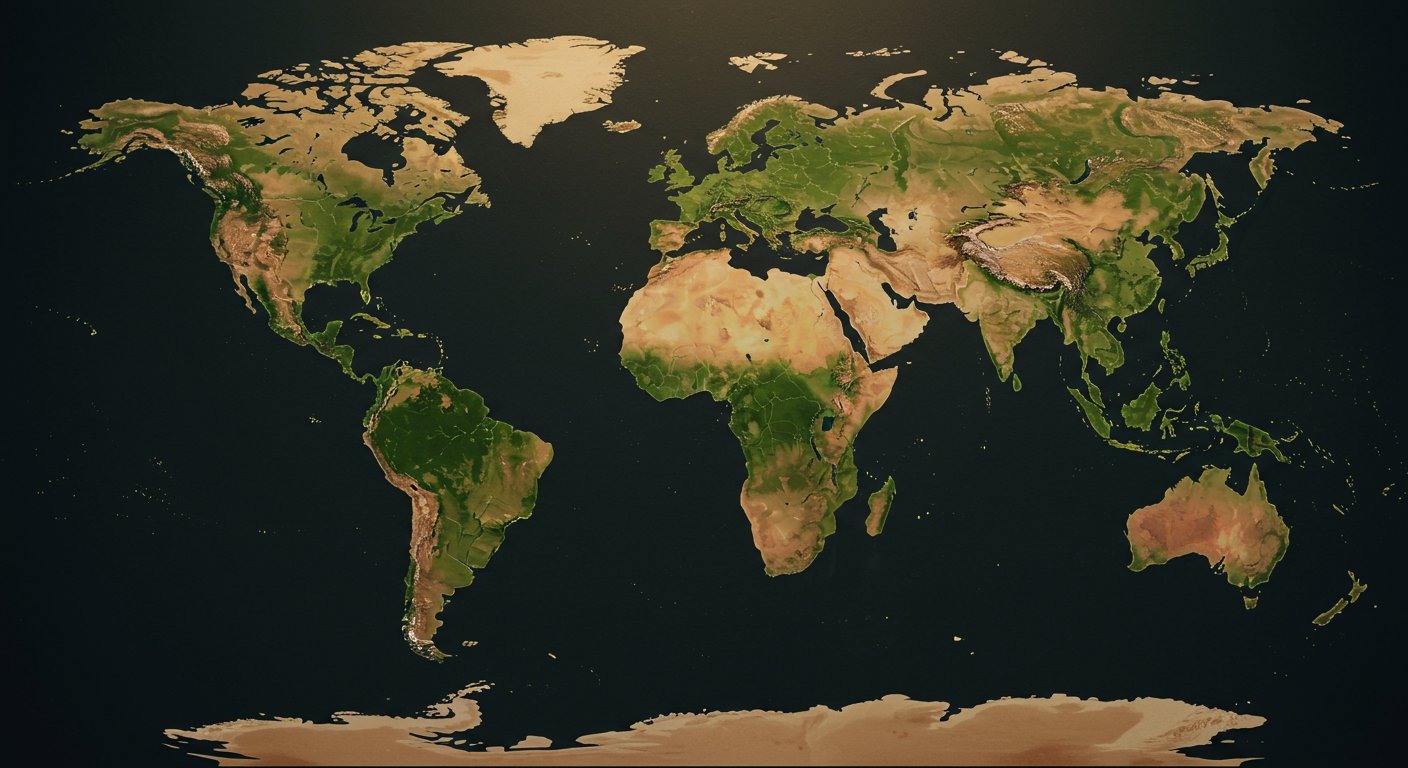
Growing high-quality coffee requires a difference between day and night temperatures, moderate rainfall, and altitude. The region where these conditions come together is known as the "coffee belt," lying between 25 degrees north and 25 degrees south of the equator. With warming, however, the day-night temperature gap is shrinking and humidity is rising, and the growing environment that was once optimal is being lost.
The expanding spread of coffee leaf rust
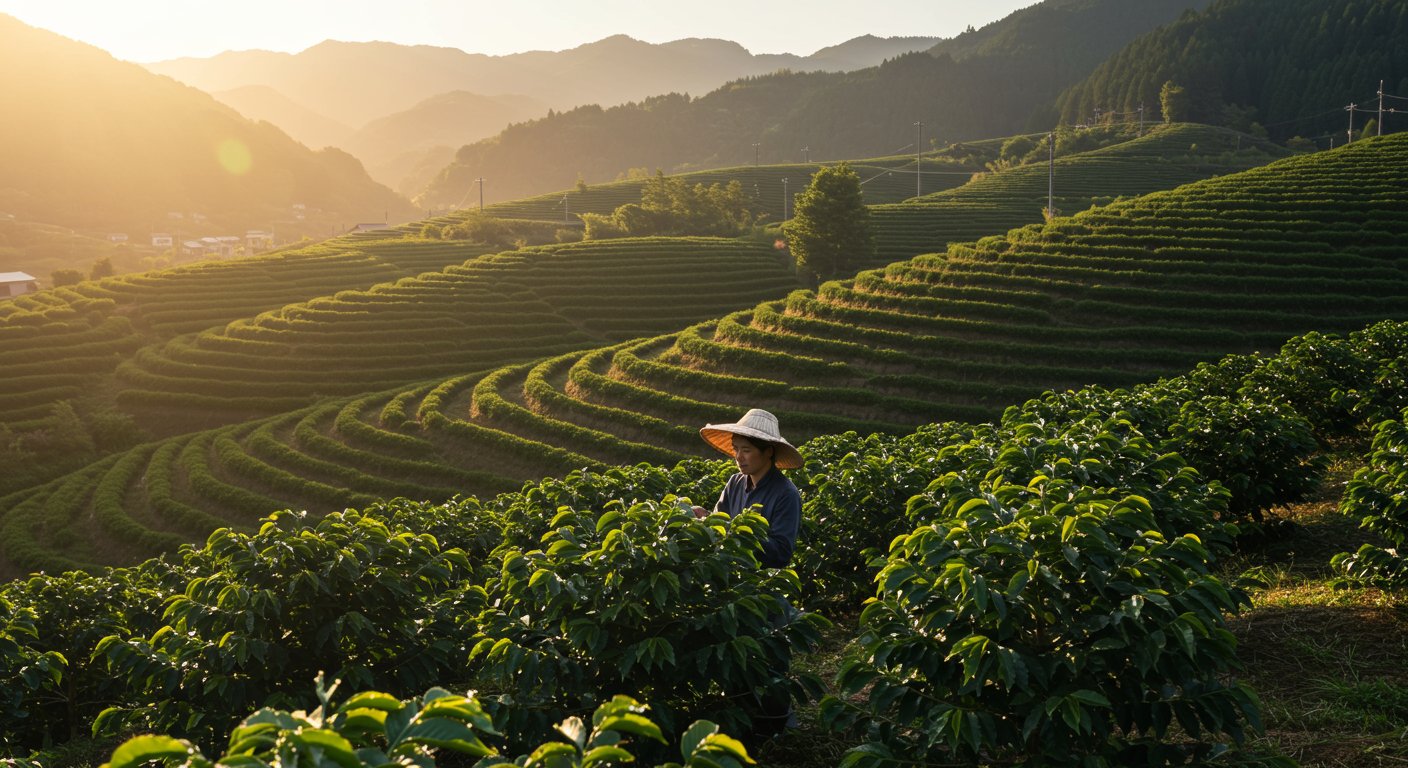
Rising temperatures and humidity are making coffee more prone to "leaf rust," the most serious disease for coffee.
Leaf rust causes declines in harvest volume and quality, and if the damage spreads, some producers may withdraw from coffee production altogether. Arabica in particular is vulnerable to leaf rust, and the spread of pest and disease damage has become a serious problem.
Changes in rainfall and drought
Climate change is also affecting rainfall patterns.
In growing regions, the rainy and dry seasons are already becoming disordered, with the boundary between them disappearing. Because coffee is sensitive to dryness yet prefers fertile, well-draining soil, declines in rainfall and drought have a serious impact on cultivation. In Brazil's coffee-growing regions, various changes are forecast, including "rising temperatures" as well as "rising humidity" and "declining rainfall."
The intensification of tropical cyclones
The intensification of tropical cyclones such as hurricanes is also causing damage to coffee-growing regions.
In the coffee-growing regions of Latin America and the Caribbean, physical damage from intensified tropical cyclones is increasing. These phenomena are expected to occur worldwide, including in Latin America and Africa, and could affect the entire coffee industry.
Efforts toward sustainable coffee production
In a coffee industry facing crisis, various efforts are underway to achieve sustainable production.
Developing heat-tolerant varieties and improving cultivation techniques
To adapt to climate change, countries are advancing the development of heat-tolerant varieties.
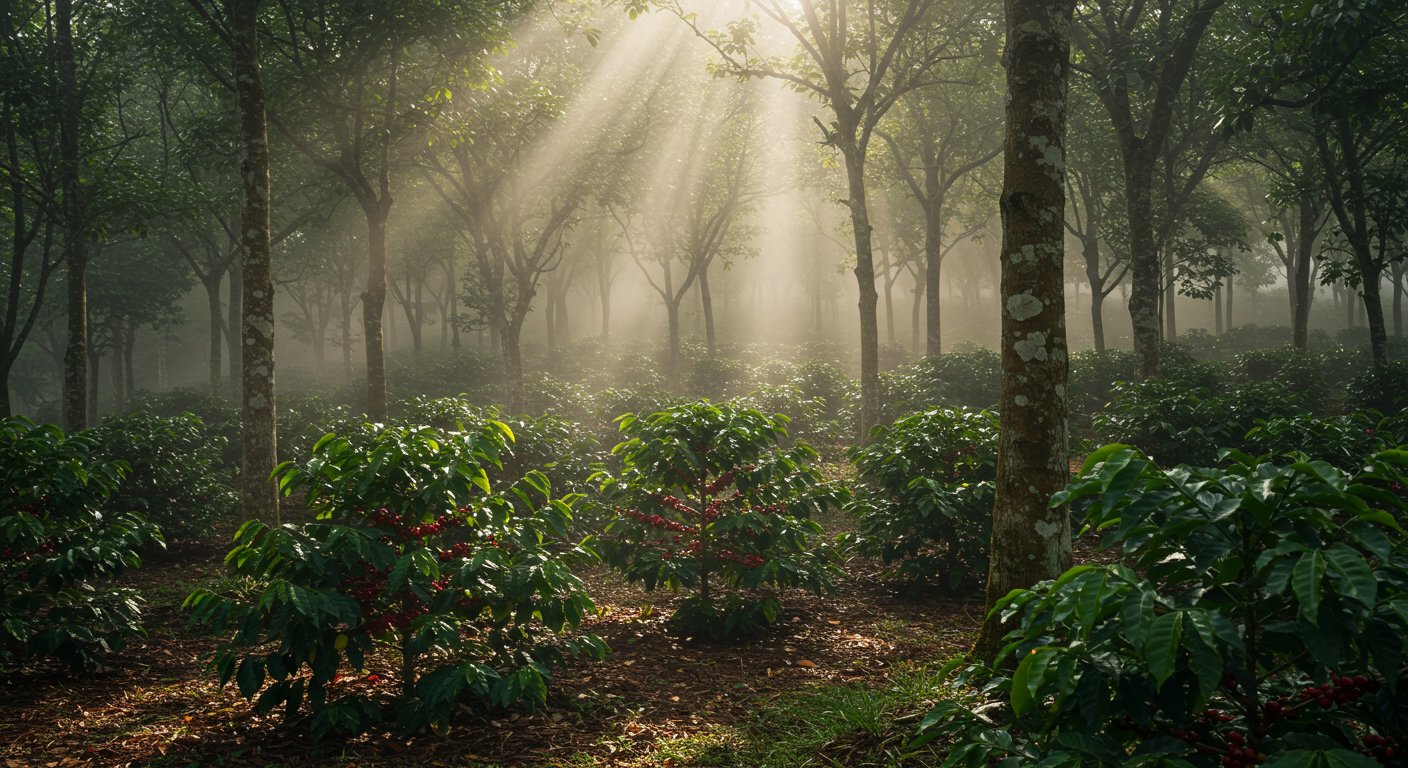
Environmentally conscious cultivation methods are also spreading, such as the introduction of shade trees and agroforestry. These approaches protect coffee trees from direct sunlight, enhance the soil's water-retention capacity, and help maintain biodiversity. Companies such as Key Coffee are working on variety improvement and cultivation-technique research to support the future of coffee.
Fairtrade and certification systems
As mechanisms to support producers, Fairtrade and Rainforest Alliance certification are drawing attention.
Through these mechanisms, a movement is spreading to help producers trade at fair prices and to reconcile environmental conservation with improved livelihoods. In coffee production, where smallholders are numerous, price volatility and an unstable distribution structure pose challenges, but certification systems offer one solution to these problems.
The shift of coffee-growing regions and new cultivation areas
To respond to climate change, the shift of coffee-growing regions is also taking place.
New growing regions are emerging through moves to higher altitudes and higher latitudes. Cultivation has begun even in areas that were traditionally outside the coffee belt, such as Nepal, China, Taiwan, Malaysia, and Madagascar. In Japan, too, attempts at coffee cultivation are being made in some regions. However, these new growing regions alone are thought to be insufficient to fully resolve the future coffee shortage.
Making use of parts of the coffee plant other than the bean
To enhance sustainability, efforts to make use of parts of the coffee plant other than the bean are also spreading.
Coffee cherry tea, made from the coffee cherry (the fruit's flesh), and coffee leaf tea, made from coffee leaves, are drawing attention. Sometimes called the revival of "forgotten coffee," these have traditionally been consumed in some regions, such as Ethiopia and Sumatra. Diverse uses are being developed, including coffee honey and coffee flower tea made from coffee blossoms.
Sustainable coffee choices consumers can make
Our choices as consumers have the power to change the future of coffee.
Choosing certified coffee
Choosing Fair Trade or Rainforest Alliance certified coffee directly supports the farmers who grow it.
Consumers are increasingly valuing the ethical choice over the cheapest option, and a shift in social awareness is taking shape through coffee. By choosing coffee that carries a certification mark, you help support fair trade pricing and environmental conservation.
Why third-wave coffee matters
Third-wave coffee, with its emphasis on transparency around origin, producers, and the roasting process, also contributes to sustainability.
We have entered an era where consumers care about who grew the beans, where, and how, and where the producer's story carries real value. Choosing single-origin coffee lets you feel a direct connection to the people who grew it.

Taking part in a wider coffee experience
In today's coffee market, value is shifting from quality alone toward experience.
Subscription coffee services, live brewing by a barista one cup at a time, region-exclusive single origins — coffee has become a medium that connects people and cultures. Through these experiences, there are more chances than ever to learn about the realities and challenges behind coffee production.
Balancing wellness with environmental care
Products that suit health-conscious and diverse lifestyles are also expanding, from decaf to plant-based lattes made with oat milk.
These options can meet individual wellness needs while also helping to reduce environmental impact. Supporting a sustainable coffee culture means understanding the range of choices available and engaging with coffee in a way that suits you.
Conclusion: action toward the future, starting from a single cup
The 2050 coffee problem is not a story about some distant future.
Rising temperatures from climate change, shifting humidity, the spread of leaf rust, declining rainfall, and intensifying tropical storms — several forces are threatening coffee-growing regions at once. The prediction that suitable land for Arabica will be cut in half by 2050 is a serious warning for coffee lovers around the world.
But there is hope, too. Efforts to make production sustainable are advancing worldwide: heat-tolerant varieties, agroforestry and shade-tree cultivation, producer support through Fair Trade and certification schemes, and the use of parts of the coffee plant beyond the bean itself.
What can we do as consumers? Choose certified coffee, learn the stories of the regions and producers, learn through third-wave coffee experiences, and above all, understand the value of coffee and pay a fair price for it.
Coffee is more than just a drink — it reflects the diversity of the world. Agriculture, economy, culture, environment: each of these is distilled into a single cup. In every country's coffee, the memory of the land and the work of people live on.
When you savor your morning coffee, try to sense the effort and the landscape of someone, somewhere in the world. That small shift in awareness is the first step toward protecting coffee's future.