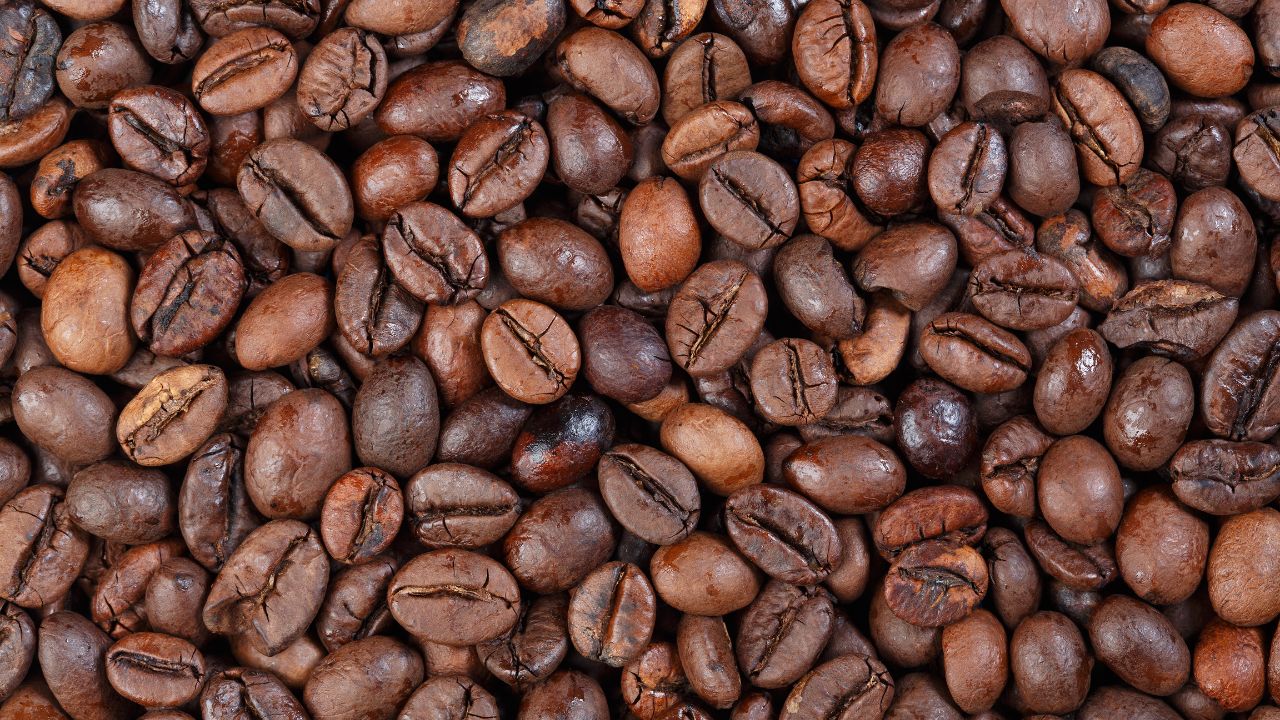
As 2025 began, coffee prices have risen sharply. Waves of price hikes have reached cafés and convenience stores alike, and the impact on household budgets has reached a level that can no longer be ignored. This surge is not a temporary phenomenon but a structural problem in which several serious factors are intertwined.
In February 2025, the international trading price of coffee beans broke through the threshold of 9 dollars per kilogram, a record high. The price of Arabica, used mainly in cafés and coffee shops, has nearly doubled in just one year. The Food and Agriculture Organization of the United Nations (FAO) warns that the impact on consumers will widen further from late 2025 into 2026, and that retail prices may stay elevated for several years.
The serious impact of climate change
The biggest cause of the price surge is the extreme weather hitting growing regions due to climate change.
In Brazil, the world's largest coffee producer (ICO statistics), frost damage and reduced rainfall are causing serious damage to coffee trees. From 2024 to 2025, Brazil's rainfall fell well below normal, and concern is growing that it will also adversely affect 2026 production. Arabica, grown at high altitudes, is especially vulnerable to rising temperatures, and there's even a forecast that its suitable growing areas will halve by 2050.
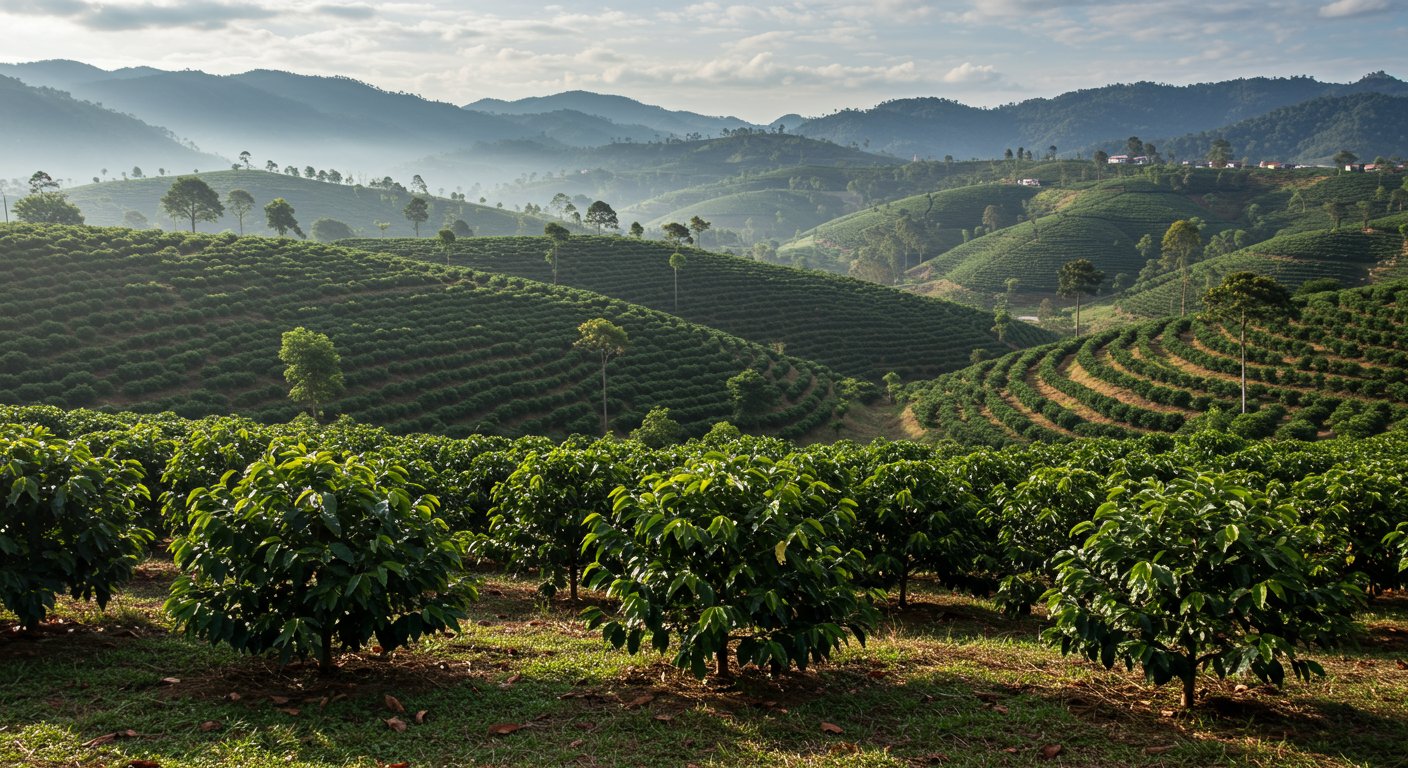
The situation is similar in Southeast Asia. Vietnam is the largest producer of Robusta, but a lack of rain has hampered growth and reduced yields. On top of that, rising temperatures have spread pests and disease, dealing producers a double blow.
What is the "2050 coffee problem"?
Published in 2015, the research paper "A Bitter Cup" predicted that the area suitable for growing coffee would be cut in half by 2050, sending a shock through the industry. This "2050 coffee problem" is not merely a forecast but a crisis already becoming reality. Arabica is grown in highlands at elevations of 1,000 to 2,000 meters, but rising temperatures are rapidly eroding this suitable land.
For producers, falling yields mean falling income. Many smallholder farmers are giving up coffee and accelerating the shift to other, more profitable crops. As a result, the supply of coffee beans declines further, creating a vicious cycle in which upward pressure on prices intensifies.
U.S. tariff policy adds fuel to the fire
Beyond climate change, the impact of international politics cannot be ignored.
The US had imposed an additional 50% tariff on Brazil, but under a presidential order dated November 20, 2025 (applied retroactively to November 13), that tariff, including on coffee, was removed. During the period the tariff was in place, US roasters were forced to halt orders from Brazil, and domestic stockpiles fell sharply. That impact is expected to linger in international prices for some time even after the removal.
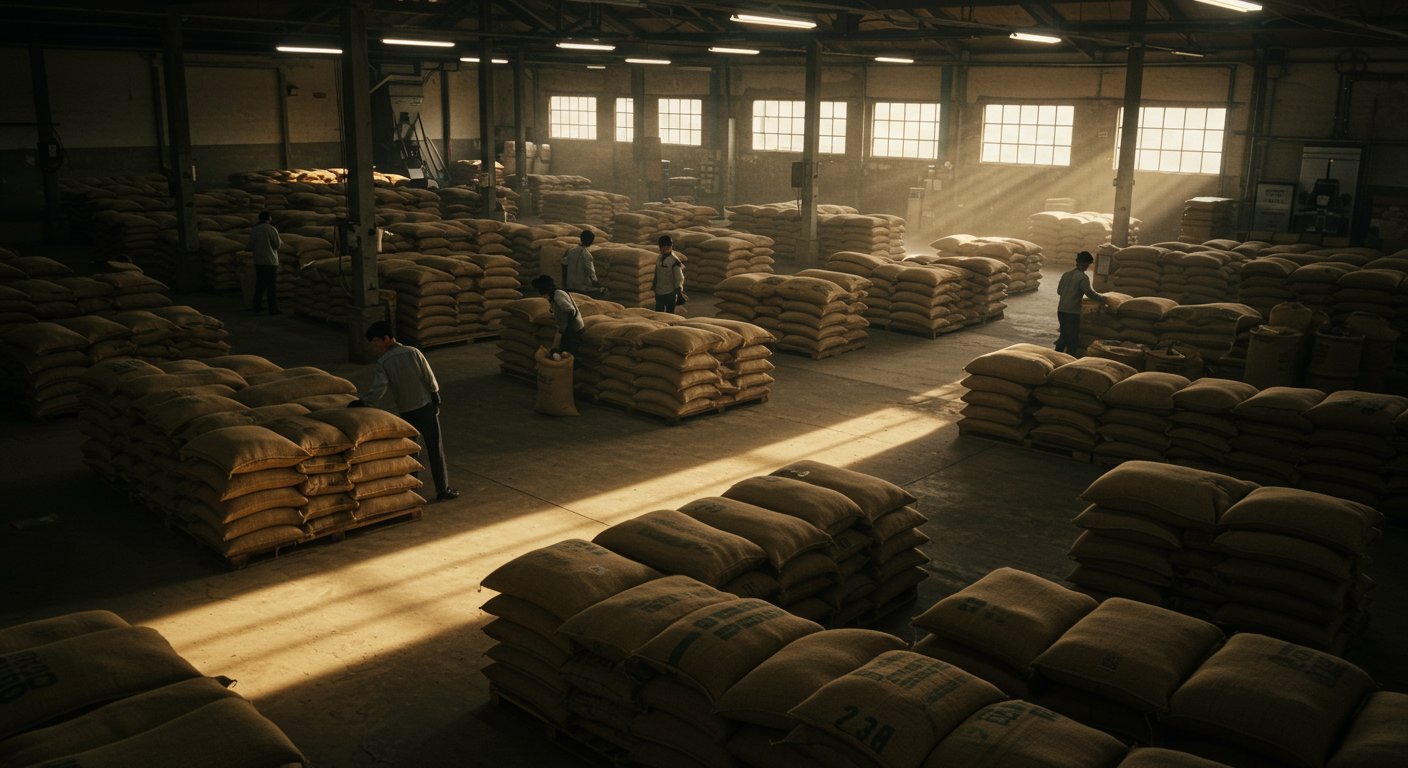
With the tariff lifted, imports are expected to resume, but rebuilding stockpiles is likely to take time, and price and supply instability could persist until around February 2026, when the new harvest from Central American producing regions starts shipping.
Rising global demand and short supply
Coffee consumption is rapidly expanding across Asian countries, China foremost among them. While the number of people who want to drink coffee keeps rising around the world, supply is shrinking due to climate change and crop switching. This supply-demand gap forms the fundamental structure behind rising prices.
Japan is the world's third-largest coffee importer, and more than 2.5 billion cups are consumed worldwide every day. For Arabica in particular, supply cannot keep up with demand, and a global scramble for beans continues.
The weak yen and rising logistics costs
For Japanese consumers, the weak yen is another major blow.
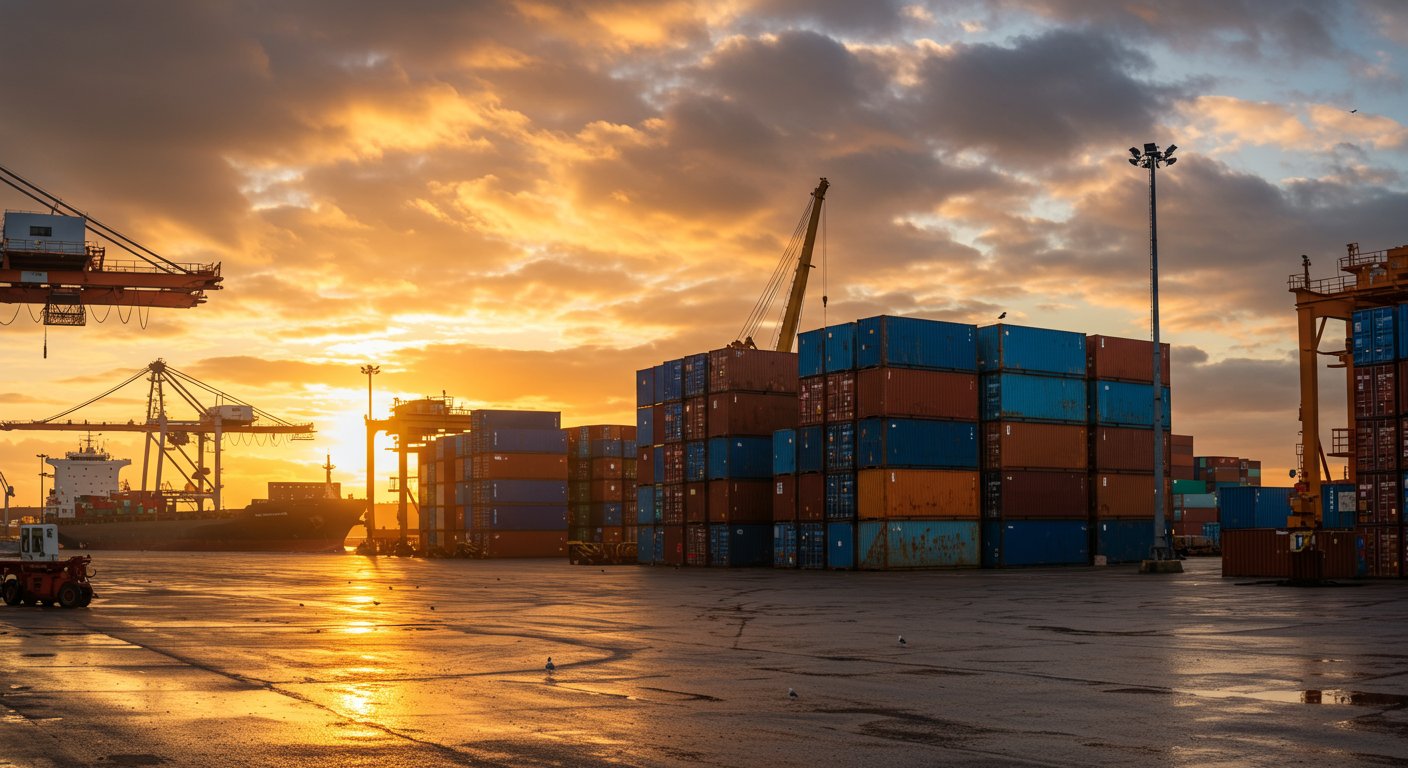
The yen has continued to weaken through 2025, sharply increasing import costs. With international coffee prices rising, the falling value of the yen is pushing purchase prices within Japan even higher. Added to this, fuel costs for transport by ship and truck have risen, and the increase in logistics costs is being passed on to prices.
Rising labor costs cannot be overlooked either. Wages for shop staff are gradually rising, and that, too, is reflected in coffee's retail price. In October 2025, major beverage makers including Coca-Cola, Kirin, Asahi, and Itoen raised prices all at once, with coffee products seeing revisions of 20 to 30 yen.
A wave of price hikes within Japan
In 2025, a wave of price hikes has continued across food as a whole. In April, more than 4,000 items including beer, frozen foods, and seasonings rose in price, and in October roughly 3,000 food items were marked up again. Coffee has been swept up entirely in this wave, and the burden on household budgets only grows.
Coffee makers such as Ajinomoto AGF and UCC Ueshima Coffee have also raised prices on household coffee products by 10 to 35% from October 2025. Unable to absorb rising procurement costs, they have had no choice but to pass them on to consumers.
The outlook ahead and what we can do
Unfortunately, there is no sign that this situation will improve in the short term.
The Food and Agriculture Organization points out that retail prices may stay elevated for several years. The situation could change depending on Brazil's rainfall, but the effects of climate change are expected to persist over the long term. For specialty coffee, global demand is strong and farmers are holding firm on high prices, so trading continues at elevated levels.
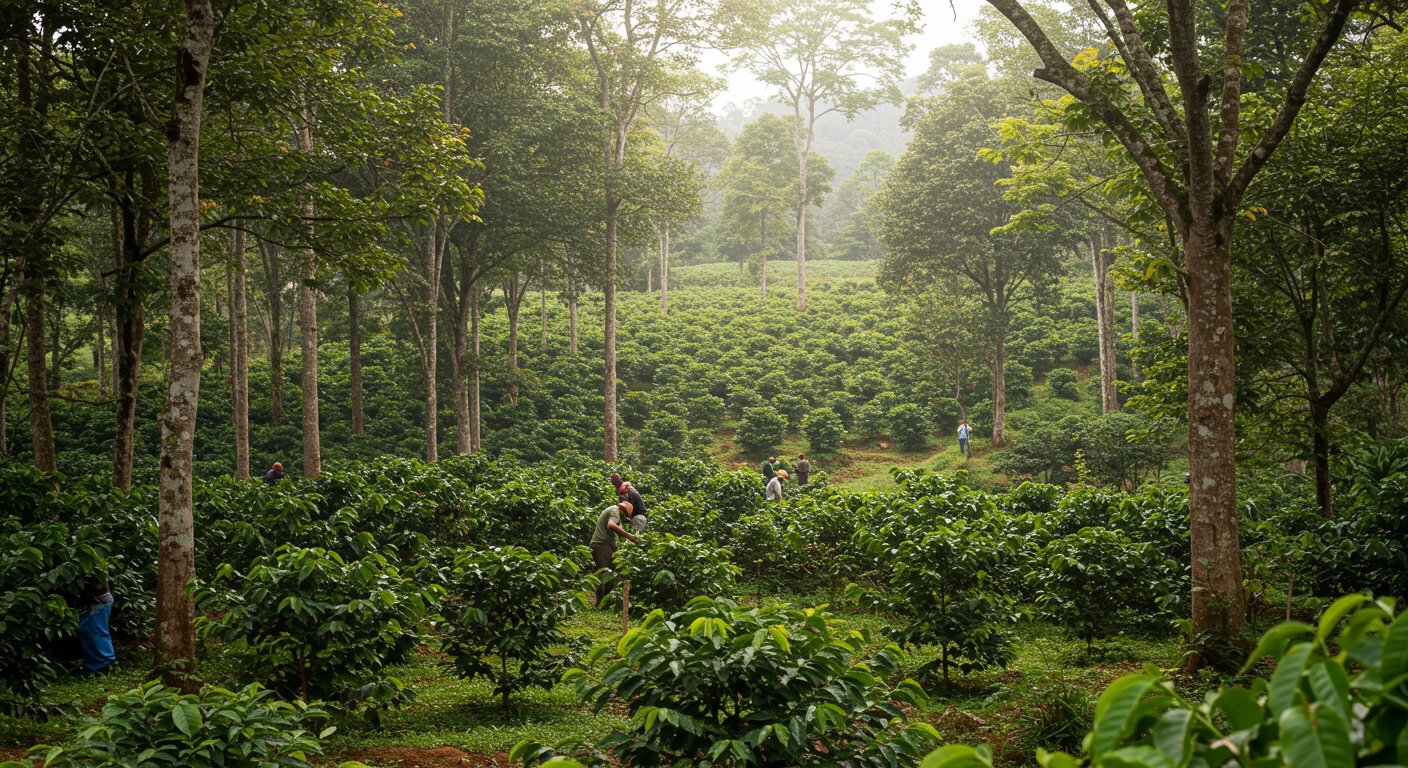
What can we do as consumers? First, by choosing Fair Trade or Rainforest Alliance certified coffee, we can support producers. These schemes help producers trade at fair prices and work to balance environmental conservation with better livelihoods.
Protecting a sustainable coffee culture
In the coffee industry, efforts toward sustainable production are advancing, including the development of heat-tolerant varieties and the adoption of shade-tree cultivation and agroforestry. Consumers, too, are increasingly valuing the ethical choice over the cheapest option, and a shift in social awareness is taking shape through coffee.
Subscription coffee services, live brewing by a barista one cup at a time, region-exclusive single origins — coffee has become a medium that connects people and cultures. Products that suit health-conscious and diverse lifestyles, such as decaf and plant-based lattes, are expanding too, and coffee culture continues to evolve.
Conclusion: the world held within a single cup
The 2025 surge in coffee prices is the result of several factors woven together in a complex way — climate change, international politics, the weak yen, and rising logistics costs. This situation is likely to last for several years and will continue to have a significant impact on our daily lives.
Yet beyond a single cup of coffee stand producers working hard somewhere in the world. Our small choices can support their livelihoods and the planet's future. To protect a sustainable coffee culture, now is the time for each of us to act.