Have you ever come across the term "single origin" at a coffee shop?
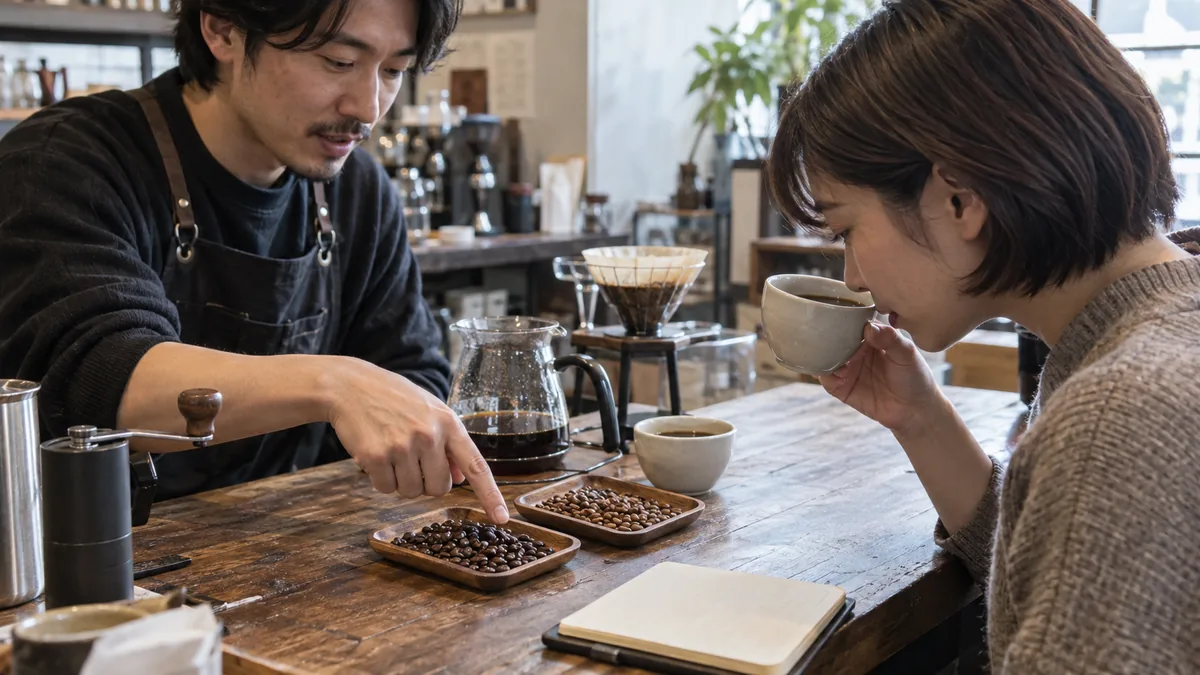
Single-origin coffee is coffee made using beans from a single origin only. Sourcing — without blending — only coffee beans produced in a specific country, region, or even a single farm, it lets you enjoy the character distinctive to that origin; this is its greatest feature.
It may help to think of it like wine. Even among French wines, the flavor differs by region — Bordeaux, Burgundy, Champagne. Coffee is the same: even within the producing country of Brazil, soil conditions and temperature differ from farm to farm, and because producers choose varieties suited to their land and grow them by their own methods, character naturally emerges.
The difference between single origin and blends
When choosing coffee, it helps to understand the difference between single origin and blends.
Characteristics of blended coffee
Blend coffee combines coffee beans from multiple producing regions. By skillfully mixing beans from various regions while making the most of each one's characteristics, it's finished into a coffee with a balanced taste. It's, so to speak, a signature product that reveals the shop's character. Its appeal is a well-ordered balance of tastes such as sweetness and acidity, letting you enjoy a consistent flavor.
The individuality of single origin
Single origin, on the other hand, is often used to mean a single variety, but it originally calls for traceability down to the farm, the estate, and the producer. In other words, it is a deep world that pays attention to how the taste changes with the land, the climate, the farm, and the producer's efforts.
It has flavors distinctive to the origin, with a character so individual that descriptions like "strawberry-like" or "black-tea-like" exist. It is much like the world of wine, with its diverse vocabulary of taste.
How to choose single-origin coffee
There are several points to keep in mind when choosing single-origin coffee.
Enjoying coffee chosen by origin
Coffee-growing regions are concentrated in a band around the equator known as the "coffee belt."
Latin American coffee is characterized by a toasty, nut-like flavor and a refined, cocoa-powder-like aroma. Colombia leaves an impression of juicy acidity and a faint herbal note, while Guatemala stands out for the refined aroma of soft spice.
African coffee is characterized by a fruity, vivid flavor. Kenya has a juicy acidity with notes evoking grapefruit and blackcurrant, while Ethiopia has a smooth mouthfeel and floral, fruity aromas.
Differences by processing method
Coffee beans can be processed in several ways after harvest, and these differences also show up as a brand's character. Even from the same country of origin and the same region, the processing method differs from farm to farm, giving rise to differences in flavor. By separating lots by processing method, such as washed and natural, you can enjoy even finer distinctions of character.
Flavor that changes with roast level
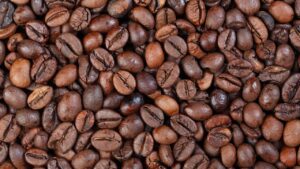
A feature of single origin is that it is roasted to bring out the character distinctive to its growing region. Light, medium, dark — the flavor of the same bean varies greatly with the roast level. A light roast brings out acidity and aroma, while a dark roast emphasizes body and bitterness.
How to enjoy single-origin coffee
Single-origin coffee conveys the flavor distinctive to its growing region. To fully appreciate that flavor, one thing well worth trying is a side-by-side tasting.
Feel the difference through a side-by-side tasting
For example, tasting Latin America's Colombia against Africa's Kenya side by side makes the difference in each coffee's flavor stand out even more. Colombia has a toasty, nut-like flavor, while Kenya has a fruity, vivid flavor — a contrasting pair of characters.
Standard packs hold 250 g, but many shops sell by weight in quantities of 100 g or more, so buying single origins in 100 g portions for a side-by-side tasting is recommended.
Feel the producer's story
Single origin excels in traceability. Origin information that was once lumped together broadly can be traced with single-origin coffee.
For example, the Integral Cipres farm in Honduras is a family-run estate now in its third generation. It started small, at just 0.2 hectares, but grew little by little as the family saved up, until today it can cultivate 8.5 hectares. Able to give attention to each individual tree, they do remarkably careful work, and that care is beautifully reflected in the coffee.
This kind of origin story — being able to see the producer's face — is also part of the appeal of single origin.
A recommended way to order
At a shop you are visiting for the first time, it is good to first buy a recommended blend and check whether the shop's taste and the direction it is aiming for suit your preferences. Then, if you come to like the shop, a good flow is to try its single-origin beans, which let you feel the bean's flavor more directly.
Ordering with a good balance — a standard blend plus a single origin that you switch up by mood — makes your coffee life more fulfilling. Tasting many side by side will make the trends in the flavors you like clearer.
Conclusion: the world of coffee that opens up with single origin
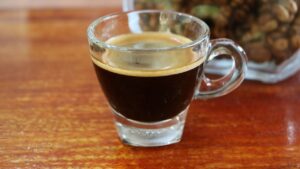
Single-origin coffee uses beans from a single source, letting you taste the distinctive character of that growing region more vividly.
Whereas blend coffee emphasizes balance of taste, the appeal of single origin is being able to directly savor the individuality of the region, the farm, and the producer. Soil, climate, altitude, processing method, roast level, and various other factors intertwine in a complex way to produce a one-of-a-kind flavor.
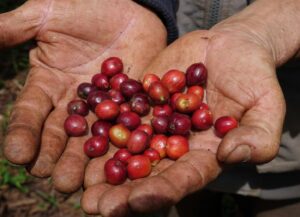
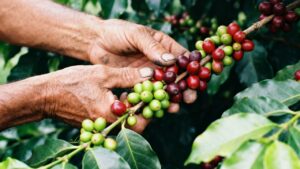
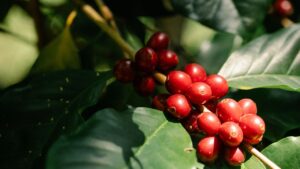
Coffee is an agricultural crop, and it becomes delicious through human work. How ripe the cherries are when harvested, how they are processed afterward, which variety is grown and in what environment—enjoying these bean-by-bean differences is the real pleasure of single-origin coffee.
Through side-by-side tasting, you can experience coffee cultures from around the world: the toasty notes of Latin America, the fruitiness of Africa, the distinctive flavors of Asia. Knowing the producer’s story gives each cup a deeper meaning.
First start with a standard blend, and once you find a favorite shop, try single origin. Since you can try it from a small 100g amount, you can casually enjoy coffee from various regions. A special cup that suits your taste is surely there to be found.
Tasting coffee is also a way to feel the effort and the landscape of someone, somewhere in the world. Why not make your coffee life richer with single-origin coffee?