At the 4th Vietnam Banh Mi Festival, held at Lê Văn Tám Park in Ho Chi Minh City from April 23–26, 2026, more than 150 booths and over 200,000 visitors were joined by a "French Market" organized by the French Chamber of Commerce and Industry. Rather than repeating the event overview covered in a separate article, this piece focuses on the French–Vietnamese food culture exchange and food safety considerations.
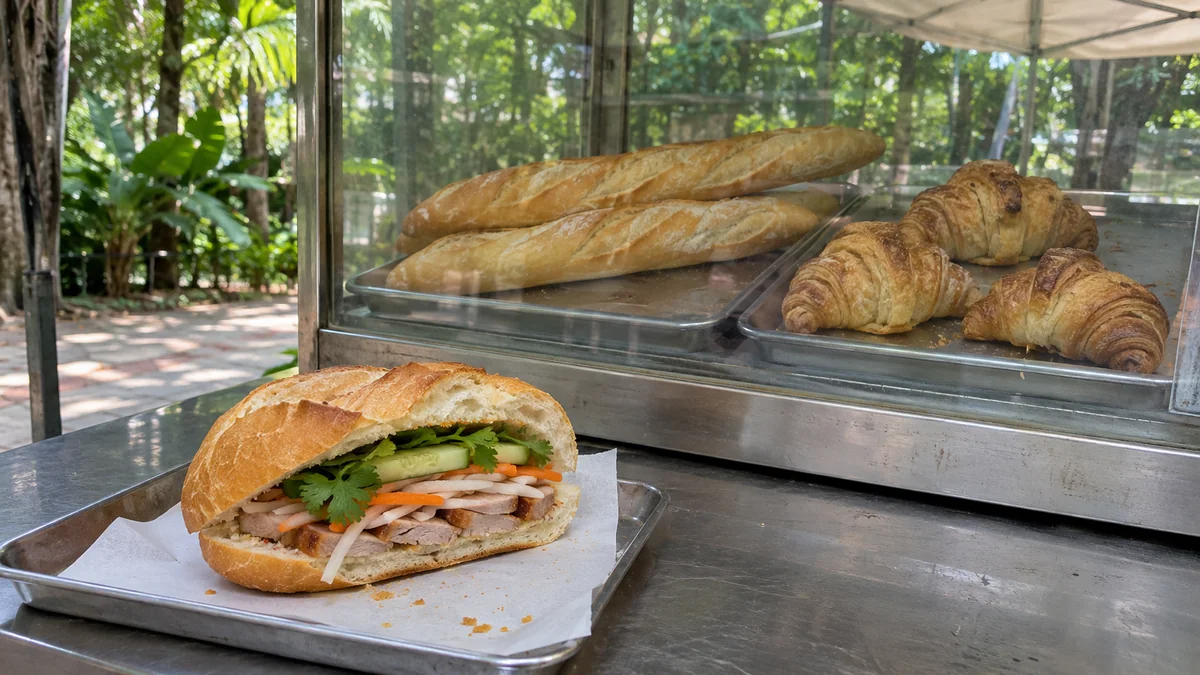
A Baguette and a Bánh Mì Are Not the Same Thing
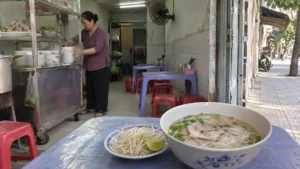
Bánh mì was influenced by the bread that arrived during the French colonial period, but in Vietnam it evolved into its own food culture—combining a light, airy loaf with pâté, meat, pickled vegetables, fresh herbs, chili, and sauce. It is not a direct continuation of French cuisine; rather, it is a dish that was reshaped over time to suit local ingredients and eating habits.
What Took Place at the French Market
CCI France Vietnam joined the market area alongside food companies, and a baguette and croissant competition drew around 40 bakers and pastry chefs. Rather than framing this as an effort to return bánh mì to France, it is more accurate to see it as an occasion where bread-making technique and Vietnamese filling culture came together in the same space.
Item: 2026 Results
Dates: April 23–26
Visitors: Over 200,000
Booths: Over 150
French Market: Participation by French-affiliated companies and organizations
Bread competition: Approximately 40 artisans
Food Safety Checks Matter More at Large-Scale Events
Bánh mì can contain perishable ingredients such as meat, pâté, egg, mayonnaise, and raw vegetables. In a crowded venue, look for products that are covered, check that hot fillings are being kept at an appropriate temperature, and watch whether food handlers are using the same hands for cash and food. Once you've bought your bánh mì, don't carry it around for too long—eat it promptly.
Removing the Claim of UNESCO Candidacy
An earlier version of this article stated that bánh mì was "a candidate for UNESCO Intangible Cultural Heritage registration in 2023," but no formal application or candidacy list could be confirmed. Since widespread recognition and the UNESCO process are separate matters, that statement has been removed.
Why Read an Article About a Finished Event
What I want to preserve in an article about a concluded event isn't just the headline numbers. It's the practical details that carry over to next time—which areas got crowded, how traffic changed, and whether advance booking or heat preparation was necessary. Rather than guessing at the next edition's dates or content from past results, I'll wait for a fresh announcement from the organizers. Past attendance figures should be read as reference values, with the venue size and counting method in mind.
Summary
The 2026 festival showcased not only the variety of bánh mì but also the contemporary exchange between that tradition and the French bread-making culture historically connected to it. If you attend a future edition, give as much weight to ingredients, hygiene, and eating a manageable amount as you do to the buzz around it.
Related articles:Saigontourist Food Culture Festival
Source:Vietnam.vn/CCI France Vietnam
Check the update date
Check the update date in the body of the article, not just the search result excerpt. If you are unsure whether figures or proper nouns are still current, go to the primary source from the company, organizer, or government authority. If no official page can be found, treat that fact itself as a factor in your judgment, and do not make bookings or long trips based on old articles alone.